


 Предпросмотр
 Поделиться
 Поделиться
 Детали произведения

 Скачать
 Похожие работы
 Рентгенография
 Слайд-шоу
 Статистика
Recuay architecture

 Читать далее
Приобретите цифровое изображение высокого разрешения в улучшенном качестве, которое значительно превосходит онлайн-превью.
Каждый файл тщательно подготавливается нашими специалистами с использованием передовых инструментов и экспертной ручной ретуши. Мы гарантируем исключительную четкость, точную цветопередачу и детальную проработку каждого изображения.
Финальный файл доставляется по электронной почте в течение 72 часов и оптимизирован для немедленного использования в профессиональной среде, при верстке и печати. Это тот же уровень качества, которому доверяют ведущие дизайнерские студии, издательства и галереи.
Цифровое изображение
Скачайте файл высокого разрешения для личного использования, печати и творческих проектов. ( Перейти к печати Купить картину ручной работы)
Включено в каждый заказ цифровых изображений
Гарантия экспертной цифровой доставки
Выбирая ArtsDot.com, вы получаете не просто изображение — вы приобретаете профессионально обработанное цифровое произведение искусства, созданное с безупречной точностью и под защитой гарантии качества. Вот всё, что автоматически входит в ваш заказ:

Мгновенная доставка по e-mail
Ваш цифровой файл в высоком разрешении будет отправлен вам по электронной почте в течение 72 часов после оформления заказа — и сразу станет доступен для использования.

Цифровой файл с ИИ-улучшением
Ваше произведение искусства проходит профессиональную оптимизацию с использованием передовых инструментов ИИ и ручной обработки, что гарантирует максимальную детализацию, четкость и точность цветопередачи.

Бессрочная бесплатная повторная доставка
Случайно удалили или потеряли файл? Не беспокойтесь — мы отправим его вам повторно в любое время и совершенно бесплатно.

Без импортных пошлин — навсегда
Наслаждайтесь вашим произведением искусства мгновенно без таможенных пошлин, сборов или затрат на доставку — цифровые загрузки всегда не облагаются налогом.

Гарантия точности цветопередачи
Мы гарантируем, что ваше цифровое изображение максимально точно передает оригинальные цвета благодаря использованию профессиональных инструментов и систем управления цветом.

Гарантия удовлетворенности 100 дней
Если вы не будете удовлетворены своим цифровым изображением, мы внесем правки или вернем 100% стоимости в течение 100 дней — без лишних вопросов.

100% Гарантия возврата средств
Не удовлетворены покупкой? Получите полный возврат средств в течение 100 дней после получения цифрового файла — без лишних вопросов.

Скидки на оптовые заказы
Купите 3 изображения, сэкономьте 10% — Купите 5, сэкономьте 15% — Купите 10+, сэкономьте 20%. Отличное решение для творческих проектов, галерей и агентств.
Похожие произведения








Биография художника
The Echoes of the Andes: Unveiling the Recuay Culture
Nestled high within the rugged Callejón de Huaylas valley of northern Peru, a civilization flourished between 200 BCE and 600 CE – the Recuay. Often overshadowed by its more prominent coastal neighbors like the Moche, the Recuay represent a vital chapter in Andean prehistory, a sophisticated society that left behind a legacy etched in intricate ceramics, monumental architecture, and a unique artistic style known as “Huaylas.” Their story is one of adaptation, innovation, and a profound connection to the dramatic landscape they called home.
The Recuay’s origins are intertwined with the earlier Chavín culture, which exerted a significant influence on their early development. Situated close to the iconic Chavín de Huantar ruins, the Recuay adopted many of the Chavín’s artistic conventions – particularly in stonework and monumental construction. However, they quickly developed their own distinctive identity, characterized by a remarkable mastery of ceramics and an increasingly complex social structure. The valley provided fertile ground for agriculture, primarily focused on maize cultivation, supplemented by the herding of llamas and alpacas, crucial resources that fueled their economy and artistic endeavors.
Ceramic Expressions: A Window into Recuay Life
Recuay ceramics are arguably their most enduring legacy. Unlike the predominantly monochrome palettes of the Moche, Recuay pottery bursts with vibrant color – primarily black, red, and white – achieved through a meticulous process of slip painting and resist techniques. These weren’t merely functional vessels; they were elaborate storytelling devices, depicting scenes from daily life, religious rituals, and mythological narratives. The most captivating aspect is the recurring motif known as the “moon animal,” a stylized feline or fox-like creature with an elongated snout and prominent crest – a symbol that continues to fascinate archaeologists and art historians.
The artistry extended beyond simple decoration. Recuay potters skillfully sculpted miniature figures of humans, animals, and deities, attaching them directly to the vessel’s surface. These figurines, often rendered in exquisite detail, provided a tangible representation of the world depicted on the ceramic itself. The “Vessel with Human Figures,” currently housed at the Denver Art Museum, exemplifies this remarkable skill – a poignant depiction of a ritual scene, offering a glimpse into Recuay beliefs and social customs.
Architectural Marvels: Fortified Centers and Sacred Spaces
While their ceramics are renowned, the Recuay also constructed impressive architectural complexes. Unlike the sprawling urban centers of other Andean cultures, Recuay settlements were characterized by fortified towns – rectangular enclosures with multiple levels and rooms, suggesting a society grappling with external threats or internal conflict. These structures, often built into hillsides, demonstrate a sophisticated understanding of engineering and construction techniques. The presence of underground galleries, reminiscent of Chavín architecture, further underscores the cultural exchange that shaped Recuay development.
Beyond these fortified towns, the Recuay erected monumental platforms – “huacas” – serving as ceremonial centers. These structures, though largely destroyed by time and looters, reveal a complex cosmology and a deep connection to the landscape. The scale of these constructions speaks volumes about the power and influence wielded by Recuay leaders.
The Pashash Legacy: A Late Recuay Development
As the Recuay culture evolved, it gave rise to a distinct regional variation known as Pashash culture, flourishing in the northern Sierra de Ancash region from approximately 500 to 1000 CE. Pashash artisans demonstrated exceptional skill in metallurgy, producing finely crafted gold jewelry and bronze ornaments – evidence of a thriving trade network and sophisticated craftsmanship. Their pottery retained many stylistic elements of Recuay ceramics but also incorporated new motifs and techniques. The Pashash culture represents a fascinating chapter in the Recuay story, showcasing their adaptability and continued artistic innovation.
Historical Significance: A Bridge Between Cultures
The Recuay culture occupies a crucial position in Andean history. Situated between the Chavín and Wari cultures, they served as a conduit for cultural exchange, absorbing influences from both while forging their own unique identity. Their sophisticated ceramics, monumental architecture, and complex social organization provide invaluable insights into the development of Andean civilizations. Despite the challenges of archaeological interpretation, the Recuay’s legacy endures – a testament to the ingenuity and resilience of a remarkable people who once thrived in the heart of the Andes.
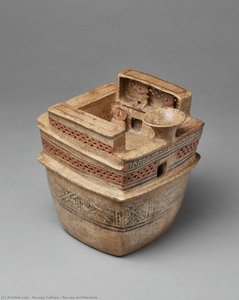
recuay culture
Peru
Основные сведения
- Artistic Movement Or Style: Andean Archaeology
- Artists Or Movements Influenced By This Artist: ['Wari culture']
- Artists Who Influenced This Artist:
- Chavin culture
- Moche culture
- Date Of Birth: 1938-05-27
- Full Name: George F. Lau
- Nationality: American
- Notable Artworks:
- Recuay Culture
- Aija Sculptures
- Place Of Birth: San Francisco, CA