

 Предпросмотр
 Поделиться
 Поделиться
 Детали произведения

 Скачать
 Похожие работы
 Рентгенография
 Слайд-шоу
 Статистика
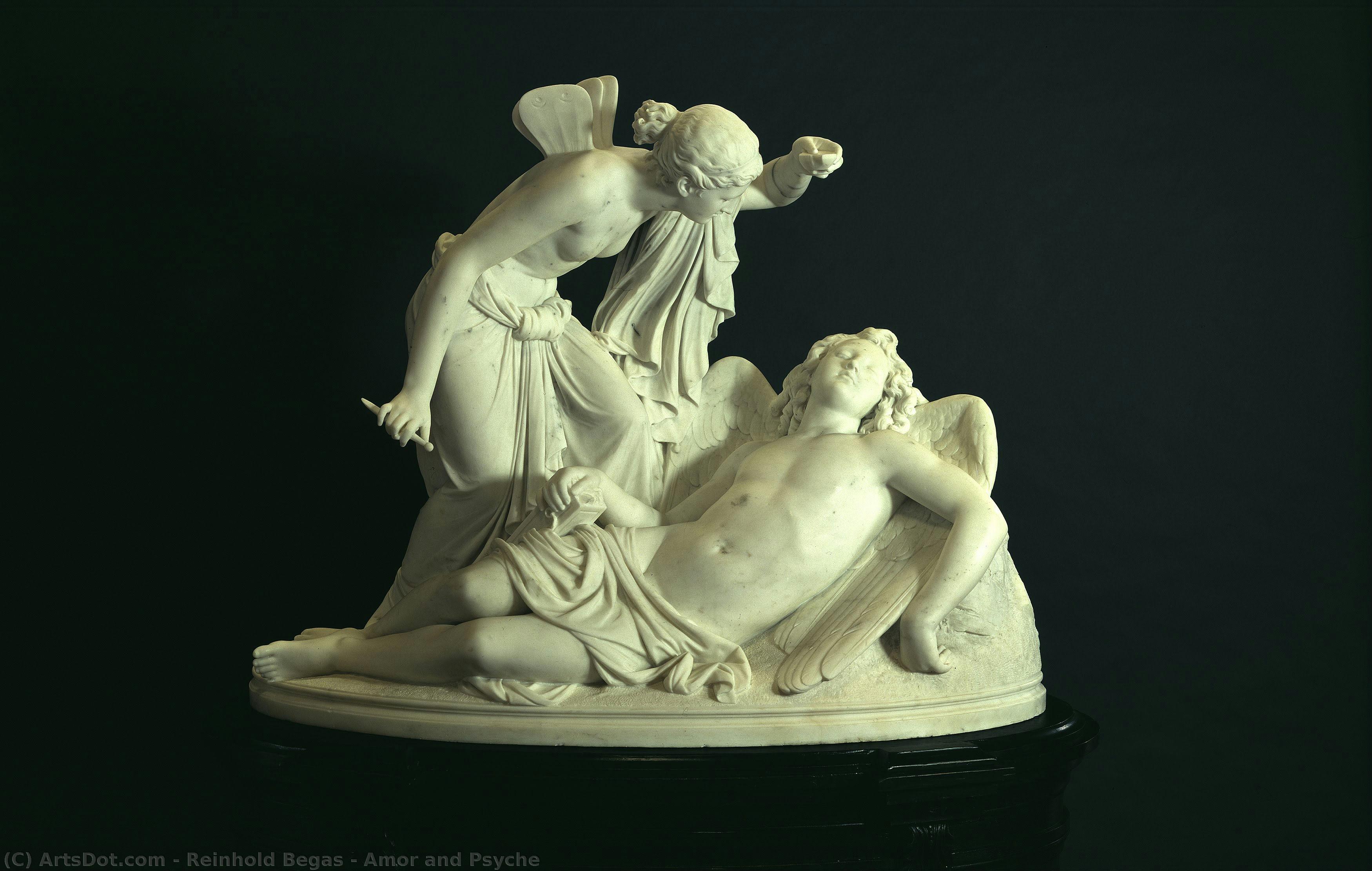
Amor and Psyche
 Oil On Canvas
- WallArt
- Neo-Baroque art
 1857
1857- 19th Century
 124.0 x 97.0 cm
 Альте-Националериале
 Читать далее
Жикле / Арт-принт
Печать (жикле) или холст музейного качества с быстрыми сроками изготовления и широким выбором вариантов отделки. ( Купить картину ручной работы Перейти к цифровым изображениям)




P118B $10

P118H $10

P118W $10

P438Z $10

P508JH $12

P508YH $12

P805H $10

P805Z $10

P919BZ $10

P919G $10

P919XJ $10

P959ZH $10

P968JZ $12

W106C $8

W218G $10

W218JH $8

W218Y $10

W307PJ $10

W316G $10

W316PJ $8

W316Y $10

W398PJ $8

W4111J $10

W500HY $15

W500JH $15

W692G $12

W849H $8

W940BG $15

W953PJ $8




Выберите один из наших стандартных размеров, соответствующих оригинальным пропорциям произведения искусства.

Вы можете указать свои собственные размеры, чтобы репродукция идеально подошла под конкретную раму или пространство. Если выбранный вами размер не будет соответствовать пропорциям оригинала, мы либо обрежем произведение, либо дополним изображение зеркальным отражением краев или однотонной заливкой. Перед началом производства вам будет отправлен цифровой макет для утверждения.
Пожалуйста, обратите внимание, что предварительный просмотр на экране не отображает фактическую обрезку или расширение изображения. Только макет точно покажет финальную композицию.
Несмотря на возможность заказа индивидуальных размеров, мы рекомендуем выбирать размер из предопределенного списка, чтобы сохранить оригинальные пропорции.
Доставка по всему миру () за 2 недели вместо стандартных 4/5 недель. (11 Сентябрь)

Бесплатная экспресс-доставка по всему миру

Высококачественный льняной холст

Полное страхование доставки

Гарантия возмещения таможенных пошлин

Гарантия точного соответствия цветов

100-дневная политика возврата (только при обнаружении дефектов)

Гарантия возврата 100% средств

Предложение оптовых скидок
 Вариант со стеклом доступен только для размеров менее 110 см

Amor and Psyche
Жикле / Арт-принт
Размер репродукции
-


Итоговая стоимость
$ 62
A Dramatic Encounter: Reinhold Begas's "Amor and Psyche"
Reinhold Begas’s 1857 sculpture, “Amor and Psyche,” is more than a depiction of a classical myth; it’s a powerful embodiment of romantic longing and the fraught beauty of forbidden desire. Inspired by Apuleius's timeless tale, this work captures a pivotal moment – the exquisitely tender yet unsettling scene where Psyche, overcome with curiosity, approaches Amor in his sleep. Begas masterfully translates the narrative into a dynamic composition, utilizing the principles of classical sculpture to evoke both strength and vulnerability within the figures.
Neo-Baroque Sensibilities and Sculptural Innovation
- Begas’s choice of subject matter – the dramatic climax of Psyche's pursuit – reflects a deliberate shift in artistic sensibility. Moving away from the strict linearity favored by earlier sculptors, he embraces a painterly modelling technique, anticipating the burgeoning neo-Baroque movement that would soon dominate European art.
- The harmonious oval plinth upon which the figures rest further enhances this effect, creating a sense of ethereal beauty and elevating the scene to a realm beyond mere earthly representation. The treatment of surfaces demonstrates Begas’s commitment to capturing light and shadow with remarkable sensitivity, imbuing the sculpture with a palpable warmth.
Symbolism and Compositional Structure
The composition itself is meticulously structured around a broad-based triangle, with Psyche's head forming its apex. This pyramidal arrangement, a cornerstone of classical sculpture, lends the work stability and grandeur while simultaneously emphasizing Psyche’s role as the focal point of the narrative. The intertwined bodies of Amor and Psyche speak to the passionate union at the heart of the story, while the scattered birds – a recurring motif in Apuleius's tale – symbolize hope and divine intervention.
Historical Context and Artistic Legacy
Created during a period of significant artistic change, “Amor and Psyche” represents a crucial step in Begas’s development as a sculptor. His sojourn in Italy, particularly his exposure to the works of Arnold Böcklin and Franz von Lenbach, profoundly influenced his style, leading him towards greater expressive freedom and a more nuanced understanding of human emotion. This sculpture stands as a testament to Begas's ambition and skill, solidifying his position as one of Prussia’s most important sculptors of the 19th century.
Похожие произведения
Биография художника
The Sculptor of Prussian Grandeur
Reinhold Begas (1831-1911) stands as a titan of the late 19th-century sculptural landscape, an artist whose hands breathed life into the very essence of Prussian identity. Born in Berlin to a family where art was woven into the fabric of daily existence—his father, Carl Joseph Begas, being a painter himself—he was destined for a life of creative devotion. His early years were defined by rigorous discipline under the masters Christian Daniel Rauch and Ludwig Wilhelm Wichmann, training that instilled in him a profound command over form and anatomy. Yet, it was not merely technical prowess that would define him, but an ability to capture the monumental spirit of an era transitioning from Neoclassical restraint to the dramatic, swirling energy of the Neo-Baroque.
The trajectory of Begas’s genius was irrevocably altered by his transformative pilgrimage to Italy in 1856. Wandering through the sun-drenched streets of Florence and the ancient, storied landscapes of Rome, he encountered the works of Arnold Böcklin and Franz von Lenbach. This exposure to a more naturalistic and emotive aesthetic provided the catalyst for his stylistic evolution. He began to move away from the rigid, static traditions of his predecessors, seeking instead to infuse his bronze and marble with a palpable sense of movement, breath, and psychological depth. His work became a bridge between the classical ideals of antiquity and the burgeoning realism of the modern age.
A Legacy in Bronze and Stone
The ascent of Begas into the upper echelons of European art was marked by a series of ambitious commissions that reshaped the skyline of Berlin. His early triumph, Borussia, commissioned for the façade of Berlin’s Exchange building, served as a thunderous introduction to the public, showcasing his ability to marry monumental scale with intricate, lifelike detail. As his reputation grew, so did the complexity of his narratives. He became the preeminent sculptor of the German Empire, tasked with translating the political and cultural triumphs of the Hohenzollern dynasty into enduring physical monuments.
His mastery is perhaps most evident in the following milestones of his career:
- The Schiller Memorial: A profound tribute to the poet that captures the Romantic spirit through emotive composition.
- The Kaiser Wilhelm National Monument: An epic undertaking that epitomizes the Neo-Baroque style, utilizing grand scale and dramatic movement to celebrate imperial power.
- Pan Comforting Psyche: A delicate masterpiece that demonstrates his ability to pivot from the monumental to the intimate, exploring themes of myth and human vulnerability.
- The Bismarck Statue: A powerful representation of political authority, rendered with a naturalism that commands respect and reverence.
Beyond the mere depiction of historical figures, Begas’s significance lies in his ability to capture the zeitgeist of his time. His sculptures do not merely sit in public squares; they interact with the atmosphere, casting shadows that evoke the drama of a bygone era. Through his meticulous attention to texture—the ripple of muscle, the heavy fold of drapery, the weathered surface of stone—he achieved a level of naturalism that made the allegorical feel tangible. Even today, his works remain essential touchstones for understanding the artistic soul of 19th-century Germany, serving as permanent sentinels of a period defined by imperial ambition and artistic splendor.
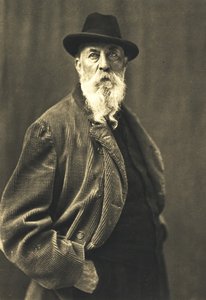
Reinhold Begas
1831 - 1911 , Germany
Основные сведения
- Artistic Movement Or Style: Neo-Baroque
- Artists Or Movements Influenced By This Artist: ['German sculpture']
- Artists Who Influenced This Artist:
- Arnold Böcklin
- Franz von Lenbach
- Date Of Birth: July 15, 1831
- Date Of Death: 1911
- Full Name: Reinhold Begas
- Nationality: German
- Notable Artworks:
- Pan comforting Psyche
- Model of the National Monument for Emperor William I.
- Schiller Memorial
- Place Of Birth: Berlin, Germany
Похожие статьи

The Enduring Form: Sculpture Across History, Technique & Emotional Resonance
Explore the rich history of sculpture with ArtsDot. Discover key techniques, influential artists & investment potential for discerning collectors. Expert insights into valuing and collecting timeless masterpieces.

10 легендарных бронзовых скульптур, изменивших искусство навсегда | ArtsDot
Погрузитесь в мир великих бронзовых скульптур! От Давида Микеланджело до работ Родена – история искусства, техники и вдохновения. Купите репродукции шедевров для вашего интерьера на ArtsDot.com

The Enduring Form: Exploring Themes & Techniques in Sculpture Across Historical Periods
Explore the rich history of sculpture from ancient masterpieces to contemporary innovations. Discover key techniques, influential artists & investment potential for discerning art collectors.
10 Шедевров Неоклассицизма: Искусство, Определившее Эпоху | ArtsDot
Погрузитесь в мир неоклассицизма! 10 шедевров от Давида, Канновы и других великих художников. Узнайте историю создания культовых картин и вдохновитесь для интерьера. Репродукции музейного качества на ArtsDot.com

Baroque Classicism: Reconciling Drama & Order in 17th-Century Art
Explore the captivating world of Baroque Classicism! Discover its history, key artists like Caravaggio & Rubens, and defining characteristics. Expert insights & high-quality reproductions at ArtsDot.