

 Предпросмотр
 Поделиться
 Поделиться
 Детали произведения

 Скачать
 Похожие работы
 Рентгенография
 Слайд-шоу
 Статистика
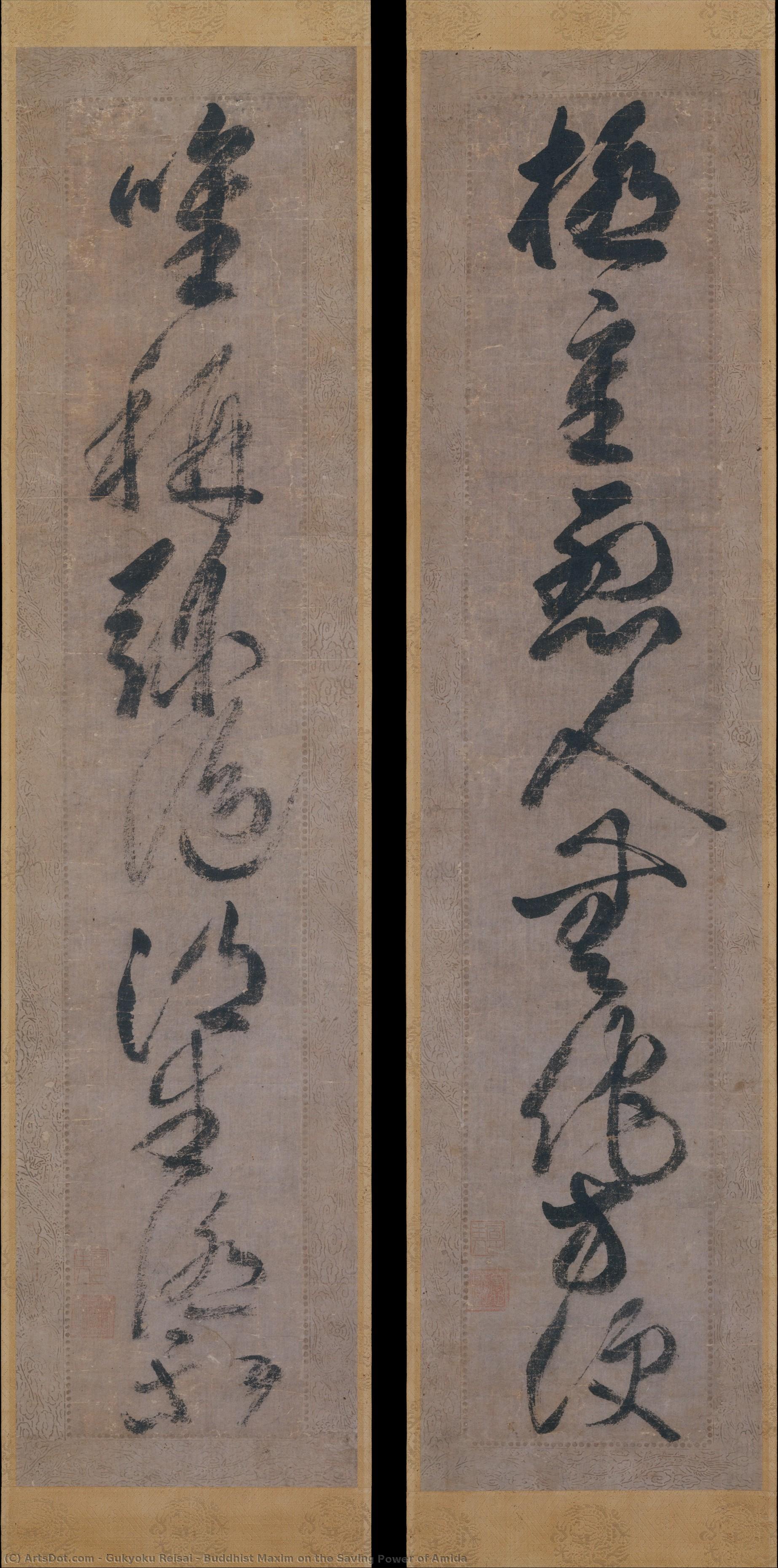
Buddhist Maxim on the Saving Power of Amida
 401
401 93.0cm x 22.0cm
 Читать далее
Приобретите цифровое изображение высокого разрешения в улучшенном качестве, которое значительно превосходит онлайн-превью.
Каждый файл тщательно подготавливается нашими специалистами с использованием передовых инструментов и экспертной ручной ретуши. Мы гарантируем исключительную четкость, точную цветопередачу и детальную проработку каждого изображения.
Финальный файл доставляется по электронной почте в течение 72 часов и оптимизирован для немедленного использования в профессиональной среде, при верстке и печати. Это тот же уровень качества, которому доверяют ведущие дизайнерские студии, издательства и галереи.
Цифровое изображение
Скачайте файл высокого разрешения для личного использования, печати и творческих проектов. ( Перейти к печати Купить картину ручной работы)
Включено в каждый заказ цифровых изображений
Гарантия экспертной цифровой доставки
Выбирая ArtsDot.com, вы получаете не просто изображение — вы приобретаете профессионально обработанное цифровое произведение искусства, созданное с безупречной точностью и под защитой гарантии качества. Вот всё, что автоматически входит в ваш заказ:

Мгновенная доставка по e-mail
Ваш цифровой файл в высоком разрешении будет отправлен вам по электронной почте в течение 72 часов после оформления заказа — и сразу станет доступен для использования.

Цифровой файл с ИИ-улучшением
Ваше произведение искусства проходит профессиональную оптимизацию с использованием передовых инструментов ИИ и ручной обработки, что гарантирует максимальную детализацию, четкость и точность цветопередачи.

Бессрочная бесплатная повторная доставка
Случайно удалили или потеряли файл? Не беспокойтесь — мы отправим его вам повторно в любое время и совершенно бесплатно.

Без импортных пошлин — навсегда
Наслаждайтесь вашим произведением искусства мгновенно без таможенных пошлин, сборов или затрат на доставку — цифровые загрузки всегда не облагаются налогом.

Гарантия точности цветопередачи
Мы гарантируем, что ваше цифровое изображение максимально точно передает оригинальные цвета благодаря использованию профессиональных инструментов и систем управления цветом.

Гарантия удовлетворенности 100 дней
Если вы не будете удовлетворены своим цифровым изображением, мы внесем правки или вернем 100% стоимости в течение 100 дней — без лишних вопросов.

100% Гарантия возврата средств
Не удовлетворены покупкой? Получите полный возврат средств в течение 100 дней после получения цифрового файла — без лишних вопросов.

Скидки на оптовые заказы
Купите 3 изображения, сэкономьте 10% — Купите 5, сэкономьте 15% — Купите 10+, сэкономьте 20%. Отличное решение для творческих проектов, галерей и агентств.
Похожие произведения










Биография художника
Reisai Gukyoku: A Silent Voice of Zen
Reisai Gukyoku (approximately 1369 – 1452), a Japanese Buddhist monk painter, stands as an enigmatic figure within the artistic landscape of Nanbokuchō period Japan. Though his life remains shrouded in relative obscurity compared to contemporaries like Sesshu Toyokuni or Kano Hanshi, Gukyoku’s contribution to Zen calligraphy and scroll painting is undeniable—a testament to understated elegance and profound spiritual contemplation. His work embodies the core tenets of Zen Buddhism: simplicity, directness, and an unwavering focus on achieving enlightenment through mindful observation.Early Life and Training
Information regarding Reisai Gukyoku's formative years is scarce. He was born in Yamashiro Province (modern Kyoto Prefecture), a region deeply rooted in Buddhist tradition. Precise details about his family lineage are unavailable, reflecting the common practice of monastic families prioritizing spiritual pursuits over genealogical documentation. Records indicate he entered Tengyō-ji Temple at a young age—a pivotal decision that shaped his entire artistic trajectory and intellectual worldview. Within Tengyoku’s walls, he diligently studied Zen Buddhism under influential masters, absorbing the principles of shikantaza (“just sitting”) and koans (“paradoxical riddles”), practices designed to dismantle conceptual thought and cultivate intuitive understanding. These formative experiences profoundly impacted his artistic style—characterized by meticulous brushwork and a deliberate avoidance of ornamentation. The pursuit of enlightenment became his guiding principle, informing every aspect of his life and shaping his artistic vision.Style and Technique: The Essence of Zen Expression
Gukyoku’s artistic signature lies in his masterful execution of calligraphy, specifically hanging scrolls (rokuban). Unlike the flamboyant styles prevalent during Nanbokuchō, Gukyoku's approach prioritized conveying spiritual essence over visual spectacle. His brushstrokes were remarkably restrained—precise, deliberate, and imbued with a palpable sense of stillness. He favored ink wash techniques (sumi-e), utilizing varying shades of black to create textured surfaces that mirrored the natural world—particularly landscapes reminiscent of Mount Yoshino, a sacred site venerated by Zen monks. The resulting scrolls are notable for their subtle gradations of tone and their masterful control over line weight, reflecting Gukyoku’s unwavering commitment to capturing the fleeting beauty of impermanence—a central concept in Zen philosophy. His compositions often incorporated minimalist arrangements—single branches or rocks—serving as visual anchors for meditative contemplation. This deliberate simplicity was not merely aesthetic; it represented a profound philosophical stance—a rejection of illusion and an embrace of direct experience.Notable Works: Reflections of Buddhist Thought
While Reisai Gukyoku's oeuvre remains relatively modest compared to other prominent artists of his era, several scrolls bear witness to his artistic prowess and intellectual depth. “Fenggan, Hanshan, and Shide” exemplifies his signature style—a serene depiction of Mount Yoshino bathed in moonlight, rendered with exquisite attention to detail. The scroll’s understated beauty underscores the Zen ideal of perceiving reality without preconceptions—allowing oneself to be absorbed by the present moment. Similarly, "Buddhist Maxim on the Saving Power of Amida" presents a concise koan inscription executed in elegant cursive script—a testament to Gukyoku's ability to distill complex philosophical concepts into visually arresting forms. These works are not merely aesthetically pleasing; they serve as conduits for conveying profound spiritual truths—reflecting Gukyoku’s unwavering devotion to Zen Buddhism and its pursuit of enlightenment. The careful selection of materials and the meticulous execution of brushstrokes demonstrate a dedication to capturing the essence of Buddhist doctrine in visual form.Legacy and Significance
Reisai Gukyoku’s influence extends beyond his individual creations. He represents a crucial link in the chain of Zen calligraphy tradition—a lineage that continues to inspire artists today. His meticulous technique and contemplative aesthetic established precedents for subsequent generations of Zen painters, emphasizing simplicity, directness, and an unwavering focus on capturing the beauty of impermanence. Although he remains largely unrecognized by mainstream art historians, Reisai Gukyoku’s work stands as a poignant reminder of the transformative potential of artistic practice when guided by spiritual aspiration. His legacy resides not in grand gestures or flamboyant displays but in the subtle beauty and profound stillness of his scrolls—expressions of Zen Buddhism's core values that resonate across centuries. He remains an exemplar of Zen artistry, prioritizing inner contemplation over outward ornamentation—a testament to the enduring power of mindful observation as a path toward enlightenment.
Реисай Гёку
1363 - 1452 , Япония
Основные сведения
- Artistic Movement Or Style: Зенитный буддизм
- Date Of Birth: 1369
- Date Of Death: 1452
- Full Name: reisai gukyoku
- Nationality: Японский
- Notable Artworks: ['Fenggan, Hanshan, и Шидэ']
- Place Of Birth: Yamashiro