

 Предпросмотр
 Поделиться
 Поделиться
 Детали произведения

 Скачать
 Похожие работы
 Рентгенография
 Слайд-шоу
 Статистика
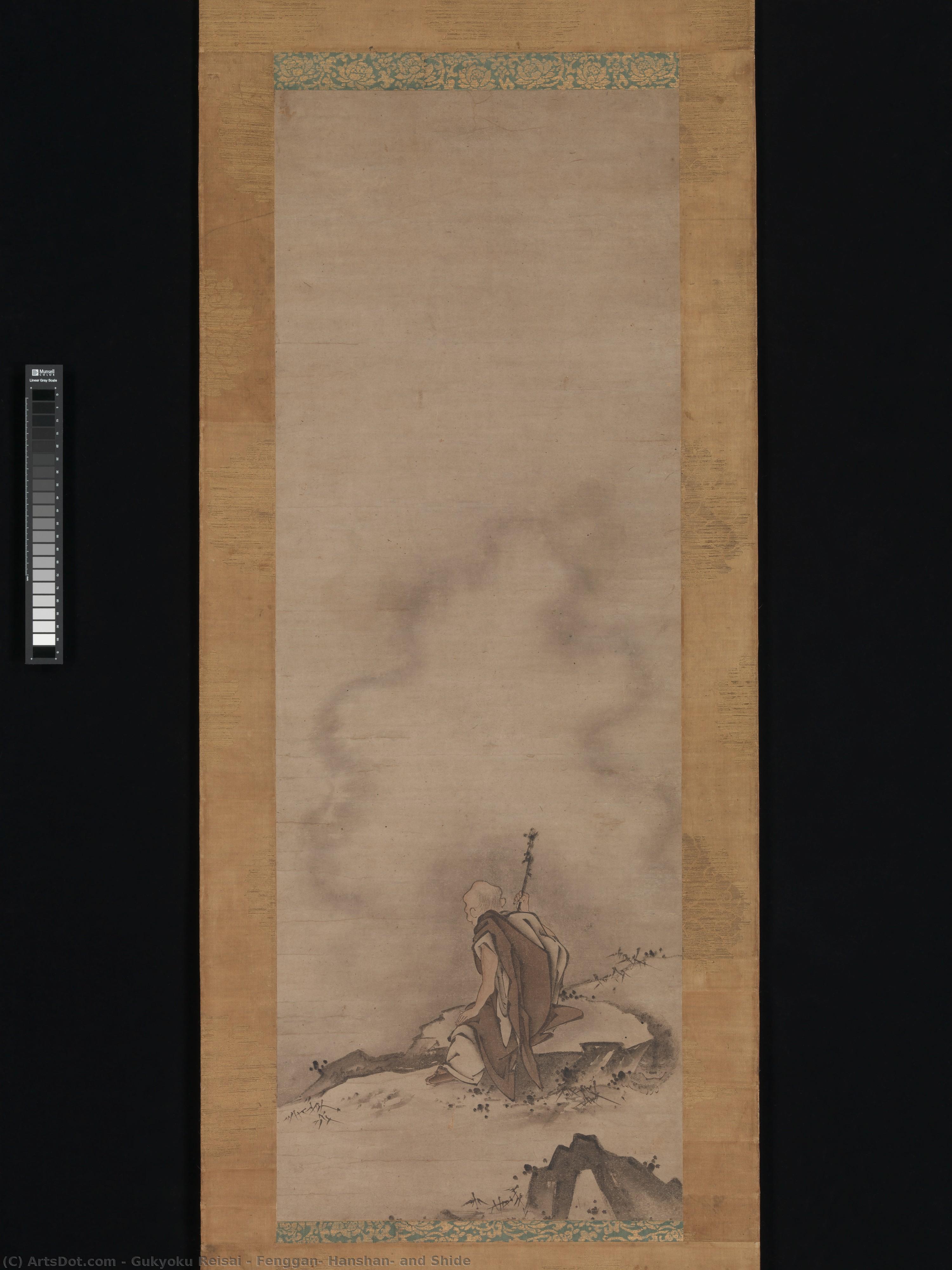
Fenggan, Hanshan, and Shide
 401
401 96.0cm x 35.0cm
 Читать далее
Жикле / Арт-принт
Печать (жикле) или холст музейного качества с быстрыми сроками изготовления и широким выбором вариантов отделки. ( Купить картину ручной работы Перейти к цифровым изображениям)




































Выберите один из наших стандартных размеров, соответствующих оригинальным пропорциям произведения искусства.

Вы можете указать свои собственные размеры, чтобы репродукция идеально подошла под конкретную раму или пространство. Если выбранный вами размер не будет соответствовать пропорциям оригинала, мы либо обрежем произведение, либо дополним изображение зеркальным отражением краев или однотонной заливкой. Перед началом производства вам будет отправлен цифровой макет для утверждения.
Пожалуйста, обратите внимание, что предварительный просмотр на экране не отображает фактическую обрезку или расширение изображения. Только макет точно покажет финальную композицию.
Несмотря на возможность заказа индивидуальных размеров, мы рекомендуем выбирать размер из предопределенного списка, чтобы сохранить оригинальные пропорции.
Доставка по всему миру () за 2 недели вместо стандартных 4/5 недель. (12 Сентябрь)

Бесплатная экспресс-доставка по всему миру

Высококачественный льняной холст

Полное страхование доставки

Гарантия возмещения таможенных пошлин

Гарантия точного соответствия цветов

100-дневная политика возврата (только при обнаружении дефектов)

Гарантия возврата 100% средств

Предложение оптовых скидок
 Вариант со стеклом доступен только для размеров менее 110 см

Fenggan, Hanshan, and Shide
Жикле / Арт-принт
Размер репродукции
-


Итоговая стоимость
$ 62
Introduction to the Art of Japanese Paper
Japanese art covers a wide range of styles and media, including ancient pottery, sculpture, ink painting and calligraphy on silk and paper, ukiyo-e paintings and woodblock prints, ceramics, origami, bonsai, and more recently manga. One of the most important aspects of Japanese art is the use of paper. Manila paper, a relatively inexpensive type of paper made from semi-bleached wood fibers, has been shaped to create manila file folders and envelopes. It is just as strong as kraft paper but has better printing qualities, such as stronger pigment retention.The Nanga Art Movement
Nanga, also known as the Southern School of painting, is a Japanese art movement that emerged during the Edo period (1603-1868). It was heavily influenced by Chinese literati painting and calligraphy, which emphasized individual expression and the pursuit of personal enlightenment.The Painting 'Fenggan, Hanshan, and Shide'
Gukyoku Reisai: Fenggan, Hanshan, and Shide (96.2cm x 34.6cm, Paper) is a painting that showcases the unique texture and beauty of Japanese paper. From their perch on a rocky precipice, three figures look out over clouds rising from a valley below. At left are Hanshan and Shide, Chan (Japanese: Zen) monks who held low-level positions at Guoqingsi, a temple on China’s Mount Tiantai. The reclusive monk-poet Hanshan, shown carrying a bucket, was said to have gathered leftover food from the temple kitchen, where he worked. Shide holds a broom indicating his role as the temple janitor.The Ukiyo-e Art Movement
Ukiyo-e, a genre of Japanese art that flourished from the 17th through 19th centuries, is renowned for its woodblock prints and paintings depicting various subjects such as female beauties, kabuki actors, sumo wrestlers, historical scenes, folk tales, travel landscapes, flora, fauna, and erotica.Conclusion
The art of Japanese paper is a rich and diverse field, with a long history and many different forms. From traditional ink painting to modern manga, Japanese paper has been used to create some of the world's most beautiful and iconic artworks. Whether you are an artist, a collector, or simply someone who appreciates the beauty of paper, there is much to discover in the world of Japanese paper art. Discover more artworks made with Japanese paper on ArtsDot.com Sources:Похожие произведения










Биография художника
Reisai Gukyoku: A Silent Voice of Zen
Reisai Gukyoku (approximately 1369 – 1452), a Japanese Buddhist monk painter, stands as an enigmatic figure within the artistic landscape of Nanbokuchō period Japan. Though his life remains shrouded in relative obscurity compared to contemporaries like Sesshu Toyokuni or Kano Hanshi, Gukyoku’s contribution to Zen calligraphy and scroll painting is undeniable—a testament to understated elegance and profound spiritual contemplation. His work embodies the core tenets of Zen Buddhism: simplicity, directness, and an unwavering focus on achieving enlightenment through mindful observation.Early Life and Training
Information regarding Reisai Gukyoku's formative years is scarce. He was born in Yamashiro Province (modern Kyoto Prefecture), a region deeply rooted in Buddhist tradition. Precise details about his family lineage are unavailable, reflecting the common practice of monastic families prioritizing spiritual pursuits over genealogical documentation. Records indicate he entered Tengyō-ji Temple at a young age—a pivotal decision that shaped his entire artistic trajectory and intellectual worldview. Within Tengyoku’s walls, he diligently studied Zen Buddhism under influential masters, absorbing the principles of shikantaza (“just sitting”) and koans (“paradoxical riddles”), practices designed to dismantle conceptual thought and cultivate intuitive understanding. These formative experiences profoundly impacted his artistic style—characterized by meticulous brushwork and a deliberate avoidance of ornamentation. The pursuit of enlightenment became his guiding principle, informing every aspect of his life and shaping his artistic vision.Style and Technique: The Essence of Zen Expression
Gukyoku’s artistic signature lies in his masterful execution of calligraphy, specifically hanging scrolls (rokuban). Unlike the flamboyant styles prevalent during Nanbokuchō, Gukyoku's approach prioritized conveying spiritual essence over visual spectacle. His brushstrokes were remarkably restrained—precise, deliberate, and imbued with a palpable sense of stillness. He favored ink wash techniques (sumi-e), utilizing varying shades of black to create textured surfaces that mirrored the natural world—particularly landscapes reminiscent of Mount Yoshino, a sacred site venerated by Zen monks. The resulting scrolls are notable for their subtle gradations of tone and their masterful control over line weight, reflecting Gukyoku’s unwavering commitment to capturing the fleeting beauty of impermanence—a central concept in Zen philosophy. His compositions often incorporated minimalist arrangements—single branches or rocks—serving as visual anchors for meditative contemplation. This deliberate simplicity was not merely aesthetic; it represented a profound philosophical stance—a rejection of illusion and an embrace of direct experience.Notable Works: Reflections of Buddhist Thought
While Reisai Gukyoku's oeuvre remains relatively modest compared to other prominent artists of his era, several scrolls bear witness to his artistic prowess and intellectual depth. “Fenggan, Hanshan, and Shide” exemplifies his signature style—a serene depiction of Mount Yoshino bathed in moonlight, rendered with exquisite attention to detail. The scroll’s understated beauty underscores the Zen ideal of perceiving reality without preconceptions—allowing oneself to be absorbed by the present moment. Similarly, "Buddhist Maxim on the Saving Power of Amida" presents a concise koan inscription executed in elegant cursive script—a testament to Gukyoku's ability to distill complex philosophical concepts into visually arresting forms. These works are not merely aesthetically pleasing; they serve as conduits for conveying profound spiritual truths—reflecting Gukyoku’s unwavering devotion to Zen Buddhism and its pursuit of enlightenment. The careful selection of materials and the meticulous execution of brushstrokes demonstrate a dedication to capturing the essence of Buddhist doctrine in visual form.Legacy and Significance
Reisai Gukyoku’s influence extends beyond his individual creations. He represents a crucial link in the chain of Zen calligraphy tradition—a lineage that continues to inspire artists today. His meticulous technique and contemplative aesthetic established precedents for subsequent generations of Zen painters, emphasizing simplicity, directness, and an unwavering focus on capturing the beauty of impermanence. Although he remains largely unrecognized by mainstream art historians, Reisai Gukyoku’s work stands as a poignant reminder of the transformative potential of artistic practice when guided by spiritual aspiration. His legacy resides not in grand gestures or flamboyant displays but in the subtle beauty and profound stillness of his scrolls—expressions of Zen Buddhism's core values that resonate across centuries. He remains an exemplar of Zen artistry, prioritizing inner contemplation over outward ornamentation—a testament to the enduring power of mindful observation as a path toward enlightenment.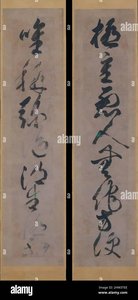
Реисай Гёку
1363 - 1452 , Япония
Основные сведения
- Artistic Movement Or Style: Зенитный буддизм
- Date Of Birth: 1369
- Date Of Death: 1452
- Full Name: reisai gukyoku
- Nationality: Японский
- Notable Artworks: ['Fenggan, Hanshan, и Шидэ']
- Place Of Birth: Yamashiro