

 Предпросмотр
 Поделиться
 Поделиться
 Детали произведения

 Скачать
 Похожие работы
 Рентгенография
 Слайд-шоу
 Статистика
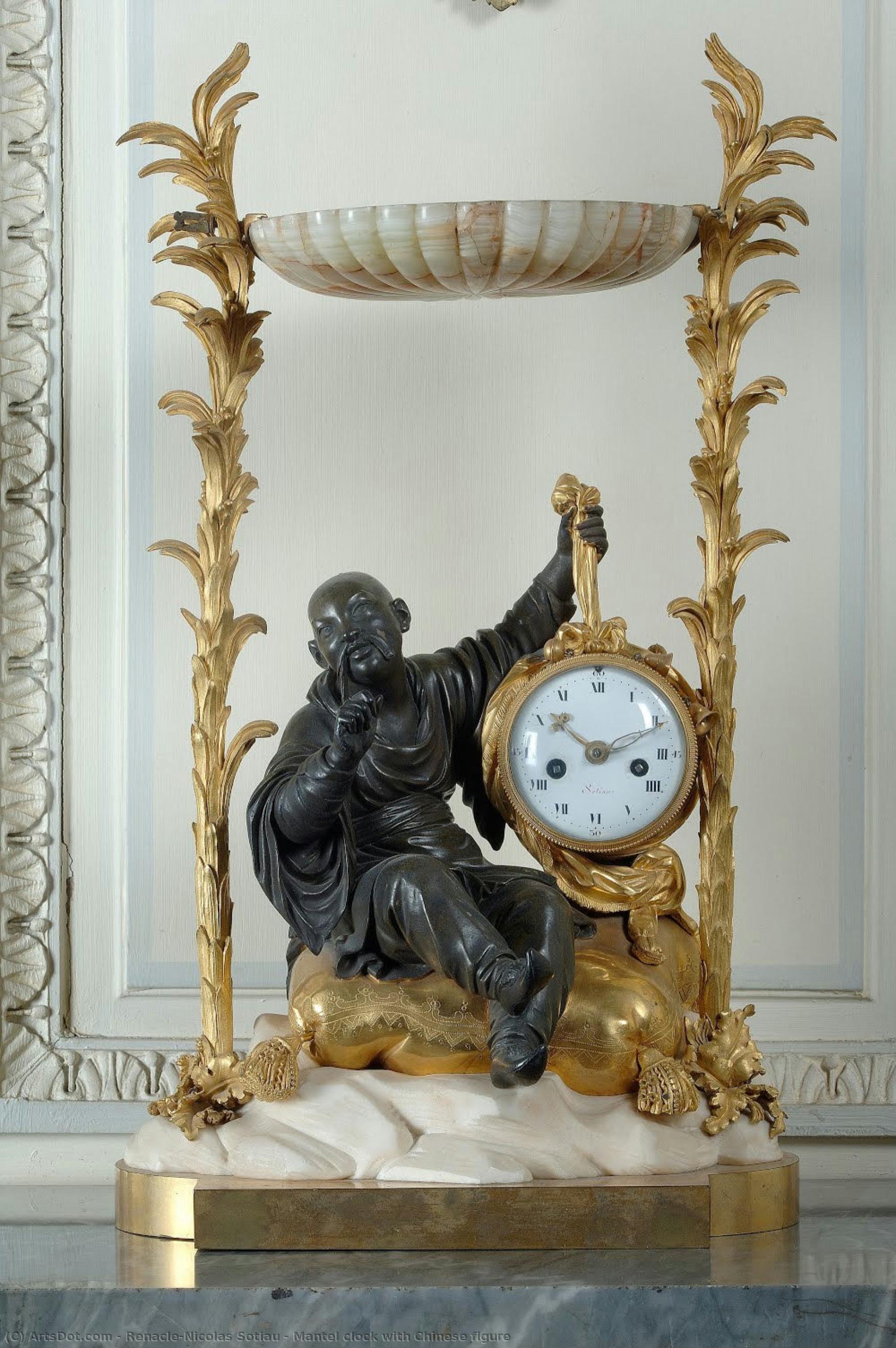
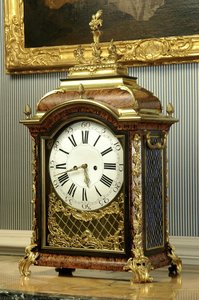
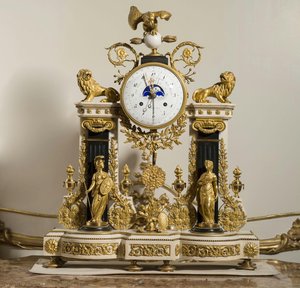
Mantel clock with Chinese figure


 Читать далее
Приобретите цифровое изображение высокого разрешения в улучшенном качестве, которое значительно превосходит онлайн-превью.
Каждый файл тщательно подготавливается нашими специалистами с использованием передовых инструментов и экспертной ручной ретуши. Мы гарантируем исключительную четкость, точную цветопередачу и детальную проработку каждого изображения.
Финальный файл доставляется по электронной почте в течение 72 часов и оптимизирован для немедленного использования в профессиональной среде, при верстке и печати. Это тот же уровень качества, которому доверяют ведущие дизайнерские студии, издательства и галереи.
Цифровое изображение
Скачайте файл высокого разрешения для личного использования, печати и творческих проектов. ( Перейти к печати Купить картину ручной работы)
Включено в каждый заказ цифровых изображений
Гарантия экспертной цифровой доставки
Выбирая ArtsDot.com, вы получаете не просто изображение — вы приобретаете профессионально обработанное цифровое произведение искусства, созданное с безупречной точностью и под защитой гарантии качества. Вот всё, что автоматически входит в ваш заказ:

Мгновенная доставка по e-mail
Ваш цифровой файл в высоком разрешении будет отправлен вам по электронной почте в течение 72 часов после оформления заказа — и сразу станет доступен для использования.

Цифровой файл с ИИ-улучшением
Ваше произведение искусства проходит профессиональную оптимизацию с использованием передовых инструментов ИИ и ручной обработки, что гарантирует максимальную детализацию, четкость и точность цветопередачи.

Бессрочная бесплатная повторная доставка
Случайно удалили или потеряли файл? Не беспокойтесь — мы отправим его вам повторно в любое время и совершенно бесплатно.

Без импортных пошлин — навсегда
Наслаждайтесь вашим произведением искусства мгновенно без таможенных пошлин, сборов или затрат на доставку — цифровые загрузки всегда не облагаются налогом.

Гарантия точности цветопередачи
Мы гарантируем, что ваше цифровое изображение максимально точно передает оригинальные цвета благодаря использованию профессиональных инструментов и систем управления цветом.

Гарантия удовлетворенности 100 дней
Если вы не будете удовлетворены своим цифровым изображением, мы внесем правки или вернем 100% стоимости в течение 100 дней — без лишних вопросов.

100% Гарантия возврата средств
Не удовлетворены покупкой? Получите полный возврат средств в течение 100 дней после получения цифрового файла — без лишних вопросов.

Скидки на оптовые заказы
Купите 3 изображения, сэкономьте 10% — Купите 5, сэкономьте 15% — Купите 10+, сэкономьте 20%. Отличное решение для творческих проектов, галерей и агентств.
Похожие произведения





Биография художника
A Parisian Master of Time: The Life and Legacy of Renacle-Nicolas Sotiau
Renacle-Nicolas Sotiau, a name synonymous with the pinnacle of 18th-century French horology, emerged from the workshops of Liège, Belgium in 1749. Though born beyond the borders of France, it was within the vibrant artistic milieu of Paris that he would forge his reputation as one of the most celebrated clockmakers of his era. Sotiau’s relatively short life – he passed away in 1791 – belies an extraordinary impact on the world of luxury timekeeping, serving a clientele that included royalty and the highest echelons of French society. He wasn't merely crafting instruments to measure hours; he was creating objects of exquisite beauty, symbols of status, and testaments to refined taste during the decade preceding the tumultuous French Revolution.The Rise of a Parisian Horological Star
Sotiau’s journey to prominence began with his mastery of the clockmaking trade. He officially became a *maître* in 1782, establishing his workshop on the prestigious rue Saint-Honoré – an address that quickly became associated with unparalleled quality and innovation. This location was pivotal; it placed him at the heart of Parisian commerce and within easy reach of the influential *marchands-merciers*, those sophisticated dealers who catered to the demands of a discerning aristocracy. These merchants, notably François Darnault and Dominique Daguerre, recognized Sotiau’s exceptional talent and commissioned movements for clocks destined for the most important collectors of the period. His success wasn't built on volume but on meticulous precision and an unwavering commitment to decorative excellence. He quickly became known for his pendulum clocks, which were not simply functional devices but miniature works of art.Royal Patronage and Artistic Collaboration
The true measure of Sotiau’s skill lay in the patronage he received from the French court. He supplied timepieces to King Louis XVI himself, Queen Marie-Antoinette, and even the daughters of Louis XV – a testament to his ability to meet the exacting standards of royalty. This wasn't simply about providing clocks; it was about creating pieces that reflected the opulence and grandeur of the monarchy. Sotiau understood this implicitly, collaborating with some of the most gifted artisans of the day to achieve breathtaking results. He frequently acquired clock cases from master bronze casters like Pierre-Philippe Thomire and François Rémond, whose sculptural prowess perfectly complemented his intricate movements. These collaborations resulted in clocks that were holistic masterpieces, seamlessly blending horological ingenuity with artistic brilliance. The title “*Horloger de Monseigneur le Dauphin*” – clockmaker to the heir apparent – further solidified his position as a leading figure in Parisian luxury goods.A Legacy Etched in Time
Sotiau’s clocks were more than just possessions; they were statements of wealth, power, and cultural refinement. Probate inventories and sales records from the period reveal that his creations graced the homes of financiers like Jean-Joseph de Laborde, prominent clergy members such as François-Camille, Prince de Lorraine, and influential aristocrats including Louis-Antoine-Auguste de Rohan-Chabot, Duc de Chabot. Even international dignitaries sought out his work; magnificent clocks were commissioned for the Prince Regent of England (the future George IV) and Mesdames de France. Today, Sotiau’s legacy endures in prestigious collections worldwide – from the Walters Art Gallery in Baltimore and the Frick Collection in New York to the Musée national du Château de Versailles and the Royal British and Spanish Collections. His clocks continue to captivate with their elegance, precision, and the stories they tell of a bygone era. They stand as enduring symbols of the Neoclassical aesthetic and the exceptional craftsmanship that defined 18th-century France.
renacle-nicolas sotiau
1749 - 1791