

 Предпросмотр
 Поделиться
 Поделиться
 Детали произведения

 Скачать
 Похожие работы
 Рентгенография
 Слайд-шоу
 Статистика
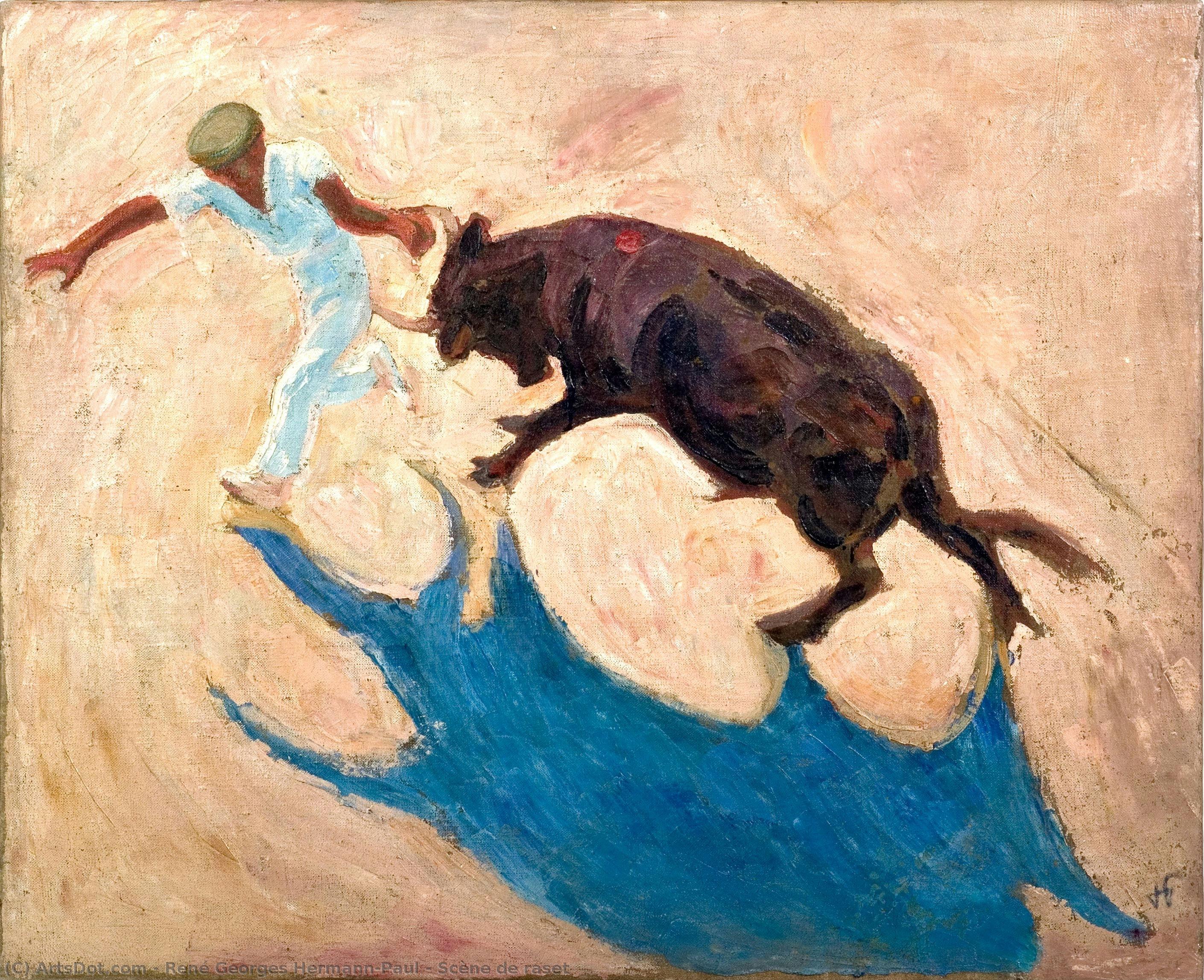
Scène de raset
 Painting
- Expressionism
 Modern
 5.0 x 79.0 cm
 Musée des Cultures Taurines
 Читать далее
Жикле / Арт-принт
Печать (жикле) или холст музейного качества с быстрыми сроками изготовления и широким выбором вариантов отделки. ( Купить картину ручной работы Перейти к цифровым изображениям)




P118B $10

P118H $10

P118W $10

P438Z $10

P508JH $12

P508YH $12

P805H $10

P805Z $10

P919BZ $10

P919G $10

P919XJ $10

P959ZH $10

P968JZ $12

W106C $8

W218G $10

W218JH $8

W218Y $10

W307PJ $10

W316G $10

W316PJ $8

W316Y $10

W398PJ $8

W4111J $10

W500HY $15

W500JH $15

W692G $12

W849H $8

W940BG $15

W953PJ $8




Выберите один из наших стандартных размеров, соответствующих оригинальным пропорциям произведения искусства.

Вы можете указать свои собственные размеры, чтобы репродукция идеально подошла под конкретную раму или пространство. Если выбранный вами размер не будет соответствовать пропорциям оригинала, мы либо обрежем произведение, либо дополним изображение зеркальным отражением краев или однотонной заливкой. Перед началом производства вам будет отправлен цифровой макет для утверждения.
Пожалуйста, обратите внимание, что предварительный просмотр на экране не отображает фактическую обрезку или расширение изображения. Только макет точно покажет финальную композицию.
Несмотря на возможность заказа индивидуальных размеров, мы рекомендуем выбирать размер из предопределенного списка, чтобы сохранить оригинальные пропорции.
Доставка по всему миру () за 2 недели вместо стандартных 4/5 недель. (12 Сентябрь)

Бесплатная экспресс-доставка по всему миру

Высококачественный льняной холст

Полное страхование доставки

Гарантия возмещения таможенных пошлин

Гарантия точного соответствия цветов

100-дневная политика возврата (только при обнаружении дефектов)

Гарантия возврата 100% средств

Предложение оптовых скидок
 Вариант со стеклом доступен только для размеров менее 110 см

Scène de raset
Жикле / Арт-принт
Размер репродукции
-


Итоговая стоимость
$ 62
The Drama of the Arena: A Moment Frozen in Time
In the heart of the bullring, where life and death dance on the edge of a blade, René Georges Hermann-Paul captures a singular, breathless moment in Scène de raset. This evocative work transcends mere documentation of a spectacle; it is an immersive descent into the raw tension of the bullfight. The composition centers on the visceral confrontation between the matador and the charging bull, a struggle rendered with such kinetic energy that the viewer can almost hear the heavy breathing of the beast and the rustle of the cloth. Clad in traditional white attire accented by a striking red sash, the matador stands as a pillar of focused intensity. His posture is a masterclass in controlled readiness, poised between the grace of the dance and the lethal necessity of the strike. Opposite him, the bull emerges from the shadows, a powerful force of nature depicted with taut muscles and pointed horns that direct the eye straight toward the center of the conflict.
The painting’s atmosphere is heightened by a surreal, almost dreamlike backdrop. A sweeping blue arch or wave dominates the upper portion of the canvas, acting as a metaphorical barrier that separates the earthly struggle from the infinite. This abstract element lends the piece an expressionist quality, moving away from strict realism to embrace a more profound emotional truth. The deep, nocturnal blues provide a stark, dramatic contrast to the bright whites and blood-red accents of the matador’s costume, creating a visual rhythm that mirrors the heartbeat of the spectator. It is this interplay of light and shadow, of solid form and fluid abstraction, that elevates the work from a genre scene to a profound meditation on courage and fate.
A Legacy of Expression and Social Insight
To understand the soul of Scène de raset, one must look to the hands of its creator, René Georges Hermann-Paul. A master of line and emotion, Hermann-Paul’s journey through the French art world was marked by a unique ability to blend social satire with deep, atmospheric painting. While he first gained renown as a sharp-witted illustrator for iconic Parisian periodicals like Le Rire—where his caricatures poked fun at the foibles of the bourgeoisie—his later works moved toward the more primal and elemental. His connection to the landscapes of the Camargue and the intense traditions of Southern France allowed him to explore themes of power, nature, and human bravery with unparalleled authenticity.
The technique employed in this piece reflects a sophisticated use of bold brushstrokes and a saturated palette, reminiscent of the expressive movements that flourished during his era. There is no room for unnecessary detail here; instead, every stroke serves to emphasize the emotional weight of the scene. For the discerning collector or interior designer, this painting offers more than just aesthetic beauty; it provides a focal point of profound narrative depth. Whether placed in a contemporary gallery setting or a classic study, Scène de raset commands attention, inviting viewers to contemplate the eternal struggle between human will and the untamed forces of the world.
Похожие произведения
Биография художника
René Georges Hermann-Paul: Life and Legacy
Early Life and Artistic Beginnings
Born in Paris in 1864, René Georges Hermann-Paul emerged as a significant figure in the French art scene during a period of rapid social and artistic change. He passed away in Saintes-Maries-de-la-Mer in 1940. From an early age, he demonstrated a keen eye for observation and a talent for capturing the nuances of Parisian life.
Illustrator and Social Satirist
Hermann-Paul initially gained recognition as a prolific illustrator. His work appeared in numerous newspapers and periodicals such as La Faridondaine, Le Courrier Français, and Le Rire. He quickly became known for his sharp wit and satirical depictions of French society. His early illustrations often targeted the bourgeoisie, exposing their foibles and hypocrisies with simple yet effective caricatures.
- He poked fun at all levels of Parisian society – rich and poor alike.
- His work was imbued with social criticism from the start.
Artistic Development and Influences
As Hermann-Paul transitioned from illustration to fine art, his style evolved. He experimented with various mediums including Ripolin enamel paint, watercolors, woodcuts, lithographs, drypoint engraving, oils, and ink. His artistic development was influenced by the prevailing movements of the time, including Art Nouveau and Intimism.
- He participated in exhibitions alongside artists like Vuillard, Matisse, and Toulouse-Lautrec.
- The “intimiste” style, characterized by intimate domestic scenes, played a role in his work.
Ripolin and Innovation
Around the eve of World War I, Hermann-Paul made a notable impression with his use of Ripolin enamel paint – a relatively new medium at the time. As noted by The Burlington Magazine for Connoisseurs, his exhibition pieces were remarkable for this innovative approach, combining large splashes of color with fine black lines.
World War I and Beyond
The outbreak of World War I profoundly impacted Hermann-Paul’s work. He documented both the tragedy and the absurdities of war through his art. After the war, he underwent further stylistic changes, eventually focusing on depictions of the Camargue region in southern France.
Major Achievements and Historical Significance
Hermann-Paul’s major achievements lie in his ability to blend social commentary with artistic innovation. He was a staunch defender of Captain Alfred Dreyfus, using his art as a platform for political activism. His work provides valuable insights into French society during a turbulent period.
- He contributed significantly to the development of satirical illustration and painting.
- His exploration of new mediums like Ripolin expanded the boundaries of artistic expression.
Legacy
Recent efforts to catalog Hermann-Paul’s work have revealed an artist of considerable scope and depth. While not as widely recognized as some of his contemporaries, he remains a significant figure in French art history, offering a unique perspective on the social and political landscape of his time.
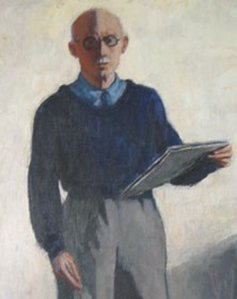
rené georges hermann-paul
1864 - 1940 , France
Основные сведения
- Birth Date: 1864
- Birth Place: Paris, France
- Death Date: 1940
- Movement:
- Art Nouveau
- Intimism
- Name: René Georges Hermann-Paul
- Nationality: French
- Notable Works: Vie de Monsieur Quelconque, Vie de Madame Quelconque
Похожие статьи
10 Шедевров Фовизма: Яркие краски и революция в искусстве | ArtsDot
Погрузитесь в мир фовизма! 10 шедевров Матисса, Дерена и других гениев. Узнайте историю ярких красок, революционных техник и вдохновения для вашего интерьера. Репродукции картин на ArtsDot.com

25 Шедевров Поля Сезанна: Открывая Новую Эру в Искусстве | ArtsDot
Откройте для себя 25 величайших шедевров Поля Сезанна! Узнайте истории создания картин импрессионизма и постимпрессионизма, технику художника и вдохновение для вашего интерьера. Репродукции картин Сезанна высокого качества на ArtsDot.com.
Рой Лихтенштейн: 25 шедевров поп-арта для вашего интерьера | ArtsDot
Откройте для себя 25 культовых работ Роя Лихтенштейна – ярких символов поп-арта! Узнайте историю создания шедевров, технику и вдохновение художника. Репродукции картин Лихтенштейна премиум-качества на ArtsDot.com. Идеальный декор для вашего интерьера.
Топ-10 шедевров экспрессионизма: картины, изменившие искусство | ArtsDot
Погрузитесь в мир экспрессионизма! Откройте 10 шедевров Мунка, Кирхнера и других гениев. Узнайте истории создания культовых картин и вдохновитесь для декора вашего дома. Репродукции музейного качества на ArtsDot.com
Смелые шедевры: Топ-10 произведений искусства для яркого интерьера от ArtsDot.com
Откройте для себя 10 смелых шедевров искусства – от Ван Гога до Пикассо! Узнайте истории художников, техники и вдохновение за культовыми работами. Купите репродукции картин высокого качества для вашего интерьера на ArtsDot.com.