

 Поделиться
 Поделиться
 Детали произведения

 Скачать
 Похожие работы
 Слайд-шоу
 Статистика
St Bruno


 Читать далее
Масляная репродукция ручной работы
Картина маслом на холсте в выбранном вами размере и раме, написанная на заказ нашими художниками. ( Перейти к печати Перейти к цифровым изображениям)




































Выберите один из наших стандартных размеров, соответствующих оригинальным пропорциям произведения искусства.

Вы можете указать собственные размеры, чтобы картина идеально вписалась в выбранную раму или пространство. Если выбранный вами размер не соответствует пропорциям оригинала, мы либо обрежем полотно, либо расширим его за счет дополнительных элементов, написанных вручную. Цифровой макет будет отправлен вам на утверждение перед началом производства.
Обратите внимание, что предварительный просмотр на экране не отражает фактическую обрезку или расширение. Только макет точно покажет окончательную композицию.
Хотя доступны индивидуальные размеры, мы рекомендуем выбирать вариант из предопределенного списка, чтобы сохранить исходные пропорции.
После оформления заказа команда ArtsDot.com свяжется с клиентом по электронной почте для уточнения деталей и предоставит предварительный макет
Доставка по всему миру () за 3–4 недели вместо стандартных 5 недель. (11 Сентябрь). Без компромиссов в качестве.

Бесплатная экспресс-доставка по всему миру

Высококачественный льняной холст

Полное страхование доставки

Гарантия возмещения таможенных пошлин

Гарантия точного соответствия цветов

100-дневная политика возврата (только при обнаружении дефектов)

Гарантия возврата 100% средств

Предложение оптовых скидок
 Вариант со стеклом доступен только для размеров менее 110 см

St Bruno
Техника репродукции
Размер репродукции
-


Итоговая стоимость
$ 263
St. Bruno: A Baroque Meditation on Faith and Mortality
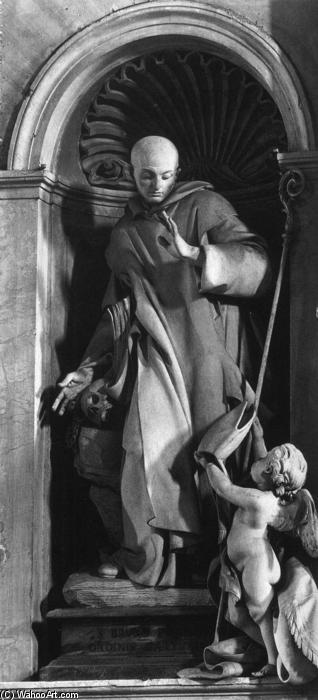
René-Michel Slodtz’s “St. Bruno,” executed in 1744, is not merely a sculpture; it's a profound distillation of Baroque artistry—a moment captured in marble that speaks volumes about faith, contemplation, and the human condition. This arresting work, currently available as a meticulously crafted hand-painted reproduction by ArtsDot.com, invites viewers into a world of dramatic light, intricate detail, and deeply felt emotion. The sculpture depicts St. Bruno, the founder of the Carthusian Order, within an elegantly arched niche, a setting that immediately evokes the grandeur and spiritual intensity characteristic of 18th-century French art.
Slodtz’s artistic lineage is clearly rooted in the Roman Baroque tradition, particularly the work of Bernini. The dynamism of the composition—the assertive verticality of Bruno's form contrasted with the gentle curve of the archway—mirrors the theatrical gestures and emotional expressiveness found in Bernini’s sculptures. However, Slodtz imbues his subject with a distinctly French sensibility: a restrained elegance, a focus on refined detail, and an underlying sense of decorum that balances the exuberance of the Baroque style. The sculpture's placement within the niche itself is significant, framing Bruno as a figure of both authority and humility—a testament to the Order’s commitment to solitude and prayer.
A Study in Light and Shadow: Technique and Material
The remarkable realism of “St. Bruno” stems from Slodtz's masterful command of marble carving and his astute understanding of light and shadow, or *chiaroscuro*. The sculptor expertly manipulates the texture of the stone to create a sense of weight and volume, emphasizing the solidity of Bruno’s body while simultaneously suggesting the ethereal quality of his spiritual state. Notice how the strong frontal lighting highlights the folds of his robe, revealing intricate details of the carving—the subtle wrinkles, the delicate stitching—and casting deep shadows that accentuate the contours of his face and hands. This dramatic interplay of light and dark not only enhances the sculpture’s three-dimensionality but also imbues it with a sense of drama and emotional intensity.
The choice of marble itself is crucial to the work's impact. The cool, pale hue of the stone lends an air of serenity and solemnity to the scene, while its inherent luminosity allows Slodtz to create a remarkable range of tonal values—from the deepest blacks in the shadows to the subtle highlights on Bruno’s skin. The meticulous polishing of the surface further enhances this effect, creating a shimmering quality that draws the eye and invites prolonged contemplation.
Symbolism and Spiritual Resonance
Beyond its technical brilliance, “St. Bruno” is rich in symbolic meaning. The figure's pose—standing upright with his right hand resting on his hip—conveys an air of quiet dignity and self-assurance. The small angel clinging to his leg at the bottom right corner serves as a potent symbol of divine grace and protection, underscoring the saint’s connection to God. However, it is Bruno's gesture – the deliberate rejection of the miter and staff offered by the cherub – that holds the most profound significance. This act represents a conscious choice to embrace poverty and renounce worldly power in favor of a life dedicated to prayer and contemplation—a core tenet of the Carthusian Order.
The inclusion of the skull, subtly suggested by the hand gesture, serves as a poignant reminder of mortality and the transience of earthly existence. It’s a stark contrast to the youthful appearance of Bruno's body, highlighting the spiritual journey he has undertaken—a journey toward eternal salvation. The sculpture, therefore, is not simply a portrait of a saint; it’s an allegory for the human search for meaning and purpose in life.
A Timeless Masterpiece: Reproduction and Beyond
ArtsDot.com's hand-painted reproduction captures the essence of Slodtz’s original masterpiece with exceptional fidelity. The meticulous attention to detail—the nuanced tonal values, the subtle textures—replicates the sculpture’s dramatic lighting and emotional intensity with remarkable accuracy. This reproduction offers a beautiful and accessible way to experience this timeless work of art, bringing its profound symbolism and artistic beauty into any home or office space. Consider it not just an image, but a portal to a world of faith, contemplation, and enduring artistry.
Похожие произведения
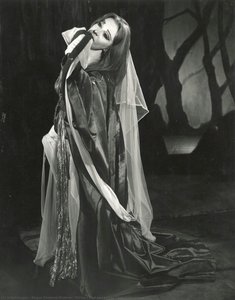
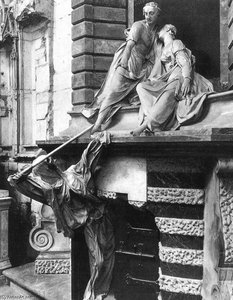
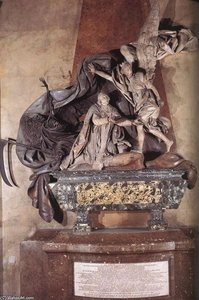
Биография художника
Luca Giordano: The Whirlwind Painter of Baroque Italy
Luca Giordano, a name synonymous with dazzling speed and vibrant color, stands as one of the most remarkable figures in 17th-century Italian art. Born in Naples in 1634, he quickly established himself not just as a painter but as a phenomenon – a “Fa Presto,” or ‘works quickly’ artist, renowned for his astonishing ability to complete commissions with breathtaking rapidity. His career spanned over four decades, taking him from the bustling streets of Naples to the grand courts of Rome, Venice, Madrid, and Florence, leaving behind a legacy of dramatic narratives, opulent interiors, and an unparalleled mastery of color and movement. This biography delves into the life, work, and enduring influence of this extraordinary artist.Early Training and Neapolitan Roots
Luca Giordano’s artistic journey began under the tutelage of Giuseppe de Ribera, a leading figure in the Neapolitan Baroque school. Ribera's dark, dramatic style – heavily influenced by Caravaggio – profoundly shaped Giordano’s early development. However, Giordano quickly surpassed his teacher, developing a distinctive approach characterized by an exuberant palette, dynamic compositions, and a remarkable gift for capturing fleeting moments of emotion. His Neapolitan upbringing instilled in him a deep appreciation for the local artistic traditions, particularly the theatricality and emotional intensity prevalent in the city’s painting scene. This foundation, combined with his innate talent and tireless work ethic, propelled him to rapid success. The nickname “Fa Presto” wasn't merely boastful; it reflected a genuine ability to execute complex works within remarkably short timeframes – a skill that became legendary throughout Europe.Style and Influences: A Synthesis of Masters
Giordano’s style was a fascinating synthesis of influences, skillfully blending the dramatic realism of Caravaggio with the elegance and grace of Roman and Venetian masters. He absorbed the anatomical precision of Annibale Carracci, the architectural grandeur of Pietro da Cortona, and the atmospheric perspective of Venetian painters like Titian. Crucially, he didn’t simply imitate these artists; instead, he internalized their techniques and translated them into his own unique visual language. His paintings are characterized by a loose, painterly brushstroke, an intense use of color – particularly reds, golds, and blues – and a dynamic sense of movement. He was adept at creating illusions of depth and space, often employing dramatic lighting to heighten the emotional impact of his scenes. His work frequently depicted religious subjects, mythological narratives, and grand historical events, all rendered with a theatrical flair that captivated audiences.Major Works and Commissions
Giordano’s prolific output resulted in a vast body of work, encompassing paintings, frescoes, and numerous modelli – detailed preparatory drawings for larger projects. Among his most celebrated achievements are the monumental ceiling frescoes he executed at the Palazzo Medici-Riccardi in Florence (1682–85), particularly the series depicting the Cardinal Virtues. These works exemplify Giordano’s mastery of scale and his ability to create immersive, visually stunning environments. The “Apotheosis of the Medici” is a prime example, showcasing his dramatic use of color and composition. He also produced numerous portraits for wealthy patrons, including the lavish "Bacchus and Ariadne" (1674–77) for the Rosso family in Florence – a vibrant interpretation of Titian’s masterpiece that demonstrates his innovative approach to established themes. His work in Madrid, particularly during his time at the court of Philip IV, included numerous portraits and historical scenes reflecting the Spanish court's tastes.Legacy and Historical Significance
Luca Giordano’s impact on 18th-century art was profound. His remarkable speed and technical skill influenced a generation of Neapolitan painters, shaping the development of Baroque painting in the region. His dynamic compositions and vibrant color palettes paved the way for later artists, including those associated with Rococo. While often overshadowed by more austere figures like Caravaggio, Giordano’s exuberant style and theatrical flair secured his place as one of the most important and beloved artists of the Baroque period. His legacy continues to be celebrated through reproductions of his works, such as those offered by ArtsDot.com, allowing audiences worldwide to appreciate the brilliance and dynamism of this extraordinary “Fa Presto” painter. His work stands as a testament to the power of speed, skill, and imagination in the hands of a truly exceptional artist.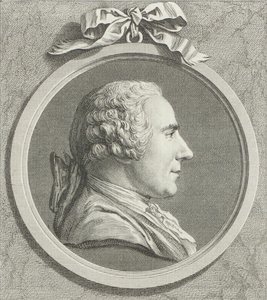
rené michel slodtz (michel ange slodtz)
1705 - 1764 , France
Основные сведения
- Artistic Movement Or Style: Baroque
- Artists Or Movements Influenced By This Artist:
- Annibale Carracci
- Caravaggio
- Artists Who Influenced This Artist:
- Jusepe de Ribera
- Albrecht Dürer
- Titian
- Paolo Veronese
- Date Of Birth: 1634
- Date Of Death: 1705
- Full Name: Luca Giordano
- Nationality: Italian
- Notable Artworks:
- Death of Seneca
- Death of Archimedes
- Bacchus and Ariadne
- Place Of Birth: Naples, Italy
Похожие статьи

The Enduring Form: Sculpture Across History, Technique & Emotional Resonance
Explore the rich history of sculpture with ArtsDot. Discover key techniques, influential artists & investment potential for discerning collectors. Expert insights into valuing and collecting timeless masterpieces.

The Enduring Form: Exploring Themes & Techniques in Sculpture Across Historical Periods
Explore the rich history of sculpture from ancient masterpieces to contemporary innovations. Discover key techniques, influential artists & investment potential for discerning art collectors.

10 легендарных бронзовых шедевров, изменивших искусство | ArtsDot
Погрузитесь в мир великих бронзовых шедевров! От Давида Донателло до Мыслителя Родена – узнайте историю создания, технику и значение легендарных скульптур. Вдохновение для интерьера и музейное качество репродукций на ArtsDot.com.

10 легендарных бронзовых скульптур, изменивших искусство навсегда | ArtsDot
Погрузитесь в мир великих бронзовых скульптур! От Давида Микеланджело до работ Родена – история искусства, техники и вдохновения. Купите репродукции шедевров для вашего интерьера на ArtsDot.com

Theatricality & Triumph: Baroque Drama in Painting & Sculpture
Explore the dramatic world of Baroque art! Discover its history, defining characteristics, & lasting influence on painting & sculpture. Expert insights into Caravaggio, Zurbarán, and Bernini – plus high-quality reproductions at ArtsDot.