

 Предпросмотр
 Поделиться
 Поделиться
 Детали произведения

 Скачать
 Похожие работы
 Рентгенография
 Слайд-шоу
 Статистика
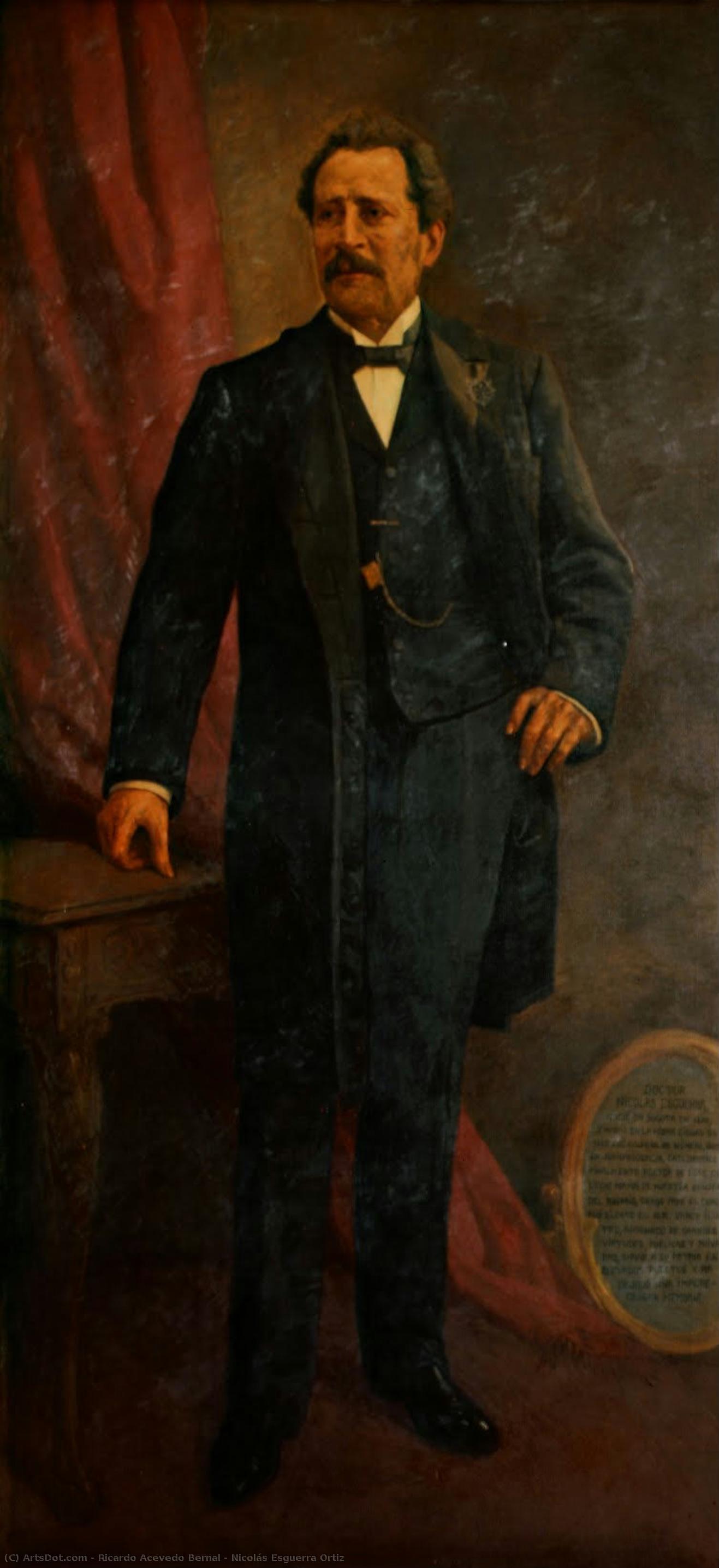
Nicolás Esguerra Ortiz
 Oil
Oil- WallArt
 19th Century
 196.0 x 95.0 cm
 Museo de la Universidad del Rosario
 Читать далее
Масляная репродукция ручной работы
Картина маслом на холсте в выбранном вами размере и раме, написанная на заказ нашими художниками. ( Перейти к печати Перейти к цифровым изображениям)




P118B $10

P118H $10

P118W $10

P438Z $10

P508JH $12

P508YH $12

P805H $10

P805Z $10

P919BZ $10

P919G $10

P919XJ $10

P959ZH $10

P968JZ $12

W106C $8

W218G $10

W218JH $8

W218Y $10

W307PJ $10

W316G $10

W316PJ $8

W316Y $10

W398PJ $8

W4111J $10

W500HY $15

W500JH $15

W692G $12

W849H $8

W940BG $15

W953PJ $8




Выберите один из наших стандартных размеров, соответствующих оригинальным пропорциям произведения искусства.

Вы можете указать собственные размеры, чтобы картина идеально вписалась в выбранную раму или пространство. Если выбранный вами размер не соответствует пропорциям оригинала, мы либо обрежем полотно, либо расширим его за счет дополнительных элементов, написанных вручную. Цифровой макет будет отправлен вам на утверждение перед началом производства.
Обратите внимание, что предварительный просмотр на экране не отражает фактическую обрезку или расширение. Только макет точно покажет окончательную композицию.
Хотя доступны индивидуальные размеры, мы рекомендуем выбирать вариант из предопределенного списка, чтобы сохранить исходные пропорции.
После оформления заказа команда ArtsDot.com свяжется с клиентом по электронной почте для уточнения деталей и предоставит предварительный макет
Доставка по всему миру () за 3–4 недели вместо стандартных 5 недель. (10 Сентябрь). Без компромиссов в качестве.

Бесплатная экспресс-доставка по всему миру

Высококачественный льняной холст

Полное страхование доставки

Гарантия возмещения таможенных пошлин

Гарантия точного соответствия цветов

100-дневная политика возврата (только при обнаружении дефектов)

Гарантия возврата 100% средств

Предложение оптовых скидок
 Вариант со стеклом доступен только для размеров менее 110 см

Nicolás Esguerra Ortiz
Техника репродукции
Размер репродукции
-


Итоговая стоимость
$ 263
A Portrait of Dignity: The Presence of Nicolás Esguerra Ortiz
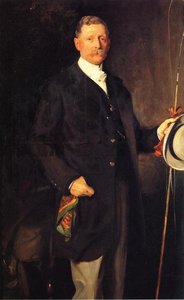
In the quiet, commanding presence of Nicolás Esguerra Ortiz, we encounter more than just a mere likeness; we meet a moment frozen in time, captured with the meticulous devotion of Ricardo Acevedo Bernal. This striking portrait presents a gentleman of unmistakable distinction, standing poised beside a heavy, crimson curtain that lends an air of theatrical importance to the composition. Clad in a sharp black suit and accented by a formal bow tie, the subject exudes a sense of era-defining sophistication. The artist’s ability to render the fine textures of the fabric, the subtle sheen of the gentleman's attire, and the precise details of his facial features—most notably a well-groomed mustache—creates an intimate connection between the viewer and the sitter. As he holds a cane, a symbol of both status and stability, the painting transcends simple portraiture to become a study in character and social standing.
The technical mastery displayed in this work lies in its profound use of depth and light. Bernal utilizes a rich, saturated palette, where the deep reds of the background drapery serve as a dramatic foil to the monochromatic elegance of the subject's clothing. This interplay of color does not merely decorate the scene but directs the eye toward the focal point: the man himself. The inclusion of two chairs flanking the composition suggests a formal, perhaps even ceremonial, setting—a room designed for gathering, conversation, and the quiet exercise of influence. Through delicate brushwork, the artist captures the tactile reality of the scene, from the weight of the velvet curtains to the structural elegance of the furniture, inviting the observer to step into this historical interior.
For the discerning collector or the interior designer, this painting offers a timeless infusion of prestige and warmth. It is a piece that commands attention in a grand study, a sophisticated library, or a formal dining hall, providing a sense of historical continuity and intellectual depth. The emotional impact of the work is one of reverence and nostalgia; it evokes an era of etiquette and composed grace. Whether as a centerpiece for a curated gallery wall or as a standalone statement of classic elegance, a high-quality reproduction of this masterpiece brings with it the soul of Colombian portraiture, offering a window into a vanished world of refinement and enduring dignity.
Похожие произведения

Биография художника
Pierre Bonnard: A Painter of Intimate Light
Born in Fontenay-aux-Roses, a charming suburb just outside Paris, on October 3rd, 1867, Pierre Bonnard was not initially destined for the art world. His father, Eugène Bonnard, held a position within the French Ministry of War, and young Pierre was steered towards a legal career – he even earned a license in law. However, a deep-seated passion for drawing and watercolor, nurtured by his mother, Élisabeth Mertzdorff, and further encouraged during childhood excursions to their family’s country estate, ultimately led him down a different path. This early exposure to the beauty of nature and the tactile pleasure of creating images would profoundly shape his artistic vision.
Bonnard's formal training began at the Académie Julian in Paris, where he encountered fellow artists who would become lifelong friends and collaborators – Paul Sérusier, Édouard Vuillard, and later, Maurice Denis. These formative years were crucial, exposing him to the burgeoning artistic currents of the time and providing a foundation for his distinctive style. He was particularly influenced by the works of Impressionism, but quickly moved beyond its limitations, seeking a more subjective and emotionally resonant approach.
A pivotal moment in Bonnard’s development occurred with his encounter with the *Nabis* group – “The Prophets” – a collective of avant-garde artists who rejected academic conventions and sought to express their inner visions through color and form. Inspired by the prints of Hokusai, particularly the dynamic compositions and bold use of perspective, Bonnard embraced this radical approach, experimenting with flattened space, simplified forms, and an intense palette. This period saw him move away from realistic representation towards a more decorative and symbolic language.
The Nabis and Early Innovations
Joining the *Nabis* in 1888, Bonnard’s work began to shift dramatically. He moved beyond mere observation of reality, instead focusing on capturing fleeting moments of emotion and atmosphere. His early paintings often depicted domestic scenes – interiors filled with comfortable furniture, intimate portraits of family members, and glimpses of Parisian life. These works are characterized by a remarkable sensitivity to light and color, as Bonnard skillfully manipulated hues to evoke specific moods and sensations.
Bonnard’s use of color was revolutionary for his time. He abandoned the traditional Impressionist emphasis on capturing optical effects, instead employing color not just to represent objects but to express feelings and ideas. His palette became increasingly bold and expressive, utilizing vibrant reds, yellows, and blues to create a sense of warmth, intimacy, and emotional intensity. He often layered colors in unexpected combinations, creating shimmering surfaces that seemed to vibrate with life.
His early works were heavily influenced by Paul Gauguin’s use of color and symbolism, but Bonnard quickly developed his own unique style, characterized by a delicate balance between decorative elegance and emotional depth. He was particularly interested in exploring the relationship between light and shadow, often depicting objects bathed in soft, diffused light that seemed to emanate from within.
Mature Style and Recurring Themes
As Bonnard matured as an artist, his style continued to evolve, becoming increasingly refined and expressive. He began to experiment with new techniques, such as collage and printmaking, incorporating found objects and fragments of images into his paintings. His subject matter remained largely focused on domestic scenes and portraits, but he developed a distinctive visual language that was both intimate and evocative.
Recurring themes in Bonnard’s work include the beauty of everyday life, the joys and sorrows of family relationships, and the fleeting nature of time. He often depicted figures engaged in simple activities – reading, playing music, or simply enjoying each other's company – capturing a sense of quiet contentment and emotional connection. His paintings are imbued with a subtle melancholy, reflecting his own personal experiences and observations of the human condition.
Despite facing criticism during his lifetime for his unconventional style, Bonnard’s work gradually gained recognition as a major contribution to modern art. His innovative use of color, light, and form paved the way for future generations of artists, and his paintings continue to resonate with viewers today for their beauty, intimacy, and emotional depth.
Legacy and Influence
Pierre Bonnard died in La Route de Serra Capeou on January 23rd, 1947, at the age of 79. His legacy as one of the most important figures in modern art is firmly established. His influence can be seen in the work of countless artists who followed him, including Matisse, Dufy, and Nollet. Bonnard’s emphasis on color, emotion, and personal expression helped to break down the boundaries between painting and decoration, paving the way for a more subjective and expressive approach to art.
Today, Bonnard's paintings are exhibited in major museums around the world, including the Musée d'Orsay in Paris and the Metropolitan Museum of Art in New York. His work is celebrated for its beauty, originality, and enduring appeal, solidifying his place as a true master of modern art.
ricardo acevedo bernal
1867 - 1930 , Colombia
Основные сведения
- Artistic Movement Or Style: Post-Impressionism, Nabis
- Artists Or Movements Influenced By This Artist:
- Henri Matisse
- Pablo Picasso
- Artists Who Influenced This Artist:
- Paul Gauguin
- Hokusai
- Date Of Birth: 1867-10-03
- Date Of Death: 1947-01-23
- Full Name: Pierre Bonnard
- Nationality: French
- Notable Artworks:
- La Route de Serra Capeou
- Mont Sainte-Victoire
- The Large Format Basket of Apples
- Place Of Birth: Fontenay-aux-Roses, France
Похожие статьи
Топ-10 шедевров в тонах слоновой кости и черного: искусство, вдохновляющее интерьер
Погрузитесь в мир искусства с 10 шедеврами, где слоновая кость и черный создают завораживающие образы. Узнайте истории великих художников и вдохновитесь для создания уникального интерьера. Репродукции картин высокого качества на ArtsDot.com – искусство для вашего дома! Explore the full collection o
Марк Ротко: 25 шедевров абстрактного экспрессионизма для вашего интерьера | ArtsDot
Погрузитесь в мир Марка Ротко! 25 шедевров абстрактного экспрессионизма, полных эмоций и цвета. Узнайте историю создания культовых картин и найдите идеальную репродукцию для вашего интерьера на ArtsDot.com.
Топ-10 шедевров в оттенках черного: искусство, история и декор с ArtsDot
Погрузитесь в мир великих шедевров, где черный цвет – символ страсти и драмы. От Караваджо до Мунка, откройте историю искусства с ArtsDot. Купите репродукции картин онлайн и преобразите свой интерьер! Explore the full collection on ArtsDot.com

Crimson Threads of Narrative: Exploring Symbolism & Representation in Artworks Featuring the Red Dress
Explore the rich symbolism of the red dress in art history! From ancient power displays to iconic portraits like Cézanne’s 'Madame Cezanne', discover the cultural and artistic significance behind this captivating color. Expert analysis & insights.

Топ-10 знаменитых картин в черных тонах: шедевры искусства для вашего интерьера
Погрузитесь в мир темных шедевров! Топ-10 знаменитых картин в черных тонах от Гойи, Рембрандта и Мунка. История искусства, техники живописи и вдохновение для вашего интерьера. Купите репродукции высокого качества на ArtsDot.com