

 Предпросмотр
 Поделиться
 Поделиться
 Детали произведения

 Скачать
 Похожие работы
 Рентгенография
 Слайд-шоу
 Статистика
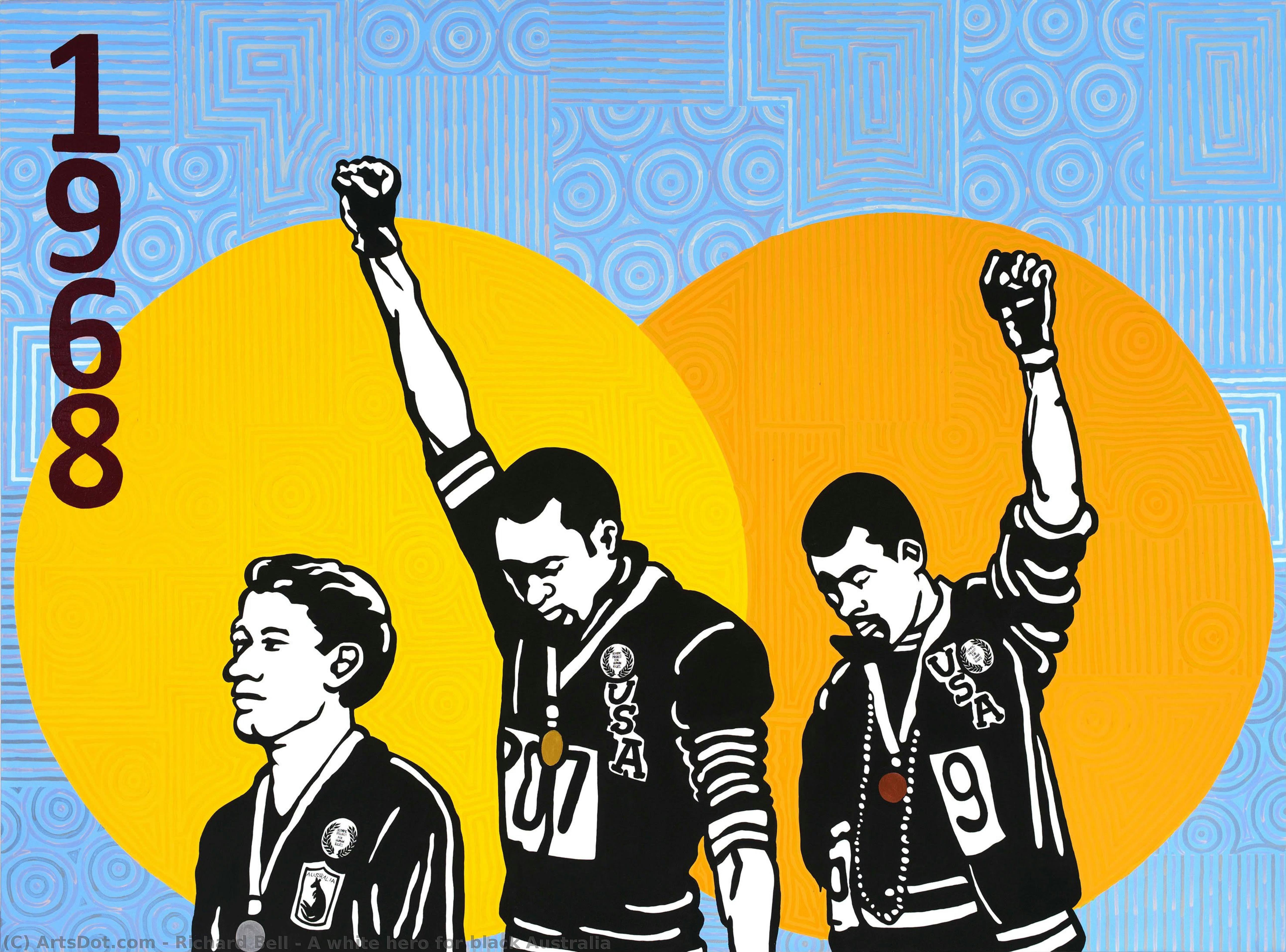
A white hero for black Australia
 Painting
- Pop Art
 2011
2011- Contemporary
 176.0 x 250.0 cm
 Ian Potter Museum of Art
 Читать далее
Жикле / Арт-принт
Печать (жикле) или холст музейного качества с быстрыми сроками изготовления и широким выбором вариантов отделки. ( Купить картину ручной работы Перейти к цифровым изображениям)




P118B $10

P118H $10

P118W $10

P438Z $10

P508JH $12

P508YH $12

P805H $10

P805Z $10

P919BZ $10

P919G $10

P919XJ $10

P959ZH $10

P968JZ $12

W106C $8

W218G $10

W218JH $8

W218Y $10

W307PJ $10

W316G $10

W316PJ $8

W316Y $10

W398PJ $8

W4111J $10

W500HY $15

W500JH $15

W692G $12

W849H $8

W940BG $15

W953PJ $8




Выберите один из наших стандартных размеров, соответствующих оригинальным пропорциям произведения искусства.

Вы можете указать свои собственные размеры, чтобы репродукция идеально подошла под конкретную раму или пространство. Если выбранный вами размер не будет соответствовать пропорциям оригинала, мы либо обрежем произведение, либо дополним изображение зеркальным отражением краев или однотонной заливкой. Перед началом производства вам будет отправлен цифровой макет для утверждения.
Пожалуйста, обратите внимание, что предварительный просмотр на экране не отображает фактическую обрезку или расширение изображения. Только макет точно покажет финальную композицию.
Несмотря на возможность заказа индивидуальных размеров, мы рекомендуем выбирать размер из предопределенного списка, чтобы сохранить оригинальные пропорции.
Доставка по всему миру () за 2 недели вместо стандартных 4/5 недель. (11 Сентябрь)

Бесплатная экспресс-доставка по всему миру

Высококачественный льняной холст

Полное страхование доставки

Гарантия возмещения таможенных пошлин

Гарантия точного соответствия цветов

100-дневная политика возврата (только при обнаружении дефектов)

Гарантия возврата 100% средств

Предложение оптовых скидок
 Вариант со стеклом доступен только для размеров менее 110 см

A white hero for black Australia
Жикле / Арт-принт
Размер репродукции
-


Итоговая стоимость
$ 62
Похожие произведения
Биография художника
A Life Forged in Activism: The Art of Richard Bell
Richard Bell, born in 1953 in the remote Queensland town of Charleville, is more than an artist; he’s a cultural provocateur, a political firebrand, and a vital voice within contemporary Australian art. His journey began not in art schools but amidst the stark realities faced by Indigenous Australians – realities of dispossession, systemic injustice, and misrepresented histories. Bell's identity as a member of the Kamilaroi, Kooma, Jiman, and Gurang Gurang communities is inextricably linked to his artistic practice, shaping both its content and its unwavering commitment to Aboriginal emancipation and self-determination. He didn’t seek art for art’s sake; he found it as a powerful tool to dismantle colonial narratives and ignite critical dialogue. Early experiences witnessing the disparities around him fueled a desire not just to represent Indigenous life but to actively challenge the structures that perpetuated inequality, setting the stage for a career defined by bold statements and uncompromising vision.Challenging Conventions: The Evolution of a Unique Aesthetic
Bell’s artistic development is marked by a deliberate rejection of conventional expectations surrounding Aboriginal art. Largely self-taught, he forged his own path, drawing inspiration from activism, political theory, and the everyday experiences of Indigenous communities. His work isn't easily categorized; it resists neat labels, blending painting, installation, video, and text into a multifaceted critique of Western artistic traditions and their relationship to Aboriginal culture. The series “Bell’s Theorem” exemplifies this approach – employing satire and irony to expose the commodification of Aboriginal art within the global market. Perhaps his most famous declaration, "Aboriginal Art – It's a White Thing," is not simply a provocative statement but a call for a fundamental re-evaluation of power dynamics and ownership within the art world. He masterfully appropriates Western styles—geometric abstraction, pop aesthetics—and subverts them with Indigenous symbolism and political messaging, creating works that are visually arresting yet deeply unsettling. This deliberate collision of worlds forces viewers to confront their own preconceptions and question the very foundations of artistic value.Major Achievements and Landmark Works
Bell’s impact extends far beyond individual artworks; he's a catalyst for change within the Australian art landscape. His receipt of the Telstra National Aboriginal Art Award in 2003 was a watershed moment, solidifying his position as a leading figure in contemporary art. However, it wasn’t simply recognition that defined his success but the works themselves. “The Sign Says It”, based on a historical photograph of Gurindji protestors marching for land rights, is a powerful example of his ability to transform personal narratives into universal statements about justice and resistance. The vibrant colors he employs elevate the image from monochrome documentation to a striking symbol of defiance. “Embassy,” perhaps his most iconic work, first created in 2013, is a restaging of the original Aboriginal Embassy established in Canberra in 1972—a pivotal moment in the Indigenous Land Rights Movement. This ongoing installation serves as a space for dialogue, protest, and the reclaiming of sovereignty, embodying Bell’s commitment to collective action and self-determination. His inclusion in major international exhibitions like the Moscow Biennale and the Jakarta Biennale further amplified his message, inviting global audiences to engage with the complexities of Australian history and Indigenous identity.A Legacy of Liberation: Historical Significance and Ongoing Influence
Richard Bell's historical significance lies not only in his artistic achievements but also in his unwavering commitment to using art as a vehicle for social change. He is a propagandist, as he self-identifies, believing that art should be actively engaged in challenging power structures and advocating for justice. His work has forced Australia to confront its colonial past and grapple with the ongoing consequences of dispossession and racism. He’s not merely documenting Indigenous experiences; he's actively shaping the narrative, reclaiming agency, and demanding recognition. Bell’s influence extends beyond the art world, inspiring a new generation of Indigenous artists and activists to challenge conventions and advocate for self-determination. He has mentored countless emerging artists, fostering a sense of collective empowerment and shared vision. His work continues to provoke dialogue, unsettle assumptions, and remind us that art can be a powerful force for liberation—a testament to the enduring legacy of an artist who dared to question everything.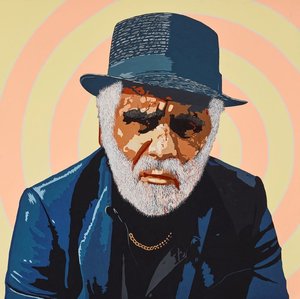
Richard Bell
1953 - , Australia
Основные сведения
- Artistic Movement Or Style: Liberation Art
- Date Of Birth: December 13, 1953
- Full Name: Richard Bell
- Nationality: Australian
- Notable Artworks:
- Scientia e metaphysica
- A white hero for black Australia
- Place Of Birth: Charleville, Australia
Похожие статьи
Топ-10 шедевров поп-арта: художники и культовые работы для интерьера
Поп-арт: 10 культовых работ Энди Уорхола, Роя Лихтенштейна и других художников. История создания, техники и влияние на современный декор интерьера. Репродукции картин высокого качества – ArtsDot.com.
Топ-10 шедевров в песочных тонах: искусство, вдохновляющее интерьер
Погрузитесь в мир искусства с нашей коллекцией из 10 шедевров в песочных тонах! Узнайте истории Моне, Ван Гога и других великих художников. Репродукции картин для вдохновения интерьера – на ArtsDot.com
Топ-10 знаменитых картин в "грибных" тонах: искусство для вашего интерьера
Погрузитесь в мир искусства с нашей коллекцией из 10 знаменитых картин в "грибных" тонах! Узнайте истории Моне, Ван Гога и других великих мастеров. Репродукции высокого качества для вашего интерьера на ArtsDot.com.
The Resonance of Earthly Tones: Exploring Nuance, History & Emotional Impact in Art
Explore the captivating world of earth tones in art! Discover historical context, emotional resonance & artistic techniques behind these timeless colors. Find inspiration for your home decor and museum-quality reproductions.
Топ-10 знаменитых картин в земляных тонах: искусство, история и декор от ArtsDot
Погрузитесь в мир знаменитых картин в земляных тонах! От Ван Гога до Моне – узнайте истории, техники и вдохновение великих мастеров. Купите репродукции высокого качества для вашего интерьера на ArtsDot.com