

 Предпросмотр
 Поделиться
 Поделиться
 Детали произведения

 Скачать
 Похожие работы
 Рентгенография
 Слайд-шоу
 Статистика
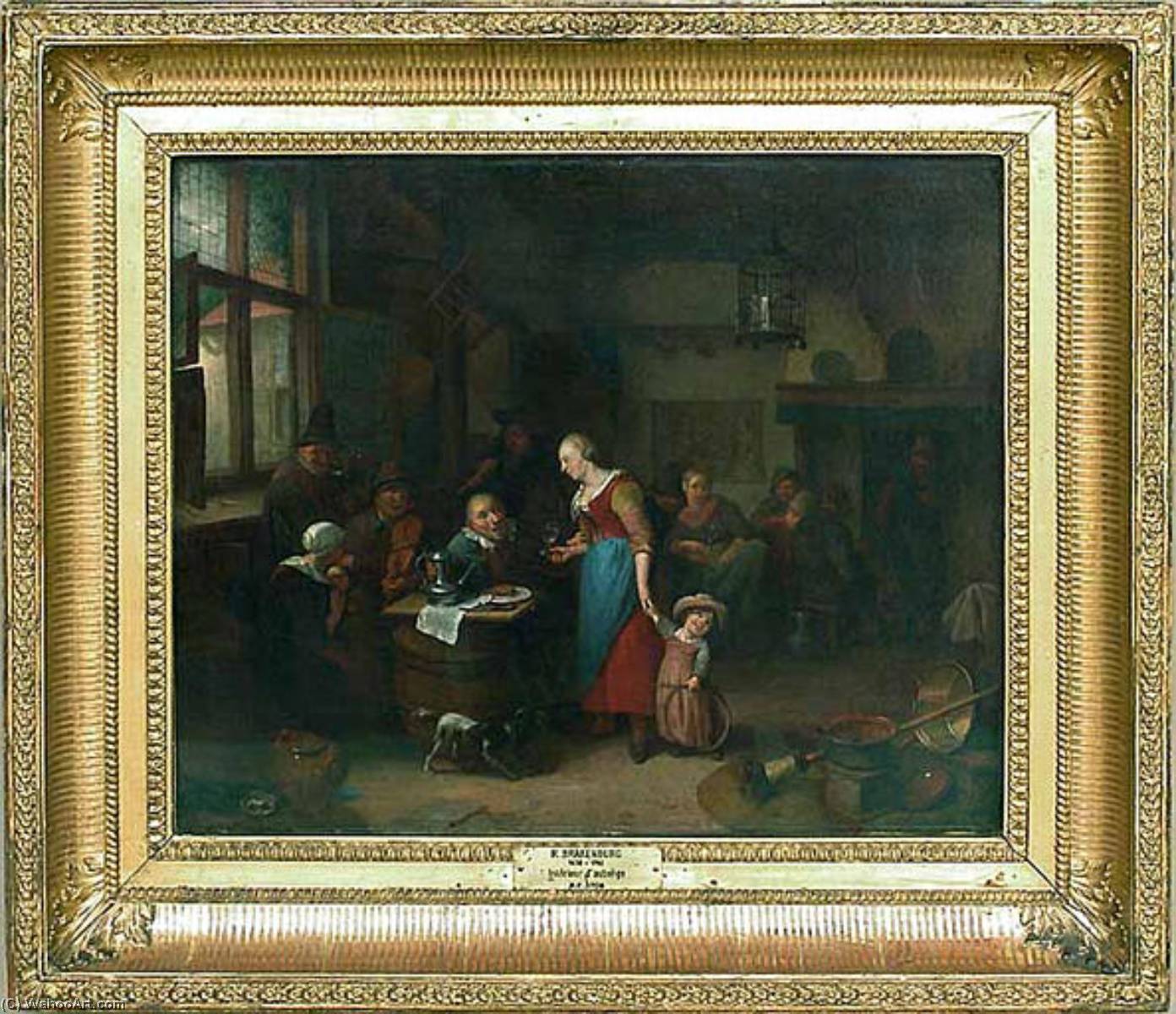
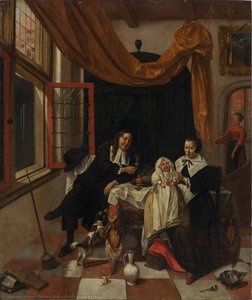
Intérieur d'auberge


 Читать далее
Приобретите цифровое изображение высокого разрешения в улучшенном качестве, которое значительно превосходит онлайн-превью.
Каждый файл тщательно подготавливается нашими специалистами с использованием передовых инструментов и экспертной ручной ретуши. Мы гарантируем исключительную четкость, точную цветопередачу и детальную проработку каждого изображения.
Финальный файл доставляется по электронной почте в течение 72 часов и оптимизирован для немедленного использования в профессиональной среде, при верстке и печати. Это тот же уровень качества, которому доверяют ведущие дизайнерские студии, издательства и галереи.
Цифровое изображение
Скачайте файл высокого разрешения для личного использования, печати и творческих проектов. ( Перейти к печати Купить картину ручной работы)
Включено в каждый заказ цифровых изображений
Гарантия экспертной цифровой доставки
Выбирая ArtsDot.com, вы получаете не просто изображение — вы приобретаете профессионально обработанное цифровое произведение искусства, созданное с безупречной точностью и под защитой гарантии качества. Вот всё, что автоматически входит в ваш заказ:

Мгновенная доставка по e-mail
Ваш цифровой файл в высоком разрешении будет отправлен вам по электронной почте в течение 72 часов после оформления заказа — и сразу станет доступен для использования.

Цифровой файл с ИИ-улучшением
Ваше произведение искусства проходит профессиональную оптимизацию с использованием передовых инструментов ИИ и ручной обработки, что гарантирует максимальную детализацию, четкость и точность цветопередачи.

Бессрочная бесплатная повторная доставка
Случайно удалили или потеряли файл? Не беспокойтесь — мы отправим его вам повторно в любое время и совершенно бесплатно.

Без импортных пошлин — навсегда
Наслаждайтесь вашим произведением искусства мгновенно без таможенных пошлин, сборов или затрат на доставку — цифровые загрузки всегда не облагаются налогом.

Гарантия точности цветопередачи
Мы гарантируем, что ваше цифровое изображение максимально точно передает оригинальные цвета благодаря использованию профессиональных инструментов и систем управления цветом.

Гарантия удовлетворенности 100 дней
Если вы не будете удовлетворены своим цифровым изображением, мы внесем правки или вернем 100% стоимости в течение 100 дней — без лишних вопросов.

100% Гарантия возврата средств
Не удовлетворены покупкой? Получите полный возврат средств в течение 100 дней после получения цифрового файла — без лишних вопросов.

Скидки на оптовые заказы
Купите 3 изображения, сэкономьте 10% — Купите 5, сэкономьте 15% — Купите 10+, сэкономьте 20%. Отличное решение для творческих проектов, галерей и агентств.
A Window into the Golden Age: The Lively World of Richard Brakenburg
Step inside a moment frozen in time, where the warmth of a seventeenth-century Haarlem tavern envelops the senses. Intérieur d'auberge is far more than a mere depiction of a room; it is a vibrant, breathing snapshot of the Dutch Golden Age. Through the masterful eyes of Richard Brakenburg, we are invited to witness the social heartbeat of a prosperous era. The scene is thick with the hum of conversation, the clinking of vessels, and the shared conviviality of men gathered in pursuit of simple pleasures. As you gaze upon this masterpiece, you do not merely observe a painting; you inhabit a space where the boundaries between the viewer and the historical past dissolve into a singular, immersive experience.
The composition is a triumph of balanced energy. Brakenburg skillfully directs our eye through a crowded yet harmonious arrangement of figures clustered around heavy wooden tables and service counters. A young woman moves through the center, her presence providing a focal point of grace amidst the boisterous assembly. The artist utilizes linear perspective with remarkable precision, creating a profound sense of depth that draws us deeper into the dimly lit inn. Every element, from the receding planes of the architecture to the overlapping silhouettes of patrons, works in concert to establish a realistic spatial dimension that feels both intimate and expansive.
The Artistry of Light and Earthly Tones
Technically, Intérieur d'auberge is a masterclass in the use of chiaroscuro. Brakenburg employs a dramatic interplay of light and shadow to sculpt the figures and imbue the atmosphere with a sense of cozy mystery. Soft, diffused light filters into the room from unseen sources, catching the edges of glassware, the folds of rustic clothing, and the weathered textures of wooden furniture. This lighting does not merely illuminate; it creates emotion, casting gentle highlights that suggest the fleeting expressions of joy and contentment found in everyday life.
The color palette is a soulful tribute to the materials of the era. Dominated by rich, earthy hues—deep browns, warm ochres, and muted reds—the painting evokes the very essence of the tavern's rustic ambiance. These tones are punctuated by subtle whites and greys, providing just enough contrast to breathe life into the skin tones and fabrics. The brushwork, while controlled and smooth in its finish, retains a visible vitality that emphasizes the tactile reality of the scene, from the grain of the wood to the soft drape of a linen sleeve.
A Timeless Addition for the Discerning Collector
For the art lover, the collector, or the interior designer, this work offers an unparalleled opportunity to bring historical prestige and emotional warmth into a contemporary space. The painting’s subject matter—celebrating abundance, community, and the beauty of the mundane—makes it a versatile centerpiece. It possesses a unique ability to anchor a room, providing a sense of narrative depth and classical sophistication that modern art often lacks.
Whether placed in a grand library, a refined dining room, or a curated gallery wall, a high-quality reproduction of this Brakenburg treasure serves as a conversation piece that transcends generations. It is an investment in atmosphere, offering a permanent connection to the artistry and social splendor of the Dutch masters. To possess such a work is to hold a fragment of history, a beautifully rendered testament to the enduring human spirit and the timeless allure of shared joy.
Похожие произведения



Биография художника
Frans Hals: A Master of Lively Portraiture
Frans Hals (1582/83 – 1666) stands as a towering figure in the history of Dutch painting, not merely for his prolific output but for the remarkably immediate and vibrant quality he brought to his portraits. Often overshadowed by the more formally structured works of Rembrandt during his own lifetime, Hals’s legacy has experienced a dramatic resurgence in recent decades, solidifying his position as one of the most influential artists of the Golden Age. His paintings aren't simply representations; they are windows into moments, capturing fleeting expressions and the very essence of his subjects – be it a boisterous group of tavern revelers or a dignified civic official.
Born in Antwerp, Hals’s early life was shaped by the turbulent political landscape of the Netherlands. His family moved to Haarlem, a thriving commercial center and artistic hub, where he likely received some initial training before joining the local painters' guild in 1610. Unlike many artists who sought patronage from wealthy collectors or the court, Hals primarily catered to the needs of Haarlem’s civic institutions – town councils, guilds, and almshouses – providing them with group portraits that celebrated their achievements and reinforced their social standing. This focus on public commissions fostered a distinctive style, characterized by an extraordinary sense of immediacy and spontaneity.
Hals's technique was revolutionary for his time. He eschewed the meticulous blending and smooth surfaces favored by many of his contemporaries, opting instead for loose, visible brushstrokes that created a shimmering effect across the canvas. This “broken color” approach not only conveyed movement and vitality but also allowed him to capture subtle shifts in expression – a sly glance, a burst of laughter, or a moment of quiet contemplation. His use of light was equally dramatic, employing stark contrasts between dark and bright areas to draw attention to key features and create a sense of depth and drama. He frequently worked *alla prima*, directly on the wet canvas without preliminary sketches, resulting in an unparalleled freshness and energy in his paintings.
The Spectrum of Hals’s Subjects
While Hals is most celebrated for his group portraits – works like Merrymakers at Shrovetide (1616) and The Officers' Banquet (1619-1620) – he also produced a remarkable range of individual portraits, landscapes, and genre scenes. His portraits are particularly noteworthy for their psychological insight. He didn’t simply record the outward appearance of his subjects; instead, he sought to capture their inner lives, revealing their personalities through subtle gestures, expressions, and interactions. Self-Portrait in a Red Cap (1642) offers a rare glimpse into the artist's own character – a thoughtful, slightly melancholic figure contemplating his craft.
His landscapes, though fewer in number than his portraits, are equally captivating. Paintings like The Cheesemonger (c. 1637) demonstrate Hals’s ability to capture the atmosphere of a place and evoke a sense of mood through color and composition. He frequently depicted scenes from everyday life – market stalls, tavern gatherings, and street festivals – imbued with a lively realism that reflects the vibrant spirit of Haarlem.
Influences and Artistic Connections
Hals’s artistic development was shaped by a diverse range of influences. As mentioned earlier, he studied under Karel van Mander I, a Mannerist painter and art theorist who instilled in him a deep appreciation for classical antiquity. However, Hals also drew inspiration from the work of his contemporaries, including Hendrick Goltzius, whose graphic style influenced his early portraiture, and the great Flemish masters like Peter Paul Rubens and Titian. Notably, Hals’s work exerted a profound influence on a generation of French artists in the 19th century, particularly Courbet, Manet, Monet, Van Gogh, and Whistler, who were drawn to his loose brushwork, vibrant colors, and ability to capture fleeting moments of life.
Legacy and Historical Significance
Despite facing relative obscurity for centuries, Frans Hals’s reputation has experienced a remarkable revival in the 20th and 21st centuries. His paintings are now recognized as masterpieces of Dutch art, celebrated for their technical brilliance, psychological depth, and enduring vitality. Hals's innovative approach to portraiture – his willingness to capture not just likeness but also character and emotion – continues to inspire artists today. He remains a pivotal figure in the history of Western painting, demonstrating that true artistry lies not in meticulous detail or idealized beauty, but in the ability to convey genuine feeling and experience.
His work at the Frans Hals Museum in Haarlem provides an unparalleled opportunity for visitors to immerse themselves in the world of this extraordinary artist. The museum’s collection includes a vast majority of his paintings, as well as drawings and prints, offering a comprehensive overview of his artistic career and legacy.
Ричард Бракенбург
1650 - 1702 , Нидерланды