

 Предпросмотр
 Поделиться
 Поделиться
 Детали произведения

 Скачать
 Похожие работы
 Рентгенография
 Слайд-шоу
 Статистика
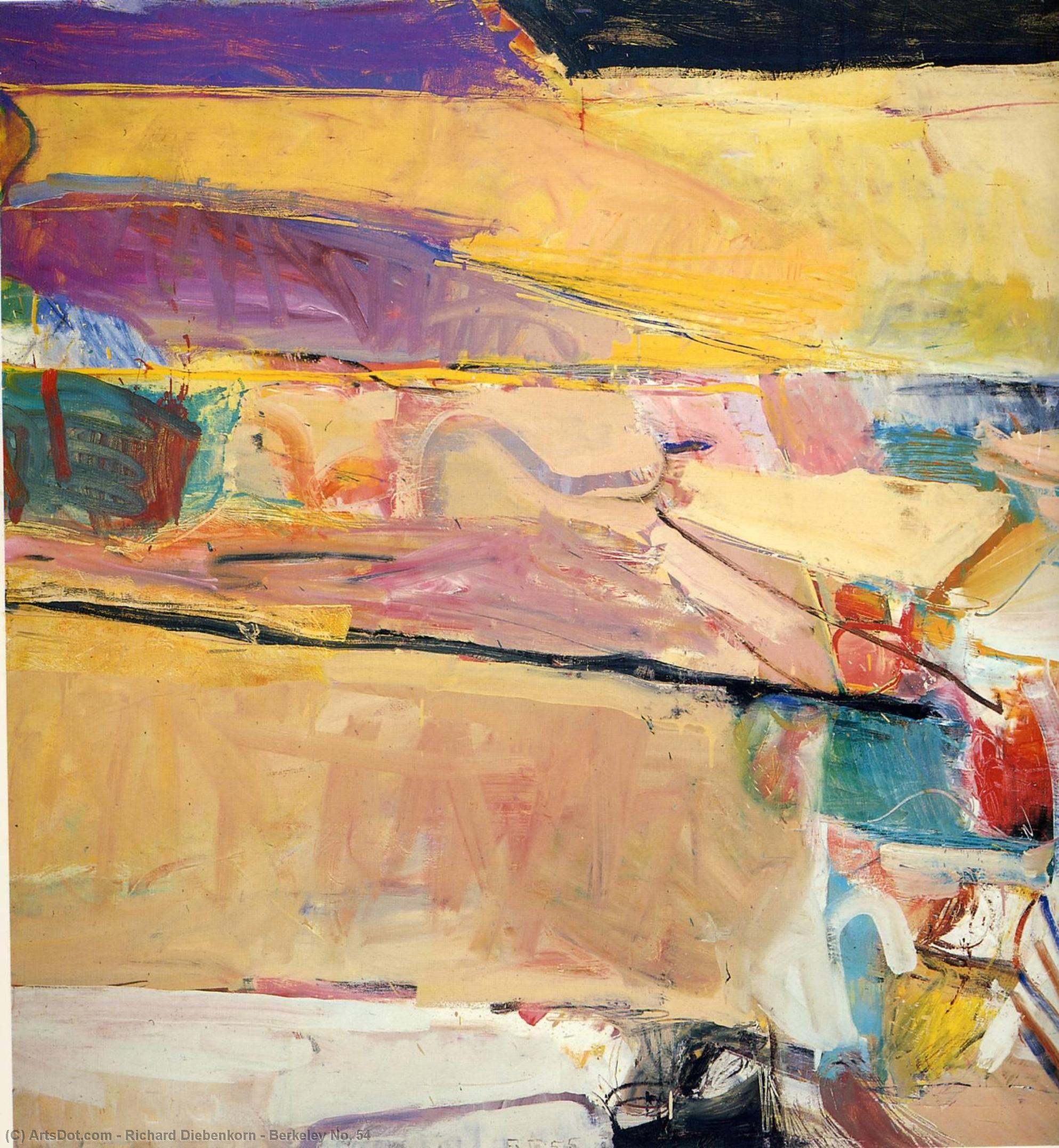
Berkeley No. 54

 Читать далее
Жикле / Арт-принт
Печать (жикле) или холст музейного качества с быстрыми сроками изготовления и широким выбором вариантов отделки. ( Купить картину ручной работы Перейти к цифровым изображениям)




































Выберите один из наших стандартных размеров, соответствующих оригинальным пропорциям произведения искусства.

Вы можете указать свои собственные размеры, чтобы репродукция идеально подошла под конкретную раму или пространство. Если выбранный вами размер не будет соответствовать пропорциям оригинала, мы либо обрежем произведение, либо дополним изображение зеркальным отражением краев или однотонной заливкой. Перед началом производства вам будет отправлен цифровой макет для утверждения.
Пожалуйста, обратите внимание, что предварительный просмотр на экране не отображает фактическую обрезку или расширение изображения. Только макет точно покажет финальную композицию.
Несмотря на возможность заказа индивидуальных размеров, мы рекомендуем выбирать размер из предопределенного списка, чтобы сохранить оригинальные пропорции.
Доставка по всему миру () за 2 недели вместо стандартных 4/5 недель. (11 Сентябрь)

Бесплатная экспресс-доставка по всему миру

Высококачественный льняной холст

Полное страхование доставки

Гарантия возмещения таможенных пошлин

Гарантия точного соответствия цветов

100-дневная политика возврата (только при обнаружении дефектов)

Гарантия возврата 100% средств

Предложение оптовых скидок
 Вариант со стеклом доступен только для размеров менее 110 см

Berkeley No. 54
Жикле / Арт-принт
Размер репродукции
-


Итоговая стоимость
$ 62
A Dynamic Coastal Vision: Richard Diebenkorn's "Berkeley No. 54"
Richard Diebenkorn’s “Berkeley No. 54,” a captivating work from his renowned Ocean Park series, offers a vibrant and abstracted interpretation of the California coastline. Painted in an unknown year, this piece exemplifies the artist’s shift towards lyrical abstraction following his earlier explorations of Bay Area Figurative art. The painting isn't a literal depiction; instead, it captures the *feeling* of the coastal landscape—the energy of the ocean, the warmth of the sun, and the subtle shifts in light and atmosphere—through a dynamic interplay of color and form. It’s a testament to Diebenkorn’s ability to distill complex natural phenomena into pure visual experience.Abstract Expressionism & The Ocean Park Series
"Berkeley No. 54" firmly resides within the realm of Abstract Expressionism, specifically showcasing elements characteristic of Diebenkorn's later "Ocean Park" series (1967-1983). This period marked a significant evolution in his artistic practice. Inspired by the rugged beauty of the Santa Monica coastline near his studio in Pacific Palisades, these paintings move away from recognizable imagery and instead focus on exploring color relationships, spatial dynamics, and the expressive potential of paint itself. The series is notable for its geometric forms interwoven with more fluid, gestural brushstrokes—a duality that creates a compelling visual tension. Diebenkorn’s work during this time was influenced by European abstract art movements like Cubism and Constructivism, but he infused it with a distinctly Californian sensibility – a lightness and luminosity absent in many of his European counterparts.Color, Composition & Technique
The painting's composition is striking. A roughly square canvas is divided into distinct zones—a vibrant upper section dominated by yellows and purples contrasting with the softer pinks, beiges, blues, and greens below. Diagonal lines cut across the surface, generating a sense of movement and visual energy. Diebenkorn’s technique is characterized by thick, impasto layers of oil paint applied with both deliberate brushstrokes and more spontaneous gestures. This creates a rich textural quality that invites close inspection. The layering of colors—often translucent—allows earlier hues to peek through, adding depth and complexity. Notice how the artist uses contrasting warm (yellows, pinks) and cool (blues, greens) tones to create visual interest and dynamism. There's no traditional perspective; instead, Diebenkorn utilizes overlapping planes of color to suggest spatial relationships without resorting to realistic representation.Emotional Resonance & Symbolic Interpretation
"Berkeley No. 54" evokes a powerful emotional response through its vibrant colors and dynamic composition. The painting isn't about depicting a specific scene, but rather conveying a feeling—a sense of awe at the natural world, perhaps, or the exhilaration of being by the ocean. While abstract, the work subtly alludes to elements of the coastal landscape: hints of hills, water, and sky emerge from the swirling colors. The abstraction allows for multiple interpretations; viewers are invited to engage with the painting on a personal level, projecting their own emotions and experiences onto its surface. It’s a testament to Diebenkorn's skill that he could create such an evocative work without relying on representational imagery—a piece that resonates deeply even in its abstract form.Похожие произведения
Биография художника
Early Life and Artistic Foundations
Richard Diebenkorn, born in Portland, Oregon, in 1922, began his artistic journey at a remarkably young age. Even as a child, he possessed an undeniable inclination towards drawing – a quiet, persistent passion that foreshadowed the decades of profound creation to come. His family’s relocation to San Francisco when he was just two years old proved pivotal, immersing him in the vibrant cultural landscape of California and shaping his artistic sensibility with its light, atmosphere, and sense of place. This early exposure to the Golden State would become inextricably linked to his work throughout his career. From a young age, Diebenkorn demonstrated an exceptional aptitude for visual expression. He wasn’t simply doodling; he was actively engaged in translating his observations and emotions onto paper. This innate talent led him to Stanford University in 1940, where he immersed himself in the study of art history and studio practice. Crucially, he found mentors who profoundly influenced his artistic development – Victor Arnautoff, a respected instructor known for his rigorous classical training in oil painting, and Daniel Mendelowitz, an admirer of the evocative realism of Edward Hopper. Hopper’s ability to capture quiet moments of introspection and the subtle interplay of light and shadow deeply resonated with Diebenkorn, establishing a foundational influence that would subtly permeate his own work. These formative years weren't just about acquiring technical skills; they were about cultivating a deep appreciation for visual language and a desire to communicate complex emotions through art.Navigating Abstraction and Figuration
The American art world underwent a dramatic transformation in the wake of World War II, with the center of artistic innovation shifting decisively from Paris to New York. This seismic shift profoundly impacted artists across the country, including Richard Diebenkorn. He keenly felt this change, enrolling at the California School of Fine Arts (now the San Francisco Art Institute) and embracing abstract expressionism as his primary mode of self-expression in the mid-1940s. Artists like Clyfford Still, Arshile Gorky, Hassel Smith, and Willem de Kooning became key sources of inspiration – their bold experimentation with form, color, and gesture offering a radical departure from traditional representational painting. However, Diebenkorn wasn’t simply a passive follower of trends. He possessed a discerning eye and a desire to forge his own path. Alongside Elmer Bischoff, Henry Villierme, David Park, and James Weeks, he became a leading figure in the Bay Area Figurative Movement – a conscious and deliberate return to representational painting after the dominance of abstract expressionism. This movement wasn’t about abandoning abstraction entirely; rather, it was about reintroducing recognizable forms into his work while retaining the emotional intensity and psychological depth that characterized abstract expressionism. He sought to create paintings that were both deeply personal and universally resonant, bridging the gap between inner experience and external reality. The Bay Area Figurative Movement represented a crucial moment of artistic exploration – a synthesis of abstraction and figuration that defined Diebenkorn’s early mature work.The Ocean Park Series: A Defining Achievement
In 1967, Richard Diebenkorn embarked on what would become his most celebrated series—the *Ocean Park* paintings. Named after the Santa Monica neighborhood where he lived and worked, these works represent a culmination of his artistic explorations and a masterful synthesis of various influences. Unlike the spontaneous gesturality of abstract expressionism or the direct representation of the Bay Area Figurative movement, the *Ocean Park* paintings are characterized by a carefully considered composition, subtle color palettes, and a sense of serene order. They weren’t literal depictions of Ocean Park; instead, they were evocative distillations of its light, space, and atmosphere – meditations on place rendered through abstract form. Diebenkorn meticulously observed the nuances of his surroundings, translating them into a visual language that was both precise and deeply emotional. He experimented with layering colors, creating complex textures, and employing geometric shapes to suggest depth and movement. The *Ocean Park* series wasn’t simply about capturing a scene; it was about conveying a feeling – a sense of quiet contemplation, nostalgia, and the beauty of everyday life. This series solidified Diebenkorn's reputation as one of the most innovative and compelling artists of his generation, attracting critical acclaim and establishing him as a major figure in contemporary art.Legacy and Lasting Influence
Richard Diebenkorn’s impact on postwar American art is undeniable. His ability to seamlessly blend abstract expressionism, lyrical abstraction, and figurative painting created a unique artistic voice that resonated with artists for decades to come. The retrospective exhibition at the Pasadena Art Museum in 1960 – later expanded and shown at the California Palace of the Legion of Honor in San Francisco – served as a pivotal moment, cementing his reputation as a leading figure in the art world. He wasn’t bound by rigid dogma; instead, he embraced experimentation, followed his artistic intuition, and consistently pushed the boundaries of his own practice. Diebenkorn's work continues to inspire artists and collectors alike, celebrated for its beauty, complexity, and emotional depth. His legacy extends beyond individual paintings—it resides in the way he approached artmaking, prioritizing personal expression while engaging with broader cultural themes. The quiet introspection and understated elegance of his *Ocean Park* series remain particularly poignant today, offering a moment of respite from the frenetic pace of modern life. Richard Diebenkorn’s passing in 1993 marked the end of a remarkable career, but his artistic vision continues to illuminate the landscape of American art.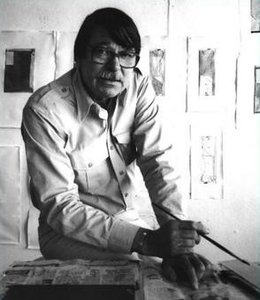
Ричард Дайбенкорн
1922 - 1993 , США
Основные сведения
- Artistic Movement Or Style: Лирическая абстракция
- Artists Or Movements Influenced By This Artist: ['Байовая фигуративная школа']
- Artists Who Influenced This Artist:
- Эдвард Хоппер
- Клифф Стайл
- Date Of Birth: 22 апреля 1922
- Date Of Death: 30 марта 1993
- Full Name: Richard Clifford Diebenkorn
- Nationality: Американский
- Notable Artworks:
- Ocean Park No. 32
- A Day at the Races
- Place Of Birth: Портленд, США
Похожие статьи
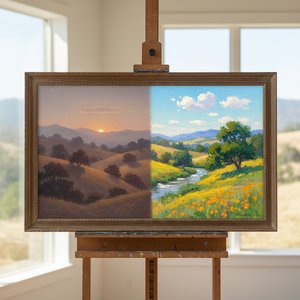
Franz Bischoff: Bridging Tonalism & Impressionism in California Landscape Painting
Explore the captivating art of Franz Bischoff, a pivotal figure bridging Tonalism & California Impressionism. Discover his stunning landscapes, floral works, and lasting legacy with ArtsDot.
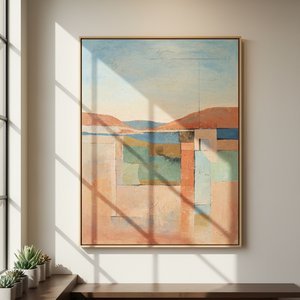
Richard Diebenkorn: A Poetics of Space & Form – Navigating Abstraction in California Modernism
Explore the evolution of Richard Diebenkorn's iconic art – from abstract expressionism to his celebrated Ocean Park series. Discover insights for collectors & enthusiasts.
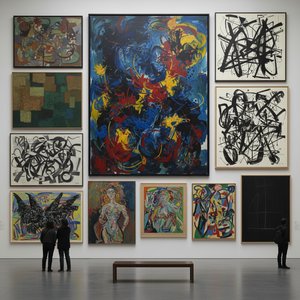
Топ-10 шедевров абстрактного экспрессионизма: искусство для вашего интерьера от ArtsDot.com
Погрузитесь в мир абстрактного экспрессионизма! Откройте для себя 10 шедевров Поллока, Ротко и других гениев. История искусства, техники живописи и вдохновение для вашего интерьера от ArtsDot.com. Explore the full collection online!

Топ-25 шедевров Василия Кандинского: Абстрактное искусство для вашего интерьера
Погрузитесь в мир абстрактного искусства с Василием Кандинским! 25 шедевров экспрессионизма, баухауса и русского авангарда. Репродукции картин Кандинского для вдохновения и декора вашего интерьера. Откройте всю коллекцию на ArtsDot.com
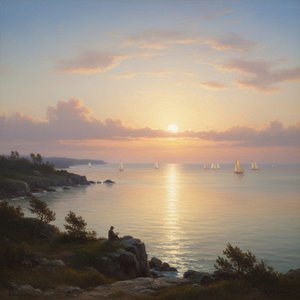
William Trost Richards: Luminism, Spirituality & the American Landscape Tradition
Explore the captivating landscapes of William Trost Richards, a master of Luminism associated with both the Hudson River School & American Pre-Raphaelite movements. Discover his spiritual connection to nature and lasting influence on American art.