

 Предпросмотр
 Поделиться
 Поделиться
 Детали произведения

 Скачать
 Похожие работы
 Рентгенография
 Слайд-шоу
 Статистика
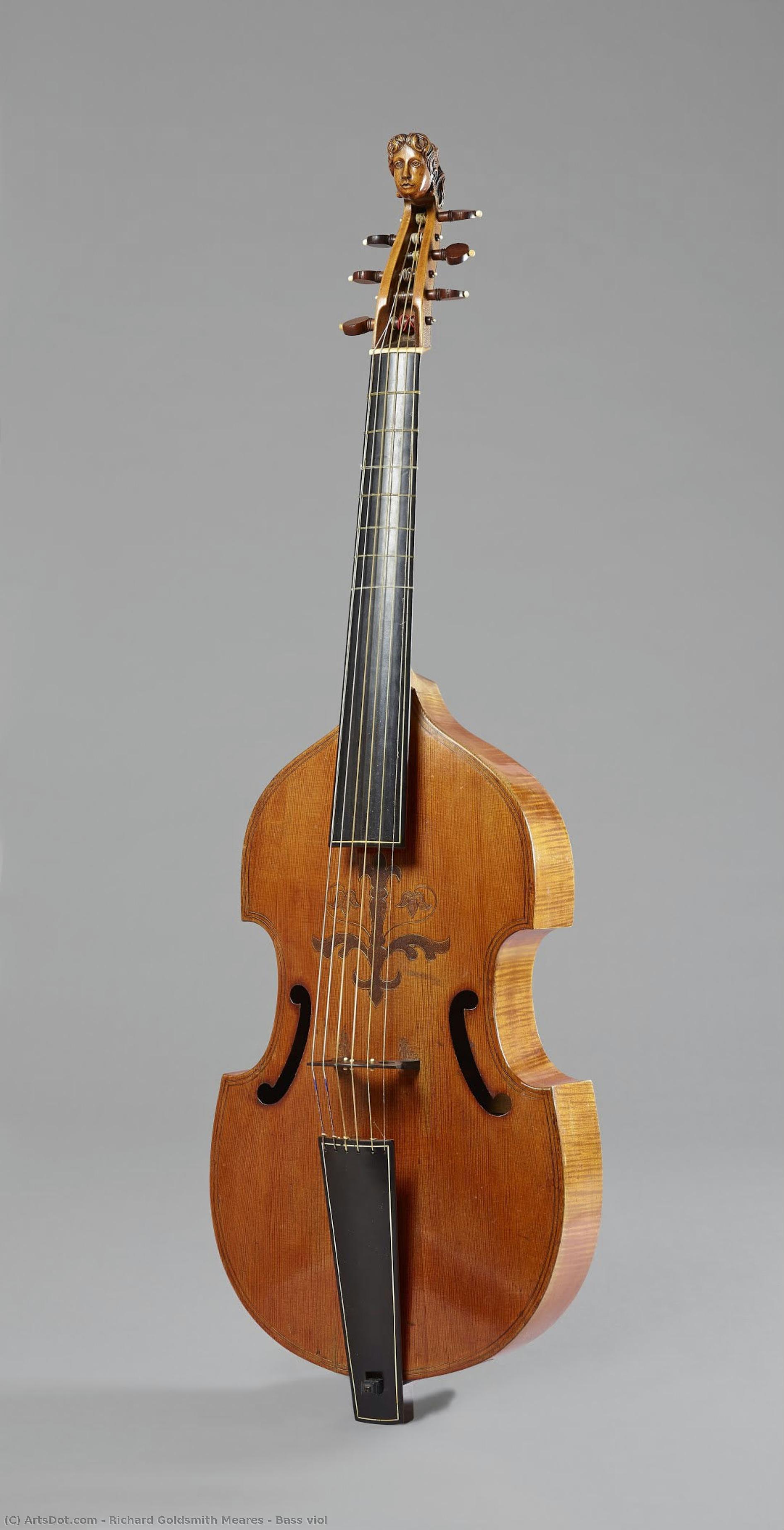
Bass viol


 Читать далее
Масляная репродукция ручной работы
Картина маслом на холсте в выбранном вами размере и раме, написанная на заказ нашими художниками. ( Перейти к печати Перейти к цифровым изображениям)




































Выберите один из наших стандартных размеров, соответствующих оригинальным пропорциям произведения искусства.

Вы можете указать собственные размеры, чтобы картина идеально вписалась в выбранную раму или пространство. Если выбранный вами размер не соответствует пропорциям оригинала, мы либо обрежем полотно, либо расширим его за счет дополнительных элементов, написанных вручную. Цифровой макет будет отправлен вам на утверждение перед началом производства.
Обратите внимание, что предварительный просмотр на экране не отражает фактическую обрезку или расширение. Только макет точно покажет окончательную композицию.
Хотя доступны индивидуальные размеры, мы рекомендуем выбирать вариант из предопределенного списка, чтобы сохранить исходные пропорции.
После оформления заказа команда ArtsDot.com свяжется с клиентом по электронной почте для уточнения деталей и предоставит предварительный макет
Доставка по всему миру () за 3–4 недели вместо стандартных 5 недель. (12 Сентябрь). Без компромиссов в качестве.

Бесплатная экспресс-доставка по всему миру

Высококачественный льняной холст

Полное страхование доставки

Гарантия возмещения таможенных пошлин

Гарантия точного соответствия цветов

100-дневная политика возврата (только при обнаружении дефектов)

Гарантия возврата 100% средств

Предложение оптовых скидок
 Вариант со стеклом доступен только для размеров менее 110 см

Bass viol
Техника репродукции
Размер репродукции
-


Итоговая стоимость
$ 263
Похожие произведения






Биография художника
Early Life and Military Service
Richard Goldsmith Meares, born in April 1780 to William and Elizabeth (Goldsmith) Meares of County Westmeath, Ireland, emerged from a family steeped in Anglo-Irish heritage and mercantile success. His lineage traced back to Lewis Meares, an English emigrant to Ireland in the 17th century, while his father’s business flourished within Dublin's wine trade. Educated as a gentleman, young Richard initially pursued artistic inclinations at the Royal Academy in London around 1800. However, the escalating Napoleonic Wars redirected his path towards a military career. Commissioned as an ensign in the North Yorkshire militia in 1803, he swiftly ascended through the ranks, joining the prestigious 7th Fusiliers and later securing a position as a cornet and sub-lieutenant within the esteemed 2nd Life Guards by 1810. His service during the Peninsular War saw him participate in pivotal battles like Vittoria and Toulouse, experiences vividly captured in letters penned to his wife, Ellen Seymour, whom he married in January 1808. The culmination of his military life arrived with the Battle of Waterloo in 1815, where he distinguished himself before retiring on half-pay in 1817. This retirement allowed him to return to pursuits of art and horticulture, foreshadowing a later chapter in a new land.Emigration to Western Australia and Colonial Life
The allure of a fresh start led Richard Meares to the Swan River Colony in Western Australia in 1829. He invested with Thomas Peel and embarked on the journey aboard the *Gilmore*, accompanied by his wife Ellen, their eight children, and seven servants. The initial years proved challenging; despite his military background, securing a stable livelihood amidst the nascent colony’s difficulties was arduous. Meares initially received land grants but struggled to establish a thriving farm. His resilience and connections eventually led to opportunities within colonial administration. In 1834, he was appointed as a superintendent of police for the Guildford district, marking his entry into public service. This role placed him at the forefront of maintaining order between settlers and the indigenous population—a complex task demanding diplomacy and authority.Public Service and Local Contributions
Richard Meares’s tenure as a justice of the peace in 1837 further solidified his position within Western Australian society. He served as government resident for both the Murray district (1840-41) and, more significantly, York until 1862. His responsibilities extended beyond law enforcement to encompass registration, statistical reporting, land fee collection, infrastructure development—including road repairs and bridge construction—and community engagement through school committees. He played a pivotal role in establishing the York Race Club and Fair, contributing to the social fabric of the burgeoning settlement. The opening of a convict hiring depot in York increased his administrative burden but also fostered growth within the district, evidenced by the construction of essential facilities like a courthouse and hospital. While anecdotes suggest a somewhat eccentric character—a repurposed carriage serving as a dwelling—his dedication to improving the lives of those around him was undeniable.Artistic Pursuits and Legacy
Though primarily known for his military service and colonial administration, Richard Goldsmith Meares retained an enduring passion for art throughout his life. His early studies at the Royal Academy instilled a foundation in draughtsmanship, which he continued to practice even amidst the demands of his other commitments. While surviving examples of his artwork are scarce, accounts describe depictions of battle scenes and landscapes reflecting his experiences and surroundings. He was also known for mural painting, though details regarding these works remain limited. His artistic legacy is perhaps best understood as a testament to the enduring power of creative expression—a pursuit that provided solace and documentation throughout a life marked by both adventure and responsibility. Richard Goldsmith Meares died unexpectedly at his home in York on January 9, 1862, leaving behind a complex story of military valor, colonial adaptation, and quiet artistic dedication. His remains were interred at the South Head Cemetery, a final resting place for a man who played a significant role in shaping the early landscape of Western Australia.
richard goldsmith meares
1780 - 1862 , Australia
Основные сведения
- Artistic Movement Or Style: Classical Music Art
- Date Of Birth: 1780
- Date Of Death: 1862
- Full Name: Richard Goldsmith Meares
- Nationality: Australian
- Notable Artworks:
- Viola da Gamba Painting
- Bass Viol Painting
- Place Of Birth: Sydney, Australia