Предпросмотр
 Поделиться
 Поделиться
 Детали произведения

 Скачать
 Похожие работы
 Рентгенография
 Слайд-шоу
 Статистика
Кухонный таймер
 Акрил на холсте
- Настенный декор
- Synthetism and Breton Modernism
 1896
1896 26.0 x 11.0 cm
 Deutsches Historisches Museum
 Читать далее
Жикле / Арт-принт
Печать (жикле) или холст музейного качества с быстрыми сроками изготовления и широким выбором вариантов отделки. ( Купить картину ручной работы Перейти к цифровым изображениям)




P118B $10

P118H $10

P118W $10

P438Z $10

P508JH $12

P508YH $12

P805H $10

P805Z $10

P919BZ $10

P919G $10

P919XJ $10

P959ZH $10

P968JZ $12

W106C $8

W218G $10

W218JH $8

W218Y $10

W307PJ $10

W316G $10

W316PJ $8

W316Y $10

W398PJ $8

W4111J $10

W500HY $15

W500JH $15

W692G $12

W849H $8

W940BG $15

W953PJ $8




Выберите один из наших стандартных размеров, соответствующих оригинальным пропорциям произведения искусства.

Вы можете указать свои собственные размеры, чтобы репродукция идеально подошла под конкретную раму или пространство. Если выбранный вами размер не будет соответствовать пропорциям оригинала, мы либо обрежем произведение, либо дополним изображение зеркальным отражением краев или однотонной заливкой. Перед началом производства вам будет отправлен цифровой макет для утверждения.
Пожалуйста, обратите внимание, что предварительный просмотр на экране не отображает фактическую обрезку или расширение изображения. Только макет точно покажет финальную композицию.
Несмотря на возможность заказа индивидуальных размеров, мы рекомендуем выбирать размер из предопределенного списка, чтобы сохранить оригинальные пропорции.
Доставка по всему миру () за 2 недели вместо стандартных 4/5 недель. (14 Сентябрь)

Бесплатная экспресс-доставка по всему миру

Высококачественный льняной холст

Полное страхование доставки

Гарантия возмещения таможенных пошлин

Гарантия точного соответствия цветов

100-дневная политика возврата (только при обнаружении дефектов)

Гарантия возврата 100% средств

Предложение оптовых скидок
 Вариант со стеклом доступен только для размеров менее 110 см

Кухонный таймер
Жикле / Арт-принт
Размер репродукции
-


Итоговая стоимость
$ 62
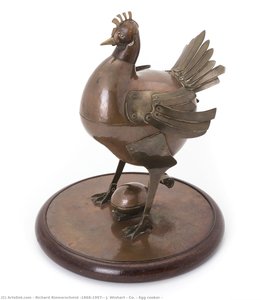
Элегантный Росток Символизма и Бреттонской Модернистской Эпохи: Исполнение Риемершмида «Кухонный Петух»
Этот необычный скульптурный объект, созданный в 1896 году немецким архитектором и дизайнером Рихардом Риемершмидом совместно с компанией J. Winhart & Co., представляет собой произведение искусства, которое сразу привлекает внимание своей минималистичной эстетикой и тонким использованием материалов. И хотя на картине отсутствует привычная трио предметов – яйца, топливо и вода – сама композиция обладает мощным символическим значением и отражает ключевые идеи синтетического направления в искусстве того времени.- Тема и Композиция: Скульптура изображает петуха, стоящего на одной ноге и вытягивающего лапу вверх. Эта классическая поза символизирует пробуждение жизни и надежду – темы, которые были особенно актуальны для художников эпохи синтетизма.
- Стиль и Техника: Риемершмид работал в стиле югендстиля (Арт Нуво), который характеризуется плавными линиями, растительными орнаментами и использованием высококачественных материалов, таких как бронза или металл. Этот выбор техники подчеркивает мастерство скульптора и придает произведению особый античный вид.
- Исторический Контекст: Эпоха синтетизма была временем расцвета европейской культуры и искусства после Первой мировой войны. Художники этого направления стремились объединить различные элементы искусства – живопись, скульптуру, архитектуру и декоративное искусство – в единое целое, создавая произведения искусства, которые были одновременно эстетически привлекательными и социально значимыми.
- Эмоциональный Отклик: Картина вызывает ощущение спокойствия и гармонии благодаря своей простой форме и элегантной цветовой палитре. Она напоминает о красоте природы и о важности сохранения традиционных ценностей.
Похожие произведения

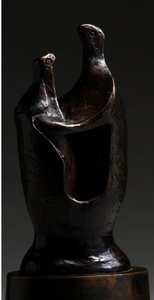
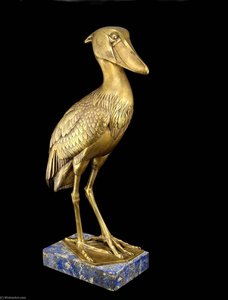
Биография художника
Émile Bernard: A Pioneer of Synthetism and Breton Modernism
Émile Henri Bernard (1868-1941) was a French painter whose career, though relatively brief, profoundly impacted the trajectory of modern art. Born in Lille, France, into a family marked by hardship – his mother’s laundry business providing a modest but vital income – Bernard's early life instilled within him a deep appreciation for craftsmanship and a keen awareness of social realities. This background would later inform his artistic vision, shaping his commitment to portraying the lives of ordinary people and exploring themes of poverty, spirituality, and the transformative power of art itself. His journey through the vibrant Parisian art scene during the late 19th and early 20th centuries intertwined him with some of the most influential figures of the era, including Vincent van Gogh, Paul Gauguin, and Eugène Boch, ultimately leading him to develop a unique artistic style known as synthetism.Early Influences and Artistic Training
Bernard’s formal training began at the École des Arts Décoratifs in Paris, where he initially experimented with Impressionistic techniques under the guidance of Jean-Léon Gérôme. However, it was his time at the Atelier Cormon that proved pivotal. Here, he encountered a more radical approach to painting, influenced by the Pointillist theories of Georges Seurat and the burgeoning interest in Japanese art. This period saw him develop a meticulous attention to detail and an exploration of color theory, laying the groundwork for his later stylistic innovations. Crucially, it was during this time that Bernard formed close friendships with fellow artists Louis Anquetin and Henri de Toulouse-Lautrec, forging a network of artistic exchange that would prove invaluable throughout his career.The Rise of Synthetism and Breton Modernism
Bernard’s most significant contribution to the art world lies in the development of synthetism – a style characterized by its deliberate simplification of form, flattened perspective, and emphasis on color as an independent expressive element. Rejecting the Impressionist pursuit of capturing fleeting moments of light and atmosphere, Bernard sought to create paintings that were more akin to symbolic representations, conveying emotional states and spiritual ideas through abstract forms and vibrant hues. This approach aligned him with a group of artists known as “Breton Modernists,” including Gauguin, Boch, and van Gogh, who shared a desire to break free from traditional academic conventions and explore new modes of artistic expression. Bernard’s work became deeply intertwined with the burgeoning Breton avant-garde movement, which championed experimentation, social critique, and a rejection of bourgeois values. His paintings often depicted scenes of poverty and hardship, reflecting his own experiences and his empathy for the marginalized members of society.Key Works and Artistic Techniques
Bernard’s oeuvre is remarkably compact, considering the intensity of his artistic output during his relatively short career. Notable works include *Émile Bernard et Paul Gauguin à Atzè* (1897), a poignant depiction of his friendship with Gauguin in Tahiti; *The Breton Women in a Green Pasture* (1888), showcasing his early interest in depicting rural life; and numerous studies of the Parisian working class. His technique involved layering thin washes of color, often applied directly from the tube, to create luminous surfaces and achieve a sense of immediacy. He frequently employed a limited palette, prioritizing complementary colors to heighten visual impact. Bernard’s use of line was equally distinctive, characterized by bold, gestural strokes that conveyed both energy and emotional intensity.Legacy and Historical Significance
Despite his relatively short career, Émile Bernard left an indelible mark on the development of modern art. His pioneering work in synthetism paved the way for later abstract movements, while his commitment to social realism and Breton Modernism contributed significantly to the broader cultural context of the early 20th century. His exploration of spirituality and symbolism resonated with a generation grappling with profound societal changes and seeking new ways to express their beliefs. Today, Bernard’s paintings are recognized as important examples of late-19th and early-20th-century art, offering valuable insights into the complex dynamics of artistic innovation and social transformation. His legacy continues to inspire artists who seek to challenge conventional notions of representation and explore the expressive potential of color and form.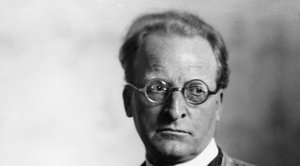
richard riemerschmid (1868–1957), j. winhart & co.
1868 - 1957 , Germany
Основные сведения
- Artistic Movement Or Style:
- Post-Impressionism
- Cloisonnism
- Synthetism
- Artists Or Movements Influenced By This Artist:
- André Derain
- Maurice Denis
- Artists Who Influenced This Artist:
- Vincent van Gogh
- Paul Gauguin
- Eugène Boch
- Paul Cézanne
- Date Of Birth: April 28, 1868
- Date Of Death: April 16, 1941
- Full Name: Émile Henri Bernard
- Nationality: French
- Notable Artworks:
- Émile Bernard in a Green Pasture
- The Breton Women in a Green Pasture
- Place Of Birth: Lille, France
Похожие статьи
The Enduring Legacy of Bronze Sculpture: A Collector's Guide to Form & Cultural Significance
Explore the rich history & enduring appeal of bronze sculpture with expert insights for collectors at ArtsDot. Learn about casting techniques, iconic artists, and collecting tips to build a discerning art collection.
The Enduring Legacy of Bronze: A Historical & Artistic Exploration for the Collector
Explore the rich history & enduring appeal of bronze sculpture with expert insights for collectors at ArtsDot. Learn about casting techniques, iconic artists, collecting tips & contemporary interpretations.

10 легендарных бронзовых шедевров, изменивших искусство | ArtsDot
Погрузитесь в мир великих бронзовых шедевров! От Давида Донателло до Мыслителя Родена – узнайте историю создания, технику и значение легендарных скульптур. Вдохновение для интерьера и музейное качество репродукций на ArtsDot.com.
The Enduring Legacy of Bronze: History, Technique & Artistic Expression for the Collector
Explore the rich history & enduring appeal of bronze sculpture with expert insights for collectors at ArtsDot. Learn about casting techniques, iconic artists, and collecting tips.

10 легендарных бронзовых скульптур, изменивших искусство навсегда | ArtsDot
Погрузитесь в мир великих бронзовых скульптур! От Давида Микеланджело до работ Родена – история искусства, техники и вдохновения. Купите репродукции шедевров для вашего интерьера на ArtsDot.com