

 Предпросмотр
 Поделиться
 Поделиться
 Детали произведения

 Скачать
 Похожие работы
 Рентгенография
 Слайд-шоу
 Статистика
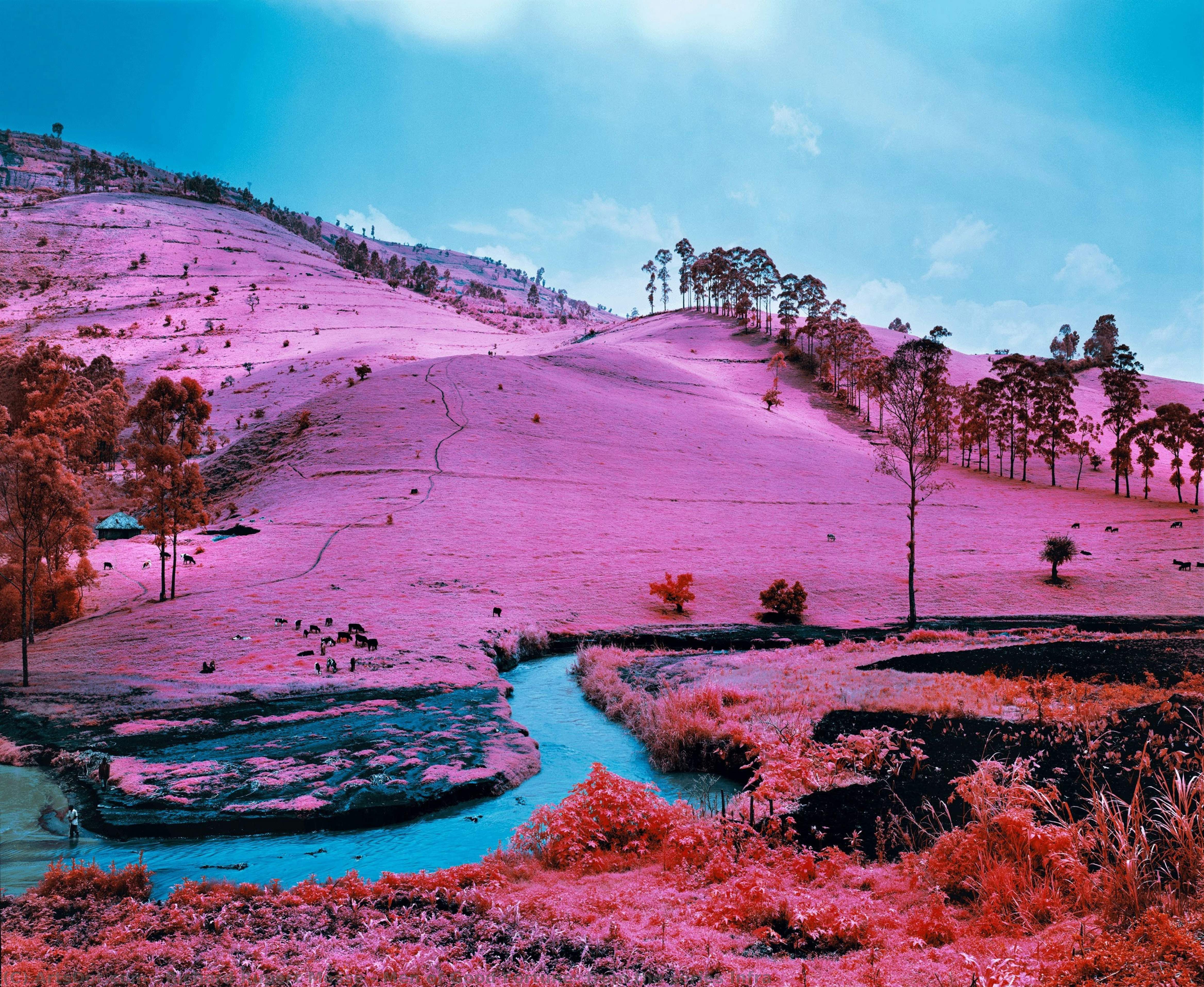
Men of Good Fortune, from the series Infra


 Читать далее
Жикле / Арт-принт
Печать (жикле) или холст музейного качества с быстрыми сроками изготовления и широким выбором вариантов отделки. ( Купить картину ручной работы Перейти к цифровым изображениям)




P118B $10

P118H $10

P118W $10

P438Z $10

P508JH $12

P508YH $12

P805H $10

P805Z $10

P919BZ $10

P919G $10

P919XJ $10

P959ZH $10

P968JZ $12

W106C $8

W218G $10

W218JH $8

W218Y $10

W307PJ $10

W316G $10

W316PJ $8

W316Y $10

W398PJ $8

W4111J $10

W500HY $15

W500JH $15

W692G $12

W849H $8

W940BG $15

W953PJ $8




Выберите один из наших стандартных размеров, соответствующих оригинальным пропорциям произведения искусства.

Вы можете указать свои собственные размеры, чтобы репродукция идеально подошла под конкретную раму или пространство. Если выбранный вами размер не будет соответствовать пропорциям оригинала, мы либо обрежем произведение, либо дополним изображение зеркальным отражением краев или однотонной заливкой. Перед началом производства вам будет отправлен цифровой макет для утверждения.
Пожалуйста, обратите внимание, что предварительный просмотр на экране не отображает фактическую обрезку или расширение изображения. Только макет точно покажет финальную композицию.
Несмотря на возможность заказа индивидуальных размеров, мы рекомендуем выбирать размер из предопределенного списка, чтобы сохранить оригинальные пропорции.
Доставка по всему миру () за 2 недели вместо стандартных 4/5 недель. (13 Сентябрь)

Бесплатная экспресс-доставка по всему миру

Высококачественный льняной холст

Полное страхование доставки

Гарантия возмещения таможенных пошлин

Гарантия точного соответствия цветов

100-дневная политика возврата (только при обнаружении дефектов)

Гарантия возврата 100% средств

Предложение оптовых скидок
 Вариант со стеклом доступен только для размеров менее 110 см

Men of Good Fortune, from the series Infra
Жикле / Арт-принт
Размер репродукции
-


Итоговая стоимость
$ 62
Похожие произведения

Биография художника
Jean-Michel Basquiat: A Voice of the Streets and a Revolutionary Artist
Born in Brooklyn, New York City, on December 22, 1960, Jean-Michel Basquiat emerged from the vibrant, chaotic crucible of the late 1970s and early 1980s art scene. His life was tragically cut short at the age of 27 in August 1988 due to a heroin overdose, but during his brief career, he left an indelible mark on the world of art, becoming one of the most iconic figures of neo-expressionism and a powerful voice for social commentary.
Basquiat’s early life was shaped by his Haitian heritage – his father was a Dominican immigrant and his mother was from Haiti. Growing up in Crown Heights, Brooklyn, exposed him to a diverse community grappling with issues of race, poverty, and urban decay. This environment profoundly influenced his artistic vision, fueling a desire to challenge societal norms and expose systemic inequalities. Initially involved in the graffiti scene alongside his close collaborator, Al Diaz, they adopted the pseudonym SAMO (Seeking Artistic Martyr Order) and plastered their cryptic epigrams across Manhattan’s Lower East Side subway cars. These early works, characterized by bold lettering and provocative imagery, established Basquiat's unique style and marked a critical shift away from traditional artistic conventions.
The Rise of Neo-Expressionism and the Fusion of Styles
By the early 1980s, Basquiat’s individual artistic voice began to emerge. He transitioned from collaborative street art to creating large-scale paintings that blended elements of neo-expressionism, graffiti, pop art, and historical references. His work was immediately recognized for its raw energy, layered symbolism, and unflinching critique of power structures. Neo-expressionism, a movement characterized by a return to figuration and emotional intensity after the dominance of minimalism, provided a framework for Basquiat’s exploration of themes such as race, class, identity, and consumer culture.
Basquiat's paintings are instantly recognizable through their distinctive visual language. He frequently incorporated text – often fragments of poetry, historical quotes, or his own invented phrases – alongside images of skulls, crowns (representing royalty and power), musical instruments, and portraits of African American figures. His use of mixed media—incorporating collage elements, Xeroxed images, and found objects—added layers of complexity to his work, reflecting the fragmented nature of contemporary experience. He drew inspiration from a wide range of sources, including jazz music, literature, history, and popular culture, weaving them together in a visually arresting and intellectually stimulating manner.
Themes of Power, Identity, and Social Justice
At the heart of Basquiat’s art lies a profound engagement with issues of power, identity, and social justice. His work directly confronted themes of racism, poverty, exploitation, and violence, often depicting marginalized communities and challenging dominant narratives. The recurring image of the crown, for instance, symbolized both personal achievement and critique of societal hierarchies. He frequently referenced historical figures like King Arthur and Malcolm X, elevating their stories to a position of prominence within his visual vocabulary.
His paintings frequently explored the complexities of African American identity in America, grappling with issues of representation, stereotypes, and systemic oppression. Works such as *Irony of Negro Policeman* (1981) and *Hollywood Africans* (1983) directly addressed racial prejudice and police brutality, while others examined the legacy of colonialism and slavery. Basquiat’s art wasn't simply decorative; it was a direct challenge to the status quo, demanding viewers confront uncomfortable truths about American society.
Legacy and Historical Significance
Despite his tragically short life, Jean-Michel Basquiat’s impact on the art world is undeniable. He quickly rose to prominence in the early 1980s, becoming one of the youngest artists ever exhibited at prestigious institutions like the Whitney Museum of American Art and Documenta. His work continues to be celebrated for its originality, emotional intensity, and powerful social commentary.
Basquiat’s influence extends far beyond his own artistic output. He paved the way for a new generation of artists who embraced street art, graffiti, and mixed media techniques, challenging traditional notions of what constituted “fine art.” His work remains relevant today, prompting ongoing conversations about race, identity, power, and social justice. His legacy as a revolutionary artist and a voice for the marginalized continues to inspire and challenge audiences worldwide.

richard rupert mosse
1980 - , Ireland
Основные сведения
- Artistic Movement Or Style: Neo-expressionism
- Artists Who Influenced This Artist: ['Andy Warhol, SAMO],\n "Artists or movements influenced by this artist": ["Graffiti art", "Hip-hop culture"]\n}']
- Date Of Birth: December 22, 1960
- Date Of Death: August 12, 1988
- Full Name: Jean-Michel Basquiat
- Nationality: American
- Notable Artworks:
- Irony of Negro Policeman
- Skull of Doom
- Untitled
- Boy and Dog in a Johnnypump
- Defacement
- Hollywood Africans
- Place Of Birth: New York City, U.S.
Похожие статьи
Топ-10 знаменитых картин в нежных розовых тонах: искусство и декор от ArtsDot
Погрузитесь в мир нежности и красоты! Топ-10 знаменитых картин Моне, Ренуара и других мастеров в розовых тонах. Узнайте историю создания шедевров импрессионизма и найдите идеальную репродукцию для вашего интерьера на ArtsDot.com
William Trost Richards: Luminism, Spirituality & the American Landscape Tradition
Explore the captivating landscapes of William Trost Richards, a master of Luminism associated with both the Hudson River School & American Pre-Raphaelite movements. Discover his spiritual connection to nature and lasting influence on American art.

Школа реки Гудзон: 10 шедевров, изменивших американскую живопись | ArtsDot
Погрузитесь в мир Школы реки Гудзон! 10 шедевров Томаса Коула, Фредерика Чёрча и других мастеров американского романтизма. Купите репродукции картин высокого качества для вашего интерьера на ArtsDot.com.

Топ-25 шедевров Клода Моне: Искусство света и импрессионизма для вашего интерьера
Погрузитесь в мир Клода Моне! 25 шедевров импрессионизма, от "Водных лилий" до знаменитых пейзажей. Узнайте историю создания картин и вдохновитесь для декора интерьера. Репродукции музейного качества на ArtsDot.com.
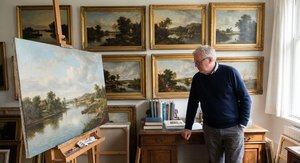
Flowing Narratives: Rivers in Painting – A Historical Exploration
Explore the rich history of rivers in painting! Discover masterpieces from ancient times to Impressionism & beyond. Learn about symbolism, artists like Monet & Daubigny, and find your perfect serene artwork at ArtsDot.