

 Поделиться
 Поделиться
 Детали произведения

 Скачать
 Похожие работы
 Слайд-шоу
 Статистика
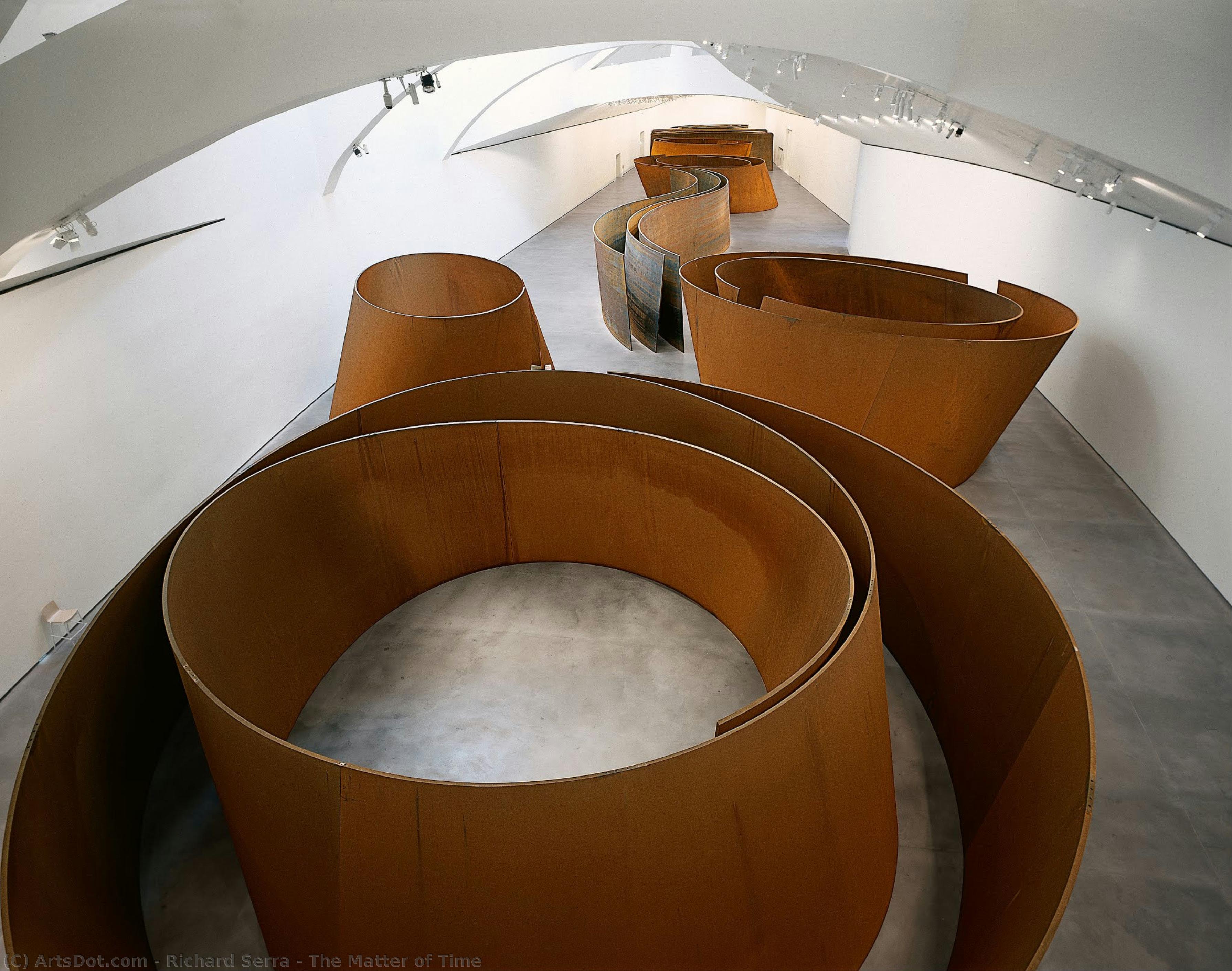
The Matter of Time


 Читать далее
Приобретите цифровое изображение высокого разрешения в улучшенном качестве, которое значительно превосходит онлайн-превью.
Каждый файл тщательно подготавливается нашими специалистами с использованием передовых инструментов и экспертной ручной ретуши. Мы гарантируем исключительную четкость, точную цветопередачу и детальную проработку каждого изображения.
Финальный файл доставляется по электронной почте в течение 72 часов и оптимизирован для немедленного использования в профессиональной среде, при верстке и печати. Это тот же уровень качества, которому доверяют ведущие дизайнерские студии, издательства и галереи.
Цифровое изображение
Скачайте файл высокого разрешения для личного использования, печати и творческих проектов. ( Перейти к печати Купить картину ручной работы)
Включено в каждый заказ цифровых изображений
Гарантия экспертной цифровой доставки
Выбирая ArtsDot.com, вы получаете не просто изображение — вы приобретаете профессионально обработанное цифровое произведение искусства, созданное с безупречной точностью и под защитой гарантии качества. Вот всё, что автоматически входит в ваш заказ:

Мгновенная доставка по e-mail
Ваш цифровой файл в высоком разрешении будет отправлен вам по электронной почте в течение 72 часов после оформления заказа — и сразу станет доступен для использования.

Цифровой файл с ИИ-улучшением
Ваше произведение искусства проходит профессиональную оптимизацию с использованием передовых инструментов ИИ и ручной обработки, что гарантирует максимальную детализацию, четкость и точность цветопередачи.

Бессрочная бесплатная повторная доставка
Случайно удалили или потеряли файл? Не беспокойтесь — мы отправим его вам повторно в любое время и совершенно бесплатно.

Без импортных пошлин — навсегда
Наслаждайтесь вашим произведением искусства мгновенно без таможенных пошлин, сборов или затрат на доставку — цифровые загрузки всегда не облагаются налогом.

Гарантия точности цветопередачи
Мы гарантируем, что ваше цифровое изображение максимально точно передает оригинальные цвета благодаря использованию профессиональных инструментов и систем управления цветом.

Гарантия удовлетворенности 100 дней
Если вы не будете удовлетворены своим цифровым изображением, мы внесем правки или вернем 100% стоимости в течение 100 дней — без лишних вопросов.

100% Гарантия возврата средств
Не удовлетворены покупкой? Получите полный возврат средств в течение 100 дней после получения цифрового файла — без лишних вопросов.

Скидки на оптовые заказы
Купите 3 изображения, сэкономьте 10% — Купите 5, сэкономьте 15% — Купите 10+, сэкономьте 20%. Отличное решение для творческих проектов, галерей и агентств.
A Symphony of Steel and Space
To step into the presence of Richard Serra’s The Matter of Time is to abandon the familiar boundaries of the physical world and enter a profound dialogue with gravity, mass, and movement. This monumental installation, housed within the iconic Arcelor Gallery of the Guggenheim Museum Bilbao, is far more than a mere collection of industrial forms; it is a choreographed experience that reshapes the viewer's perception of reality. The work consists of eight massive, torqued ellipses crafted from COR-TEN steel, creating a labyrinthine environment where the distinction between sculpture and architecture dissolves. As one navigates the sweeping, rusted curves, the sheer scale of the pieces—each weighing over 100 tonnes—commands an instinctive reverence, pulling the observer into a rhythmic dance with the very essence of space.
The aesthetic power of this masterpiece lies in its masterful use of Minimalism and Process Art. Serra utilizes the inherent properties of weathering steel to create a surface that is alive with texture and change. The deep, reddish-brown patina of the oxidized metal serves as a visual metaphor for the passage of time itself, as the material evolves and matures under the influence of its environment. The technique involves precise industrial fabrication, yet the result is deeply organic. The sweeping horizontal lines and interlocking elliptical shapes create a sense of controlled chaos, where the heavy, rigid nature of the steel is transformed into something that feels fluid, almost liquid, as it curves around the viewer.
The Architecture of Perception
Beyond its physical imposingness, The Matter of Time functions as a psychological journey. Serra deliberately arranged these colossal structures to create narrow corridors and unexpected openings, forcing the visitor to become an active participant in the artwork. As you move through the twisting steel passages, your sense of direction is subtly challenged; the walls seem to lean, expand, and contract, inducing a dizzying sensation of space in motion. This intentional disorientation is designed to strip away preconceived notions of stability, leaving the viewer in a state of heightened awareness. The sculpture does not merely sit in a room; it is the room, turning the entire gallery into a sculptural field where every step taken alters the composition of the work.
For the discerning collector or interior designer, the allure of this work lies in its ability to evoke themes of permanence and transition. The symbolism of the torqued ellipse—representing both the strength of industrial progress and the cyclical nature of existence—offers a sophisticated focal point for any high-end space. A high-quality reproduction of such a monumental installation brings a sense of structural integrity and avant-garde elegance to a setting, inviting contemplation and providing a powerful anchor of modern sophistication. It is an invitation to experience the weight of presence and the beauty of the ephemeral, making it an incomparable choice for those who seek art that transcends mere decoration to become a profound sensory encounter.
Похожие произведения


Биография художника
The Weight of Presence: The Life and Legacy of Richard Serra
To encounter the work of Richard Serra is to engage in a physical dialogue with gravity, mass, and the very essence of space. Born in San Francisco in 1938, Serra’s artistic consciousness was forged not in the quietude of a studio, but amidst the industrial grit of the Marine Shipyards. Watching the monumental construction of steel tankers, he developed an early, profound intimacy with the raw power of metal and the transformative potential of heavy industry. This childhood exposure to the rhythmic, massive scale of maritime engineering would later become the heartbeat of his sculptural language, turning the cold rigidity of steel into a medium of profound emotional and spatial experience.
His intellectual journey was one of unexpected transitions, moving from the linguistic structures of English Literature at the University of California, Berkeley, to the rigorous formal training of Yale University. It was during his formative years in the late 1950s and early 1960s that Serra bridged the gap between the cerebral and the tactile. While studying art history, he supported himself by working in steel mills and iron foundries, a period of labor that served as a vital apprenticeship. This hands-on mastery of fabrication allowed him to move beyond mere representation, treating steel not just as a material, but as a protagonist capable of bending, twisting, and asserting its own monumental will.
The Alchemy of Process and Material
Serra’s emergence within the Minimalist and Process Art movements marked a radical shift in how sculpture was perceived by the public. He moved away from the idea of sculpture as a self-contained object sitting upon a pedestal, instead proposing that art should be an environmental encounter. His early, seminal works, such as the Splash series, utilized molten lead to trace the boundaries between floor and wall, effectively making the act of creation—the physical movement of the liquid metal—the subject of the work itself. This emphasis on the process of transformation became a cornerstone of his practice, where the traces of action remained etched into the final form.
As his career progressed, Serra’s scale expanded to match his ambitions. He began working with massive plates of Cor-Ten steel, a material celebrated for its ability to develop a warm, protective layer of rust over time. This oxidation process allowed his sculptures to exist in a state of living evolution, reacting to the atmosphere and the passage of years. His works, such as the Torqued Ellipse series, do not merely occupy space; they redefine it. By curving enormous steel walls toward the viewer, he creates compressed corridors that force a heightened awareness of one's own body, breath, and movement within the architectural void.
A Monumental Legacy of Controversy and Connection
The historical significance of Richard Serra lies in his ability to provoke deep, often visceral, responses from both the public and the institution. His career was not without its storms, most notably the controversy surrounding Tilted Arc, a site-specific installation in New York City that was ultimately removed following intense public outcry. Yet, even in this moment of friction, Serra’s core philosophy remained unshaken: art must be inextricably linked to its site, and the viewer's relationship to that site is paramount. He believed that sculpture should not be an ornament added to a landscape, but a force that alters the very perception of the environment.
Throughout his decades of prolific creation, Serra’s achievements have been recognized with the highest honors, including the US National Arts Award and the J. Paul Getty Medal. His influence persists in the way contemporary artists approach scale, materiality, and the phenomenological experience of art. To walk through The Matter of Time is to lose oneself in a labyrinth of steel and shadow, experiencing a sense of time that is measured not by clocks, but by the slow, rhythmic movement of the human spirit through space. He leaves behind a world permanently altered by his vision—a world where steel can sing with silence and where gravity becomes a form of poetry.

Richard Serra
1939 - , United States of America
Основные сведения
- Artistic Movement Or Style: Minimalism & Process Art
- Artists Or Movements Influenced By This Artist: ['']
- Artists Who Influenced This Artist: ['']
- Date Of Birth: 1938
- Date Of Death: 2024
- Full Name: Richard Serra
- Nationality: American
- Notable Artworks:
- Tilted Arc
- Snake
- Naples
- Place Of Birth: San Francisco, United States