


 Предпросмотр
 Поделиться
 Поделиться
 Детали произведения

 Скачать
 Похожие работы
 Рентгенография
 Слайд-шоу
 Статистика
Miniature in Tractate of Mulomedicina

 Читать далее
Масляная репродукция ручной работы
Картина маслом на холсте в выбранном вами размере и раме, написанная на заказ нашими художниками. ( Перейти к печати Перейти к цифровым изображениям)
































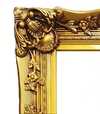
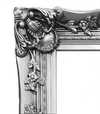
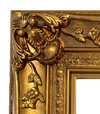
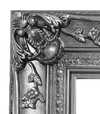
Выберите один из наших стандартных размеров, соответствующих оригинальным пропорциям произведения искусства.

Вы можете указать собственные размеры, чтобы картина идеально вписалась в выбранную раму или пространство. Если выбранный вами размер не соответствует пропорциям оригинала, мы либо обрежем полотно, либо расширим его за счет дополнительных элементов, написанных вручную. Цифровой макет будет отправлен вам на утверждение перед началом производства.
Обратите внимание, что предварительный просмотр на экране не отражает фактическую обрезку или расширение. Только макет точно покажет окончательную композицию.
Хотя доступны индивидуальные размеры, мы рекомендуем выбирать вариант из предопределенного списка, чтобы сохранить исходные пропорции.
После оформления заказа команда ArtsDot.com свяжется с клиентом по электронной почте для уточнения деталей и предоставит предварительный макет
Доставка по всему миру () за 3–4 недели вместо стандартных 5 недель. (17 Сентябрь). Без компромиссов в качестве.

Бесплатная экспресс-доставка по всему миру

Высококачественный льняной холст

Полное страхование доставки

Гарантия возмещения таможенных пошлин

Гарантия точного соответствия цветов

100-дневная политика возврата (только при обнаружении дефектов)

Гарантия возврата 100% средств

Предложение оптовых скидок
 Вариант со стеклом доступен только для размеров менее 110 см

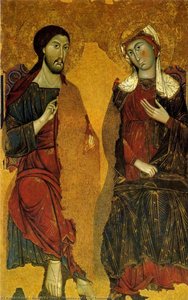
Miniature in Tractate of Mulomedicina
Техника репродукции
Размер репродукции
-


Итоговая стоимость
$ 263
Похожие произведения






Биография художника
Rinaldo da Siena: A Luminary of the Sienese School
The name Rinaldo da Siena resonates within the annals of medieval Italian painting, though a comprehensive biography remains elusive. Emerging from the vibrant artistic milieu of 13th-century Siena, Rinaldo stands as a pivotal figure in the transition between the Italo-Byzantine tradition and the burgeoning Renaissance style that would define the Sienese school. While concrete details about his life are scarce—dates of birth and death remain largely unknown, with current scholarship placing him active throughout the latter half of the 13th century and into the early 14th—his surviving works offer compelling insights into a master craftsman deeply attuned to both spiritual devotion and artistic innovation.
Early Influences and Artistic Formation
Siena in Rinaldo’s time was a thriving center of commerce, religion, and artistic production. The city's distinctive Gothic architecture and the fervent piety of its citizenry fostered an environment ripe for visual expression. Rinaldo’s early training likely occurred within a workshop steeped in the Italo-Byzantine style—a fusion of Western medieval techniques with the opulent aesthetics of Byzantine art. This influence is readily apparent in his use of gold leaf, elongated figures, and stylized drapery. However, Rinaldo was not merely an imitator; he possessed a keen sensitivity to narrative detail and a growing interest in naturalism that would distinguish his work from earlier traditions.
The presence of artists like Guido da Siena—often considered the first master of Sienese painting—likely played a crucial role in Rinaldo’s development. While direct mentorship remains unconfirmed, the stylistic similarities between their works suggest a shared artistic lineage and a common engagement with contemporary trends. Recent scholarship, as highlighted by Marco Battaglia's research on Academia.edu, even proposes that Rinaldo may have been working in Florence as early as the 1270s, indicating an early exposure to broader artistic networks and patronage opportunities.
A Master of Liturgical Art
Rinaldo da Siena’s oeuvre is primarily characterized by his contributions to liturgical art. He excelled in creating dossali—large panels that served as backdrops for altars—and illuminated manuscripts with exquisite detail and vibrant color. The Dossale di Memphis, a magnificent example of his skill, showcases the Virgin and Child enthroned amidst a celestial host of saints. The composition is characterized by its hierarchical arrangement, emphasizing the sacredness of the figures while simultaneously conveying a sense of dynamic energy through carefully orchestrated gestures and expressions.
His work on illuminated manuscripts, such as the Miniature in Tractate of Mulomedicina, reveals his mastery of miniature painting. These delicate works demonstrate an exceptional attention to detail, with intricate border designs and finely rendered figures that capture both anatomical accuracy and spiritual grace. The use of rich pigments and gold leaf further enhances the visual impact of these manuscripts, transforming them into objects of profound beauty and religious significance.
Stylistic Evolution and Florentine Connections
Throughout his career, Rinaldo’s style underwent a subtle yet significant evolution. While retaining elements of the Italo-Byzantine tradition, he gradually incorporated more naturalistic forms and expressive gestures. This shift is evident in works like the Madonna and Christ Enthroned, where the figures exhibit a greater sense of volume and emotional depth. The faces, though still stylized, possess a newfound tenderness and humanity.
The discovery of evidence suggesting Rinaldo’s early work in Florence—as detailed by Battaglia's research—adds another layer to our understanding of his artistic development. This exposure to Florentine patronage likely broadened his artistic horizons and introduced him to new techniques and aesthetic sensibilities. The influence of Florentine artists, such as Cimabue and Giotto, may have contributed to his growing interest in naturalism and narrative clarity.
Legacy and Historical Significance
Rinaldo da Siena’s legacy extends beyond the beauty of his surviving works. He played a crucial role in shaping the Sienese school of painting, bridging the gap between the Italo-Byzantine tradition and the innovative styles that would characterize the 14th century. His emphasis on narrative detail, expressive gestures, and vibrant color palettes influenced generations of Sienese artists, including Duccio di Buoninsegna—often considered the greatest painter of the Sienese school.
Although much remains unknown about his life, Rinaldo da Siena stands as a testament to the artistic vitality of medieval Italy. His works offer a glimpse into a world where faith and artistry converged, creating objects of profound beauty and spiritual significance. His contributions to liturgical art—particularly his dossali and illuminated manuscripts—continue to captivate viewers today, reminding us of the enduring power of artistic expression.
Основные сведения
- Artistic Movement Or Style: Medieval art, Early Renaissance
- Date Of Death: Living
- Full Name: Rinaldo da Siena
- Nationality: Italian
- Notable Artworks:
- Madonna and Christ Enthroned
- Dossale di Memphis
- Miniature in Tractate…