

 Предпросмотр
 Поделиться
 Поделиться
 Детали произведения

 Скачать
 Похожие работы
 Рентгенография
 Слайд-шоу
 Статистика
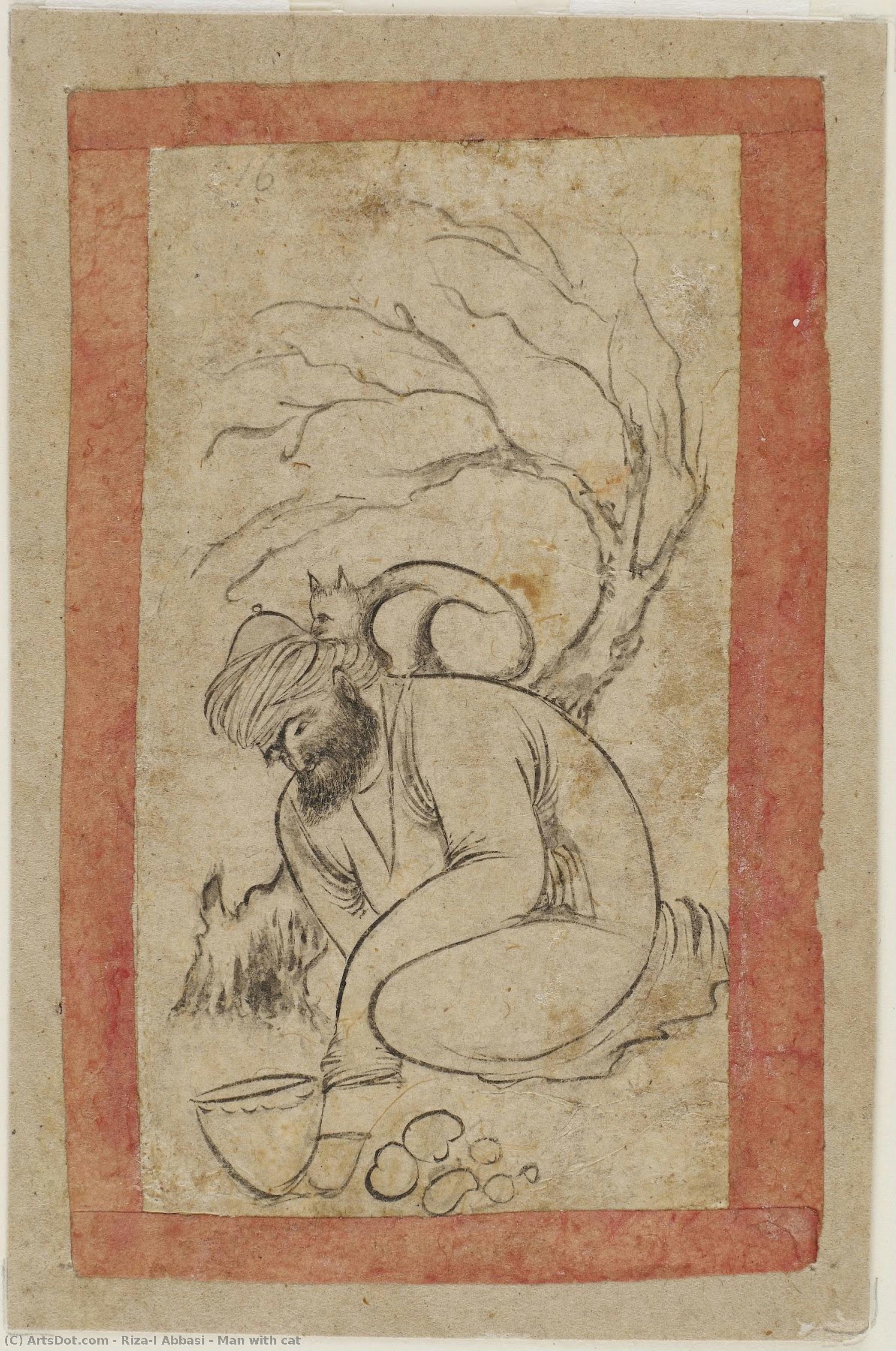
Man with cat


 Читать далее
Приобретите цифровое изображение высокого разрешения в улучшенном качестве, которое значительно превосходит онлайн-превью.
Каждый файл тщательно подготавливается нашими специалистами с использованием передовых инструментов и экспертной ручной ретуши. Мы гарантируем исключительную четкость, точную цветопередачу и детальную проработку каждого изображения.
Финальный файл доставляется по электронной почте в течение 72 часов и оптимизирован для немедленного использования в профессиональной среде, при верстке и печати. Это тот же уровень качества, которому доверяют ведущие дизайнерские студии, издательства и галереи.
Цифровое изображение
Скачайте файл высокого разрешения для личного использования, печати и творческих проектов. ( Перейти к печати Купить картину ручной работы)
Включено в каждый заказ цифровых изображений
Гарантия экспертной цифровой доставки
Выбирая ArtsDot.com, вы получаете не просто изображение — вы приобретаете профессионально обработанное цифровое произведение искусства, созданное с безупречной точностью и под защитой гарантии качества. Вот всё, что автоматически входит в ваш заказ:

Мгновенная доставка по e-mail
Ваш цифровой файл в высоком разрешении будет отправлен вам по электронной почте в течение 72 часов после оформления заказа — и сразу станет доступен для использования.

Цифровой файл с ИИ-улучшением
Ваше произведение искусства проходит профессиональную оптимизацию с использованием передовых инструментов ИИ и ручной обработки, что гарантирует максимальную детализацию, четкость и точность цветопередачи.

Бессрочная бесплатная повторная доставка
Случайно удалили или потеряли файл? Не беспокойтесь — мы отправим его вам повторно в любое время и совершенно бесплатно.

Без импортных пошлин — навсегда
Наслаждайтесь вашим произведением искусства мгновенно без таможенных пошлин, сборов или затрат на доставку — цифровые загрузки всегда не облагаются налогом.

Гарантия точности цветопередачи
Мы гарантируем, что ваше цифровое изображение максимально точно передает оригинальные цвета благодаря использованию профессиональных инструментов и систем управления цветом.

Гарантия удовлетворенности 100 дней
Если вы не будете удовлетворены своим цифровым изображением, мы внесем правки или вернем 100% стоимости в течение 100 дней — без лишних вопросов.

100% Гарантия возврата средств
Не удовлетворены покупкой? Получите полный возврат средств в течение 100 дней после получения цифрового файла — без лишних вопросов.

Скидки на оптовые заказы
Купите 3 изображения, сэкономьте 10% — Купите 5, сэкономьте 15% — Купите 10+, сэкономьте 20%. Отличное решение для творческих проектов, галерей и агентств.
Похожие произведения







Биография художника
The Radiant Brush of Reza Abbasi: A Legacy in Persian Miniature
Reza Abbasi, born circa 1565 and passing away around 1635, stands as a pivotal figure in the history of Persian art, particularly celebrated as the last great master of the Persian miniature tradition. His name, often rendered as Aqa Reza, resonates through centuries as synonymous with elegance, refinement, and an innovative spirit that reshaped artistic conventions during the Safavid dynasty. While his early life remains somewhat shrouded in mystery—with potential birthplaces including Kashan or Mashad—his ascent to prominence began within the imperial workshops of Shah Abbas I, a ruler whose ambitious patronage fueled a cultural renaissance across Persia. The shift from large-scale illustrated manuscripts towards smaller, more intimate album miniatures profoundly influenced Abbasi’s artistic trajectory, allowing him to focus on individual figures and scenes with unparalleled detail and expressive power.A Courtly Education and the Rise of Individual Expression
Abbasi's father, Ali Asghar, a skilled miniaturist himself, provided his son with foundational training, initially within the atelier of Prince Ibrahim Mirza before joining the court of Shah Ismail II in Qasvin. This early exposure to royal artistic circles instilled in Abbasi not only technical proficiency but also an understanding of the sophisticated aesthetic demands of the Safavid elite. However, it was under Shah Abbas I that his talent truly blossomed. The changing artistic landscape—a move away from epic narratives towards more personal and decorative forms—created a fertile ground for Abbasi’s unique style to emerge. Unlike many predecessors who remained anonymous, Abbasi consistently signed his work, often including dates and other identifying details, a testament to his growing confidence and individuality. This practice, though not entirely unprecedented, marked a significant shift in the artist's self-perception and contributed to the establishment of a distinct artistic identity. He is believed to have contributed to an ambitious, unfinished *Shahnameh*, now housed in the Chester Beatty Library, but it was his independent miniatures for private albums—the *muraqqa*—that would define his legacy.The Allure of Youth and the Refinement of Form
Abbasi’s artistic focus centered on idealized depictions of beautiful youths, often portrayed with graceful postures, elegant attire, and a subtle air of melancholy. These figures weren't merely portraits; they embodied a cultural ideal of beauty and refinement, reflecting the sophisticated tastes of the Safavid court. His compositions typically featured these figures set against lightly drawn garden backgrounds, sometimes accented with delicate gold detailing reminiscent of border paintings. He masterfully blended elements of traditional Persian aesthetics with influences from Chinese painting—particularly in his use of suggestive space and fluid lines—creating a style that was both deeply rooted in its heritage and strikingly original. Barbara Brend aptly describes the mastery of Abbasi’s ink drawings, noting their ability to convey texture, form, movement, and even personality. His color palettes were often restrained yet evocative, emphasizing rich textiles and fashionable garments. A recurring theme is the depiction of figures with a curved posture that accentuates their waists, reflecting contemporary ideals of beauty and sensuality.Influence and Legacy: Shaping Generations of Persian Painters
Reza Abbasi’s impact on subsequent generations of Persian painters was profound. His distinctive style—characterized by its elegant lines, refined forms, and focus on individual expression—became a benchmark for artistic excellence. He established a workshop that nurtured numerous talented pupils, including Mo'en Mosavver, who famously painted his portrait decades later, providing invaluable insight into the artist’s appearance and persona. His son, Muhammed Shafi Abbasi, also continued his father’s legacy, further disseminating his aesthetic principles throughout the Persian art world. The influence of Abbasi extended beyond his immediate circle, shaping the development of miniature painting for centuries to come. Even today, his works are celebrated for their exquisite beauty, technical virtuosity, and profound cultural significance. His ability to capture not only physical likeness but also a sense of inner life cemented his position as one of the most important figures in Persian art history.Historical Significance: A Reflection of Safavid Society
Reza Abbasi’s work offers a fascinating glimpse into the social and cultural milieu of 16th and 17th-century Persia. His depictions of stylishly dressed youths reflect the fashion trends and aesthetic preferences of the Safavid elite, while his emphasis on individual expression speaks to a growing sense of artistic self-awareness. The shift towards smaller-scale miniatures also reflects the changing economic landscape of the period, with private patronage becoming increasingly important as royal commissions declined. His art is not merely decorative; it’s a window into the values, beliefs, and aspirations of a sophisticated society undergoing significant transformation. The enduring appeal of Abbasi's miniatures lies in their ability to transcend time and culture, captivating viewers with their exquisite beauty and timeless elegance. His legacy continues to inspire artists and scholars alike, ensuring that his radiant brush will continue to illuminate the world of Persian art for generations to come.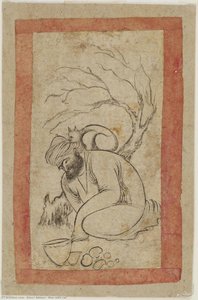
Основные сведения
- Artistic Movement Or Style: Isfahan School miniature
- Artists Or Movements Influenced By This Artist:
- Mo'en Mosavver
- Muhammed Shafi Abbasi
- Artists Who Influenced This Artist: ['Ali Asghar']
- Date Of Birth: c. 1565
- Date Of Death: 1635
- Full Name: Reza Abbasi
- Nationality: Persian
- Notable Artworks:
- Hunters at a Stream
- Lady with a Fan
- Khusraw and Shirin
- Place Of Birth: Kashan, Iran