 Предпросмотр
 Поделиться
 Поделиться
 Детали произведения

 Скачать
 Похожие работы
 Рентгенография
 Слайд-шоу
 Статистика
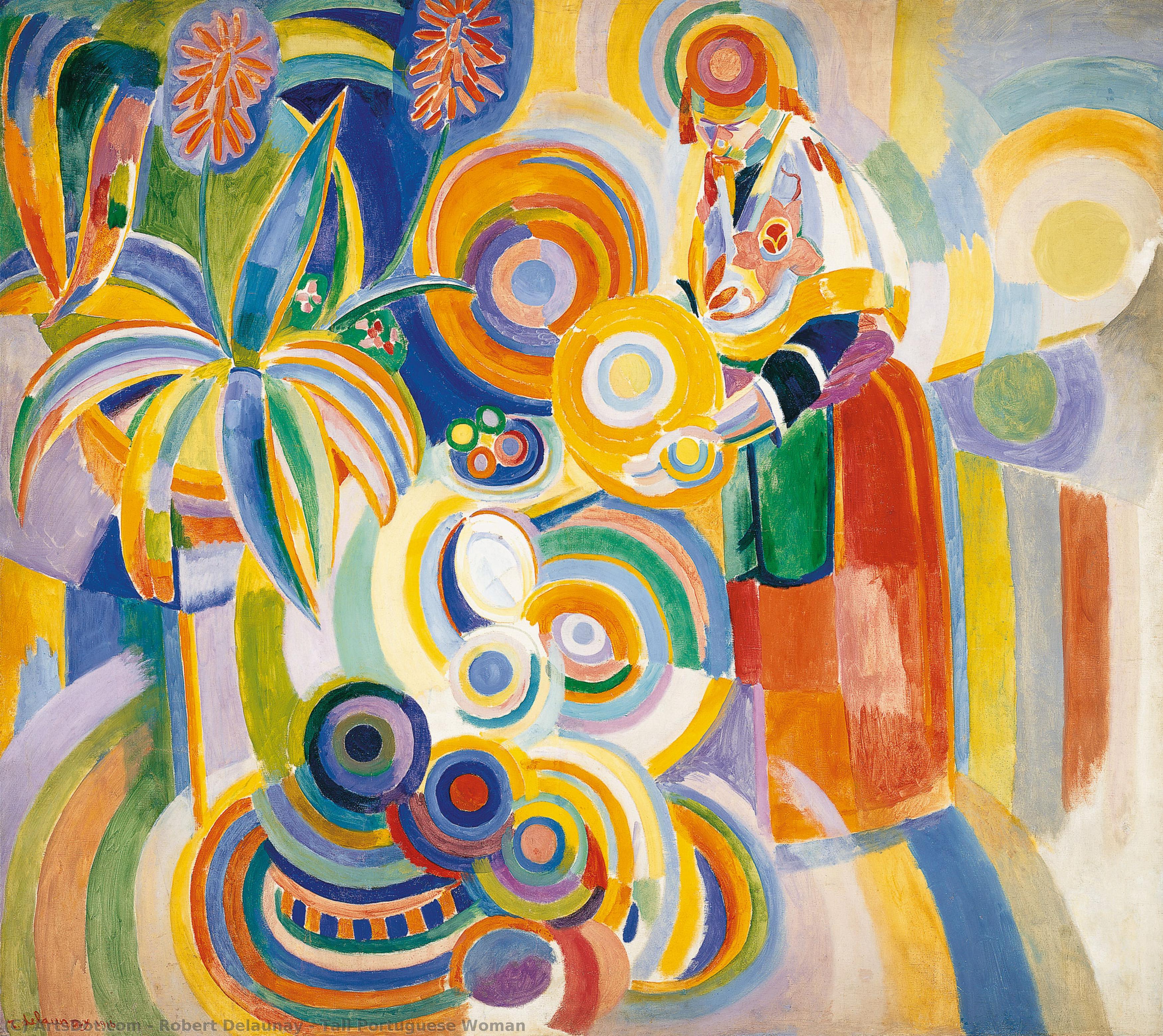
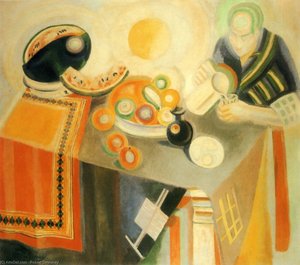
Tall Portuguese Woman
 Oil On Canvas
- WallArt
- Orphism
 1916
1916- Modern
 205.0 x 180.0 cm
 Музей Тиссен-Борнмиса
 Читать далее
Масляная репродукция ручной работы
Картина маслом на холсте в выбранном вами размере и раме, написанная на заказ нашими художниками. ( Перейти к печати Перейти к цифровым изображениям)




P118B $10

P118H $10

P118W $10

P438Z $10

P508JH $12

P508YH $12

P805H $10

P805Z $10

P919BZ $10

P919G $10

P919XJ $10

P959ZH $10

P968JZ $12

W106C $8

W218G $10

W218JH $8

W218Y $10

W307PJ $10

W316G $10

W316PJ $8

W316Y $10

W398PJ $8

W4111J $10

W500HY $15

W500JH $15

W692G $12

W849H $8

W940BG $15

W953PJ $8




Выберите один из наших стандартных размеров, соответствующих оригинальным пропорциям произведения искусства.

Вы можете указать собственные размеры, чтобы картина идеально вписалась в выбранную раму или пространство. Если выбранный вами размер не соответствует пропорциям оригинала, мы либо обрежем полотно, либо расширим его за счет дополнительных элементов, написанных вручную. Цифровой макет будет отправлен вам на утверждение перед началом производства.
Обратите внимание, что предварительный просмотр на экране не отражает фактическую обрезку или расширение. Только макет точно покажет окончательную композицию.
Хотя доступны индивидуальные размеры, мы рекомендуем выбирать вариант из предопределенного списка, чтобы сохранить исходные пропорции.
После оформления заказа команда ArtsDot.com свяжется с клиентом по электронной почте для уточнения деталей и предоставит предварительный макет
Доставка по всему миру () за 3–4 недели вместо стандартных 5 недель. (10 Сентябрь). Без компромиссов в качестве.

Бесплатная экспресс-доставка по всему миру

Высококачественный льняной холст

Полное страхование доставки

Гарантия возмещения таможенных пошлин

Гарантия точного соответствия цветов

100-дневная политика возврата (только при обнаружении дефектов)

Гарантия возврата 100% средств

Предложение оптовых скидок
 Вариант со стеклом доступен только для размеров менее 110 см

Tall Portuguese Woman
Техника репродукции
Размер репродукции
-


Итоговая стоимость
$ 263
A Symphony of Color: The Radiance of Tall Portuguese Woman
In the heart of the early twentieth century, amidst the global upheaval of World War I, Robert Delaunay breathed life into a vision of pure, unadulterated light with his masterpiece, Tall Portuguese Woman. This painting is far more than a mere portrait; it is a cornerstone of the Orphism movement, a revolutionary artistic departure that sought to liberate the canvas from the heavy shackles of representational realism. As one gazes upon this work, they are not simply looking at a figure, but are instead invited into a rhythmic dance of chromatic harmony. The subject, a woman draped in vibrant reds, emerges through a kaleidoscope of shapes and hues, serving as an anchor for a composition that celebrates the scientific beauty of color perception and the boundless optimism of the modern era.
The technique employed by Delaunay in this 1916 creation is nothing short of extraordinary. By masterfully blending oil paint with wax on canvas, he achieved a luminous, tactile quality that allows light to seem as though it is emanating from within the painting itself. This unique fusion of materials grants the artist unparalleled control over tonal depth, enabling him to layer textures that create a sense of movement and vitality. The way the pigments interact—juxtapasting complementary colors to create visual vibrations—transforms the canvas into a dynamic experience. For the discerning collector or interior designer, this piece offers a profound sensory engagement, where every brushstroke contributes to a rich, multi-dimensional surface that commands attention in any sophisticated space.
Orphism and the Emotional Language of Abstraction
To understand Tall Portuguese Woman, one must delve into the soul of Orphism. Alongside his pioneering wife, Sonia Delaunay, Robert sought to establish a new visual language where color functioned as the primary carrier of emotion and intellect. Rejecting the illusionistic realism of previous generations, Delaunay utilized geometric fragments and intense pigments to evoke the very essence of life. The painting acts as a bridge between the recognizable world and pure abstraction; while we see the silhouette of a woman and the delightful presence of fruits like apples and bananas, these elements are secondary to the rhythmic arrangement of light and form. It is a celebration of synesthesia—the idea that color can be felt as music or seen as sound.
The historical context of the piece adds a layer of poignant resilience to its beauty. Created while the artist was navigating the uncertainties of war, the painting stands as a defiant assertion of vitality against the shadow of conflict. There is an inherent joy in the way the red of the dress interacts with the surrounding decorative elements, creating a sense of abundance and peace. For those seeking to infuse their surroundings with inspiration, this artwork provides a timeless sense of energy and grace. It is a piece that does not merely decorate a room but transforms it, offering a window into a world where color is the ultimate expression of the human spirit.
Похожие произведения


Биография художника
Robert Delaunay: A Pioneer of Abstract Color
Robert Delaunay, born in Paris on April 12, 1885, emerged as a pivotal figure in the radical artistic transformations of the early twentieth century. Though initially drawn to more traditional forms of painting—particularly decorative arts—his artistic journey swiftly propelled him toward an exploration of color and light that would ultimately define his legacy and contribute significantly to the genesis of abstract art. Delaunay wasn’t merely concerned with *representing* reality; he aspired to capture its essence through a vibrant language of geometric shapes and luminous hues, co-founding the Orphism movement alongside Sonia Delaunay, Jean Metzinger, and others who shared his visionary perspective. His formative years were marked by familial instability—his parents divorced when he was young—yet this perhaps fostered an independent spirit that proved invaluable in challenging artistic conventions prevalent at the time. He commenced his artistic pursuits with a focus on theatrical design, honing his skills in composition and visual storytelling before dedicating himself to painting, debuting at the Salon des Indépendents as early as 1904, demonstrating immediate talent and ambition.Early Influences: Divisionism and Impressionism
Delaunay’s initial artistic explorations were deeply rooted in Neo-Impressionism, or Divisionism. Absorbing Henri Matisse’s pioneering approach to color theory—specifically the principle of applying small, distinct dots of pigment—he meticulously replicated optical phenomena, striving for a shimmering effect that mirrored the natural world. However, Delaunay quickly transcended mere replication; he interrogated the expressive potential inherent within color itself. This intellectual curiosity found fertile ground in his friendship with Jean Metzinger, who collaboratively investigated fragmented forms and mosaic-like compositions—a technique that would foreshadow their later involvement in Cubism. These formative collaborations established a bedrock for their subsequent explorations of Cubist aesthetics, though Delaunay ultimately distinguished himself from its more analytical tendencies. Rejecting the dissection of objects into geometric components championed by Picasso and Braque, he prioritized synthesizing disparate elements into dynamic arrangements imbued with rhythm and movement—a decisive shift that cemented his position as an innovator.The Birth of Orphism: Color as Emotion
A pivotal moment in Delaunay’s artistic trajectory arrived with the emergence of Orphism—a term coined by poet Guillaume Apollinaire—which sought to liberate art from representational constraints and evoke profound emotional responses through chromatic intensity. Unlike Cubism's objective analysis, Orphism prioritized subjective experience, mirroring the burgeoning Expressionist movement. Delaunay and Sonia Delaunay established a unique artistic language characterized by bold hues, geometric abstraction, and a lyrical quality that aimed to harmonize visual elements with musical principles—a daring departure from accepted artistic norms. Their collaborative endeavors culminated in monumental murals for the 1937 Paris International Exposition, showcasing their mastery of color and architectural design. This ambitious project solidified Delaunay’s conviction that art could transcend mere visual perception, engaging viewers on an emotional level and reflecting the spirit of a transformative era.Iconic Works: The Eiffel Tower and Beyond
Delaunay's artistic legacy rests upon several seminal works that exemplify his distinctive style and conceptual breakthroughs. Among these stand out “The Eiffel Tower” (1909-1911) and “Simultaneous Contrasts: Sun and Moon” (1913)—pieces that encapsulate the essence of Orphism’s core tenets. In “The Eiffel Tower,” Delaunay meticulously deconstructed the iconic Parisian landmark into a network of intersecting planes—a technique reminiscent of Cubist fragmentation—yet simultaneously imbued it with vibrant hues that conveyed a sense of dynamism and movement. This masterful manipulation of color wasn't merely decorative; it served as a conduit for conveying emotional resonance, mirroring Apollinaire’s poetic vision. Similarly, “Simultaneous Contrasts” presented a complex interplay of geometric shapes and chromatic contrasts—a testament to Delaunay’s unwavering belief in the transformative power of color theory.A Lasting Influence: Shaping Modern Art
Robert Delaunay's theoretical contributions extended beyond his artistic practice, profoundly impacting subsequent generations of artists. His conviction that color possessed an active role in shaping perceptual experience resonated deeply with figures like Paul Klee, Franz Marc, August Macke, and even Russian avant-garde movements—artists who embraced abstraction and prioritized emotional expression over meticulous realism. Delaunay’s pioneering work irrevocably altered the trajectory of modern art, establishing a precedent for exploring visual forms divorced from representational conventions. His enduring influence continues to inspire artists today, reminding us that true artistic innovation lies in challenging established paradigms and embracing the boundless potential of color as a medium for conveying emotion and stimulating intellectual contemplation.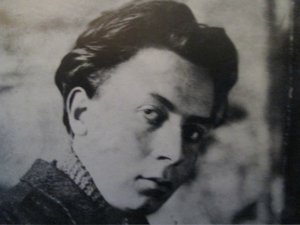
Роберт Делаunay
1885 - 1941 , Франция
Основные сведения
- Artistic Movement Or Style: Орфизм и Кубизм
- Artists Or Movements Influenced By This Artist:
- Генри Маке
- Русское авангардизм
- Artists Who Influenced This Artist:
- Жан Мецтингер
- Сонья Делаunay
- Date Of Birth: April 12, 1885
- Date Of Death: Oct. 25, 1941
- Full Name: Robert Delaunay
- Nationality: Французский
- Notable Artworks:
- Эйфелева башня
- Совместные контрасты: Солнце и Луна
- Окна открываются одновременно
- Place Of Birth: Paris, France
Похожие статьи

Топ-25 шедевров Василия Кандинского: Абстрактное искусство для вашего интерьера
Погрузитесь в мир абстрактного искусства с Василием Кандинским! 25 шедевров экспрессионизма, баухауса и русского авангарда. Репродукции картин Кандинского для вдохновения и декора вашего интерьера. Откройте всю коллекцию на ArtsDot.com

Геометрическая абстракция: 10 шедевров, изменивших искусство | ArtsDot.com
Погрузитесь в мир геометрической абстракции! От Кандинского до Малевича – 10 шедевров, изменивших искусство. Узнайте историю создания и значение культовых картин. Репродукции музейного качества на ArtsDot.com. Вдохновение для вашего интерьера!
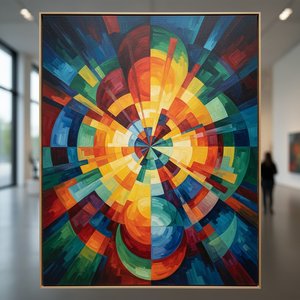
Orphism: A Symphony of Color and Form – Exploring the Abstract Roots of Modern Art
Explore Orphism, the vibrant abstract art movement pioneered by Robert & Sonia Delaunay. Discover its unique color theory, lasting influence on modern art, and how to bring this 'symphony of color' into your home with ArtsDot.
Sonia Delaunay: A Life in Color – Exploring the Rhythms of Abstraction and Synesthesia
Explore the vibrant world of Sonia Delaunay, a pioneer of abstract art and co-founder of Orphism. Discover her revolutionary use of color, geometric forms, and influence on modern design. A deep dive into her life & legacy.
Топ-10 шедевров абстрактного экспрессионизма: искусство для вашего интерьера от ArtsDot.com
Погрузитесь в мир абстрактного экспрессионизма! Откройте для себя 10 шедевров Поллока, Ротко и других гениев. История искусства, техники живописи и вдохновение для вашего интерьера от ArtsDot.com. Explore the full collection online!