

 Предпросмотр
 Поделиться
 Поделиться
 Детали произведения

 Скачать
 Похожие работы
 Рентгенография
 Слайд-шоу
 Статистика
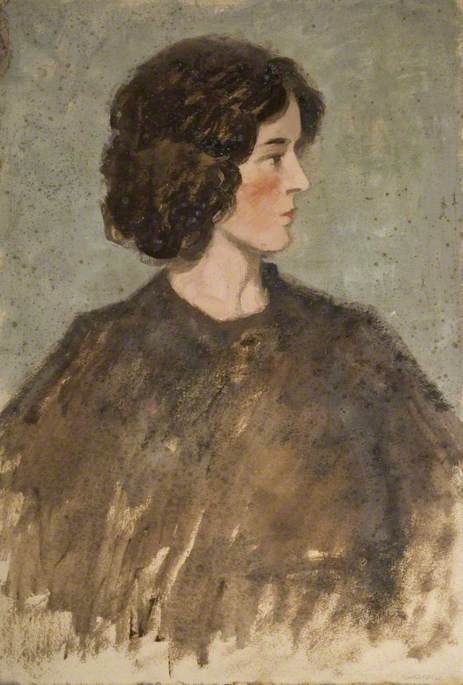
Portrait of a Lady
 Romanticism
 61.0 x 40.0 cm
 Читать далее
Приобретите цифровое изображение высокого разрешения в улучшенном качестве, которое значительно превосходит онлайн-превью.
Каждый файл тщательно подготавливается нашими специалистами с использованием передовых инструментов и экспертной ручной ретуши. Мы гарантируем исключительную четкость, точную цветопередачу и детальную проработку каждого изображения.
Финальный файл доставляется по электронной почте в течение 72 часов и оптимизирован для немедленного использования в профессиональной среде, при верстке и печати. Это тот же уровень качества, которому доверяют ведущие дизайнерские студии, издательства и галереи.
Цифровое изображение
Скачайте файл высокого разрешения для личного использования, печати и творческих проектов. ( Перейти к печати Купить картину ручной работы)
Включено в каждый заказ цифровых изображений
Гарантия экспертной цифровой доставки
Выбирая ArtsDot.com, вы получаете не просто изображение — вы приобретаете профессионально обработанное цифровое произведение искусства, созданное с безупречной точностью и под защитой гарантии качества. Вот всё, что автоматически входит в ваш заказ:

Мгновенная доставка по e-mail
Ваш цифровой файл в высоком разрешении будет отправлен вам по электронной почте в течение 72 часов после оформления заказа — и сразу станет доступен для использования.

Цифровой файл с ИИ-улучшением
Ваше произведение искусства проходит профессиональную оптимизацию с использованием передовых инструментов ИИ и ручной обработки, что гарантирует максимальную детализацию, четкость и точность цветопередачи.

Бессрочная бесплатная повторная доставка
Случайно удалили или потеряли файл? Не беспокойтесь — мы отправим его вам повторно в любое время и совершенно бесплатно.

Без импортных пошлин — навсегда
Наслаждайтесь вашим произведением искусства мгновенно без таможенных пошлин, сборов или затрат на доставку — цифровые загрузки всегда не облагаются налогом.

Гарантия точности цветопередачи
Мы гарантируем, что ваше цифровое изображение максимально точно передает оригинальные цвета благодаря использованию профессиональных инструментов и систем управления цветом.

Гарантия удовлетворенности 100 дней
Если вы не будете удовлетворены своим цифровым изображением, мы внесем правки или вернем 100% стоимости в течение 100 дней — без лишних вопросов.

100% Гарантия возврата средств
Не удовлетворены покупкой? Получите полный возврат средств в течение 100 дней после получения цифрового файла — без лишних вопросов.

Скидки на оптовые заказы
Купите 3 изображения, сэкономьте 10% — Купите 5, сэкономьте 15% — Купите 10+, сэкономьте 20%. Отличное решение для творческих проектов, галерей и агентств.
A Glimpse into Quiet Contemplation: Robert Ernest Mceune's "Portrait of a Lady"
This evocative oil painting by Robert Ernest Mceune offers a poignant glimpse into the introspective world of a young woman. Executed around the early 20th century, this portrait captures her in profile, presenting a study in quiet dignity and subtle melancholy. The artwork’s strength lies not in flamboyant detail but in its ability to convey a profound sense of mood through restrained color and expressive brushwork – hallmarks of the Romantic style that influenced Mceune's work. The subject’s gaze is averted, inviting viewers to project their own interpretations onto her expression, fostering a deeply personal connection with the artwork.Style & Technique: A Blend of Academic Tradition and Romantic Sensibility
Mceune demonstrates a mastery of oil painting techniques within a framework that blends academic portraiture with the emotional depth characteristic of Romanticism. The application of paint is loose and textured, evident in the visible brushstrokes which contribute to the artwork’s aged appearance and imbue it with a sense of immediacy. Thin glazes of oil paint are layered meticulously to build up tones and create subtle shifts in light and shadow. This technique allows for a remarkable depth despite the composition's two-dimensional nature. The muted palette, dominated by browns and earth tones, further enhances the somber and contemplative atmosphere. The absence of sharp outlines emphasizes the organic forms of the face and clothing, creating a soft, flowing aesthetic.Historical Context & Artistic Influences
Robert Ernest Mceune (1876-1952) was a British artist known for his serene landscapes, still lifes, and character studies, often depicting scenes from Switzerland. While this portrait doesn't depict a landscape, it shares with his other works a quiet observation of human form and emotion. The early 20th century witnessed a shift away from the rigid formality of Victorian portraiture towards more expressive and psychologically nuanced representations. Mceune’s work reflects this transition, drawing inspiration from earlier Romantic masters while forging his own distinct style. The focus on capturing mood and inner life aligns with broader artistic trends emphasizing emotional authenticity over strict realism.Symbolism & Emotional Resonance
Beyond the purely aesthetic qualities of the painting, "Portrait of a Lady" carries subtle symbolic weight. The subject’s downcast gaze and slightly melancholic expression suggest introspection or perhaps a quiet sadness. The somber color scheme reinforces this feeling, evoking a sense of nostalgia or peaceful contemplation. While no overt narrative is presented, the portrait invites viewers to consider the woman's story – her thoughts, her feelings, her place in the world. This ambiguity contributes to the artwork’s enduring appeal and allows for multiple interpretations, making it a captivating piece for both art enthusiasts and those seeking to add a touch of quiet elegance to their space.- Materials: Oil paints on canvas
- Size: 61 x 40 cm
- Date: Unknown (Early 20th Century)
Похожие произведения
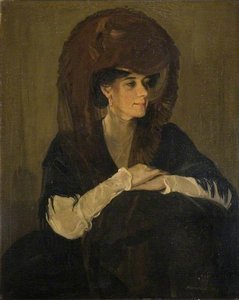
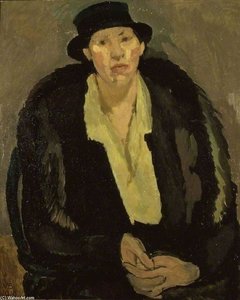
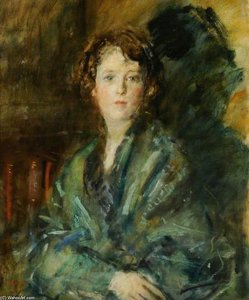
Биография художника
Robert Ernest McEune: A Quiet Observer of the British Landscape
Robert Ernest McEune (1876-1952) was a largely unsung British artist whose career spanned nearly half a century, marked by a consistent dedication to capturing the serene beauty of the English countryside and offering intimate portraits of his subjects. Though he never achieved widespread fame during his lifetime, his work—primarily oil paintings and watercolours—now resides in public collections across Britain, revealing a subtle yet compelling artistic voice deeply rooted in the traditions of academic art while possessing a distinctly personal sensibility.
Born in Gateshead, County Durham, in 1876, McEune’s early life was shaped by his family's modest circumstances. His father, Robert McEune, a grocer, faced financial difficulties and declared bankruptcy in 1881, an event that likely influenced the young artist’s pragmatic approach to his profession. Despite this challenging beginning, McEune pursued artistic training at the Gateshead School of Art and later at Kings College, Newcastle, honing his skills in various mediums. He initially worked as a clerk for a local coal company, balancing his art with the demands of a working life – a pattern that would continue throughout much of his career.
McEune’s artistic development is particularly notable through his work for Milner & Co., a prominent Halifax publishing house specializing in affordable children's books. From around 1900 until the early 1920s, he illustrated numerous titles, including adaptations of classic stories like *Alice’s Adventures in Wonderland* and *Tom Brown’s Schooldays*. These illustrations, characterized by their detailed realism and subtle tonal variations, demonstrate a mastery of watercolour techniques and a keen eye for capturing human character. While the exact dates of these commissions remain somewhat elusive, they represent a crucial period in McEune's artistic journey, providing him with valuable experience and exposure.
Following his retirement from employment, McEune settled in Penrith, Cumberland, where he continued to paint prolifically. He also took on the role of art teacher at Newcastle’s Royal Grammar School, sharing his knowledge and passion with a new generation of artists. His later works often focused on landscapes – particularly scenes from Northumberland – rendered with a quiet dignity and an appreciation for the subtle shifts in light and colour. These paintings reflect a mature artistic perspective, imbued with a sense of peace and contemplation. McEune’s style evolved over time, moving away from the more illustrative techniques of his earlier work towards a greater emphasis on capturing atmospheric effects and conveying mood through brushwork.
A Portfolio of Landscapes and Portraits
McEune's oeuvre is remarkably diverse, encompassing landscapes, portraits, still lifes, and studies of plaster busts. His landscape paintings are particularly noteworthy for their ability to evoke the tranquility of the English countryside. Works like “Cottage Lane in Winter” and “The Thames at Windsor” capture the essence of rural life with a delicate sensitivity, revealing an intimate understanding of light, texture, and composition. His portraits, often characterized by their understated realism and psychological depth, offer glimpses into the lives of ordinary people – fishermen mending lobster pots, old men, and young boys.
The Shipley Art Gallery in Newcastle holds a significant collection of McEune’s work, including several key pieces that exemplify his artistic style. These paintings—ranging from intimate studies to expansive landscapes—provide valuable insights into the artist's creative process and his enduring fascination with the beauty of the British Isles. The gallery’s holdings also include numerous watercolours, showcasing McEune’s versatility and his ability to capture fleeting moments of light and colour.
Influences and Artistic Style
McEune’s artistic style is best described as a blend of academic tradition and personal observation. He was undoubtedly influenced by the prevailing artistic conventions of his time, particularly the emphasis on realism and meticulous detail that characterized much of 19th-century British art. However, he also possessed a distinctive sensibility—a quietness and restraint that set him apart from more flamboyant or expressive artists. His use of muted tones, subtle brushwork, and careful attention to detail create paintings that are both visually appealing and emotionally resonant.
The artist’s work can be seen as a reflection of the broader cultural context in which he lived—a period of social change and artistic experimentation. While McEune never actively engaged with avant-garde movements, his paintings nonetheless embody a sense of quiet dignity and understated beauty that resonated with many viewers during his lifetime.
Legacy and Historical Significance
Despite his relative obscurity during his lifetime, Robert Ernest McEune’s work has gained increasing recognition in recent years. His paintings are now appreciated for their quiet charm, technical skill, and subtle emotional depth. McEune's contribution to British art lies not in groundbreaking innovation but rather in his consistent dedication to capturing the beauty of everyday life and offering intimate portraits of a bygone era.
His work serves as a reminder that artistic excellence can be found in unexpected places—in the hands of artists who quietly pursued their craft with passion and integrity. The collection held by the Shipley Art Gallery, along with other public collections across Britain, ensures that McEune’s legacy will continue to inspire and delight future generations of art lovers.
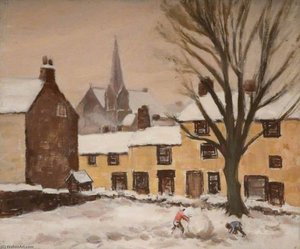
robert ernest mceune
1876 - 1952
Основные сведения
- Artistic Movement Or Style: Academic Realism
- Artists Or Movements Influenced By This Artist: ['Ernest Hébert']
- Artists Who Influenced This Artist: ['William Fitzjames White']
- Date Of Birth: 1876-09-12
- Date Of Death: 1952-03-24
- Full Name: Robert Ernest McEune
- Nationality: British
- Notable Artworks:
- Portrait of a Lady
- Head of a Young Man
- Oil Study Plaster Bust
- Place Of Birth: Gateshead, England