

 Предпросмотр
 Поделиться
 Поделиться
 Детали произведения

 Скачать
 Похожие работы
 Рентгенография
 Слайд-шоу
 Статистика
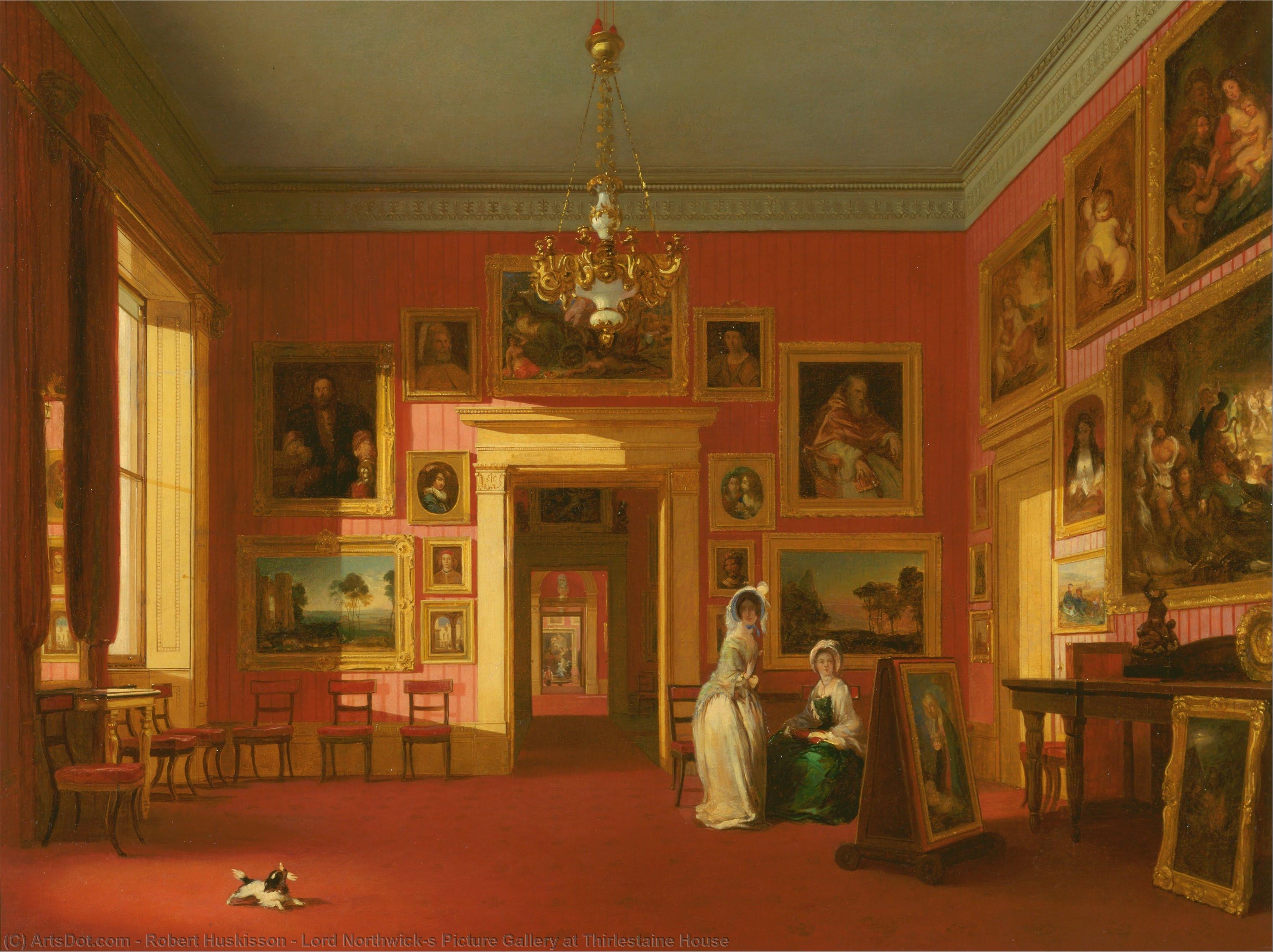
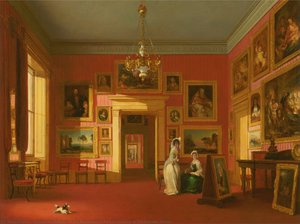
Lord Northwick's Picture Gallery at Thirlestaine House


 Читать далее
Жикле / Арт-принт
Печать (жикле) или холст музейного качества с быстрыми сроками изготовления и широким выбором вариантов отделки. ( Купить картину ручной работы Перейти к цифровым изображениям)




P118B $10

P118H $10

P118W $10

P438Z $10

P508JH $12

P508YH $12

P805H $10

P805Z $10

P919BZ $10

P919G $10

P919XJ $10

P959ZH $10

P968JZ $12

W106C $8

W218G $10

W218JH $8

W218Y $10

W307PJ $10

W316G $10

W316PJ $8

W316Y $10

W398PJ $8

W4111J $10

W500HY $15

W500JH $15

W692G $12

W849H $8

W940BG $15

W953PJ $8




Выберите один из наших стандартных размеров, соответствующих оригинальным пропорциям произведения искусства.

Вы можете указать свои собственные размеры, чтобы репродукция идеально подошла под конкретную раму или пространство. Если выбранный вами размер не будет соответствовать пропорциям оригинала, мы либо обрежем произведение, либо дополним изображение зеркальным отражением краев или однотонной заливкой. Перед началом производства вам будет отправлен цифровой макет для утверждения.
Пожалуйста, обратите внимание, что предварительный просмотр на экране не отображает фактическую обрезку или расширение изображения. Только макет точно покажет финальную композицию.
Несмотря на возможность заказа индивидуальных размеров, мы рекомендуем выбирать размер из предопределенного списка, чтобы сохранить оригинальные пропорции.
Доставка по всему миру () за 2 недели вместо стандартных 4/5 недель. (13 Сентябрь)

Бесплатная экспресс-доставка по всему миру

Высококачественный льняной холст

Полное страхование доставки

Гарантия возмещения таможенных пошлин

Гарантия точного соответствия цветов

100-дневная политика возврата (только при обнаружении дефектов)

Гарантия возврата 100% средств

Предложение оптовых скидок
 Вариант со стеклом доступен только для размеров менее 110 см

Lord Northwick's Picture Gallery at Thirlestaine House
Жикле / Арт-принт
Размер репродукции
-


Итоговая стоимость
$ 62
A Glimpse into Victorian Grandeur
In his evocative 1847 masterpiece, Lord Northwick's Picture Gallery at Thirlestaine House, Robert Huskisson invites the viewer to step through a portal into the opulent heart of nineteenth-century British high society. The painting serves as more than just a depiction of a room; it is a profound meditation on the intersection of private life and public prestige. As we gaze upon the scene, we find ourselves immersed in a sanctuary of culture, where the walls are adorned with a curated collection of thirteen distinct paintings that whisper stories of antiquity and romance. The composition is anchored by the presence of a woman, seated with a quiet, contemplative grace amidst the splendor. Her stillness contrasts beautifully with the vibrant energy of the gallery, creating a sense of timelessness that captures the very essence of the Victorian era's fascination with legacy and the preservation of beauty.
The atmosphere is further enriched by the subtle inclusion of a loyal companion—a dog resting peacefully on the crimson carpet. This small, tender detail breathes life into the formal setting, softening the grandeur of the museum-like environment with a touch of domestic warmth. The interplay between the structured, academic arrangement of the artworks and the organic, lived-in presence of the woman and her pet creates a narrative tension that is both captivating and deeply human. For the collector or interior designer, this piece offers a window into an era where art was not merely decoration but a fundamental component of one's identity and social standing.
Technique and the Art of Atmosphere
Huskisson demonstrates a masterful command over light and texture, utilizing a technique that breathes depth into every corner of Thirlestaine House. The way the light falls across the red carpet and catches the gilded frames of the various paintings suggests a sophisticated understanding of interior illumination. Each brushstroke contributes to a rich, layered texture, from the heavy, dignified presence of the furniture to the delicate, ethereal quality of the shadows dancing in the periphery. The artist employs a palette that balances the deep, regal tones of the gallery's furnishings with the varied colors found within the miniature worlds of the displayed artworks themselves.
The meticulous attention to detail—the way each painting on the wall seems to possess its own distinct character and scale—demonstrates Huskisson’s ability to manage complex compositions without overwhelming the viewer. This level of precision makes a high-quality reproduction of this work an extraordinary choice for any sophisticated interior. It provides a focal point that commands attention, offering a sense of historical depth and architectural grandeur that can transform a modern space into a gallery of refined taste.
A Legacy of Romanticism and Refinement
Beyond its visual splendor, the painting functions as a historical document of a vanished world. During the mid-19th century, the ability to amass such a collection was a profound symbol of intellectual curiosity and wealth. Huskisson, known for his ability to capture the enchanting and the fantastical, applies that same sense of wonder to this realistic setting, imbuing the gallery with a dreamlike, almost reverent quality. The piece resonates with the Romantic movement's emphasis on emotion and the sublime, inviting the viewer to lose themselves in the layers of history presented within the frame.
For those seeking to infuse their homes or curated collections with a sense of narrative and prestige, Lord Northwick's Picture Gallery stands as an incomparable inspiration. It is a work that celebrates the enduring power of art to shape our environments and our souls. Owning a reproduction of this masterpiece is not merely about acquiring a beautiful image; it is about bringing a piece of history, a sense of quiet luxury, and a profound appreciation for the beauty of the past into the contemporary world.
Похожие произведения
Биография художника
A Visionary of the Victorian Fairy Realm: The Life and Art of Robert Huskisson
Robert Huskisson, a name perhaps less immediately recognizable than his Pre-Raphaelite contemporaries, nevertheless occupies a unique and enchanting position within 19th-century British art. Born in Langar, Nottinghamshire, around 1820 – records are somewhat sparse regarding the precise date – Huskisson emerged as a significant figure specializing in fairy paintings during the Victorian era, a time captivated by folklore, romanticism, and an increasing fascination with the unseen world. Initially christened Robert Locking Huskinson, he and his brother Leonard adopted the simpler spelling of “Huskisson” upon their move to London in 1839, marking a deliberate step towards establishing their artistic identities. The foundation for their artistic pursuits was laid by their father, Henry Huskinson, a portrait painter who provided early tutelage, instilling in both sons a foundational understanding of technique and observation.Early Career and the Rise of Fairy Painting
Huskisson’s work first appeared at the Royal Academy as early as 1838, but it was not until 1847 that his fairy paintings began to attract attention. This shift in focus reflects a growing public appetite for whimsical subjects, fueled by literary trends and a burgeoning interest in mythology. While portraiture provided a stable income, Huskisson’s true passion lay in depicting the ethereal realm of fairies – delicate creatures inhabiting moonlit glades and enchanted forests. These were not the mischievous sprites of earlier folklore; instead, Huskisson presented them as graceful, almost human figures, often engaged in scenes of courtly life or contemplative solitude. His brother Leonard also painted fairy subjects, leading to some confusion regarding attribution over time, but Robert’s work is generally distinguished by a greater emphasis on atmospheric detail and emotional depth. The early exhibitions were met with moderate success, establishing Huskisson as a specialist within a niche genre that was rapidly gaining popularity among collectors seeking escapism and decorative beauty.Technique, Influences, and Artistic Style
Huskisson’s artistic style is firmly rooted in Romanticism, characterized by its emphasis on emotion, imagination, and the sublime power of nature. However, his work also displays a distinct Victorian sensibility – a meticulous attention to detail, a refined sense of composition, and a penchant for narrative storytelling. He employed a delicate brushstroke and a rich palette, often utilizing luminous glazes to create an otherworldly glow. The influence of earlier masters like Richard Dadd is evident in the intricate detailing of his fairy figures and landscapes, but Huskisson developed a unique voice through his focus on atmosphere and psychological nuance. Midsummer Night’s Fairies, one of his most celebrated works, exemplifies this style – a scene brimming with delicate forms, soft lighting, and an underlying sense of mystery. He wasn't merely illustrating fairy tales; he was attempting to capture the *feeling* of enchantment, the fleeting beauty of a world just beyond our perception.Later Life and Legacy
Despite achieving recognition within his chosen field, Huskisson’s later life appears to have been marked by obscurity. After exhibiting at the Royal Academy in 1854, documentation becomes increasingly scarce. He died in London on October 6th, 1861, without receiving an obituary in The Art Journal, a testament to his somewhat marginalized position within the broader art world. However, interest in his work experienced a revival following the inclusion of four paintings in a Royal Academy exhibition in 1997, bringing renewed attention to his unique contribution to Victorian art. Today, Huskisson’s fairy paintings are highly sought after by collectors and museums alike, representing a captivating glimpse into the imagination of a bygone era. His works continue to resonate with audiences captivated by their delicate beauty, romantic atmosphere, and enduring sense of wonder.Historical Significance and Enduring Appeal
Robert Huskisson's significance lies not in revolutionizing painting technique but in his dedicated exploration of a specific theme – the fairy realm – at a pivotal moment in Victorian culture. He tapped into a widespread fascination with folklore and mythology, offering viewers an escape from the realities of industrialization and social change. His paintings provide valuable insight into the Victorian imagination, revealing a desire for beauty, enchantment, and a connection to the natural world.- His work reflects the Romantic preoccupation with emotion and the sublime.
- He exemplifies the Victorian emphasis on detail and narrative storytelling.
- Huskisson’s fairy paintings offer a unique perspective on folklore and mythology.
- His art continues to inspire contemporary artists and captivate audiences worldwide.
Основные сведения
- Artistic Movement Or Style: Romanticism, Fairy Painting
- Artists Who Influenced This Artist: ['Henry Huskinson (father)']
- Date Of Birth: 1820
- Date Of Death: October 6, 1861
- Full Name: Robert Locking Huskisson
- Nationality: British
- Notable Artworks:
- Midsummer Night's Fairies
- Titania and her Court
- Place Of Birth: Langar, Nottingham, UK
Похожие статьи
Robert Lillie: A Study in Victorian Genre Painting and Domestic Narrative
Explore the captivating Victorian genre paintings of Robert Lillie (1867-1949). Discover his serene Scottish landscapes and intimate domestic scenes, reflecting a unique artistic vision. Learn about his life, style & legacy.

Crimson Threads of Narrative: Exploring Symbolism & Representation in Artworks Featuring the Red Dress
Explore the rich symbolism of the red dress in art history! From ancient power displays to iconic portraits like Cézanne’s 'Madame Cezanne', discover the cultural and artistic significance behind this captivating color. Expert analysis & insights.
David Roberts: A Scottish Pioneer of Topographical Art & Orientalist Vision
Explore the captivating world of David Roberts, a pioneering Scottish painter renowned for his detailed Orientalist scenes & stunning Egyptian landscapes. Discover his legacy and find museum-quality reproductions at ArtsDot.
25 Шедевров Национальной Галереи Искусств: Открывая Величие Живописи с ArtsDot
Откройте для себя 25 шедевров Национальной галереи искусств! Узнайте истории Сезанна, Матисса и других великих художников. Вдохновение для интерьера и репродукции картин высокого качества на ArtsDot.com.
25 Шедевров Национальной Галереи Лондона: Искусство для Вашего Дома | ArtsDot
Откройте для себя 25 шедевров Национальной галереи Лондона! Узнайте истории Ван Гога, Моне и Рембрандта. Купите репродукции картин на холсте высокого качества для вашего дома. Вдохновение и искусство – ArtsDot.com