

 Предпросмотр
 Поделиться
 Поделиться
 Детали произведения

 Скачать
 Похожие работы
 Рентгенография
 Слайд-шоу
 Статистика
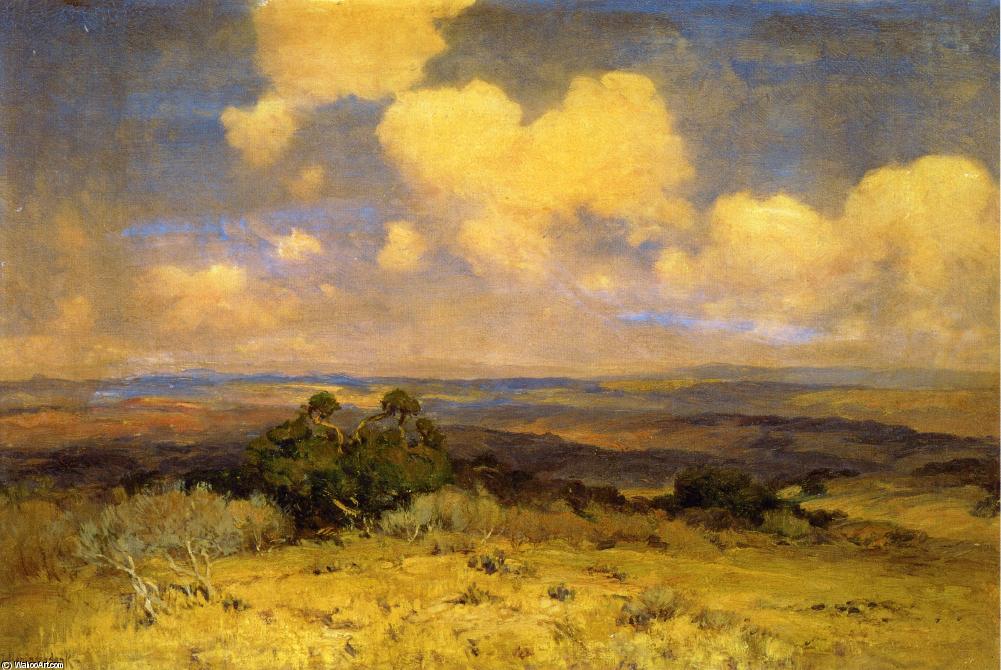
Sunlight and Shadow


 Читать далее
Масляная репродукция ручной работы
Картина маслом на холсте в выбранном вами размере и раме, написанная на заказ нашими художниками. ( Перейти к печати Перейти к цифровым изображениям)




P118B $10

P118H $10

P118W $10

P438Z $10

P508JH $12

P508YH $12

P805H $10

P805Z $10

P919BZ $10

P919G $10

P919XJ $10

P959ZH $10

P968JZ $12

W106C $8

W218G $10

W218JH $8

W218Y $10

W307PJ $10

W316G $10

W316PJ $8

W316Y $10

W398PJ $8

W4111J $10

W500HY $15

W500JH $15

W692G $12

W849H $8

W940BG $15

W953PJ $8




Выберите один из наших стандартных размеров, соответствующих оригинальным пропорциям произведения искусства.

Вы можете указать собственные размеры, чтобы картина идеально вписалась в выбранную раму или пространство. Если выбранный вами размер не соответствует пропорциям оригинала, мы либо обрежем полотно, либо расширим его за счет дополнительных элементов, написанных вручную. Цифровой макет будет отправлен вам на утверждение перед началом производства.
Обратите внимание, что предварительный просмотр на экране не отражает фактическую обрезку или расширение. Только макет точно покажет окончательную композицию.
Хотя доступны индивидуальные размеры, мы рекомендуем выбирать вариант из предопределенного списка, чтобы сохранить исходные пропорции.
После оформления заказа команда ArtsDot.com свяжется с клиентом по электронной почте для уточнения деталей и предоставит предварительный макет
Доставка по всему миру () за 3–4 недели вместо стандартных 5 недель. (10 Сентябрь). Без компромиссов в качестве.

Бесплатная экспресс-доставка по всему миру

Высококачественный льняной холст

Полное страхование доставки

Гарантия возмещения таможенных пошлин

Гарантия точного соответствия цветов

100-дневная политика возврата (только при обнаружении дефектов)

Гарантия возврата 100% средств

Предложение оптовых скидок
 Вариант со стеклом доступен только для размеров менее 110 см

Sunlight and Shadow
Техника репродукции
Размер репродукции
-


Итоговая стоимость
$ 263
A Moment Frozen in Light: Robert Julian Onderdonk’s “Sunlight and Shadow”
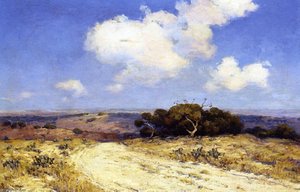
Robert Julian Onderdonk's "Sunlight and Shadow," painted in 1910, isn’t merely a landscape; it’s a distilled essence of the Texas spirit – a poignant blend of rugged beauty and melancholic introspection. This oil-on-canvas work, now housed within the collections of the MFAH, transports us to a vast, open field under a dramatic sky, capturing not just the visual spectacle but also a profound sense of solitude and quiet contemplation. Onderdonk, often hailed as “the father of Texas painting,” possessed an extraordinary ability to imbue his scenes with a deeply personal resonance, and this piece exemplifies that talent brilliantly. The scene unfolds before us – a field dotted with trees, their branches reaching skyward like supplicating arms, set against the imposing backdrop of distant mountains shrouded in atmospheric haze. The light itself is paramount; it’s not simply illumination but a powerful force shaping the mood and revealing textures.Impressionistic Techniques and Texas Light
Onderdonk's artistic approach leans heavily into Impressionism, a movement he embraced wholeheartedly during his time in Europe before returning to Texas. He skillfully employed broken brushstrokes – short, visible marks of paint – to capture the fleeting effects of light and shadow. This technique is particularly evident in the way the sunlight filters through the clouds, creating dappled patterns on the field below. The artist’s use of color is equally striking; he favors a palette dominated by earthy browns, deep greens, and muted blues, punctuated by flashes of vibrant yellow where the sun breaks through. Crucially, Onderdonk wasn't simply replicating what he saw; he was translating his *experience* of Texas light – its intensity, its variability, and its ability to transform even the most familiar landscapes into something extraordinary. The subtle gradations of color and tone suggest a dynamic atmosphere, as if the scene is constantly shifting with the movement of the sun and wind.A Portrait of a Place and a Time
“Sunlight and Shadow” was painted in 1910, a period of significant change and artistic ferment in Texas. The state was rapidly industrializing, yet Onderdonk remained deeply committed to preserving its natural beauty and portraying it with an unwavering sense of reverence. The painting reflects the broader cultural shift towards valuing the American landscape – a movement fueled by Romantic ideals and a growing awareness of the nation’s vastness. Furthermore, considering Onderdonk's own life—marked by personal struggles and financial hardship—there’s a poignant layer of melancholy woven into the canvas. The solitary figure implied within the scene, perhaps a shepherd or a lone traveler, evokes a sense of isolation and longing, mirroring the artist’s own feelings of displacement and artistic frustration.Symbolism and Emotional Resonance
The title itself – “Sunlight and Shadow” – is laden with symbolic weight. Light represents hope, clarity, and vitality, while shadow embodies mystery, introspection, and perhaps even sorrow. The juxtaposition of these elements creates a powerful tension within the painting, suggesting that beauty and darkness are inextricably linked. The distant mountains, rendered in hazy blues and purples, could symbolize both the grandeur of Texas’s natural heritage and the challenges faced by its inhabitants. The trees, reaching towards the light, represent aspiration and resilience – a quiet determination to thrive amidst adversity. Ultimately, “Sunlight and Shadow” is not just a depiction of a landscape; it's an exploration of the human condition—a meditation on beauty, solitude, and the enduring power of nature to inspire both awe and reflection. It’s a testament to Onderdonk’s profound connection to his homeland and his ability to capture its soul with remarkable sensitivity.Collecting a Legacy: Reproductions and Beyond
Today, reproductions of “Sunlight and Shadow” are highly sought after by collectors and interior designers alike. The painting's evocative atmosphere and masterful technique make it a timeless addition to any space, bringing a touch of Texas’s rugged beauty into the home. When considering a reproduction, seek out high-quality prints that accurately capture Onderdonk’s nuanced color palette and delicate brushwork. This remarkable work serves as a poignant reminder of Robert Julian Onderdonk's legacy—a testament to his artistic vision and his enduring contribution to Texas art history.Похожие произведения
Биография художника
Robert Julian Onderdonk: The Poet of the Texas Landscape
Robert Julian Onderdonk, affectionately known as “the father of Texas painting,” wasn’t simply a recorder of the Lone Star State's beauty; he was its passionate interpreter, a poet who translated the light and spirit of Texas onto canvas. Born in San Antonio on July 30, 1882, into an artistic lineage – his father, Robert Jenkins Onderdonk, a respected painter himself – Julian’s life unfolded as a deeply personal exploration of color, light, and the captivating essence of his homeland. From early childhood, he displayed a remarkable sensitivity to visual detail, marveling at reflections and hues, sketching incessantly—a foundation that would ultimately shape his distinctive artistic vision. His father's influence was paramount, instilling not only technical skills but also a profound appreciation for art’s ability to capture the soul of a place. Furthermore, his grandfather, Henry Onderdonk, who served as headmaster of Saint James School in Maryland, fostered a refined sensibility alongside artistic fervor, shaping Julian into an individual with both intellectual curiosity and a deep-seated creative drive. This confluence of influences laid the groundwork for a career dedicated to immortalizing the heart of Texas through his art.From New York Studies to a Texan Homecoming
Onderdonk’s formal artistic education began at West Texas Military Academy, where he simultaneously honed his skills and supported himself by teaching art. A pivotal moment arrived in 1901 when, thanks to the generosity of a neighbor, he traveled to New York City – a move that would profoundly alter the course of his life. There, he immersed himself in the teachings of William Merritt Chase at Shinnecock Hills Summer School of Art on Long Island. This experience proved transformative, instilling within him a deep appreciation for *en plein air* painting—the practice of creating art directly from nature—and an unwavering focus on capturing fleeting moments of light and atmosphere. He diligently studied under Chase for several years, absorbing the master’s techniques and philosophies, which would become integral to his own distinctive style. Despite initial attempts to establish himself in New York's competitive art scene – a period marked by financial challenges and a yearning for a more authentic connection with his roots – Onderdonk ultimately felt drawn back towards the landscapes of Texas, recognizing that the vibrant hues and expansive vistas of his homeland held a unique artistic resonance.The Bloom of Inspiration: San Antonio and the Bluebonnets
In 1909, a significant turning point occurred as Onderdonk returned to San Antonio with his family. This relocation marked the beginning of the most prolific and celebrated period of his career. He wholeheartedly dedicated himself to portraying the beauty of the Texan countryside, quickly establishing himself as a leading figure in Texas art. His paintings are characterized by their loose brushstrokes, a rich palette of colors—often dominated by blues, greens, and yellows – and an evocative portrayal of the landscape’s ephemeral qualities. He became particularly renowned for his depictions of bluebonnet fields, scenes that would become inextricably linked with his artistic identity and synonymous with the spirit of Texas itself. Works such as “Blue Bonnet Field, Early Morning, San Antonio Texas” (1914), “Road to the Hills” (1918), "Early Spring—Bluebonnets and Mesquite" (1919), “Coreopsis, near San Antonio, Texas” (1919) and “Dawn in the Hills” (1922) exemplify his mastery of Impressionistic techniques and his profound connection to the land. Onderdonk wasn’t merely painting landscapes; he was conveying a feeling—an experience—the very soul of Texas through color and light. He sought not just to represent what he saw, but how it *felt* to be immersed in that landscape, bathed in its warmth and air.Influences and Artistic Style
Onderdonk’s artistic style was deeply rooted in the Impressionist movement, yet uniquely infused with a distinctly Texan sensibility. He drew heavily from the teachings of William Merritt Chase, particularly his emphasis on *en plein air* painting—working directly from nature—and capturing fleeting moments of light and atmosphere. However, he developed a personal approach that went beyond mere imitation, incorporating elements of Southwestern color palettes and subject matter. His brushwork was often loose and expressive, creating a sense of movement and spontaneity. He skillfully manipulated color to evoke mood and emotion, using subtle shifts in hue and tone to create depth and luminosity. Furthermore, his work reflects the influence of other artists, including George Inness Jr., who taught him about capturing light and atmosphere. The legacy of Robert Jenkins Onderdonk is a testament to the power of observation, technical skill, and artistic vision—a synthesis that resulted in a body of work both deeply personal and universally resonant.A Lasting Legacy: Recognition and Remembrance
Robert Julian Onderdonk’s untimely death in 1922 at the age of forty tragically cut short a promising career, yet his legacy continues to endure with remarkable strength. His unwavering dedication to portraying the beauty of the Texas landscape earned him the well-deserved title of “the father of Texas painting.” His influence extended far beyond his own creations, inspiring generations of artists to embrace regional subjects and develop a distinctive style rooted in the spirit of the Southwest. Over time, recognition of his importance grew steadily, culminating in national acclaim—three of his paintings were even displayed in the Oval Office during President George W. Bush’s administration. The Dallas Museum of Art houses an extensive collection of his work, dedicating several rooms to showcase his artistic achievements. Moreover, the preservation of his former art studio on the grounds of the Witte Museum in San Antonio serves as a tangible reminder of his enduring presence and contribution to the cultural landscape of Texas. The publication of *Julian Onderdonk: A Catalogue Raisonne* by Harry A. Halff and Elizabeth Halff provided a comprehensive record of his oeuvre, solidifying his place in art history and ensuring that his contributions would be recognized for years to come. Onderdonk’s work remains a powerful reminder of the beauty and spirit of Texas—a testament to an artist who captured not just landscapes but also the very essence of a state. His paintings are more than mere depictions; they are invitations to experience the warmth of the Texas sun, breathe in its wildflowers, and feel the pulse of the land itself.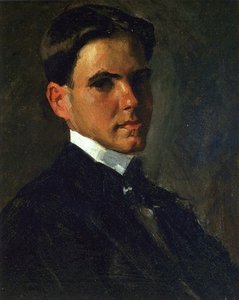
Роbert Джулиан Ондердонк
1880 - 1922 , США
Основные сведения
- Artistic Movement Or Style: Импрессионизм
- Artists Or Movements Influenced By This Artist: ['Техасские художники']
- Artists Who Influenced This Artist: ['Уильям Мёррит Чейз']
- Date Of Birth: 30 июля 1882 г.
- Date Of Death: 27 октября 1922 г.
- Full Name: Robert Julian Onderdonk
- Nationality: Американский
- Notable Artworks:
- Поле с голубоньями
- Дорога к холмам
- Place Of Birth: Сан-Антонио, США
Похожие статьи

25 Шедевров Поля Сезанна: Открывая Новую Эру в Искусстве | ArtsDot
Откройте для себя 25 величайших шедевров Поля Сезанна! Узнайте истории создания картин импрессионизма и постимпрессионизма, технику художника и вдохновение для вашего интерьера. Репродукции картин Сезанна высокого качества на ArtsDot.com.
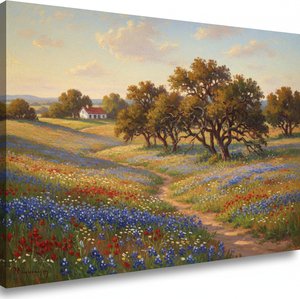
Robert Julian Onderdonk: Pioneering Texas Impressionism & Capturing Regional Light
Explore the life & art of Robert Julian Onderdonk, 'the Father of Texas Painting.' Discover his vibrant Impressionist landscapes, iconic bluebonnets, and lasting legacy. Learn about collecting Onderdonk's work today.

Evocations of Place: A Historical Journey Through Landscape Art
Explore the rich history of landscape art with ArtsDot. Discover renowned artists, movements like Impressionism & Romanticism, and expert guidance for collecting timeless pieces. Find your perfect serene escape today!
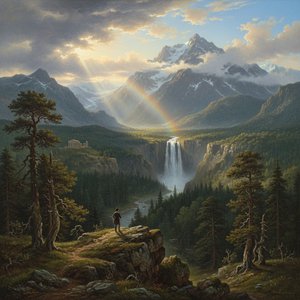
Evoking Nature's Sublime: A Comprehensive Exploration of 19th-Century Landscape Painting
Explore the captivating world of 19th-century landscape painting! Discover renowned artists like Friedrich & Monet, key movements, and find the perfect artwork to bring nature's serenity into your home. Expert insights at ArtsDot.
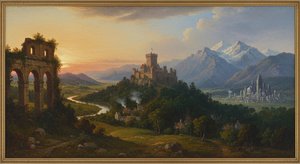
Evocations of Place: A Historical Journey Through Landscape Art
Explore the rich history of landscape art with ArtsDot. Discover renowned artists, movements like Impressionism & tonalism, and expert guidance for collecting timeless pieces. Find your perfect serene escape today!