 Предпросмотр
 Поделиться
 Поделиться
 Детали произведения

 Скачать
 Похожие работы
 Рентгенография
 Слайд-шоу
 Статистика
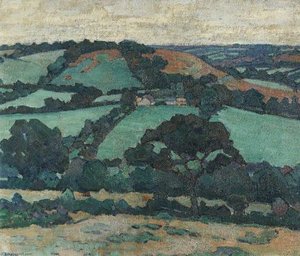
In the Downs near Lewes


 Читать далее
Жикле / Арт-принт
Печать (жикле) или холст музейного качества с быстрыми сроками изготовления и широким выбором вариантов отделки. ( Купить картину ручной работы Перейти к цифровым изображениям)




P118B $10

P118H $10

P118W $10

P438Z $10

P508JH $12

P508YH $12

P805H $10

P805Z $10

P919BZ $10

P919G $10

P919XJ $10

P959ZH $10

P968JZ $12

W106C $8

W218G $10

W218JH $8

W218Y $10

W307PJ $10

W316G $10

W316PJ $8

W316Y $10

W398PJ $8

W4111J $10

W500HY $15

W500JH $15

W692G $12

W849H $8

W940BG $15

W953PJ $8




Выберите один из наших стандартных размеров, соответствующих оригинальным пропорциям произведения искусства.

Вы можете указать свои собственные размеры, чтобы репродукция идеально подошла под конкретную раму или пространство. Если выбранный вами размер не будет соответствовать пропорциям оригинала, мы либо обрежем произведение, либо дополним изображение зеркальным отражением краев или однотонной заливкой. Перед началом производства вам будет отправлен цифровой макет для утверждения.
Пожалуйста, обратите внимание, что предварительный просмотр на экране не отображает фактическую обрезку или расширение изображения. Только макет точно покажет финальную композицию.
Несмотря на возможность заказа индивидуальных размеров, мы рекомендуем выбирать размер из предопределенного списка, чтобы сохранить оригинальные пропорции.
Доставка по всему миру () за 2 недели вместо стандартных 4/5 недель. (11 Сентябрь)

Бесплатная экспресс-доставка по всему миру

Высококачественный льняной холст

Полное страхование доставки

Гарантия возмещения таможенных пошлин

Гарантия точного соответствия цветов

100-дневная политика возврата (только при обнаружении дефектов)

Гарантия возврата 100% средств

Предложение оптовых скидок
 Вариант со стеклом доступен только для размеров менее 110 см

In the Downs near Lewes
Жикле / Арт-принт
Размер репродукции
-


Итоговая стоимость
$ 62
Robert Polhill Bevan’s Impressionistic Vision of Rural Tranquility
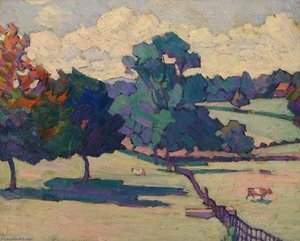
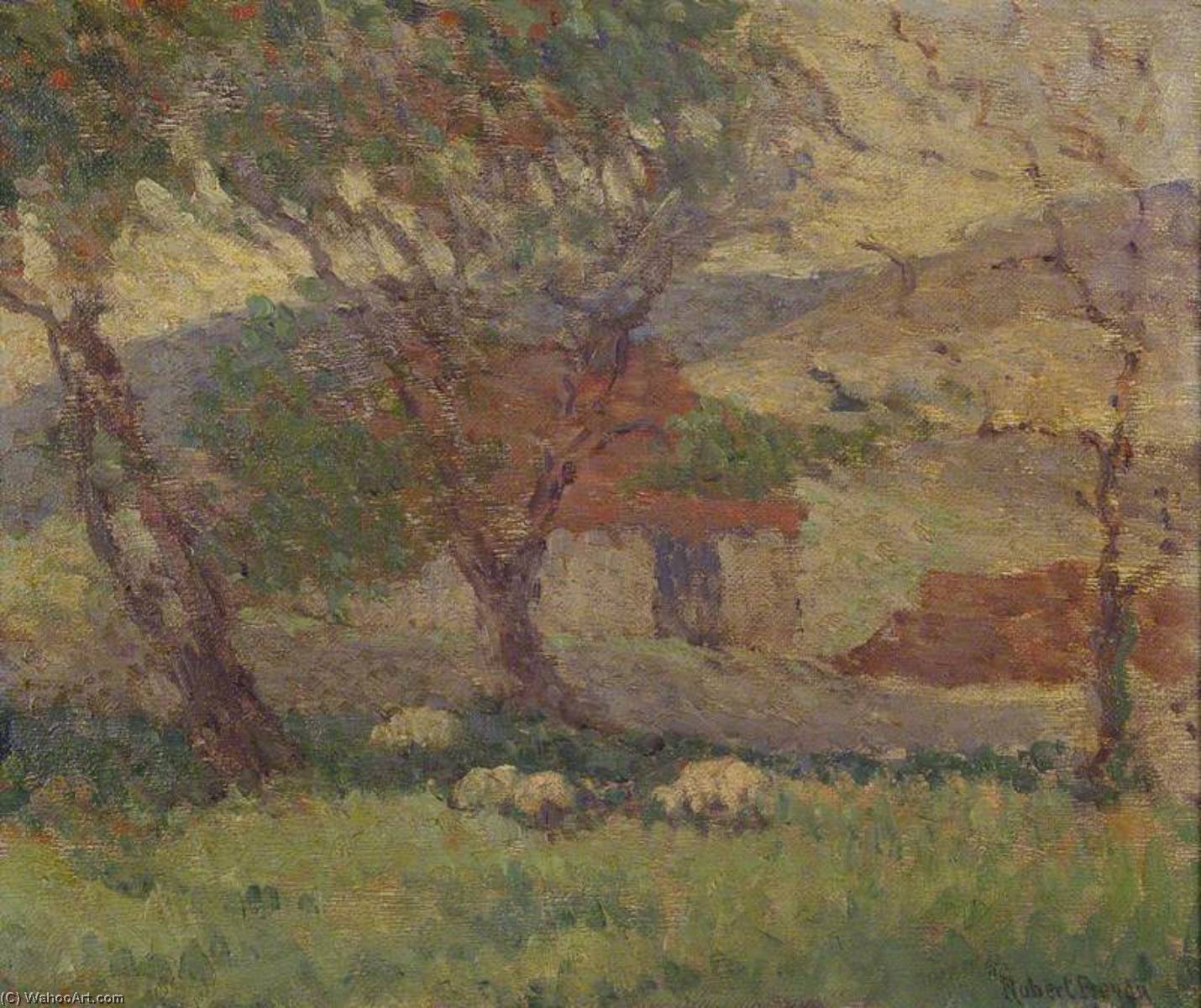
Robert Polhill Bevan (1865–1925) stands as an unexpectedly influential figure in the genesis of British Modernism, a testament to artistic innovation that defied societal expectations and cemented his legacy as a pioneer of Fauvism. Born into a Quaker family with substantial banking connections—his parents were Richard Alexander Bevan and Laura Maria Polhill—Bevan’s upbringing instilled a profound appreciation for intellectual rigor alongside an innate desire for creative expression. This duality propelled him toward a singular artistic path, one characterized by ceaseless experimentation and fueled by encounters with European luminaries like Henri Matisse and André Derain, shaping his distinctive style and establishing him as a cornerstone of Camden Town Group. Bevan’s formative years at Westminster School of Art under Fred Brown provided foundational training in draughtsmanship and composition, yet it was his subsequent immersion in the Parisian atelier of Jean Le Bret that truly unlocked his artistic potential. Surrounded by fellow artists pushing boundaries, Bevan absorbed influences from Impressionism and Post-Impressionism alike, meticulously honing his technique and developing a visual language that would soon distinguish him from his contemporaries. His dedication to capturing fleeting moments of light and color—a hallmark of Impressionistic philosophy—became the driving force behind his artistic endeavors. “In the Downs near Lewes,” painted in 1906, exemplifies Bevan’s masterful synthesis of these influences. The canvas depicts a serene landscape scene nestled amidst rolling hills overlooking Lewes, Sussex – a location familiar to Bevan himself. Immediately striking is the palette—dominated by muted greens and earthy browns—which eschews bold chromatic assertions in favor of atmospheric subtlety. Lines are deliberately softened, blurring contours and creating an illusion of movement that captures the essence of a breezy afternoon. Visible brushstrokes contribute to textural richness, conveying the palpable presence of nature without resorting to photographic realism. The composition prioritizes visual harmony over strict spatial accuracy, aligning with the broader aesthetic principles of Impressionism. Bevan skillfully employs atmospheric perspective—reducing color saturation and diminishing detail in distant elements—to imbue the scene with depth and luminosity. Light filters through the foliage, casting dappled shadows across the hillside and illuminating the grazing sheep scattered throughout the meadow. This diffused illumination reinforces the painting’s mood of tranquility and contemplation. Beyond its technical brilliance, “In the Downs near Lewes” resonates with symbolic significance. The pastoral setting—a traditional motif in British art—represents a retreat from urban life and an embrace of rural simplicity. Bevan's deliberate choice of muted colors speaks to a desire for understated beauty, mirroring the Quaker ethos that shaped his worldview. The painting’s emotional impact is palpable: it invites viewers into a moment of serene contemplation, fostering a connection with the natural world and conveying a profound appreciation for its subtle grandeur. The artwork’s technique—primarily oil paint applied in loose brushstrokes—is characteristic of Bevan's commitment to capturing immediacy and emotion. It reflects the broader artistic currents of the period, signaling a decisive break from academic conventions and paving the way for more expressive forms of art expression. Bevan’s enduring contribution lies not merely in his technical prowess but also in his unwavering belief that art could illuminate the human experience—a conviction powerfully embodied in “In the Downs near Lewes.”Похожие произведения

Биография художника
Robert Polhill Bevan (1865–1925): British Painter & Camden Town Group Founder
Robert Polhill Bevan, born in Hove in 1865, occupies a pivotal yet often understated position within the narrative of early 20th-century British art. Emerging from a Quaker background steeped in banking connections – his parents were Richard Alexander Bevan and Laura Maria Polhill – he defied conventional expectations to become a daring innovator, a key figure in the transition from Impressionism towards more radical explorations of color and form. His journey was one of constant experimentation, absorbing influences from across Europe while forging a distinctly personal artistic vision that would profoundly impact the development of modern art in Britain. Bevan’s early education at Westminster School of Art under Fred Brown provided a solid foundation, but it was his subsequent studies at the Académie Julian in Paris that truly ignited his creative spark. There, he encountered a constellation of rising stars – Paul Sérusier, Pierre Bonnard, Édouard Vuillard, and Maurice Denis – artists who were challenging academic conventions and embracing new approaches to painting. These encounters proved formative, exposing Bevan to the principles of synthetism and laying the groundwork for his future explorations.Early Influences & Parisian Awakening
Bevan’s artistic sensibilities were profoundly shaped by his formative years in Paris. The Académie Julian served as a crucible for innovation, immersing him in the vibrant intellectual atmosphere of the Belle Époque and introducing him to the groundbreaking ideas circulating amongst avant-garde artists. He was particularly captivated by the work of Paul Gauguin and Pierre Bonnard, whose bold use of color and simplified forms resonated deeply with his own artistic inclinations. These encounters instilled in Bevan a conviction that art should transcend mere representation, prioritizing emotional expression and capturing the essence of experience—a belief that would permeate his subsequent oeuvre. The influence of Maurice Denis’s emphasis on decorative elements and symbolic imagery further broadened Bevan's aesthetic horizons, encouraging him to consider how visual language could convey complex ideas and emotions. Importantly, Bevan wasn’t alone in this pursuit; he collaborated closely with fellow artists like Joseph Crawhall, fostering a dynamic exchange of perspectives that fueled his artistic development.Brittany & The Fauvist Impulse
The allure of Brittany proved irresistible to Bevan, propelling him on two significant expeditions between 1890 and 1891. Drawn to Pont-Aven’s distinctive landscape—characterized by rugged coastlines, verdant hillsides, and expansive skies—he absorbed the spirit of Gauguin's artistic vision. The bold colors championed by Gauguin – particularly crimson reds and ultramarine blues – exerted a powerful influence on Bevan’s early drawings and prints, prompting him to experiment with chromatic intensity as a means of conveying emotion. This fascination with pure color foreshadowed the emergence of Fauvism on the continent, demonstrating Bevan's willingness to embrace radical stylistic departures from traditional conventions. His paintings during this period—such as “The Chestnut Tree” and “Landscape in the Blackdown Hills”—are imbued with an unmistakable vibrancy, reflecting his immersion in Breton artistic culture and signaling a decisive step toward establishing his own distinctive aesthetic voice.Camden Town & The Pursuit of Modern Expression
Bevan’s artistic trajectory gained momentum through his involvement with the Camden Town Group—a collective of artists who sought to redefine British art by rejecting academic formalism and embracing expressive abstraction. Founded in 1911, this group comprised influential figures like Spencer Gore and Charles Ginner, united by a shared commitment to depicting modern urban life and exploring new visual languages. Bevan’s membership in Camden Town fostered collaboration and intellectual stimulation, propelling him toward bolder stylistic experiments—most notably his adoption of divisionist techniques reminiscent of Cézanne and Signac. His paintings from 1912-13 exemplify this approach, utilizing fragmented brushstrokes and juxtaposed colors to capture the dynamism of the cityscape and convey a sense of psychological depth. The Camden Town Group’s ethos—characterized by an openness to experimentation and a rejection of stylistic constraints—provided Bevan with invaluable guidance as he navigated the evolving landscape of British art in the years leading up to World War I.Legacy & Enduring Influence
Robert Polhill Bevan's contribution to British modernism extends far beyond his individual artworks. He stands as a pivotal figure for understanding the complex evolution of painting during this transformative era, embodying the spirit of innovation and artistic courage that defined the movement. His pioneering use of Fauvist principles—particularly in his exploration of color palettes—established him as a forerunner of stylistic developments that would resonate throughout subsequent decades. Furthermore, Bevan’s role in founding the Camden Town Group cemented his place within British art history, shaping the collective vision of artists determined to redefine artistic conventions and engage with contemporary social realities. His paintings continue to captivate audiences today, serving as enduring reminders of Bevan's unwavering commitment to expressive abstraction and his profound impact on the trajectory of British art—a legacy that secures his position as one of the most important figures in the history of modern British painting.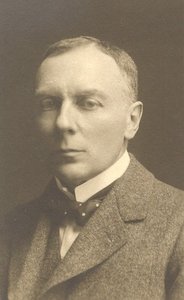
Роберт Поли́лл Бевэн
1865 - 1925 , Великобритания
Основные сведения
- Artistic Movement Or Style: Фавизм, Дивионизм
- Artists Or Movements Influenced By This Artist: ['Камбденский кружок']
- Artists Who Influenced This Artist:
- Павел Гугенхайм
- Эрнест Ремарк
- Жорж Сьюзе
- Date Of Birth: 1865
- Date Of Death: 1925
- Full Name: Robert Polhill Bevan
- Nationality: Британский
- Notable Artworks:
- Полевые работы
- Трансбортовая телега
- Place Of Birth: Хайвердж, Англия
Похожие статьи

Джон Констебль: 25 шедевров английского пейзажа для вашего интерьера
Погрузитесь в мир английского пейзажа с Джоном Констеблом! 25 шедевров романтизма, история создания картин и вдохновение для вашего интерьера. Репродукции высокого качества на ArtsDot.com – искусство для ценителей.

Топ-10 шедевров импрессионизма: пейзажи, изменившие искусство | ArtsDot
Погрузитесь в мир импрессионизма! Откройте топ-10 шедевров Моне, Ренуара и других великих художников. Узнайте историю создания культовых пейзажей и вдохновитесь для декора интерьера. Репродукции картин высокого качества на ArtsDot.com
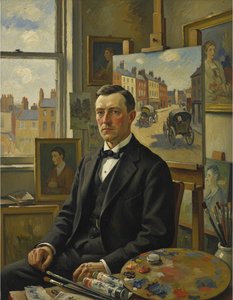
Robert Bevan: Pioneering British Post-Impressionism & the Camden Town Group's Intimate Vision
Explore the life & work of Robert Bevan, a pioneer of British Post-Impressionism and founding member of the Camden Town Group. Discover his vibrant landscapes and lasting impact on early 20th-century art.

Топ-10 шедевров импрессионизма: пейзажи, изменившие искусство | ArtsDot
Погрузитесь в мир импрессионизма! Откройте 10 шедевров Моне, Ренуара и других великих художников. Узнайте историю создания культовых пейзажей и вдохновитесь для декора вашего дома. Репродукции картин высокого качества на ArtsDot.com.
Cultivating Visions: A Historical Journey Through Rural Landscapes in Art
Explore the rich history of rural landscape painting with ArtsDot. Discover Impressionist masterpieces, key artists & movements. Find your perfect serene artwork and bring nature's beauty home.