 Предпросмотр
 Поделиться
 Поделиться
 Детали произведения

 Скачать
 Похожие работы
 Рентгенография
 Слайд-шоу
 Статистика
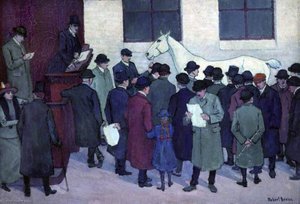
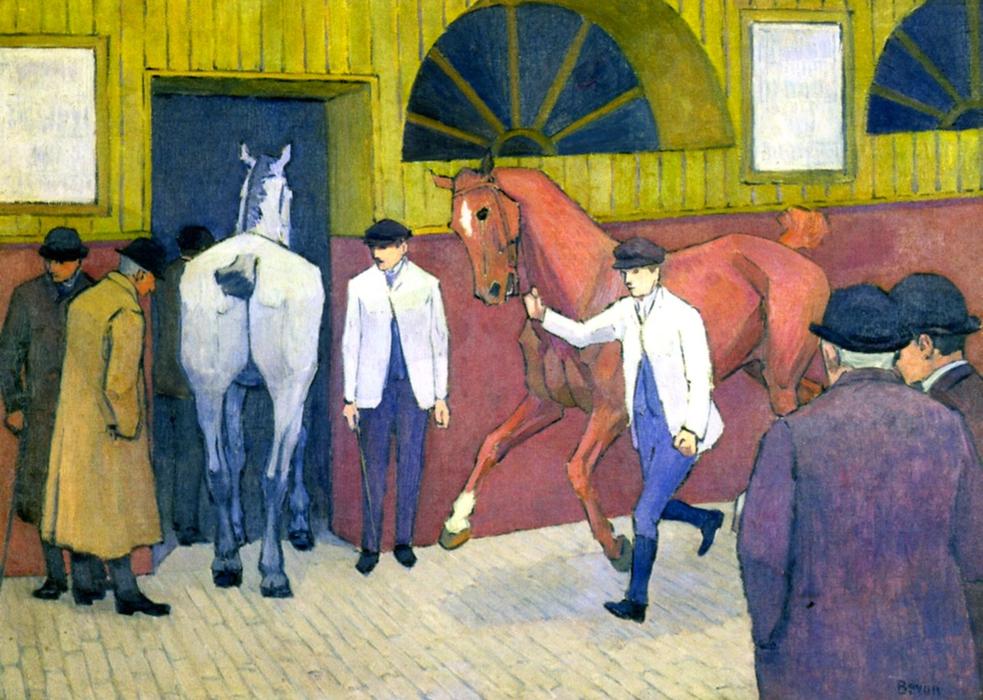
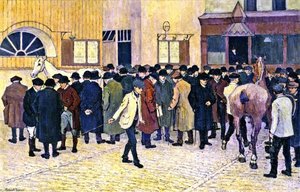
The Horse Mart (Barbican No. 1)
 Oil On Canvas
- WallArt
- Impressionism
 1917
1917- Modern
 51.0 x 71.0 cm
 Йельский центр британского искусства
 Читать далее
Жикле / Арт-принт
Печать (жикле) или холст музейного качества с быстрыми сроками изготовления и широким выбором вариантов отделки. ( Купить картину ручной работы Перейти к цифровым изображениям)




P118B $10

P118H $10

P118W $10

P438Z $10

P508JH $12

P508YH $12

P805H $10

P805Z $10

P919BZ $10

P919G $10

P919XJ $10

P959ZH $10

P968JZ $12

W106C $8

W218G $10

W218JH $8

W218Y $10

W307PJ $10

W316G $10

W316PJ $8

W316Y $10

W398PJ $8

W4111J $10

W500HY $15

W500JH $15

W692G $12

W849H $8

W940BG $15

W953PJ $8




Выберите один из наших стандартных размеров, соответствующих оригинальным пропорциям произведения искусства.

Вы можете указать свои собственные размеры, чтобы репродукция идеально подошла под конкретную раму или пространство. Если выбранный вами размер не будет соответствовать пропорциям оригинала, мы либо обрежем произведение, либо дополним изображение зеркальным отражением краев или однотонной заливкой. Перед началом производства вам будет отправлен цифровой макет для утверждения.
Пожалуйста, обратите внимание, что предварительный просмотр на экране не отображает фактическую обрезку или расширение изображения. Только макет точно покажет финальную композицию.
Несмотря на возможность заказа индивидуальных размеров, мы рекомендуем выбирать размер из предопределенного списка, чтобы сохранить оригинальные пропорции.
Доставка по всему миру () за 2 недели вместо стандартных 4/5 недель. (12 Сентябрь)

Бесплатная экспресс-доставка по всему миру

Высококачественный льняной холст

Полное страхование доставки

Гарантия возмещения таможенных пошлин

Гарантия точного соответствия цветов

100-дневная политика возврата (только при обнаружении дефектов)

Гарантия возврата 100% средств

Предложение оптовых скидок
 Вариант со стеклом доступен только для размеров менее 110 см

The Horse Mart (Barbican No. 1)
Жикле / Арт-принт
Размер репродукции
-


Итоговая стоимость
$ 62
A Vibrant Pulse of London Life
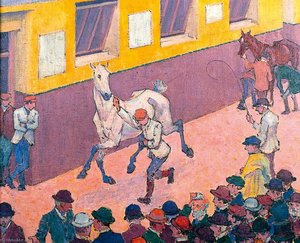
In the heart of early 20th-century London, amidst the rhythmic clatter of hooves and the bustling energy of commerce, Robert Polhill Bevan captured a fleeting moment of urban vitality in his 1917 masterpiece, The Horse Mart (Barbican No. 1). This evocative oil on canvas serves as more than just a depiction of a marketplace; it is a window into a bygone era of British life, where the connection between man and beast was central to the city's pulse. The scene unfolds with an infectious sense of movement, drawing the viewer into a lively gathering at the Barbican, where horses and handlers converge in a choreographed dance of trade and tradition.
The composition is masterfully anchored by a striking red horse, a brilliant focal point that commands immediate attention against the more muted tones of the surrounding environment. As a rider sits atop this vibrant creature, flanked by other horses and figures engaged in the quiet negotiations of the mart, the painting achieves a delicate balance between focused detail and atmospheric breadth. The presence of trainers and handlers, scattered throughout the frame, adds layers of human narrative, suggesting the whispered deals and the shared expertise that defined these historic London spaces.
The Impressionist Spirit and Modernist Vision
Technically, The Horse Mart is a triumph of Bevan’s unique stylistic evolution. As a key figure in the transition from late Impressionism toward the more structured explorations of British Modernism, Bevan utilizes bold, confident brushstrokes that imbue the canvas with a palpable energy. There is no stillness here; instead, the paint itself seems to vibrate, mirroring the restless spirit of the marketplace. His use of color is particularly noteworthy—vibrant and deliberate—using light and pigment to sculpt form and suggest the dusty, sun-dappled atmosphere of an outdoor arena.
For the discerning collector or interior designer, this piece offers a sophisticated interplay of texture and tone. The way the light catches the muscularity of the horses and the folds of the figures' clothing demonstrates a command of medium that elevates the work from mere reportage to high art. The painting does not merely show us a scene; it allows us to feel the heat, hear the neighing, and sense the underlying tension of the auction floor.
An Elegant Addition to the Modern Interior
Beyond its historical significance, The Horse Mart (Barbican No. 1) possesses an enduring aesthetic appeal that transcends time. Its palette of rich earth tones punctuated by sudden bursts of primary color makes it a versatile and commanding presence in any curated space. Whether placed in a contemporary gallery-style living room or a classic study, the painting acts as a conversational centerpiece, inviting onlookers to contemplate the intersection of tradition and modernity.
Owning a high-quality reproduction of this work allows one to bring a piece of British art history into the home, offering a sense of depth and narrative that mass-produced decor lacks. It is an investment in atmosphere—a way to infuse a room with the sophisticated, rhythmic beauty of a London morning captured over a century ago. For those who appreciate art that tells a story of movement, color, and the enduring human spirit, Bevan’s vision remains as captivating today as it was in 1917.
Похожие произведения
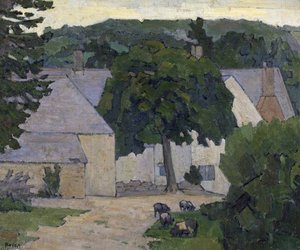
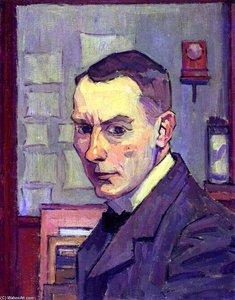
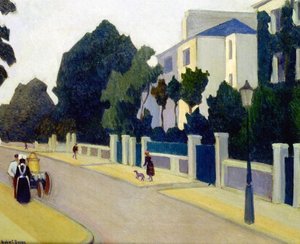
Биография художника
Robert Polhill Bevan (1865–1925): British Painter & Camden Town Group Founder
Robert Polhill Bevan, born in Hove in 1865, occupies a pivotal yet often understated position within the narrative of early 20th-century British art. Emerging from a Quaker background steeped in banking connections – his parents were Richard Alexander Bevan and Laura Maria Polhill – he defied conventional expectations to become a daring innovator, a key figure in the transition from Impressionism towards more radical explorations of color and form. His journey was one of constant experimentation, absorbing influences from across Europe while forging a distinctly personal artistic vision that would profoundly impact the development of modern art in Britain. Bevan’s early education at Westminster School of Art under Fred Brown provided a solid foundation, but it was his subsequent studies at the Académie Julian in Paris that truly ignited his creative spark. There, he encountered a constellation of rising stars – Paul Sérusier, Pierre Bonnard, Édouard Vuillard, and Maurice Denis – artists who were challenging academic conventions and embracing new approaches to painting. These encounters proved formative, exposing Bevan to the principles of synthetism and laying the groundwork for his future explorations.Early Influences & Parisian Awakening
Bevan’s artistic sensibilities were profoundly shaped by his formative years in Paris. The Académie Julian served as a crucible for innovation, immersing him in the vibrant intellectual atmosphere of the Belle Époque and introducing him to the groundbreaking ideas circulating amongst avant-garde artists. He was particularly captivated by the work of Paul Gauguin and Pierre Bonnard, whose bold use of color and simplified forms resonated deeply with his own artistic inclinations. These encounters instilled in Bevan a conviction that art should transcend mere representation, prioritizing emotional expression and capturing the essence of experience—a belief that would permeate his subsequent oeuvre. The influence of Maurice Denis’s emphasis on decorative elements and symbolic imagery further broadened Bevan's aesthetic horizons, encouraging him to consider how visual language could convey complex ideas and emotions. Importantly, Bevan wasn’t alone in this pursuit; he collaborated closely with fellow artists like Joseph Crawhall, fostering a dynamic exchange of perspectives that fueled his artistic development.Brittany & The Fauvist Impulse
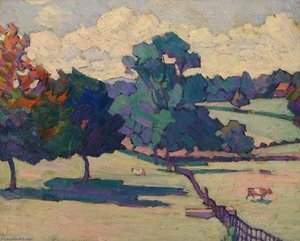
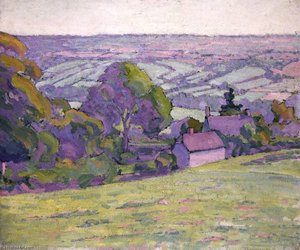
The allure of Brittany proved irresistible to Bevan, propelling him on two significant expeditions between 1890 and 1891. Drawn to Pont-Aven’s distinctive landscape—characterized by rugged coastlines, verdant hillsides, and expansive skies—he absorbed the spirit of Gauguin's artistic vision. The bold colors championed by Gauguin – particularly crimson reds and ultramarine blues – exerted a powerful influence on Bevan’s early drawings and prints, prompting him to experiment with chromatic intensity as a means of conveying emotion. This fascination with pure color foreshadowed the emergence of Fauvism on the continent, demonstrating Bevan's willingness to embrace radical stylistic departures from traditional conventions. His paintings during this period—such as “The Chestnut Tree” and “Landscape in the Blackdown Hills”—are imbued with an unmistakable vibrancy, reflecting his immersion in Breton artistic culture and signaling a decisive step toward establishing his own distinctive aesthetic voice.Camden Town & The Pursuit of Modern Expression
Bevan’s artistic trajectory gained momentum through his involvement with the Camden Town Group—a collective of artists who sought to redefine British art by rejecting academic formalism and embracing expressive abstraction. Founded in 1911, this group comprised influential figures like Spencer Gore and Charles Ginner, united by a shared commitment to depicting modern urban life and exploring new visual languages. Bevan’s membership in Camden Town fostered collaboration and intellectual stimulation, propelling him toward bolder stylistic experiments—most notably his adoption of divisionist techniques reminiscent of Cézanne and Signac. His paintings from 1912-13 exemplify this approach, utilizing fragmented brushstrokes and juxtaposed colors to capture the dynamism of the cityscape and convey a sense of psychological depth. The Camden Town Group’s ethos—characterized by an openness to experimentation and a rejection of stylistic constraints—provided Bevan with invaluable guidance as he navigated the evolving landscape of British art in the years leading up to World War I.Legacy & Enduring Influence
Robert Polhill Bevan's contribution to British modernism extends far beyond his individual artworks. He stands as a pivotal figure for understanding the complex evolution of painting during this transformative era, embodying the spirit of innovation and artistic courage that defined the movement. His pioneering use of Fauvist principles—particularly in his exploration of color palettes—established him as a forerunner of stylistic developments that would resonate throughout subsequent decades. Furthermore, Bevan’s role in founding the Camden Town Group cemented his place within British art history, shaping the collective vision of artists determined to redefine artistic conventions and engage with contemporary social realities. His paintings continue to captivate audiences today, serving as enduring reminders of Bevan's unwavering commitment to expressive abstraction and his profound impact on the trajectory of British art—a legacy that secures his position as one of the most important figures in the history of modern British painting.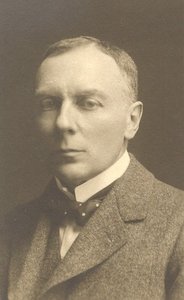
Роберт Поли́лл Бевэн
1865 - 1925 , Великобритания
Основные сведения
- Artistic Movement Or Style: Фавизм, Дивионизм
- Artists Or Movements Influenced By This Artist: ['Камбденский кружок']
- Artists Who Influenced This Artist:
- Павел Гугенхайм
- Эрнест Ремарк
- Жорж Сьюзе
- Date Of Birth: 1865
- Date Of Death: 1925
- Full Name: Robert Polhill Bevan
- Nationality: Британский
- Notable Artworks:
- Полевые работы
- Трансбортовая телега
- Place Of Birth: Хайвердж, Англия
Похожие статьи

Топ-10 шедевров импрессионизма: искусство мгновения для вашего интерьера
Погрузитесь в мир импрессионизма! Откройте для себя 10 шедевров Моне, Ренуара и других великих мастеров. Узнайте историю создания культовых картин и вдохновитесь для декора интерьера. Репродукции музейного качества на ArtsDot.com.
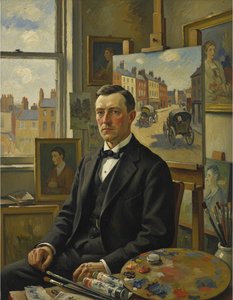
Robert Bevan: Pioneering British Post-Impressionism & the Camden Town Group's Intimate Vision
Explore the life & work of Robert Bevan, a pioneer of British Post-Impressionism and founding member of the Camden Town Group. Discover his vibrant landscapes and lasting impact on early 20th-century art.
The Noble Steed on Canvas: A Historical & Artistic Exploration of Horse Painting Across Cultures
Explore the rich history of horse painting! Discover masterpieces from Stubbs to Munnings & learn about symbolism, techniques & artists. Find museum-quality reproductions at ArtsDot.
Philip Wilson Steer: Capturing Modern Life & British Impressionism's Essence
Explore the life & art of Philip Wilson Steer, a leading British Impressionist painter. Discover his coastal scenes, influences, and legacy. Expert analysis & high-quality reproductions at ArtsDot.
25 Шедевров Национальной Галереи Лондона: Искусство для Вашего Дома | ArtsDot
Откройте для себя 25 шедевров Национальной галереи Лондона! Узнайте истории Ван Гога, Моне и Рембрандта. Купите репродукции картин на холсте высокого качества для вашего дома. Вдохновение и искусство – ArtsDot.com