

 Предпросмотр
 Поделиться
 Поделиться
 Детали произведения

 Скачать
 Похожие работы
 Рентгенография
 Слайд-шоу
 Статистика
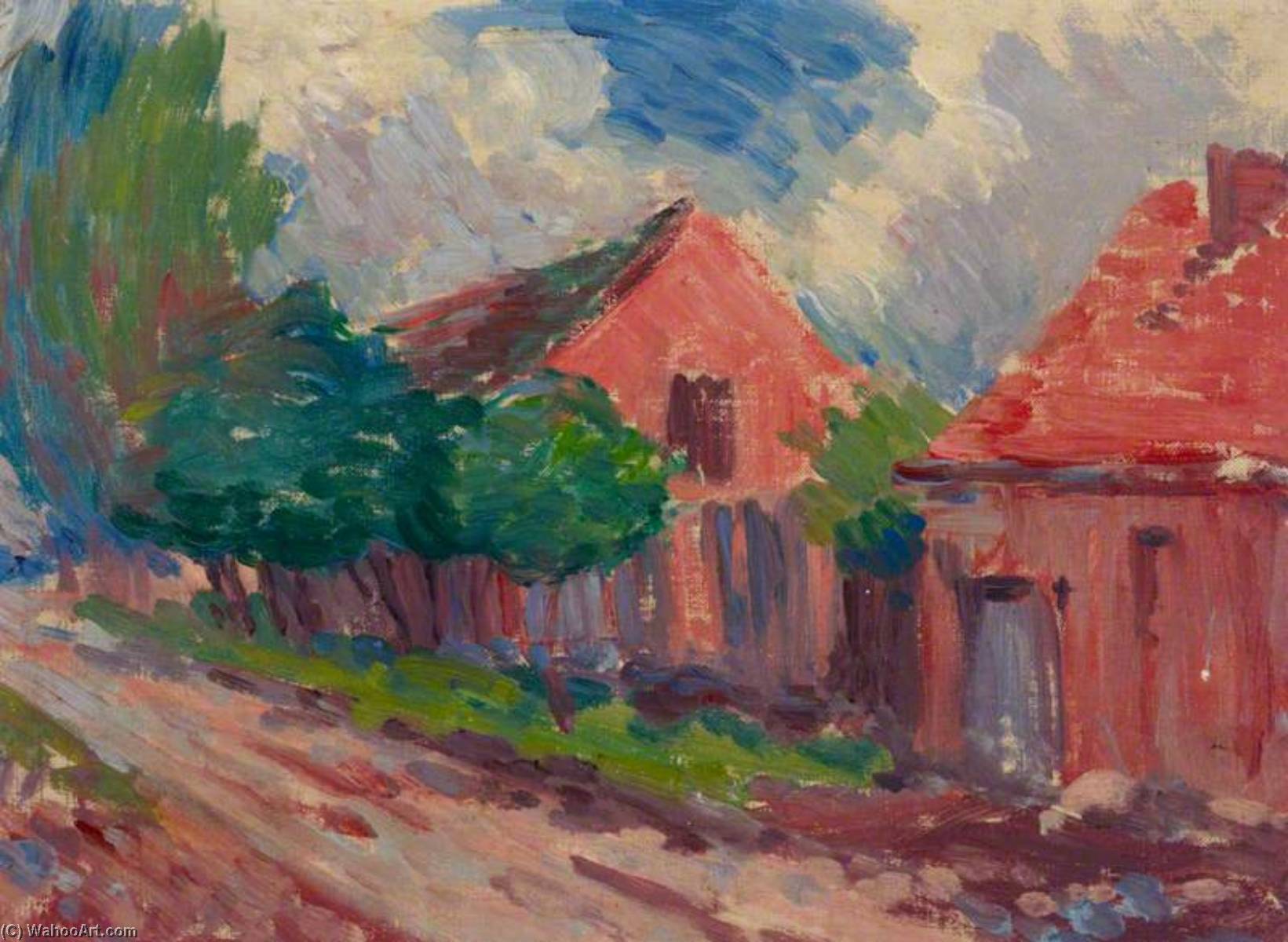
The Smithy at Szeliwy, Poland
 Acrylic On Canvas
- WallArt
- Early Modernism
 19th Century
 28.0 x 38.0 cm
 Национальный Траст
 Читать далее
Приобретите цифровое изображение высокого разрешения в улучшенном качестве, которое значительно превосходит онлайн-превью.
Каждый файл тщательно подготавливается нашими специалистами с использованием передовых инструментов и экспертной ручной ретуши. Мы гарантируем исключительную четкость, точную цветопередачу и детальную проработку каждого изображения.
Финальный файл доставляется по электронной почте в течение 72 часов и оптимизирован для немедленного использования в профессиональной среде, при верстке и печати. Это тот же уровень качества, которому доверяют ведущие дизайнерские студии, издательства и галереи.
Цифровое изображение
Скачайте файл высокого разрешения для личного использования, печати и творческих проектов. ( Перейти к печати Купить картину ручной работы)
Включено в каждый заказ цифровых изображений
Гарантия экспертной цифровой доставки
Выбирая ArtsDot.com, вы получаете не просто изображение — вы приобретаете профессионально обработанное цифровое произведение искусства, созданное с безупречной точностью и под защитой гарантии качества. Вот всё, что автоматически входит в ваш заказ:

Мгновенная доставка по e-mail
Ваш цифровой файл в высоком разрешении будет отправлен вам по электронной почте в течение 72 часов после оформления заказа — и сразу станет доступен для использования.

Цифровой файл с ИИ-улучшением
Ваше произведение искусства проходит профессиональную оптимизацию с использованием передовых инструментов ИИ и ручной обработки, что гарантирует максимальную детализацию, четкость и точность цветопередачи.

Бессрочная бесплатная повторная доставка
Случайно удалили или потеряли файл? Не беспокойтесь — мы отправим его вам повторно в любое время и совершенно бесплатно.

Без импортных пошлин — навсегда
Наслаждайтесь вашим произведением искусства мгновенно без таможенных пошлин, сборов или затрат на доставку — цифровые загрузки всегда не облагаются налогом.

Гарантия точности цветопередачи
Мы гарантируем, что ваше цифровое изображение максимально точно передает оригинальные цвета благодаря использованию профессиональных инструментов и систем управления цветом.

Гарантия удовлетворенности 100 дней
Если вы не будете удовлетворены своим цифровым изображением, мы внесем правки или вернем 100% стоимости в течение 100 дней — без лишних вопросов.

100% Гарантия возврата средств
Не удовлетворены покупкой? Получите полный возврат средств в течение 100 дней после получения цифрового файла — без лишних вопросов.

Скидки на оптовые заказы
Купите 3 изображения, сэкономьте 10% — Купите 5, сэкономьте 15% — Купите 10+, сэкономьте 20%. Отличное решение для творческих проектов, галерей и агентств.
A Moment Frozen in Time: The Smithy at Szeliwy
Robert Polhill Bevan’s “The Smithy at Szeliwy, Poland” isn't merely a depiction of a rural scene; it’s a carefully constructed tableau brimming with quiet observation and the subtle poetry of everyday life. Painted around 1904, this work stands as a pivotal moment in Bevan’s artistic evolution, bridging the vibrant experimentation of his early Parisian years with a distinctly British sensibility. The painting captures a small village nestled within the rolling hills of Poland – a place that would become intimately linked to Bevan's personal and creative journey. It’s a scene imbued with a sense of timelessness, inviting the viewer to step into a world where the rhythms of rural life unfold at a deliberate pace.
Bevan, a key figure in the Camden Town Group, was deeply influenced by the Impressionists and Post-Impressionists he encountered in Paris. However, unlike some of his contemporaries who embraced a purely optical approach, Bevan sought to infuse his work with a deeper emotional resonance. He achieved this through a masterful manipulation of color – not as mere representation, but as a vehicle for expressing mood and atmosphere. The palette here is rich and earthy, dominated by ochres, browns, and greens, punctuated by flashes of vibrant red in the smithy’s roof and the figures' clothing. These carefully chosen hues evoke a sense of warmth and solidity, grounding the scene within its physical context.
The Influence of Gauguin and Breton Landscapes
Bevan’s fascination with Brittany, particularly the work of Paul Gauguin, played a crucial role in shaping his artistic vision during this period. He spent considerable time studying Gauguin's use of color and simplified forms, adopting a similar approach to capturing the essence of rural landscapes. The influence is evident in the flattened perspective, the bold brushstrokes, and the emphasis on local color – all hallmarks of Gauguin’s style. Yet, Bevan doesn’t simply imitate his mentor; he adapts these techniques to create a distinctly personal interpretation, rooted in his own observations of Polish village life.
The setting itself—Szeliwy—was a place of significance for Bevan. He and his wife, Stanisława de Karłowska, spent summers there, immersing themselves in the local culture and drawing inspiration from the landscape. These extended stays fostered a deep connection to the region, which is reflected in the painting’s authentic portrayal of village life. The details—the worn tools of the smithy, the simple dwellings, the figures engaged in their daily tasks—speak volumes about the rhythms and values of rural Poland.
Symbolism and Emotional Resonance
Beyond its picturesque beauty, “The Smithy at Szeliwy” is rich in symbolic meaning. The smithy itself represents a center of community and industry – a place where tradition and craftsmanship are preserved. The figures within the scene—the blacksmith, his assistant, and the woman tending to the fire—are not merely portraits; they embody the values of hard work, resilience, and family life. Their postures and gestures convey a sense of quiet dignity and contentment.
The painting’s emotional impact is subtle yet profound. It doesn't evoke grand drama or sweeping emotions, but rather a feeling of peaceful contemplation. The muted colors, the slow pace of life, and the intimate details create a sense of nostalgia for a bygone era—a time when rural communities were closely connected to the land and its traditions. It’s a reminder of the beauty and dignity found in the simple pleasures of everyday existence.
A Legacy of British Modernism
“The Smithy at Szeliwy, Poland” is more than just a beautiful painting; it's a significant work in the history of British art. Bevan’s bold experimentation with color and form paved the way for later developments in Fauvism and other modern movements. His willingness to challenge conventional artistic norms and embrace new approaches made him a pioneer of British Modernism, solidifying his place as one of the most important artists of the early 20th century. Reproductions of this evocative piece offer a window into Bevan’s unique vision and provide a captivating glimpse into a world both familiar and profoundly distant.
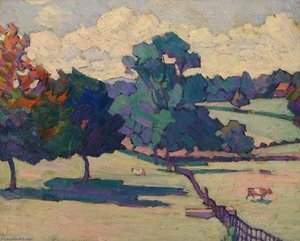
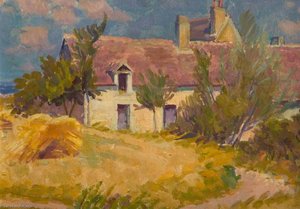
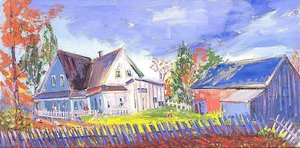
Похожие произведения
Биография художника
Robert Polhill Bevan (1865–1925): British Painter & Camden Town Group Founder
Robert Polhill Bevan, born in Hove in 1865, occupies a pivotal yet often understated position within the narrative of early 20th-century British art. Emerging from a Quaker background steeped in banking connections – his parents were Richard Alexander Bevan and Laura Maria Polhill – he defied conventional expectations to become a daring innovator, a key figure in the transition from Impressionism towards more radical explorations of color and form. His journey was one of constant experimentation, absorbing influences from across Europe while forging a distinctly personal artistic vision that would profoundly impact the development of modern art in Britain. Bevan’s early education at Westminster School of Art under Fred Brown provided a solid foundation, but it was his subsequent studies at the Académie Julian in Paris that truly ignited his creative spark. There, he encountered a constellation of rising stars – Paul Sérusier, Pierre Bonnard, Édouard Vuillard, and Maurice Denis – artists who were challenging academic conventions and embracing new approaches to painting. These encounters proved formative, exposing Bevan to the principles of synthetism and laying the groundwork for his future explorations.Early Influences & Parisian Awakening
Bevan’s artistic sensibilities were profoundly shaped by his formative years in Paris. The Académie Julian served as a crucible for innovation, immersing him in the vibrant intellectual atmosphere of the Belle Époque and introducing him to the groundbreaking ideas circulating amongst avant-garde artists. He was particularly captivated by the work of Paul Gauguin and Pierre Bonnard, whose bold use of color and simplified forms resonated deeply with his own artistic inclinations. These encounters instilled in Bevan a conviction that art should transcend mere representation, prioritizing emotional expression and capturing the essence of experience—a belief that would permeate his subsequent oeuvre. The influence of Maurice Denis’s emphasis on decorative elements and symbolic imagery further broadened Bevan's aesthetic horizons, encouraging him to consider how visual language could convey complex ideas and emotions. Importantly, Bevan wasn’t alone in this pursuit; he collaborated closely with fellow artists like Joseph Crawhall, fostering a dynamic exchange of perspectives that fueled his artistic development.Brittany & The Fauvist Impulse
The allure of Brittany proved irresistible to Bevan, propelling him on two significant expeditions between 1890 and 1891. Drawn to Pont-Aven’s distinctive landscape—characterized by rugged coastlines, verdant hillsides, and expansive skies—he absorbed the spirit of Gauguin's artistic vision. The bold colors championed by Gauguin – particularly crimson reds and ultramarine blues – exerted a powerful influence on Bevan’s early drawings and prints, prompting him to experiment with chromatic intensity as a means of conveying emotion. This fascination with pure color foreshadowed the emergence of Fauvism on the continent, demonstrating Bevan's willingness to embrace radical stylistic departures from traditional conventions. His paintings during this period—such as “The Chestnut Tree” and “Landscape in the Blackdown Hills”—are imbued with an unmistakable vibrancy, reflecting his immersion in Breton artistic culture and signaling a decisive step toward establishing his own distinctive aesthetic voice.Camden Town & The Pursuit of Modern Expression
Bevan’s artistic trajectory gained momentum through his involvement with the Camden Town Group—a collective of artists who sought to redefine British art by rejecting academic formalism and embracing expressive abstraction. Founded in 1911, this group comprised influential figures like Spencer Gore and Charles Ginner, united by a shared commitment to depicting modern urban life and exploring new visual languages. Bevan’s membership in Camden Town fostered collaboration and intellectual stimulation, propelling him toward bolder stylistic experiments—most notably his adoption of divisionist techniques reminiscent of Cézanne and Signac. His paintings from 1912-13 exemplify this approach, utilizing fragmented brushstrokes and juxtaposed colors to capture the dynamism of the cityscape and convey a sense of psychological depth. The Camden Town Group’s ethos—characterized by an openness to experimentation and a rejection of stylistic constraints—provided Bevan with invaluable guidance as he navigated the evolving landscape of British art in the years leading up to World War I.Legacy & Enduring Influence
Robert Polhill Bevan's contribution to British modernism extends far beyond his individual artworks. He stands as a pivotal figure for understanding the complex evolution of painting during this transformative era, embodying the spirit of innovation and artistic courage that defined the movement. His pioneering use of Fauvist principles—particularly in his exploration of color palettes—established him as a forerunner of stylistic developments that would resonate throughout subsequent decades. Furthermore, Bevan’s role in founding the Camden Town Group cemented his place within British art history, shaping the collective vision of artists determined to redefine artistic conventions and engage with contemporary social realities. His paintings continue to captivate audiences today, serving as enduring reminders of Bevan's unwavering commitment to expressive abstraction and his profound impact on the trajectory of British art—a legacy that secures his position as one of the most important figures in the history of modern British painting.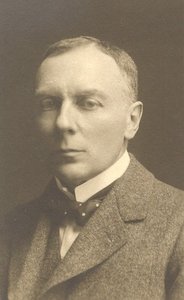
Роберт Поли́лл Бевэн
1865 - 1925 , Великобритания
Основные сведения
- Artistic Movement Or Style: Фавизм, Дивионизм
- Artists Or Movements Influenced By This Artist: ['Камбденский кружок']
- Artists Who Influenced This Artist:
- Павел Гугенхайм
- Эрнест Ремарк
- Жорж Сьюзе
- Date Of Birth: 1865
- Date Of Death: 1925
- Full Name: Robert Polhill Bevan
- Nationality: Британский
- Notable Artworks:
- Полевые работы
- Трансбортовая телега
- Place Of Birth: Хайвердж, Англия