

 Предпросмотр
 Поделиться
 Поделиться
 Детали произведения

 Скачать
 Похожие работы
 Рентгенография
 Слайд-шоу
 Статистика
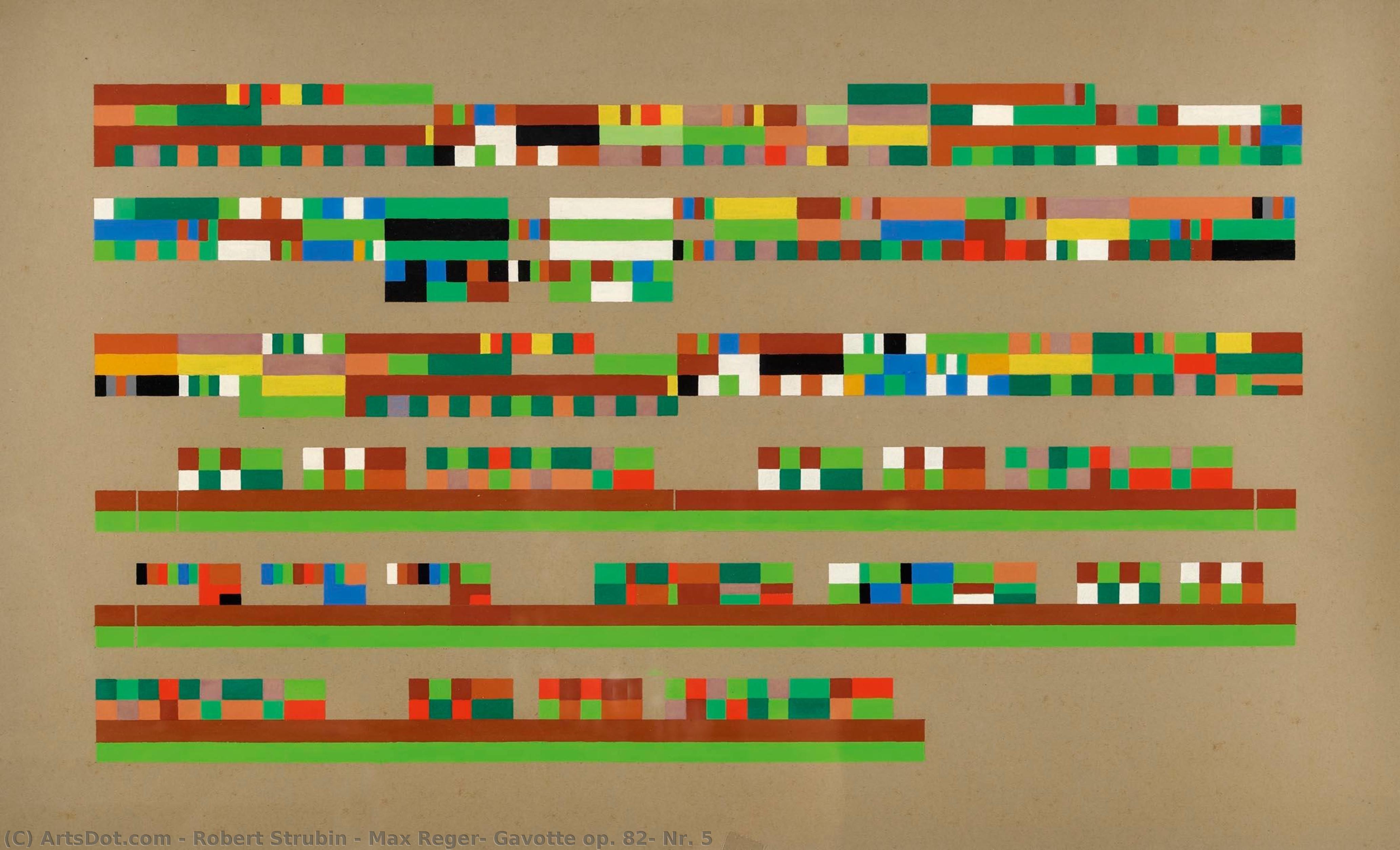
Max Reger, Gavotte op. 82, Nr. 5
 Concretism
 1957
1957 43.0 x 69.0 cm
 Читать далее
Жикле / Арт-принт
Печать (жикле) или холст музейного качества с быстрыми сроками изготовления и широким выбором вариантов отделки. ( Купить картину ручной работы Перейти к цифровым изображениям)




































Выберите один из наших стандартных размеров, соответствующих оригинальным пропорциям произведения искусства.

Вы можете указать свои собственные размеры, чтобы репродукция идеально подошла под конкретную раму или пространство. Если выбранный вами размер не будет соответствовать пропорциям оригинала, мы либо обрежем произведение, либо дополним изображение зеркальным отражением краев или однотонной заливкой. Перед началом производства вам будет отправлен цифровой макет для утверждения.
Пожалуйста, обратите внимание, что предварительный просмотр на экране не отображает фактическую обрезку или расширение изображения. Только макет точно покажет финальную композицию.
Несмотря на возможность заказа индивидуальных размеров, мы рекомендуем выбирать размер из предопределенного списка, чтобы сохранить оригинальные пропорции.
Доставка по всему миру () за 2 недели вместо стандартных 4/5 недель. (11 Сентябрь)

Бесплатная экспресс-доставка по всему миру

Высококачественный льняной холст

Полное страхование доставки

Гарантия возмещения таможенных пошлин

Гарантия точного соответствия цветов

100-дневная политика возврата (только при обнаружении дефектов)

Гарантия возврата 100% средств

Предложение оптовых скидок
 Вариант со стеклом доступен только для размеров менее 110 см

Max Reger, Gavotte op. 82, Nr. 5
Жикле / Арт-принт
Размер репродукции
-


Итоговая стоимость
$ 62
Похожие произведения




Биография художника
Robert Strubin: A Harmonious Bridge Between Draftsmanship and Music
Born in the historic Swiss city of Basel in 1897, Robert Strubin lived a life that served as a profound testament to the interconnectedness of visual art and musical expression. His journey was not merely one of aesthetic exploration but a deep, rhythmic dialogue between two seemingly different worlds. Having studied music in both Basel and Lausanne, Strubin was an accomplished musician long before he became a recognized figure in the Swiss art scene. This early immersion in sound provided him with a unique sensory vocabulary, allowing him to approach the canvas not just as a surface for pigment, but as a stage for tempo, harmony, and structural resonance. As his career progressed, Strubin’s artistic identity began to coalesce around the principles of Concretism. Emerging in the early 20th century, this movement rejected traditional illusionistic representation in favor of simplified, abstract forms that sought to represent reality through pure geometry and color. For Strubin, this was a natural evolution; his foundational training in meticulous draftsmanship allowed him to execute these starker, more disciplined compositions with extraordinary precision. His works often possess a kaleidoscopic quality, where geometric shapes and vibrant gouache fields intersect with a sense of mathematical order that nonetheless vibrates with emotional intensity.The Visual Transcription of Sound
Perhaps the most captivating aspect of Strubin’s oeuvre is his revolutionary approach to musical transcription. Rather than attempting to illustrate a musical score through literal or narrative imagery, he sought to translate the very essence of composition into visual symbols and brushstrokes. He treated the structure of music—its motifs, its crescendos, and its harmonic progressions—as architectural elements for his paintings. This practice positioned him as a vital precursor to the Lyrical Abstraction movement, as he developed a style that could effectively bridge the gap between the auditory and the optic. His engagement with the works of composers like Max Reger remains a pinnacle of his creative output. In pieces such as his transcriptions of Reger’s Gavotte op. 82, Nr. 5 or Oh! Du lieber Augustin, Strubin utilized gouache and Indian ink to create dynamic arrangements where color fields act as melodic swells and sharp black lines function as rhythmic punctuations. These works are not mere decorations of sound; they are independent visual entities that capture the structural soul of the music. His ability to distill complex auditory experiences into balanced, geometric compositions demonstrates an unparalleled sensitivity to both form and rhythm.Legacy and Artistic Significance
The historical significance of Robert Strubin lies in his ability to pioneer a new way of seeing through sound. While some art historians note that his early, more symmetrical works—such as his mandalas—foreshadowed the optical complexities of the later Op Art movement, his true legacy is found in his mastery of modern design and abstraction. His work remains a vital link in the evolution of Swiss modernism, representing a moment where the rigid boundaries of Concretism met the fluid, emotive power of musicality. Today, the enduring impact of his vision can be seen in the permanent collections of prestigious institutions such as the Kunstmuseum Basel and the Kunstmuseum Luzern. His life’s work continues to resonate with those who find beauty in the intersection of disciplines, reminding us that:- Art and music are not separate languages, but different dialects of the same human experience.
- The precision of geometric abstraction can hold profound emotional depth when informed by rhythm.
- True innovation often arises from the synthesis of established traditions, such as classical draftsmanship and modern musical theory.

robert strubin
1897 - 1965 , Switzerland
Основные сведения
- Artistic Movement Or Style: Concretism, Gouache
- Date Of Birth: 1897
- Date Of Death: 1965
- Full Name: Robert Strubin
- Nationality: Swiss
- Notable Artworks:
- Oh! Du lieber Augustin à la Reger
- Hans Ulrich Engelmann: 99 Takte f. Cembalo
- Max Reger, Gavotte op. 82, Nr. 5
- Place Of Birth: Basel, Switzerland