

 Предпросмотр
 Поделиться
 Поделиться
 Детали произведения

 Скачать
 Похожие работы
 Рентгенография
 Слайд-шоу
 Статистика
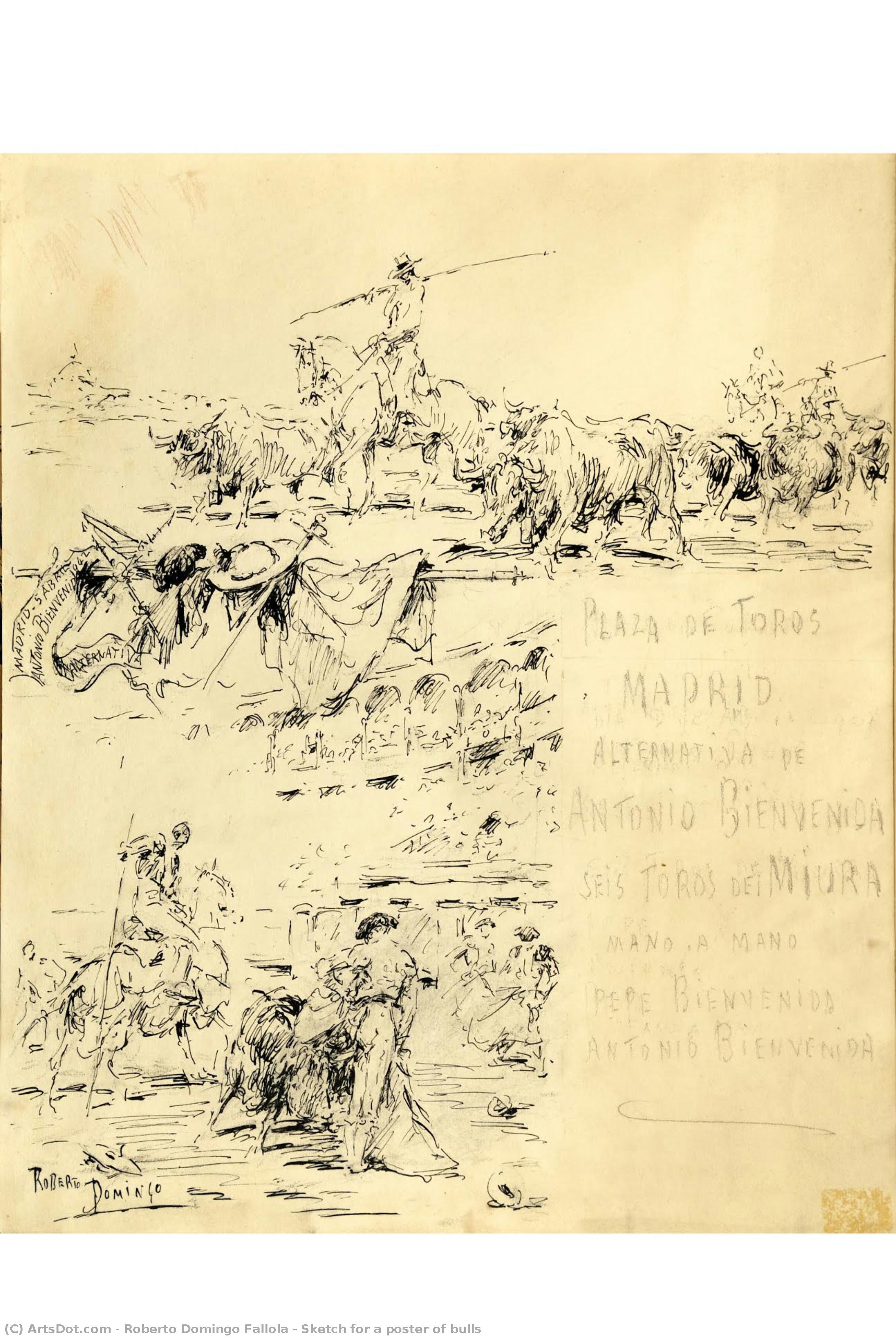
Sketch for a poster of bulls

 Читать далее
Масляная репродукция ручной работы
Картина маслом на холсте в выбранном вами размере и раме, написанная на заказ нашими художниками. ( Перейти к печати Перейти к цифровым изображениям)




































Выберите один из наших стандартных размеров, соответствующих оригинальным пропорциям произведения искусства.

Вы можете указать собственные размеры, чтобы картина идеально вписалась в выбранную раму или пространство. Если выбранный вами размер не соответствует пропорциям оригинала, мы либо обрежем полотно, либо расширим его за счет дополнительных элементов, написанных вручную. Цифровой макет будет отправлен вам на утверждение перед началом производства.
Обратите внимание, что предварительный просмотр на экране не отражает фактическую обрезку или расширение. Только макет точно покажет окончательную композицию.
Хотя доступны индивидуальные размеры, мы рекомендуем выбирать вариант из предопределенного списка, чтобы сохранить исходные пропорции.
После оформления заказа команда ArtsDot.com свяжется с клиентом по электронной почте для уточнения деталей и предоставит предварительный макет
Доставка по всему миру () за 3–4 недели вместо стандартных 5 недель. (13 Сентябрь). Без компромиссов в качестве.

Бесплатная экспресс-доставка по всему миру

Высококачественный льняной холст

Полное страхование доставки

Гарантия возмещения таможенных пошлин

Гарантия точного соответствия цветов

100-дневная политика возврата (только при обнаружении дефектов)

Гарантия возврата 100% средств

Предложение оптовых скидок
 Вариант со стеклом доступен только для размеров менее 110 см

Sketch for a poster of bulls
Техника репродукции
Размер репродукции
-


Итоговая стоимость
$ 263
Похожие произведения
Биография художника
A Parisian Beginning: The Early Life of Roberto Domingo Fallola
Roberto Domingo Fallola, born in Paris in 1883 and passing away in Madrid in 1956, occupies a fascinating space within the narrative of Spanish painting. He wasn’t merely an artist; he was a conduit—a bridge between the vibrant Impressionistic currents of his upbringing and the deeply rooted traditions of Spanish costumbrismo and taurine art. His story begins not with grand pronouncements of artistic intent, but with the quiet intimacy of familial instruction. Fallola was the son and devoted pupil of Francisco Domingo Marqués, a prominent figure in the thriving Spanish art colony that flourished in Paris during the late 19th and early 20th centuries. This formative period proved crucial; young Roberto absorbed not only technical skills from his father but also an appreciation for the Parisian light, atmosphere, and burgeoning modern styles. He frequented artistic circles, becoming familiar with the works of masters who would subtly influence his own developing aesthetic. These early years were dedicated to honing fundamental drawing abilities—a foundation upon which he would later build a career celebrated for its precision and dynamism.The Madrid Years: Finding a Voice in Genre and Bullfighting Scenes
In 1906, Fallola relocated to Madrid, marking a significant shift in his artistic trajectory. He enrolled at the San Fernando Academy of Fine Arts, briefly studying under Antonio Muñoz Degraín before charting his own course. While academic training provided structure, it was outside the confines of formal education that Fallola truly began to discover his unique voice. He quickly gravitated towards genre painting—scenes of everyday life imbued with a distinctly Spanish character—and, most notably, bullfighting. This latter subject would become synonymous with his name. Fallola didn’t simply depict bullfights; he captured the *essence* of them: the raw energy, the ritualistic drama, and the complex interplay between man and beast. His work from this period demonstrates a growing mastery of composition, rhythm, and line—qualities inherited from his father but now infused with a personal flair. Early exhibitions in Madrid and Barcelona garnered attention, establishing him as an artist to watch. The third prize at the National Exhibition of Fine Arts in 1908 was an early validation, followed by further accolades that solidified his reputation within the Spanish art world.Influences and Artistic Development: Goya’s Shadow and Parisian Grace
The influence of Francisco de Goya loomed large over Fallola's work, particularly in his depictions of bullfighting scenes. Like Goya, Fallola possessed a keen eye for capturing human emotion—the fear, the courage, the spectacle—and translating it onto canvas with unflinching realism. However, while Goya’s approach was often characterized by darkness and social commentary, Fallola tended towards a more celebratory, though no less dramatic, portrayal of Spanish traditions. The Parisian influence also remained palpable throughout his career. His rapid technique, employing short brushstrokes to suggest movement and outline, echoes the Impressionistic emphasis on capturing fleeting moments. He balanced this with a meticulous attention to detail—a hallmark of costumbrismo—resulting in paintings that are both dynamic and precise. This unique blend allowed him to convey not just *what* was happening in the bullring or on the streets of Madrid but also *how it felt*.Major Achievements and Recognition: A Legacy Preserved
Throughout his career, Roberto Domingo Fallola participated in numerous national and international exhibitions, earning consistent praise for his skill and originality. His 1911 solo exhibition in Rome proved particularly successful, with all works being sold—a testament to the growing demand for his art. The Spanish State’s acquisition of “el coleo” in 1915 further cemented his standing within the artistic establishment. He exhibited extensively in London galleries like Baillie and Tooth, where his work was admired by prominent artists such as Sargent and Gerald Nelly, who became collectors. While he experienced periods of relative quiet later in life, his contributions to Spanish painting remained significant. Today, Fallola’s works are held in prestigious collections, most notably the Prado Museum in Madrid—a fitting tribute to an artist who dedicated his life to capturing the spirit of Spain.Historical Significance: A Chronicler of a Vanishing World
Roberto Domingo Fallola's historical significance lies not only in his artistic talent but also in his role as a chronicler of a specific time and place. His paintings offer a glimpse into the vibrant culture of early 20th-century Spain—a world steeped in tradition, ritual, and spectacle. He documented bullfighting at a time when it was more than just a sport; it was a deeply ingrained part of Spanish identity. His genre scenes provide valuable insights into everyday life, capturing the customs, clothing, and social interactions of the period. Fallola’s work serves as a visual record—a testament to a vanishing world that continues to fascinate and inspire. He stands as a compelling example of an artist who successfully synthesized diverse influences—from Parisian Impressionism to Goya's dramatic realism—to create a body of work that is both uniquely Spanish and universally appealing. His legacy endures, reminding us of the power of art to capture not just images but also emotions, traditions, and the very essence of a culture.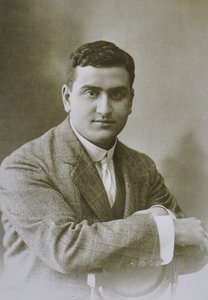
roberto domingo fallola
1883 - 1956 , France
Основные сведения
- Artistic Movement Or Style: Costumbrista, Genre painting
- Artists Who Influenced This Artist:
- Francisco Domingo Marqués
- Goya
- Date Of Birth: 1883
- Date Of Death: 1956
- Full Name: Roberto Domingo Fallola
- Nationality: Spanish
- Notable Artworks:
- Suerte de varas
- Enclosing the flock
- Place Of Birth: Paris, France