

 Предпросмотр
 Поделиться
 Поделиться
 Детали произведения

 Скачать
 Похожие работы
 Рентгенография
 Слайд-шоу
 Статистика
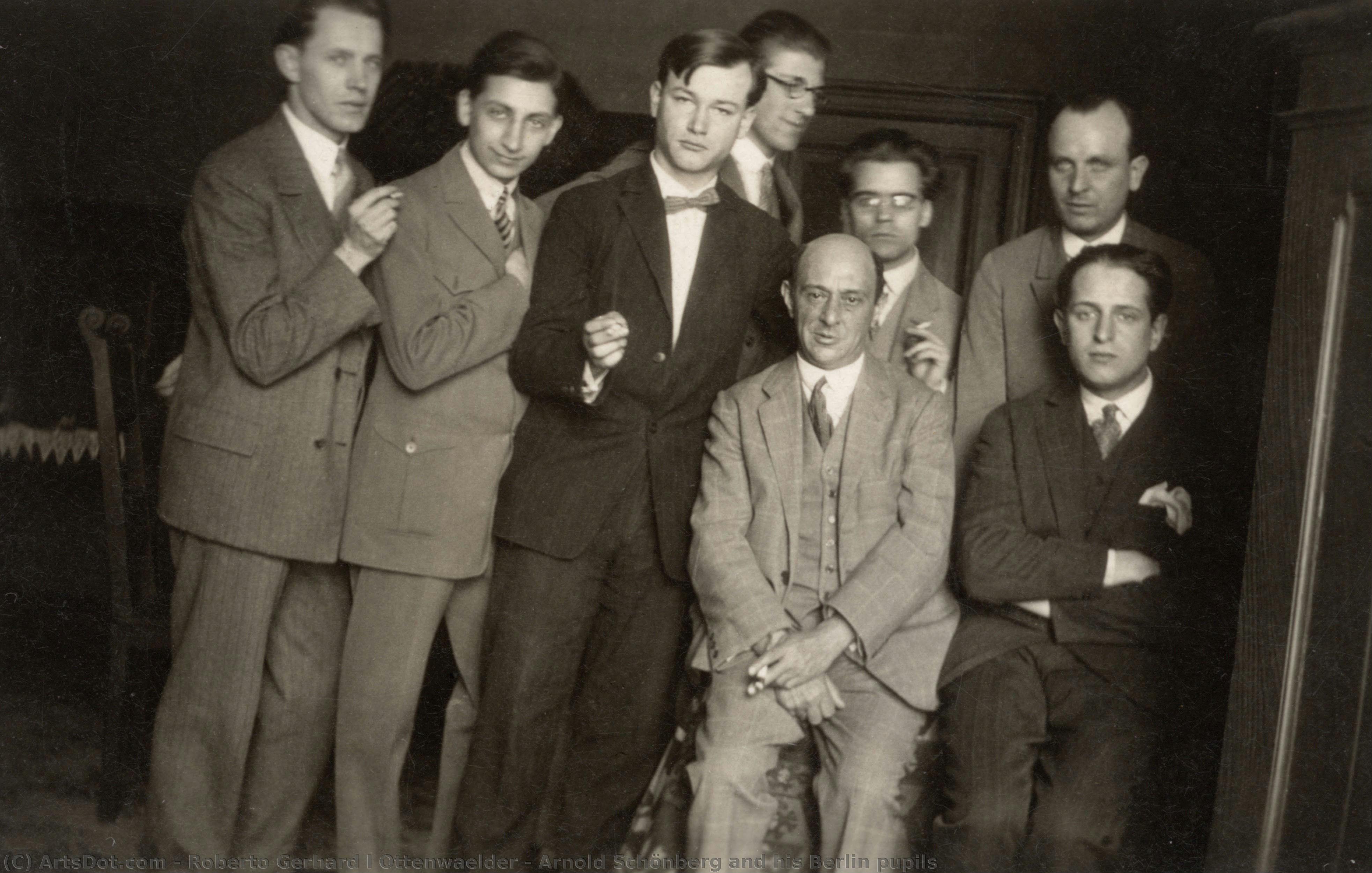
Arnold Schönberg and his Berlin pupils
 1926
1926 7.0 x 5.0 cm
 Arnold Schönberg Center
 Читать далее
Приобретите цифровое изображение высокого разрешения в улучшенном качестве, которое значительно превосходит онлайн-превью.
Каждый файл тщательно подготавливается нашими специалистами с использованием передовых инструментов и экспертной ручной ретуши. Мы гарантируем исключительную четкость, точную цветопередачу и детальную проработку каждого изображения.
Финальный файл доставляется по электронной почте в течение 72 часов и оптимизирован для немедленного использования в профессиональной среде, при верстке и печати. Это тот же уровень качества, которому доверяют ведущие дизайнерские студии, издательства и галереи.
Цифровое изображение
Скачайте файл высокого разрешения для личного использования, печати и творческих проектов. ( Перейти к печати Купить картину ручной работы)
Включено в каждый заказ цифровых изображений
Гарантия экспертной цифровой доставки
Выбирая ArtsDot.com, вы получаете не просто изображение — вы приобретаете профессионально обработанное цифровое произведение искусства, созданное с безупречной точностью и под защитой гарантии качества. Вот всё, что автоматически входит в ваш заказ:

Мгновенная доставка по e-mail
Ваш цифровой файл в высоком разрешении будет отправлен вам по электронной почте в течение 72 часов после оформления заказа — и сразу станет доступен для использования.

Цифровой файл с ИИ-улучшением
Ваше произведение искусства проходит профессиональную оптимизацию с использованием передовых инструментов ИИ и ручной обработки, что гарантирует максимальную детализацию, четкость и точность цветопередачи.

Бессрочная бесплатная повторная доставка
Случайно удалили или потеряли файл? Не беспокойтесь — мы отправим его вам повторно в любое время и совершенно бесплатно.

Без импортных пошлин — навсегда
Наслаждайтесь вашим произведением искусства мгновенно без таможенных пошлин, сборов или затрат на доставку — цифровые загрузки всегда не облагаются налогом.

Гарантия точности цветопередачи
Мы гарантируем, что ваше цифровое изображение максимально точно передает оригинальные цвета благодаря использованию профессиональных инструментов и систем управления цветом.

Гарантия удовлетворенности 100 дней
Если вы не будете удовлетворены своим цифровым изображением, мы внесем правки или вернем 100% стоимости в течение 100 дней — без лишних вопросов.

100% Гарантия возврата средств
Не удовлетворены покупкой? Получите полный возврат средств в течение 100 дней после получения цифрового файла — без лишних вопросов.

Скидки на оптовые заказы
Купите 3 изображения, сэкономьте 10% — Купите 5, сэкономьте 15% — Купите 10+, сэкономьте 20%. Отличное решение для творческих проектов, галерей и агентств.
Похожие произведения







Биография художника
Roberto Gerhard: A Bridge Between Spain and Modernity
Roberto Gerhard i Ottenwaelder, a name perhaps less familiar than some of his contemporaries, represents a fascinating confluence of musical traditions – the passionate rhythms of Catalan folk music, the rigorous intellectualism of Arnold Schoenberg, and the evolving landscape of 20th-century European composition. Born in Valls, Spain, in 1896, Gerhard’s life was marked by both geographical displacement and an unwavering dedication to forging a unique musical voice. His early years were steeped in the traditions of his homeland, studying piano with Enrique Granados and composition under Felipe Pedrell – a lineage that immediately connected him to the vibrant artistic currents of Catalonia. However, a pivotal decision at the age of 26 led him to Vienna, where he embarked on a transformative apprenticeship with none other than Arnold Schoenberg. This encounter proved to be the defining moment of his career, shaping not only his compositional style but also his entire worldview.Schoenberg’s Influence and Early Development
Gerhard's time in Vienna between 1923 and 1928 was a period of intense intellectual and musical exploration. Schoenberg’s influence was profound, introducing Gerhard to the principles of serialism – a revolutionary approach to composition that abandoned traditional tonal harmony in favor of a twelve-tone system. Yet, Gerhard didn't simply adopt Schoenberg’s techniques wholesale; he skillfully integrated them with his own deeply rooted appreciation for Spanish folklore and melodic sensibility. This synthesis is evident throughout his early works, such as *Soirées de Barcelone* (1934) and *Don Quixote* (1936), ballets that brilliantly blend the rigor of serialism with evocative melodies reminiscent of Catalan dances and songs. These pieces demonstrate a remarkable ability to create music that is both intellectually stimulating and emotionally resonant, capturing the spirit of Spain in a distinctly modern idiom. Furthermore, his exposure to Bartók’s rhythmic vitality and Stravinsky's innovative orchestration broadened his compositional palette, adding layers of complexity and dynamism to his work.Collaboration and Catalan Identity
Returning to Barcelona in 1928, Gerhard became a central figure in the city’s thriving avant-garde scene. He cultivated close relationships with other prominent artists, including Joan Miró and Pablo Casals, fostering an environment of creative exchange and experimentation. His commitment to Catalan culture was unwavering; he championed local composers, collected folk songs, and actively promoted musical traditions within his native region. This dedication culminated in works like *Sis Cançons Populars Catalanes* (1931), a collection of traditional Catalan melodies set for soprano and orchestra, which served as both a celebration of his heritage and a testament to his compositional skill. The political climate of the time, however, forced him into exile, highlighting the complex relationship between artistic expression and national identity.Exile and the BBC Years
Following the outbreak of the Spanish Civil War in 1936, Gerhard fled to France and eventually settled in Cambridge, England, in 1939. This period marked a significant shift in his musical focus, as he embraced opportunities with the British Broadcasting Corporation (BBC). Working closely with the BBC’s Radiophonic Workshop, he composed a series of groundbreaking electronic works – *Cristóbal Colón* (1943-44) and *Anger of Achilles* (1964), among others – that pushed the boundaries of sonic experimentation. These pieces demonstrated his willingness to embrace new technologies and explore uncharted territories in sound design, establishing him as a pioneer in the field of electronic music in Britain. His later works, including the Symphony No. 3 ‘Collages’ and Symphony No. 4, continued to reflect his evolving style, incorporating elements of serialism alongside a deep engagement with Catalan musical traditions.Legacy and Historical Significance
Roberto Gerhard's legacy is preserved through his extensive archive held at Cambridge University Library and personal papers housed in the Biblioteca de Catalunya. His music, often overlooked but increasingly recognized for its originality and depth, offers a unique perspective on 20th-century musical developments. He stands as a bridge between Spain and Europe, a testament to the power of cross-cultural exchange, and a significant figure in the evolution of modern composition. The rediscovery of his works is not merely an act of historical recovery but also a celebration of a singular artistic vision – one that seamlessly blends intellectual rigor with emotional depth, tradition with innovation, and national identity with universal musical expression. His influence continues to resonate within contemporary music, reminding us of the enduring power of individual creativity in shaping the course of art history.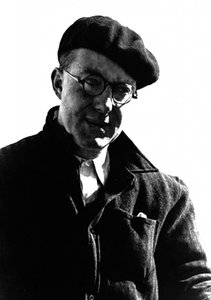
roberto gerhard i ottenwaelder
1896 - 1970 , Spain
Основные сведения
- Artistic Movement Or Style: Neoclassicism
- Artists Or Movements Influenced By This Artist:
- Joan Miró
- Pablo Casals
- Artists Who Influenced This Artist:
- Enrique Granados
- Felipe Pedrell
- Arnold Schoenberg
- Date Of Birth: September 25, 1896
- Date Of Death: January 5, 1970
- Full Name: Roberto Gerhard i Ottenwaelder
- Nationality: Spanish & British
- Notable Artworks:
- Soirées de Barcelone
- Don Quixote
- The Duenna
- Place Of Birth: Valls, Spain