

 Предпросмотр
 Поделиться
 Поделиться
 Детали произведения

 Скачать
 Похожие работы
 Рентгенография
 Слайд-шоу
 Статистика
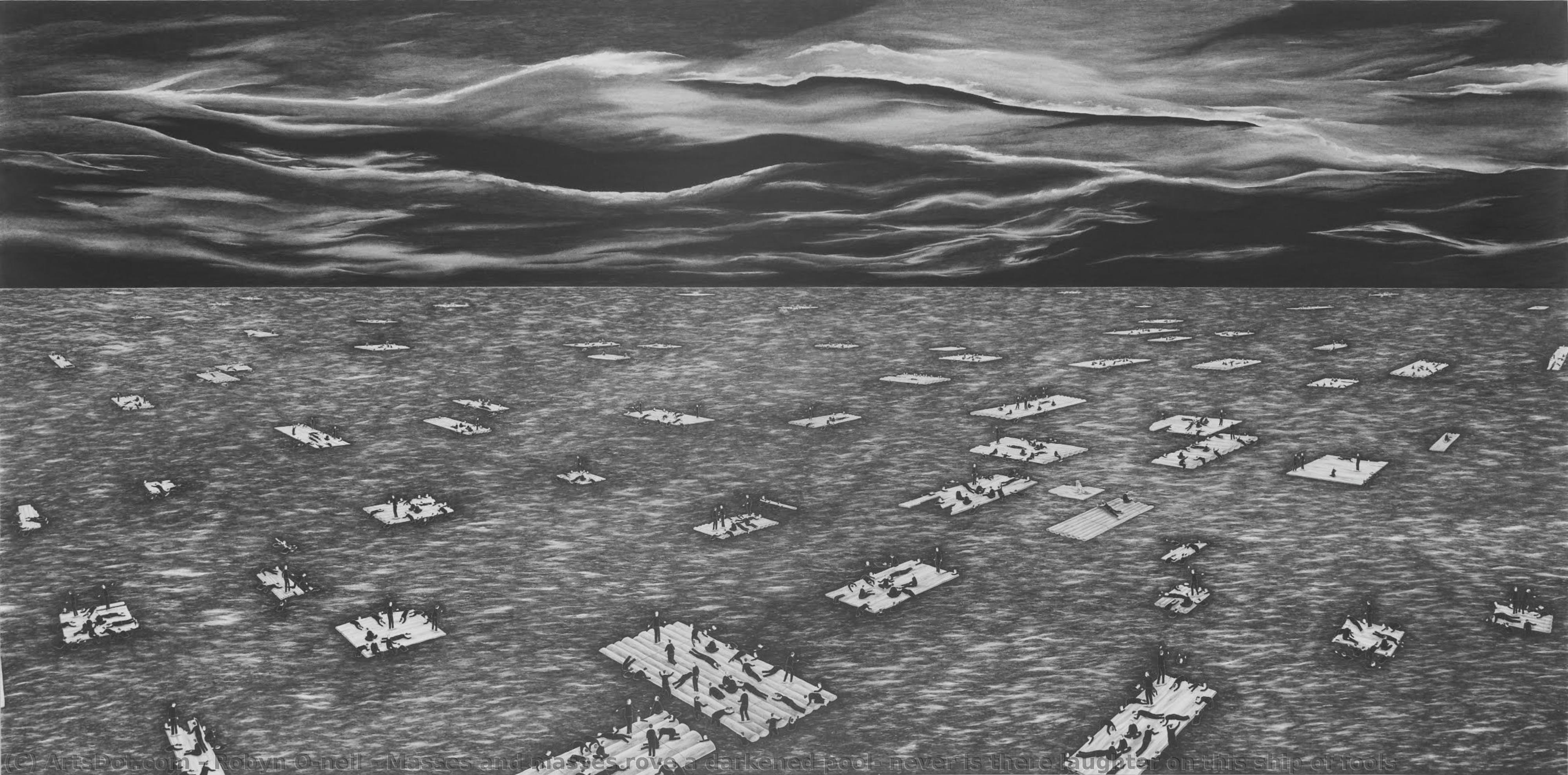
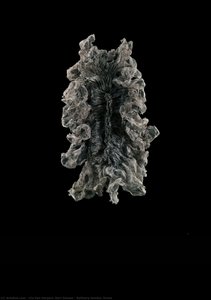
Masses and masses rove a darkened pool; never is there laughter on this ship of fools


 Читать далее
Жикле / Арт-принт
Печать (жикле) или холст музейного качества с быстрыми сроками изготовления и широким выбором вариантов отделки. ( Купить картину ручной работы Перейти к цифровым изображениям)




































Выберите один из наших стандартных размеров, соответствующих оригинальным пропорциям произведения искусства.

Вы можете указать свои собственные размеры, чтобы репродукция идеально подошла под конкретную раму или пространство. Если выбранный вами размер не будет соответствовать пропорциям оригинала, мы либо обрежем произведение, либо дополним изображение зеркальным отражением краев или однотонной заливкой. Перед началом производства вам будет отправлен цифровой макет для утверждения.
Пожалуйста, обратите внимание, что предварительный просмотр на экране не отображает фактическую обрезку или расширение изображения. Только макет точно покажет финальную композицию.
Несмотря на возможность заказа индивидуальных размеров, мы рекомендуем выбирать размер из предопределенного списка, чтобы сохранить оригинальные пропорции.
Доставка по всему миру () за 2 недели вместо стандартных 4/5 недель. (12 Сентябрь)

Бесплатная экспресс-доставка по всему миру

Высококачественный льняной холст

Полное страхование доставки

Гарантия возмещения таможенных пошлин

Гарантия точного соответствия цветов

100-дневная политика возврата (только при обнаружении дефектов)

Гарантия возврата 100% средств

Предложение оптовых скидок
 Вариант со стеклом доступен только для размеров менее 110 см

Masses and masses rove a darkened pool; never is there laughter on this ship of fools
Жикле / Арт-принт
Размер репродукции
-


Итоговая стоимость
$ 62
Похожие произведения






Биография художника
Robyn O’Neil: Architect of Bleak Beauty
Born in Omaha, Nebraska, in 1977, Robyn O'Neil has emerged as a singular voice within contemporary drawing, crafting intensely personal and often unsettling narratives rendered in meticulously detailed graphite. Her work isn’t merely about depicting scenes; it’s about excavating memory, exploring the shadowed corners of human experience, and confronting the uncomfortable truths beneath a veneer of normalcy. O’Neil's trajectory is marked by a deliberate rejection of easy answers, favoring instead a landscape of existential bleakness and absurdist drama—a realm where small figures engage in acts of violence, trauma, and quiet desperation, all set against vast, meticulously rendered backgrounds.
Early influences are difficult to pinpoint with absolute certainty, though O’Neil has spoken of a deep engagement with art history, particularly the traditions of European drawing and printmaking. The influence of artists like Gustave Doré—whose dramatic illustrations often depicted scenes of apocalypse and moral judgment—is frequently cited as a key touchstone. Furthermore, her studies at Werner Herzog's Rogue Film School in Los Angeles profoundly shaped her approach to storytelling, emphasizing atmosphere, mood, and the power of visual suggestion over explicit narrative. This cinematic sensibility is evident in the way she constructs her drawings, creating immersive environments that invite prolonged contemplation and unsettling interpretations.
The Language of Graphite
O’Neil's technical mastery lies primarily in her command of graphite. She eschews bright colors or dramatic effects, instead relying on a monochromatic palette—primarily shades of gray—to amplify the emotional weight of her scenes. The velvety texture achieved through layering and blending is crucial to her aesthetic; it lends a tactile quality to the drawings, as if they were physical objects unearthed from a forgotten realm. Her process involves an almost obsessive level of detail, meticulously rendering every surface, every shadow, every subtle gesture. This painstaking approach isn’t simply about technical skill; it's a deliberate attempt to slow down the viewer’s perception, forcing them to confront the unsettling details within each image.
A defining characteristic of O’Neil’s work is her incorporation of art historical references—fragments of classical mythology, religious iconography, and literary allusions—woven seamlessly into the narrative fabric. These echoes suggest a dialogue between past and present, hinting at cycles of violence, loss, and redemption that have recurred throughout human history. However, O'Neil doesn’t offer easy resolutions or moral judgments; instead, she presents these references as fragments of memory, prompting viewers to grapple with their own interpretations and anxieties.
Themes of Trauma and Existential Dread
O’Neil’s drawings consistently explore themes of trauma, violence, and the fragility of human existence. Her figures—often small, anonymous, and seemingly isolated—are caught in moments of intense emotional distress or engaged in acts of quiet desperation. These scenes are rarely explicitly violent, but they evoke a sense of underlying tension and impending doom. The vastness of the backgrounds—often depicting desolate landscapes or crumbling ruins—underscores the insignificance of individual human lives within the grand sweep of time.
Despite the pervasive darkness, O’Neil's work isn’t entirely devoid of hope. Subtle signs of resilience and beauty emerge from the wreckage—a single flower blooming in a barren field, a ray of sunlight piercing through the clouds. These moments offer fleeting glimpses of redemption, suggesting that even in the face of overwhelming despair, the will to create and endure persists.
Recognition and Legacy
Robyn O’Neil has garnered significant critical acclaim and recognition throughout her career. She has held solo exhibitions at prestigious institutions including the Southeastern Center for Contemporary Art (SECCA), Winston-Salem; the Des Moines Art Center; the Modern Art Museum of Fort Worth; and the Contemporary Arts Museum, Houston. Her work is included in the permanent collections of numerous museums across North America, reflecting its enduring appeal and artistic significance.
Beyond her individual achievements, O’Neil's influence extends to a broader conversation about the role of drawing in contemporary art. Her meticulous technique, evocative imagery, and willingness to confront difficult themes have inspired a new generation of artists working with graphite and other traditional media. In 2016, she launched “ME READING STUFF,” a popular podcast that continues to engage audiences with her unique perspective on art, literature, and the human condition. Her recent foray into audio storytelling through "ROBYN'S GATE" further demonstrates her commitment to exploring narrative in innovative ways. O’Neil’s work stands as a testament to the power of drawing to evoke profound emotions and challenge our understanding of the world around us—a hauntingly beautiful exploration of the human condition.

Robyn O'Neil
1977 - , United States of America
Основные сведения
- Artistic Movement Or Style: Graphite drawings
- Artists Or Movements Influenced By This Artist: ['Damien Jurado']
- Artists Who Influenced This Artist: ['Werner Herzog']
- Date Of Birth: 1977-08-23
- Full Name: Robyn O'Neil
- Nationality: American
- Notable Artworks: ['WE, THE MASSES']
- Place Of Birth: Omaha, Nebraska, USA