

 Предпросмотр
 Поделиться
 Поделиться
 Детали произведения

 Скачать
 Похожие работы
 Рентгенография
 Слайд-шоу
 Статистика
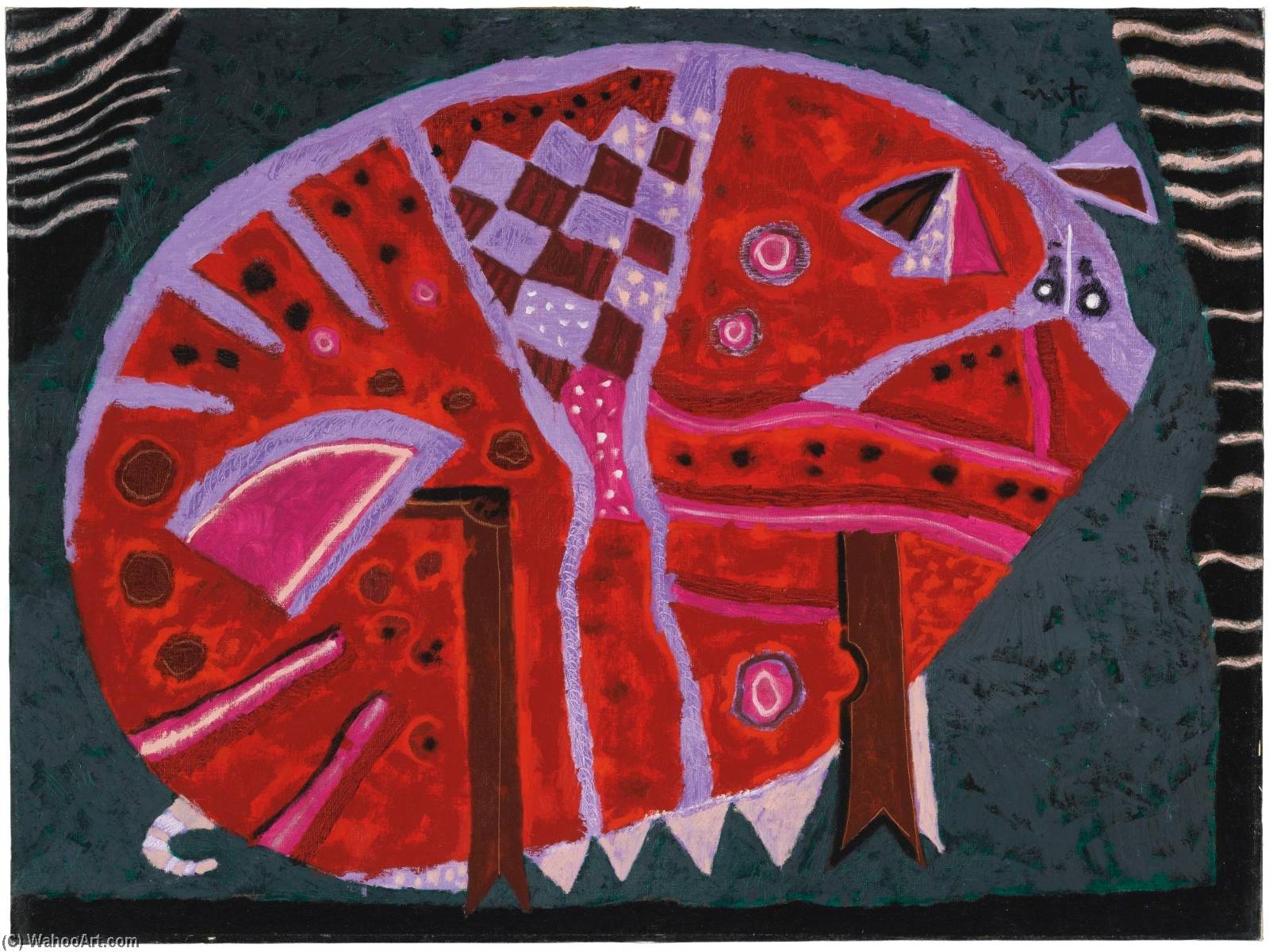
La Engorda
 Abstract Expressionism
 1976
1976 100.0 x 130.0 cm
 Читать далее
Приобретите цифровое изображение высокого разрешения в улучшенном качестве, которое значительно превосходит онлайн-превью.
Каждый файл тщательно подготавливается нашими специалистами с использованием передовых инструментов и экспертной ручной ретуши. Мы гарантируем исключительную четкость, точную цветопередачу и детальную проработку каждого изображения.
Финальный файл доставляется по электронной почте в течение 72 часов и оптимизирован для немедленного использования в профессиональной среде, при верстке и печати. Это тот же уровень качества, которому доверяют ведущие дизайнерские студии, издательства и галереи.
Цифровое изображение
Скачайте файл высокого разрешения для личного использования, печати и творческих проектов. ( Перейти к печати Купить картину ручной работы)
Включено в каждый заказ цифровых изображений
Гарантия экспертной цифровой доставки
Выбирая ArtsDot.com, вы получаете не просто изображение — вы приобретаете профессионально обработанное цифровое произведение искусства, созданное с безупречной точностью и под защитой гарантии качества. Вот всё, что автоматически входит в ваш заказ:

Мгновенная доставка по e-mail
Ваш цифровой файл в высоком разрешении будет отправлен вам по электронной почте в течение 72 часов после оформления заказа — и сразу станет доступен для использования.

Цифровой файл с ИИ-улучшением
Ваше произведение искусства проходит профессиональную оптимизацию с использованием передовых инструментов ИИ и ручной обработки, что гарантирует максимальную детализацию, четкость и точность цветопередачи.

Бессрочная бесплатная повторная доставка
Случайно удалили или потеряли файл? Не беспокойтесь — мы отправим его вам повторно в любое время и совершенно бесплатно.

Без импортных пошлин — навсегда
Наслаждайтесь вашим произведением искусства мгновенно без таможенных пошлин, сборов или затрат на доставку — цифровые загрузки всегда не облагаются налогом.

Гарантия точности цветопередачи
Мы гарантируем, что ваше цифровое изображение максимально точно передает оригинальные цвета благодаря использованию профессиональных инструментов и систем управления цветом.

Гарантия удовлетворенности 100 дней
Если вы не будете удовлетворены своим цифровым изображением, мы внесем правки или вернем 100% стоимости в течение 100 дней — без лишних вопросов.

100% Гарантия возврата средств
Не удовлетворены покупкой? Получите полный возврат средств в течение 100 дней после получения цифрового файла — без лишних вопросов.

Скидки на оптовые заказы
Купите 3 изображения, сэкономьте 10% — Купите 5, сэкономьте 15% — Купите 10+, сэкономьте 20%. Отличное решение для творческих проектов, галерей и агентств.
Artist Background
Rodolfo Nieto is an artist known for his bold and vibrant works, often incorporating abstract and figurative elements. His use of color and composition sets him apart from other artists of his time. "La Engorda" is a prime example of his skill in creating complex and intriguing pieces.Painting Analysis
The painting features a large red animal with many dots on it, resembling a mix of a dog and a cat. The animal has a long snout and its mouth is open, giving it a sense of dynamism. The background of the painting showcases a checkered pattern, adding depth and texture to the overall piece. The use of dots throughout the image creates a sense of movement and energy.- The combination of abstract and figurative elements in "La Engorda" makes it a unique and captivating work of art.
- The use of bold colors and composition adds to the painting's dynamic nature.
- The checkered background pattern creates a sense of depth and texture, drawing the viewer into the piece.
Other notable artists and their works can be found on ArtsDot.com, including Idas Losin B.1976's "Waiting to sail" and Giorgione (Giorgio Barbarelli Da Castelfranco)'s "The Reading Madonna". These artworks showcase the diversity and richness of the art world, with each piece offering a unique perspective and style.
Похожие произведения
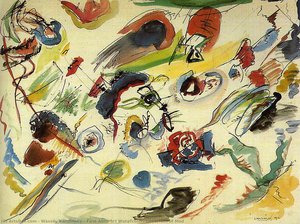
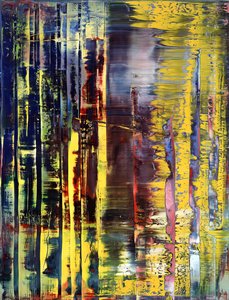
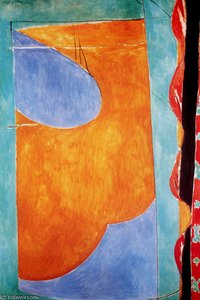
Биография художника
The Soul of Oaxaca: The Life and Vision of Rodolfo Nieto
Born amidst the vibrant, sun-drenched landscapes of Oaxaca, Mexico, in 1936, Rodolfo Nieto emerged as a profound voice within the Oaxacan School, weaving together the raw energy of his indigenous roots with the sophisticated nuances of European modernism. His early life was marked by both sudden hardship and extraordinary promise. Following the mysterious disappearance of his father, a medical epidemiologist, in 1949, Nieto’s family faced profound destitution, forcing a move to Mexico City. It was during this period of transition that a chance encounter with the dancer and professor Santos Balmori revealed the young artist's latent genius; a simple sketch of a cat served as the catalyst for a lifelong devotion to the brush and the chisel.
Nieto’s formal artistic journey began in earnest at the prestigious Escuela Nacional de Pintura, Escultura y Grabado "La Esmeralda". Under the tutelage of masters like Carlos Orozco Romero, he began to navigate the complex intersections of Mexican identity and international avant-garde movements. His early years were deeply intertwined with the giants of Mexican muralism; having apprenticed under Diego Rivera, Nieto absorbed the monumental scale and social consciousness of the era, yet he possessed an innate desire to transcend the purely didactic nature of much of the period's art. This thirst for expansion eventually led him to Paris in the early 1960s, a move that would fundamentally reshape his aesthetic language.
A Synthesis of Worlds: From Paris to the Alebrijes
In the bohemian heart of Paris, Nieto found himself immersed in a rich tapestry of intellectual and artistic exchange. He moved within circles that included literary luminaries like Julio Cortázar and fellow painters such as Severo Toledo and José Biasi. It was during this European sojourn that his work underwent a transformative metamorphosis. Working at Atelier 17 under Stanley William Hayter, he discovered the intricate possibilities of printmaking, while the haunting, emotive works of Edvard Munch ignited a deep fascination with wood engraving. This period allowed him to view his native heritage through a detached, analytical lens, stripping away the purely folkloric to find the universal spirit beneath.
The most striking achievement of Nieto’s mature style was his ability to reimagine the alebrijes—the brightly painted, hand-carved wooden creatures of Oaxacan tradition. Rather than merely replicating folk art, he synthesized these fantastical beasts with a surrealist sensibility, creating what many call his "bestiarios." His canvases became dreamscapes populated by hybrid creatures that felt both ancient and modern, blending the tactile textures of Mexican craftsmanship with the psychological depth of European Surrealism and Art Brut. This fusion created a unique visual vocabulary that spoke to the subconscious, bridging the gap between the earthly traditions of his homeland and the abstract explorations of the global art scene.
Legacy of a Tragic Master
Despite his immense talent and the significant connections he maintained across continents, Rodolfo Nieto’s life was cut tragically short in 1985. His death marked the loss of an artist who had successfully navigated the delicate balance between the local and the universal. He did not merely paint scenes; he constructed worlds where the boundaries between animal, human, and myth were perpetually blurred.
The historical significance of Nieto lies in his role as a bridge-builder. His work remains a testament to several key artistic pillars:
- Cultural Synthesis: The seamless integration of Oaxacan folk motifs with European modernism.
- Technical Versatility: Mastery across various media, including painting, lithography, and wood engraving.
- Symbolic Depth: The use of the bestiario to explore themes of identity, metamorphosis, and the subconscious.
- Artistic Lineage: Carrying forward the legacy of the Mexican School while pushing it toward a more personal, surrealist frontier.
Today, Rodolfo Nieto is remembered not just as an assistant to Rivera or a student of the Oaxacan tradition, but as a visionary who transformed the colorful legends of his childhood into a sophisticated, haunting, and eternally captivating body of work.
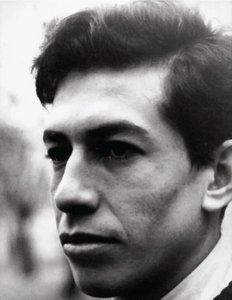
rodolfo nieto
1936 - 1985 , Mexico
Основные сведения
- Artistic Movement Or Style: Oaxacan School, Surrealism
- Artists Who Influenced This Artist:
- Diego Rivera
- Edvard Munch
- Carlos Orozco Romero
- Date Of Birth: July 13, 1936
- Date Of Death: 1985
- Full Name: Rodolfo Nieto Labastida
- Nationality: Mexican
- Place Of Birth: Oaxaca, Mexico