

 Предпросмотр
 Поделиться
 Поделиться
 Детали произведения

 Скачать
 Похожие работы
 Рентгенография
 Слайд-шоу
 Статистика
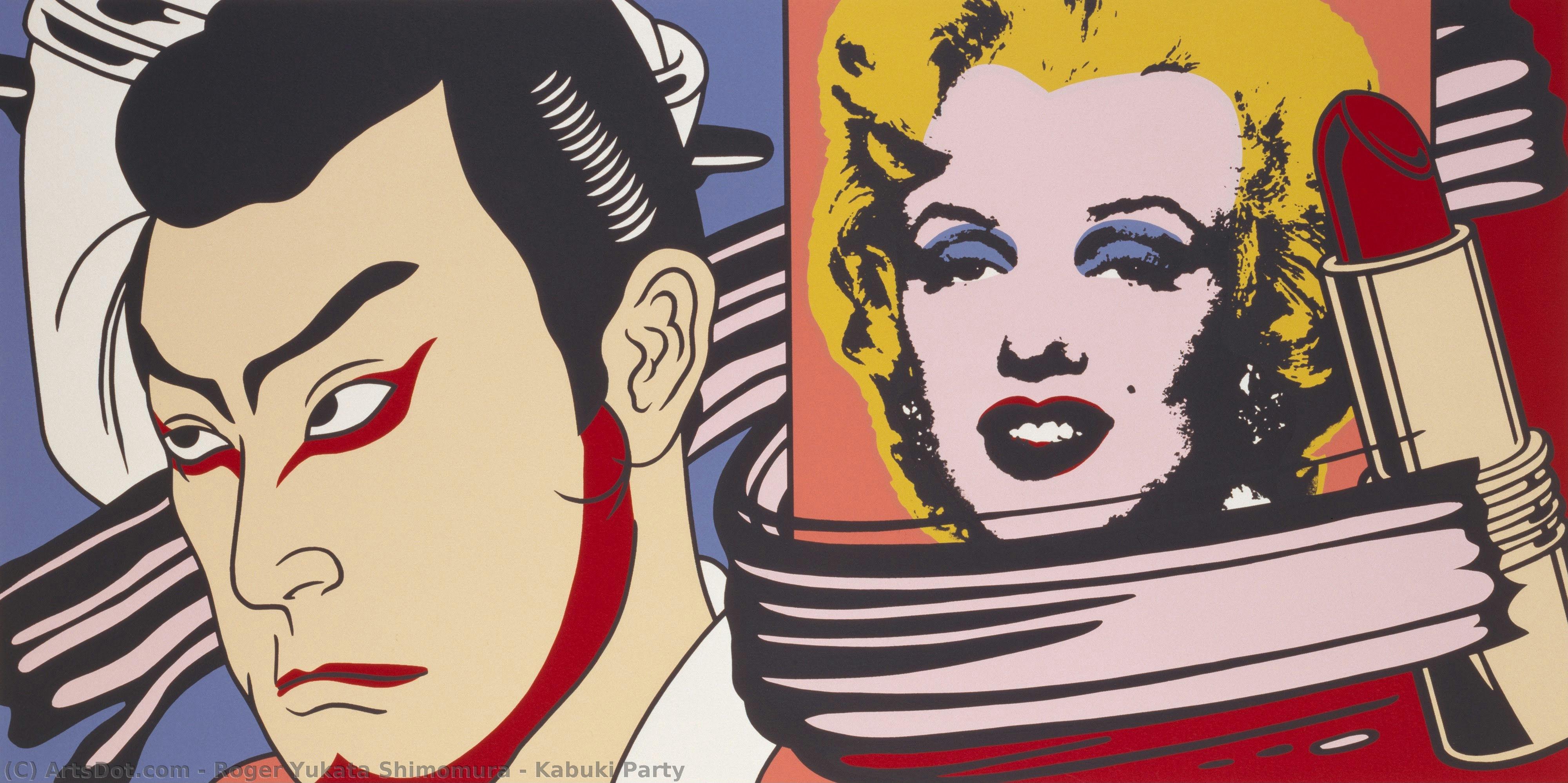
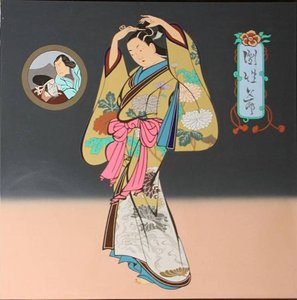
Kabuki Party


 Читать далее
Приобретите цифровое изображение высокого разрешения в улучшенном качестве, которое значительно превосходит онлайн-превью.
Каждый файл тщательно подготавливается нашими специалистами с использованием передовых инструментов и экспертной ручной ретуши. Мы гарантируем исключительную четкость, точную цветопередачу и детальную проработку каждого изображения.
Финальный файл доставляется по электронной почте в течение 72 часов и оптимизирован для немедленного использования в профессиональной среде, при верстке и печати. Это тот же уровень качества, которому доверяют ведущие дизайнерские студии, издательства и галереи.
Цифровое изображение
Скачайте файл высокого разрешения для личного использования, печати и творческих проектов. ( Перейти к печати Купить картину ручной работы)
Включено в каждый заказ цифровых изображений
Гарантия экспертной цифровой доставки
Выбирая ArtsDot.com, вы получаете не просто изображение — вы приобретаете профессионально обработанное цифровое произведение искусства, созданное с безупречной точностью и под защитой гарантии качества. Вот всё, что автоматически входит в ваш заказ:

Мгновенная доставка по e-mail
Ваш цифровой файл в высоком разрешении будет отправлен вам по электронной почте в течение 72 часов после оформления заказа — и сразу станет доступен для использования.

Цифровой файл с ИИ-улучшением
Ваше произведение искусства проходит профессиональную оптимизацию с использованием передовых инструментов ИИ и ручной обработки, что гарантирует максимальную детализацию, четкость и точность цветопередачи.

Бессрочная бесплатная повторная доставка
Случайно удалили или потеряли файл? Не беспокойтесь — мы отправим его вам повторно в любое время и совершенно бесплатно.

Без импортных пошлин — навсегда
Наслаждайтесь вашим произведением искусства мгновенно без таможенных пошлин, сборов или затрат на доставку — цифровые загрузки всегда не облагаются налогом.

Гарантия точности цветопередачи
Мы гарантируем, что ваше цифровое изображение максимально точно передает оригинальные цвета благодаря использованию профессиональных инструментов и систем управления цветом.

Гарантия удовлетворенности 100 дней
Если вы не будете удовлетворены своим цифровым изображением, мы внесем правки или вернем 100% стоимости в течение 100 дней — без лишних вопросов.

100% Гарантия возврата средств
Не удовлетворены покупкой? Получите полный возврат средств в течение 100 дней после получения цифрового файла — без лишних вопросов.

Скидки на оптовые заказы
Купите 3 изображения, сэкономьте 10% — Купите 5, сэкономьте 15% — Купите 10+, сэкономьте 20%. Отличное решение для творческих проектов, галерей и агентств.
Похожие произведения

Биография художника
Roger Shimomura: A Fusion of Worlds
Born in Seattle, Washington, in 1939, Roger Shimomura’s artistic journey is inextricably linked to his dual heritage – the vibrant pulse of American culture and the profound echoes of Japanese tradition. His life, marked by both personal tragedy and remarkable creative achievement, has shaped a body of work that continues to challenge perceptions of identity, history, and the complex interplay between East and West. From his early years grappling with the internment experience to his later explorations of pop art and social commentary, Shimomura’s career is a testament to resilience, innovation, and a deeply considered engagement with the world around him.
Early Life and the Shadow of War
Shimomura's childhood was profoundly shaped by the events of World War II. His family, like countless others of Japanese descent in America, were forcibly removed from their homes and incarcerated at Minidoka internment camp in Idaho during 1942-1945. This experience, documented vividly in his grandmother’s diaries – a cornerstone of much of his work – instilled within him a deep awareness of racial prejudice and the devastating impact of injustice. The trauma of this period, coupled with the loss of his sister Carolyn to meningitis during their time at Minidoka, cast a long shadow over his early life, informing his artistic sensibilities and driving a desire to confront difficult truths. Despite these hardships, Shimomura’s upbringing in Seattle's Central District, a thriving Japanese American community, provided him with a rich cultural foundation, fostering an appreciation for both American and Japanese aesthetics.
Artistic Development: Ukiyo-e Meets Pop Art
Shimomura’s artistic education began at the University of Washington, where he honed his skills in fine arts. Early on, he demonstrated a remarkable ability to synthesize seemingly disparate influences – the meticulous techniques of *ukiyo-e* woodblock prints with the bold energy of American pop art. This fusion is most powerfully evident in works like “Shimomura Crossing the Delaware,” a striking painting that reimagines the iconic historical image through a distinctly Asian American lens, subtly challenging conventional narratives of westward expansion and implicitly questioning the dominant narrative of American history. His work frequently incorporates comic book imagery, advertisements, and other elements of popular culture, often juxtaposed with traditional Japanese motifs – masks, landscapes, and figures – creating a dynamic tension between the familiar and the exotic.
Themes and Techniques
Shimomura’s artistic practice is characterized by a willingness to engage with complex social and political issues. He frequently explores themes of identity, cultural fusion, and the legacy of racism in America. His use of *ukiyo-e* techniques – meticulous detail, vibrant colors, and dynamic compositions – provides a powerful visual vocabulary for conveying these themes. However, he doesn’t simply replicate traditional Japanese aesthetics; instead, he adapts them to his own unique vision, imbuing them with contemporary relevance and often injecting a critical perspective. His work is not always overtly political, but it consistently invites viewers to question assumptions and consider alternative viewpoints. The recurring motif of the mask, for example, serves as a potent symbol of hidden identities and suppressed emotions.
Recognition and Legacy
Throughout his distinguished career, Roger Shimomura has received numerous accolades recognizing his significant contributions to American art. He is a three-time recipient of National Endowment for the Arts Fellowships in Painting and Performance Art, as well as a Guggenheim Fellowship. His work is held in prestigious collections including the National Portrait Gallery in London and the Smithsonian American Art Museum in Washington D.C., testament to its enduring appeal and historical significance. He served as Professor Emeritus at the University of Kansas for over three decades, mentoring generations of artists and fostering a vibrant artistic community. Shimomura’s legacy extends beyond his individual achievements; he has played a crucial role in raising awareness about Asian American experiences and promoting cross-cultural understanding through his art. His work continues to resonate with audiences today, prompting dialogue and challenging viewers to confront uncomfortable truths about the past and present.
roger yukata shimomura
1939 -