

 Поделиться
 Поделиться
 Детали произведения

 Скачать
 Похожие работы
 Слайд-шоу
 Статистика
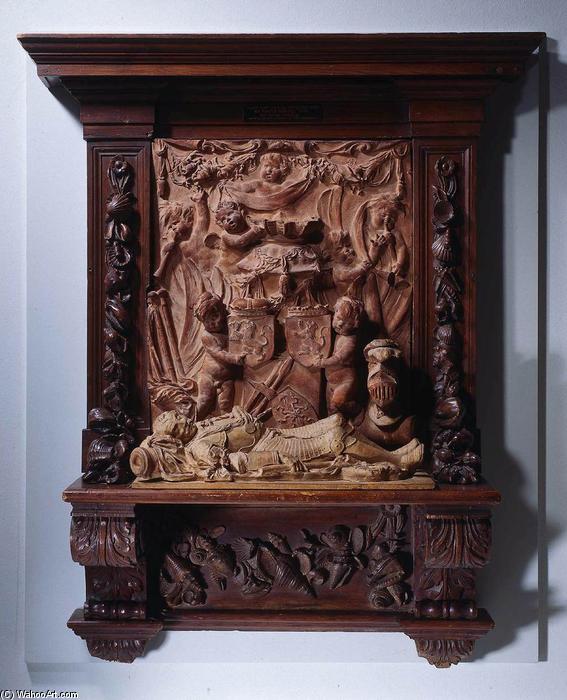
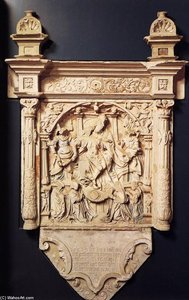
Tomb of Maarten Harpertszoon Tromp
 Sculpture
- Sculpture
- Baroque Sculpture
 1656
1656 130.0 x 80.0 cm
 Рейксмюзеум
 Читать далее
Приобретите цифровое изображение высокого разрешения в улучшенном качестве, которое значительно превосходит онлайн-превью.
Каждый файл тщательно подготавливается нашими специалистами с использованием передовых инструментов и экспертной ручной ретуши. Мы гарантируем исключительную четкость, точную цветопередачу и детальную проработку каждого изображения.
Финальный файл доставляется по электронной почте в течение 72 часов и оптимизирован для немедленного использования в профессиональной среде, при верстке и печати. Это тот же уровень качества, которому доверяют ведущие дизайнерские студии, издательства и галереи.
Цифровое изображение
Скачайте файл высокого разрешения для личного использования, печати и творческих проектов. ( Перейти к печати Купить картину ручной работы)
Включено в каждый заказ цифровых изображений
Гарантия экспертной цифровой доставки
Выбирая ArtsDot.com, вы получаете не просто изображение — вы приобретаете профессионально обработанное цифровое произведение искусства, созданное с безупречной точностью и под защитой гарантии качества. Вот всё, что автоматически входит в ваш заказ:

Мгновенная доставка по e-mail
Ваш цифровой файл в высоком разрешении будет отправлен вам по электронной почте в течение 72 часов после оформления заказа — и сразу станет доступен для использования.

Цифровой файл с ИИ-улучшением
Ваше произведение искусства проходит профессиональную оптимизацию с использованием передовых инструментов ИИ и ручной обработки, что гарантирует максимальную детализацию, четкость и точность цветопередачи.

Бессрочная бесплатная повторная доставка
Случайно удалили или потеряли файл? Не беспокойтесь — мы отправим его вам повторно в любое время и совершенно бесплатно.

Без импортных пошлин — навсегда
Наслаждайтесь вашим произведением искусства мгновенно без таможенных пошлин, сборов или затрат на доставку — цифровые загрузки всегда не облагаются налогом.

Гарантия точности цветопередачи
Мы гарантируем, что ваше цифровое изображение максимально точно передает оригинальные цвета благодаря использованию профессиональных инструментов и систем управления цветом.

Гарантия удовлетворенности 100 дней
Если вы не будете удовлетворены своим цифровым изображением, мы внесем правки или вернем 100% стоимости в течение 100 дней — без лишних вопросов.

100% Гарантия возврата средств
Не удовлетворены покупкой? Получите полный возврат средств в течение 100 дней после получения цифрового файла — без лишних вопросов.

Скидки на оптовые заказы
Купите 3 изображения, сэкономьте 10% — Купите 5, сэкономьте 15% — Купите 10+, сэкономьте 20%. Отличное решение для творческих проектов, галерей и агентств.
Rombout Verhulst: A Baroque Vision of Remembrance
The Tomb of Maarten Harpertszoon Tromp, sculpted by Rombout Verhulst in 1656, stands as a testament to the grandeur and solemn beauty of Baroque sculpture—a genre that sought to evoke profound emotion and convey spiritual significance. Located in Amsterdam’s Nieuwe Kerk (New Church), this monumental funerary monument commemorates Tromp, one of Holland's most celebrated military commanders during the Eighty Years’ War against Spain, solidifying his legacy as a national hero. Verhulst’s masterful execution exemplifies the stylistic conventions prevalent at the time, blending classical ideals with dramatic dynamism to honor Tromp’s memory.Style and Technique: Classical Influence Meets Baroque Expression
Verhulst's approach was firmly rooted in the humanist tradition of classical sculpture—particularly Roman portraiture—yet he skillfully infused it with the expressive fervor characteristic of the Baroque period. The statue depicts Tromp seated upon a throne, draped in opulent robes adorned with intricate embroidery and embellished with gold leaf, reflecting the wealth and prestige associated with his position. Unlike earlier depictions prioritizing idealized beauty, Verhulst prioritized conveying Tromp’s character—his dignity, resolve, and unwavering gaze—through meticulous anatomical detail and subtle musculature. The sculptor utilized marble extensively, achieving a luminous surface finish that captures the light beautifully, demonstrating exceptional technical skill.Historical Context: Triumph Over Adversity
The Tomb's creation coincided with Amsterdam’s burgeoning status as a center of artistic innovation and political power during the Dutch Golden Age. Tromp’s military victories against Spain secured Holland’s independence and propelled its economic prosperity—a triumph celebrated through monumental art projects like this one. The Baroque style flourished across Europe during this period, fueled by papal patronage and driven by a desire to inspire awe and reaffirm faith amidst turbulent times. Verhulst's work reflects the broader artistic currents of his era, aligning with the prevailing belief that sculpture could serve as a conduit for spiritual contemplation and commemorate heroic deeds.Symbolism: Regal Dignity and Eternal Remembrance
The throne itself symbolizes Tromp’s authority and leadership—a visual representation of his dominion over armies and territories. The draped robes convey solemn grandeur and honor, emphasizing Tromp's noble status. Furthermore, the statue’s gaze directs upwards towards heaven, symbolizing Tromp’s aspiration for spiritual transcendence and eternal life—a common motif in Baroque funerary art. The meticulous rendering of Tromp’s musculature underscores his physical strength and resilience—qualities essential to success on the battlefield and emblematic of human virtue.Emotional Impact: A Portrait of Courage and Steadfastness
Ultimately, Verhulst's Tomb transcends mere commemoration; it aspires to evoke profound emotion in viewers. The statue’s serene countenance conveys Tromp’s inner fortitude—his unwavering determination to defend Holland’s freedom—inspiring admiration for his courage and steadfastness. The luminous marble surface contributes to the artwork’s emotional resonance, creating a sense of solemn beauty that lingers long after viewing. It serves as a powerful reminder of Tromp's contribution to Dutch history and embodies the Baroque ideal of portraying human dignity with unwavering conviction.Похожие произведения

Биография художника
Rombout Verhulst: The Baroque Sculptor of Amsterdam and Beyond
Rombout Verhulst (15 January 1624 – buried 27 November 1698) stands as a pivotal figure in the artistic landscape of seventeenth-century Flanders and the Dutch Republic, marking a significant contribution to the burgeoning Baroque style within sculpture. Born in Mechelen, he embarked on his artistic journey under the tutelage of esteemed sculptors Rombout Verstappen and Frans van Loo, establishing a foundation rooted in classical tradition yet swiftly embracing the dramatic expressive qualities characteristic of the era. His formative years instilled an appreciation for meticulous craftsmanship and anatomical accuracy—skills that would prove invaluable throughout his prolific career.- Early Life & Training: Verhulst’s education solidified his understanding of sculptural techniques, notably honed through collaborations with Frans van Loo, a master known for his refined approach to marble carving. This exposure undoubtedly influenced his subsequent stylistic choices and cemented his commitment to achieving unparalleled realism in his works.
- Journey to Italy & Artistic Influences: Between 1646 and 1654, Verhulst undertook a transformative voyage to Italy—a pilgrimage that profoundly impacted his artistic sensibilities. Witnessing the grandeur of Roman sculpture ignited within him an ardent desire to emulate its monumental scale and emotive power. The influence of artists like Bernini became palpable in his later sculptures, particularly evident in the dynamism and theatricality of his compositions.
- Amsterdam & Collaboration with Artus Quellinus: Recognizing Amsterdam’s burgeoning artistic milieu, Verhulst relocated there in 1646, where he joined forces with Artus Quellinus the Elder—a sculptor who would become a mentor and collaborator. Their partnership on the decoration of the Nieuwe Stadhuys (New Town Hall) exemplifies Verhulst's dedication to innovation and his willingness to experiment with new techniques. Notably, Verhulst was the sole sculptor to sign individual works within this ambitious project, demonstrating his independent artistic vision amidst a collective effort.
Sculptural Achievements & Notable Commissions
Verhulst’s reputation soared during the 1660s thanks to patronage from influential families like the Van Reygersberghs. This support enabled him to relocate to Leiden and produce a remarkable array of sculptures—primarily funerary monuments and tomb sculptures—that showcased his mastery of material and form. His groundbreaking commission for Maria van Reygersbergh’s funeral monument in Katwijk-binnen stands as the first private sculptural undertaking of its kind during this period, establishing Verhulst as a pioneer in addressing the evolving tastes of aristocratic clientele. Furthermore, he established himself in The Hague where he became a guild member in 1668 and continued to produce impressive sculptures for urban buildings and memorial sites.- Iconic Monuments: Among Verhulst’s most celebrated works are monumental sculptures commemorating Admiral Michiel de Ruyter, reflecting the heroic spirit of the Dutch Golden Age. These sculptures exemplify his ability to convey emotion and grandeur through meticulous detail.
- Decorative Artworks: His contributions to the Nieuwe Stadhuys included striking reliefs depicting Venus, Fidelity, and Silence—pieces that embody the Baroque aesthetic’s emphasis on allegory and symbolism. Similarly, Verhulst crafted terracotta studies for the bronze doors of Amsterdam's Town Hall, demonstrating his versatility as a sculptor.
- Portrait Sculpture: Although Verhulst produced relatively few portrait sculptures compared to other artists of his time—primarily due to limited demand—his busts of Jacob van Reygersberg and Antonio Lopes Suasso remain exceptional examples of Baroque sculptural realism, capturing the sitter’s likeness with remarkable accuracy.
Legacy & Artistic Significance
Rombout Verhulst's influence extended beyond his immediate commissions; he served as a teacher to Jan Blommendael and Jan Ebelaer, nurturing the talents of future sculptors and perpetuating Baroque artistic traditions. His enduring legacy resides in his pioneering role in introducing the Baroque style into Dutch sculpture—a stylistic shift characterized by dramatic movement, emotional intensity, and opulent ornamentation. Verhulst’s sculptures continue to inspire admiration for their technical brilliance and expressive power, securing his place as one of the foremost sculptors of his era and a cornerstone of Dutch artistic history.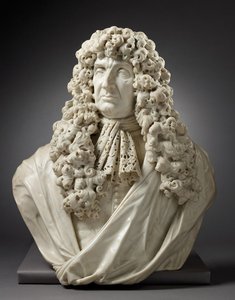
Rombout Verhulst
1624 - 1698 , Italy
Основные сведения
- Artistic Movement Or Style: Baroque sculpture
- Artists Who Influenced This Artist:
- Lucas Faydherbe
- Frans van Loo
- Artus Quellinus
- Date Of Birth: Mechelen, Italy (1624)
- Date Of Death: 1698
- Full Name: Rombout Verhulst
- Nationality: Flemish
- Notable Artworks:
- Monument to Admiral Michiel de Ruyter
- Bust of Marie von Reygersberg
- Bust of Jacob van Reygersberg
- Place Of Birth: Mechelen