

 Предпросмотр
 Поделиться
 Поделиться
 Детали произведения

 Скачать
 Похожие работы
 Рентгенография
 Слайд-шоу
 Статистика
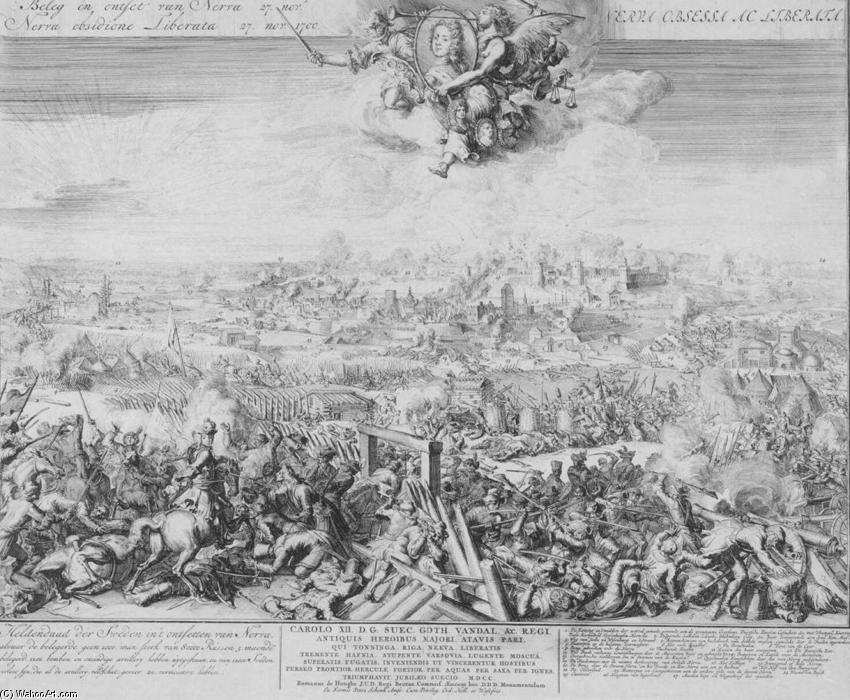
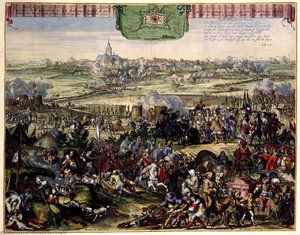
Battle of Narva on 19 November 1700


 Читать далее
Масляная репродукция ручной работы
Картина маслом на холсте в выбранном вами размере и раме, написанная на заказ нашими художниками. ( Перейти к печати Перейти к цифровым изображениям)




P118B $10

P118H $10

P118W $10

P438Z $10

P508JH $12

P508YH $12

P805H $10

P805Z $10

P919BZ $10

P919G $10

P919XJ $10

P959ZH $10

P968JZ $12

W106C $8

W218G $10

W218JH $8

W218Y $10

W307PJ $10

W316G $10

W316PJ $8

W316Y $10

W398PJ $8

W4111J $10

W500HY $15

W500JH $15

W692G $12

W849H $8

W940BG $15

W953PJ $8




Выберите один из наших стандартных размеров, соответствующих оригинальным пропорциям произведения искусства.

Вы можете указать собственные размеры, чтобы картина идеально вписалась в выбранную раму или пространство. Если выбранный вами размер не соответствует пропорциям оригинала, мы либо обрежем полотно, либо расширим его за счет дополнительных элементов, написанных вручную. Цифровой макет будет отправлен вам на утверждение перед началом производства.
Обратите внимание, что предварительный просмотр на экране не отражает фактическую обрезку или расширение. Только макет точно покажет окончательную композицию.
Хотя доступны индивидуальные размеры, мы рекомендуем выбирать вариант из предопределенного списка, чтобы сохранить исходные пропорции.
После оформления заказа команда ArtsDot.com свяжется с клиентом по электронной почте для уточнения деталей и предоставит предварительный макет
Доставка по всему миру () за 3–4 недели вместо стандартных 5 недель. (13 Сентябрь). Без компромиссов в качестве.

Бесплатная экспресс-доставка по всему миру

Высококачественный льняной холст

Полное страхование доставки

Гарантия возмещения таможенных пошлин

Гарантия точного соответствия цветов

100-дневная политика возврата (только при обнаружении дефектов)

Гарантия возврата 100% средств

Предложение оптовых скидок
 Вариант со стеклом доступен только для размеров менее 110 см

Battle of Narva on 19 November 1700
Техника репродукции
Размер репродукции
-


Итоговая стоимость
$ 738
A Chronicle in Etchings: The Battle of Narva
Romeyn de Hooghe’s “Battle of Narva on 19 November 1700” isn't merely a depiction of a historical event; it’s a visceral plunge into the heart of conflict, a meticulously rendered tableau of chaos and consequence. Created in 1700, during the tumultuous Great Northern War, this monumental etching captures a pivotal moment – the Swedish victory against a vastly superior Russian force – with an intensity that transcends simple illustration. De Hooghe, already establishing himself as a master of political satire and visual propaganda, here delivers a work brimming with dramatic tension and a profound understanding of human experience under pressure.
The scene unfolds across a vast panoramic canvas, dominated by the swirling smoke and debris of battle. The composition is deliberately complex, layering numerous figures engaged in brutal hand-to-hand combat alongside the organized chaos of musket fire. A striking element immediately draws the eye: an angelic figure, hovering high above the fray, seemingly observing the carnage with a detached yet undeniably weighty gaze. This inclusion elevates the scene beyond a straightforward military record, hinting at themes of divine intervention and the moral weight of war – a common motif in Baroque art reflecting on the human condition.
The Art of the Etch: Technique and Detail
De Hooghe’s mastery lies not just in his subject matter but also in his technical execution. The work is executed entirely through etching, a process demanding immense skill and patience. Fine lines, meticulously crafted with incredible precision, define every form, texture, and movement within the composition. The artist utilizes varying line weights to create a dynamic sense of depth – thick strokes emphasize the solidity of armor and fortifications, while delicate lines capture the fleeting motion of soldiers and the billowing smoke. The surface itself is rich with textural detail; you can almost feel the roughness of weathered stone, the grit of mud underfoot, and the sheen of polished steel.
- The Process: De Hooghe began by creating a copper plate using acid, etching lines into its surface. These etched lines then served as a matrix for printing multiple impressions.
- Line Weight Variation: The use of varying line thicknesses creates a sense of depth and emphasizes key elements within the composition.
- Detail & Texture: The intricate detailing—from the individual folds in clothing to the sparks flying from muskets—demonstrates de Hooghe’s meticulous approach.
Historical Context and Symbolic Weight
To understand “Battle of Narva,” one must grasp its place within the larger narrative of the Great Northern War. The conflict pitted Sweden, under the ambitious leadership of Charles XII, against Russia, Poland-Lithuania, and Denmark–Norway – a complex web of alliances and rivalries vying for control of Eastern Europe. The Battle of Narva itself was a stunning victory for the Swedes, showcasing their military prowess and bolstering Charles XII’s reputation as a brilliant strategist. De Hooghe's etching serves not just as a record of this event but also as a potent piece of propaganda, reinforcing Sweden’s image as a defender of liberty against autocratic rule.
The inclusion of the angelic figure is particularly significant within this context. It speaks to the prevailing belief in divine providence during the 18th century – the idea that God was actively involved in human affairs. However, the angel’s detached observation suggests a more ambivalent perspective on war's brutality, prompting viewers to contemplate the moral implications of conflict and the suffering it inflicts.
A Legacy of Dramatic Power
“Battle of Narva” remains a powerful testament to Romeyn de Hooghe’s artistic genius. It is more than just a historical illustration; it's an immersive experience, transporting the viewer directly into the heart of a pivotal battle. The etching’s dramatic composition, masterful technique, and profound symbolism continue to resonate with audiences today, solidifying de Hooghe’s legacy as one of the most important graphic satirists in history. Reproductions offer a chance to appreciate this monumental work's intricate details and emotional depth, bringing a piece of 18th-century history into your own space.
Похожие произведения
![Vida De Miguel De Cervantes Saavedra (life Of Miguel De Cervantes Saavedra). Book V Of The Edition Of Don Quixote (biblioteca Nacional De España)\n\n[7] — Martín Fernández De Navarrete Y Ximénez De Tejada, Academic Art](/media/artworks/images-thumb/8c/b6/8cb67a4dd450447373a546c8dd039e57.jpg)
Похожие статьи
10 легендарных офортов, изменивших искусство навсегда | ArtsDot
Откройте для себя 10 легендарных офортов Дюрера, Рембрандта и Гойи! Узнайте историю создания шедевров графики и вдохновитесь искусством. Репродукции картин премиум-качества на ArtsDot.com – для вашего интерьера.

О нас
Откройте для себя нашу историю! Мы привносим искусство мирового класса в вашу жизнь благодаря экспертному отбору, индивидуальным заказам и бесплатным обзорам. Одобрено частными лицами и компаниями с 2000 года.

Топ-25 шедевров Гойи: от придворного портрета до мрачных пророчеств | ArtsDot
Погрузитесь в мир гения Франсиско Гойи! 🎨 От придворных портретов до мрачных "Капричос" – исследуйте топ-25 шедевров испанского романтизма. Купите репродукции картин Гойи музейного качества на ArtsDot.com и украсьте свой интерьер искусством.
Etching: A Historical Survey of Technique, Aesthetic Qualities & Enduring Artistic Significance
Explore the rich history of etching, from its origins to Rembrandt's masterful innovations. Discover the technique, aesthetic qualities & enduring legacy of this captivating art form. Expert insights for collectors and enthusiasts.
The Intricate World of Etching: A Historical Survey of Technique, Aesthetic Evolution, and Enduring Artistic Impact
Explore the rich history of etching, from its origins to modern practice. Discover techniques, key artists like Rembrandt, and insights for collectors. A comprehensive guide by ArtsDot.