


 Предпросмотр
 Поделиться
 Поделиться
 Детали произведения

 Скачать
 Похожие работы
 Рентгенография
 Слайд-шоу
 Статистика
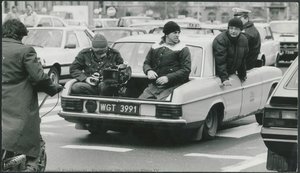
Na planie zdjęciowym filmu TV
 Contemporary Realism
 1988
1988 15.0 x 24.0 cm
 Contemporary Art Foundation In Situ
 Читать далее
Приобретите цифровое изображение высокого разрешения в улучшенном качестве, которое значительно превосходит онлайн-превью.
Каждый файл тщательно подготавливается нашими специалистами с использованием передовых инструментов и экспертной ручной ретуши. Мы гарантируем исключительную четкость, точную цветопередачу и детальную проработку каждого изображения.
Финальный файл доставляется по электронной почте в течение 72 часов и оптимизирован для немедленного использования в профессиональной среде, при верстке и печати. Это тот же уровень качества, которому доверяют ведущие дизайнерские студии, издательства и галереи.
Цифровое изображение
Скачайте файл высокого разрешения для личного использования, печати и творческих проектов. ( Перейти к печати Купить картину ручной работы)
Включено в каждый заказ цифровых изображений
Гарантия экспертной цифровой доставки
Выбирая ArtsDot.com, вы получаете не просто изображение — вы приобретаете профессионально обработанное цифровое произведение искусства, созданное с безупречной точностью и под защитой гарантии качества. Вот всё, что автоматически входит в ваш заказ:

Мгновенная доставка по e-mail
Ваш цифровой файл в высоком разрешении будет отправлен вам по электронной почте в течение 72 часов после оформления заказа — и сразу станет доступен для использования.

Цифровой файл с ИИ-улучшением
Ваше произведение искусства проходит профессиональную оптимизацию с использованием передовых инструментов ИИ и ручной обработки, что гарантирует максимальную детализацию, четкость и точность цветопередачи.

Бессрочная бесплатная повторная доставка
Случайно удалили или потеряли файл? Не беспокойтесь — мы отправим его вам повторно в любое время и совершенно бесплатно.

Без импортных пошлин — навсегда
Наслаждайтесь вашим произведением искусства мгновенно без таможенных пошлин, сборов или затрат на доставку — цифровые загрузки всегда не облагаются налогом.

Гарантия точности цветопередачи
Мы гарантируем, что ваше цифровое изображение максимально точно передает оригинальные цвета благодаря использованию профессиональных инструментов и систем управления цветом.

Гарантия удовлетворенности 100 дней
Если вы не будете удовлетворены своим цифровым изображением, мы внесем правки или вернем 100% стоимости в течение 100 дней — без лишних вопросов.

100% Гарантия возврата средств
Не удовлетворены покупкой? Получите полный возврат средств в течение 100 дней после получения цифрового файла — без лишних вопросов.

Скидки на оптовые заказы
Купите 3 изображения, сэкономьте 10% — Купите 5, сэкономьте 15% — Купите 10+, сэкономьте 20%. Отличное решение для творческих проектов, галерей и агентств.
Похожие произведения
Биография художника
Romuald Pieńkowski: Capturing the Ephemeral Dance of Film
Romuald Pieńkowski, a name perhaps less familiar to the general public than some of his contemporaries, stands as a quietly profound observer of modern life. Born in Drohiczyn, Poland, in 1927, he dedicated his artistic career to documenting the fleeting moments and vibrant energy of film sets and television studios – spaces often unseen by the casual viewer yet brimming with creative intensity. Pieńkowski’s work isn't about grand narratives or heroic figures; instead, it offers intimate glimpses into the process of creation, revealing the human drama unfolding behind the camera lens.
His early life was shaped by a strong family tradition in art and photography. While details remain somewhat sparse, it is known that he initially pursued studies in architecture before gravitating towards visual arts. This background undoubtedly informed his meticulous approach to composition and his keen eye for detail – qualities that would become hallmarks of his distinctive style. Pieńkowski’s career truly took off during the 1960s and 70s, a period of significant artistic experimentation and social change in Poland. He quickly established himself as a reliable and insightful photographer on numerous film productions, including landmark works like Jerzy Hoffman's ‘The Deluge’ (1974) and ‘Colonel Wołodyjowski’ (1969).
A World Within a Frame: The Subject Matter of Pieńkowski’s Work
Pieńkowski’s photographs are not simply snapshots; they're carefully constructed narratives. He wasn’t interested in the finished product, but rather in the raw energy and collaborative spirit of the filmmaking process. His subjects were the crew – the directors, cinematographers, actors, assistants, and technicians – immersed in their work, caught in moments of intense concentration, playful banter, or quiet anticipation. He frequently photographed scenes during setup, rehearsals, and even on set during filming, capturing the atmosphere of a production as it unfolded. The resulting images are rich with texture, light, and shadow, reflecting both the technical aspects of filmmaking and the human element at its core.
A recurring motif in Pieńkowski’s work is the use of black and white photography. This choice lends an immediacy and timelessness to his images, stripping away distractions and focusing attention on form, light, and emotion. The stark contrast emphasizes the physicality of the subjects – their hands, faces, and clothing – creating a powerful visual impact. His photographs often evoke a sense of nostalgia, transporting the viewer back to a specific time and place—typically mid-20th century Poland—while simultaneously capturing the universal experience of creative endeavor.
The Influence of ‘The Deluge’ and Beyond
Pieńkowski's contribution to Jerzy Hoffman’s adaptation of Henryk Sienkiewicz’s epic novel, 'The Deluge,' is particularly noteworthy. The film itself was a challenging undertaking, beset by production difficulties and critical scrutiny. Pieńkowski’s photographs, however, offer a compelling counterpoint to the finished product, revealing the behind-the-scenes struggles and triumphs of the filmmaking team. His images document the intense debates, creative compromises, and sheer determination required to bring such an ambitious project to life.
Beyond ‘The Deluge,’ Pieńkowski continued to work on numerous film productions throughout his career, documenting a wide range of genres and styles. His photographs provide invaluable insights into the history of Polish cinema, offering a visual record of the people and processes that shaped its evolution. His ability to capture the essence of a moment—the quiet intensity of an actor’s gaze, the focused concentration of a director at work—makes his images enduringly captivating.
A Legacy of Observation
Romuald Pieńkowski passed away in 1995, leaving behind a remarkable body of work that offers a unique perspective on the world of film. His photographs are not merely technical records; they’re intimate portraits of human creativity and collaboration. They remind us that even in the most complex and demanding environments, there is always beauty to be found—in the fleeting moments of connection, the shared passion for art, and the enduring spirit of those who bring stories to life on screen.
His work continues to be exhibited and studied, solidifying his place as a significant figure in Polish photography and a keen observer of the human drama unfolding behind the camera lens. Pieńkowski’s legacy lies not only in the images he captured but also in the way he invited us to see—and appreciate—the unseen world of filmmaking.
romuald pieńkowski
Poland
Основные сведения
- Artistic Movement Or Style: Contemporary visual art
- Full Name: Romuald Pieńkowski
- Nationality: Polish
- Notable Artworks: ['Na planie zdjęciowym filmu TV']
- Place Of Birth: Drohiczyn, Poland