

 Предпросмотр
 Поделиться
 Поделиться
 Детали произведения

 Скачать
 Похожие работы
 Рентгенография
 Слайд-шоу
 Статистика
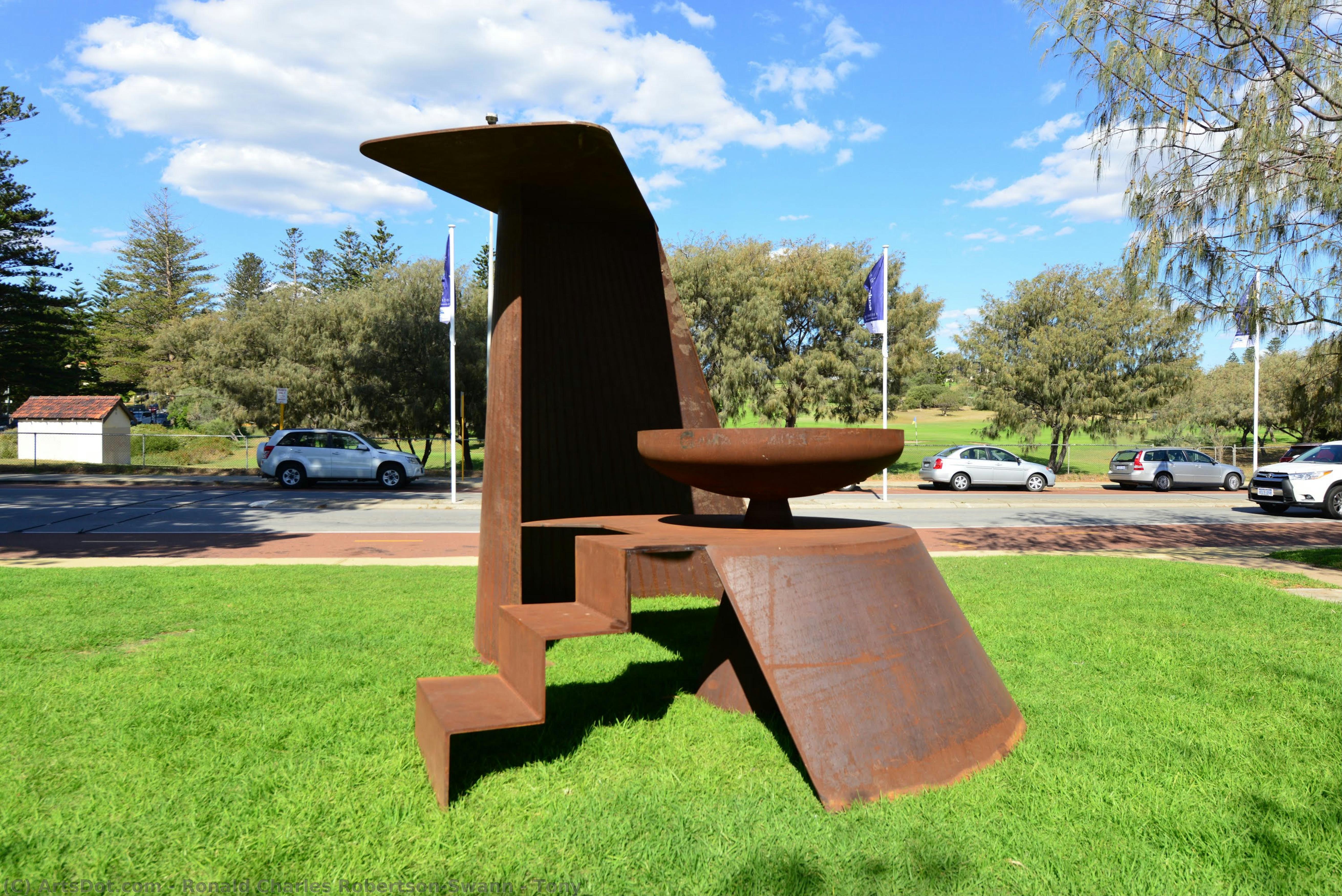
Tony


 Читать далее
Приобретите цифровое изображение высокого разрешения в улучшенном качестве, которое значительно превосходит онлайн-превью.
Каждый файл тщательно подготавливается нашими специалистами с использованием передовых инструментов и экспертной ручной ретуши. Мы гарантируем исключительную четкость, точную цветопередачу и детальную проработку каждого изображения.
Финальный файл доставляется по электронной почте в течение 72 часов и оптимизирован для немедленного использования в профессиональной среде, при верстке и печати. Это тот же уровень качества, которому доверяют ведущие дизайнерские студии, издательства и галереи.
Цифровое изображение
Скачайте файл высокого разрешения для личного использования, печати и творческих проектов. ( Перейти к печати Купить картину ручной работы)
Включено в каждый заказ цифровых изображений
Гарантия экспертной цифровой доставки
Выбирая ArtsDot.com, вы получаете не просто изображение — вы приобретаете профессионально обработанное цифровое произведение искусства, созданное с безупречной точностью и под защитой гарантии качества. Вот всё, что автоматически входит в ваш заказ:

Мгновенная доставка по e-mail
Ваш цифровой файл в высоком разрешении будет отправлен вам по электронной почте в течение 72 часов после оформления заказа — и сразу станет доступен для использования.

Цифровой файл с ИИ-улучшением
Ваше произведение искусства проходит профессиональную оптимизацию с использованием передовых инструментов ИИ и ручной обработки, что гарантирует максимальную детализацию, четкость и точность цветопередачи.

Бессрочная бесплатная повторная доставка
Случайно удалили или потеряли файл? Не беспокойтесь — мы отправим его вам повторно в любое время и совершенно бесплатно.

Без импортных пошлин — навсегда
Наслаждайтесь вашим произведением искусства мгновенно без таможенных пошлин, сборов или затрат на доставку — цифровые загрузки всегда не облагаются налогом.

Гарантия точности цветопередачи
Мы гарантируем, что ваше цифровое изображение максимально точно передает оригинальные цвета благодаря использованию профессиональных инструментов и систем управления цветом.

Гарантия удовлетворенности 100 дней
Если вы не будете удовлетворены своим цифровым изображением, мы внесем правки или вернем 100% стоимости в течение 100 дней — без лишних вопросов.

100% Гарантия возврата средств
Не удовлетворены покупкой? Получите полный возврат средств в течение 100 дней после получения цифрового файла — без лишних вопросов.

Скидки на оптовые заказы
Купите 3 изображения, сэкономьте 10% — Купите 5, сэкономьте 15% — Купите 10+, сэкономьте 20%. Отличное решение для творческих проектов, галерей и агентств.
Похожие произведения


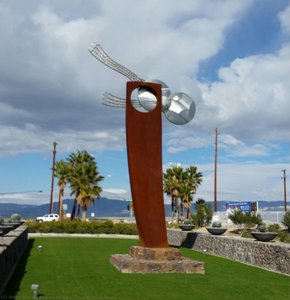
Биография художника
Early Life and Artistic Foundations
Ronald Charles Robertson-Swann, born in Sydney, Australia, in 1941, embarked on a remarkable artistic journey that would see him become one of the nation’s most significant sculptors—and a figure often at the center of public discourse. His early life, spent largely in the suburbs of Bellevue Hill, was marked by a somewhat nomadic childhood following his father's work as a town clerk. This period, described by Robertson-Swann himself as “benign neglect,” perhaps fostered an independent spirit and a willingness to challenge conventional norms—traits that would become hallmarks of his career. He began formal art training at the East Sydney Technical College (now the National Art School) in 1957, initially attending night classes before committing fully to sculpture under the guidance of Lyndon Dadswell. This foundational period instilled in him a rigorous approach to form and material, but it was a move overseas that would truly shape his artistic trajectory.The London Years: Influences and Experimentation
In 1960, Robertson-Swann ventured to London, immersing himself in the vibrant art scene of post-war Europe. He enrolled at St Martin’s School of Art in 1962, a pivotal moment that brought him into contact with two immensely influential sculptors: Anthony Caro and Phillip King. These artists were pioneers of abstraction, pushing boundaries through their exploration of color, industrial materials—particularly steel—and spatial relationships. Robertson-Swann wholeheartedly embraced this new aesthetic, adopting the hard-edged formalism championed by Caro. Crucially, he also spent several years as an assistant to Henry Moore, absorbing the master sculptor’s understanding of volume, weight, and the inherent qualities of bronze. This period was not merely technical training; it was a profound immersion in the philosophical underpinnings of modern sculpture, shaping his own artistic vision. While initially focused on painting during this time—influenced by figures like Morris Louis—sculpture remained at the core of his ambitions.Return to Australia and the Rise of Public Controversy
Robertson-Swann returned to Australia in 1968, bringing with him a distinctly international sensibility. His early work upon his return was characterized by bold, brightly colored abstract sculptures that continued Caro’s spatial investigations. He quickly gained recognition, participating in landmark exhibitions like *The Field* at the National Gallery of Victoria and the Art Gallery of NSW in 1968—a watershed moment for abstract art in Australia. Throughout the 1970s and 80s, he solidified his reputation as a leading sculptor, lecturing at various institutions including the University of New South Wales and the National Art School. However, it was the commission for a public sculpture in Melbourne’s City Square in 1978 that would catapult him into national prominence—and controversy.Vault: A Defining Moment and Enduring Legacy
The resulting work, *Vault* (completed in 1980), became one of the most debated artworks in Australian history. Its angular, abstract steel form, painted a striking yellow, polarized public opinion. Initially met with widespread criticism—some derisively labeled it “the yellow thing”—it was dismantled shortly after its installation and spent years moving between various locations in Melbourne before finding a more permanent home outside the Australian Centre for Contemporary Art. Today, *Vault* is widely regarded as an icon of Australian sculpture, celebrated for its challenging aesthetic and enduring presence. It embodies Robertson-Swann’s commitment to pushing boundaries and engaging with the public sphere—even if that engagement meant weathering intense scrutiny.Teaching, Mentorship, and Continued Artistic Exploration
Beyond his sculptural practice, Robertson-Swann dedicated decades to education, serving as Head of Sculpture at both the Canberra School of Art (1978-1989) and the National Art School in Sydney (2009-2018). He fostered generations of sculptors, imparting not only technical skills but also a critical understanding of art history and contemporary practice. His commitment to mentorship extended beyond the classroom; he was a founding member of the Visual Arts Board of the Australia Council and served as artistic advisor to the popular annual exhibition *Sculpture by the Sea*. Throughout his career, Robertson-Swann has continued to exhibit extensively, with his works held in major public collections across Australia and internationally. He received the Order of Australia Medal in 2002 for his service to the arts, a testament to his profound impact on the Australian cultural landscape. His legacy extends beyond individual artworks; it lies in his unwavering dedication to artistic innovation, his commitment to education, and his willingness to provoke dialogue through challenging and thought-provoking sculpture.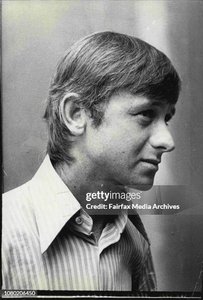
ronald charles robertson-swann
1941 - , Australia
Основные сведения
- Artistic Movement Or Style: Abstract sculpture
- Artists Who Influenced This Artist:
- Lyndon Dadswell
- Henry Moore
- Anthony Caro
- Philip King
- Date Of Birth: February 20, 1941
- Full Name: Ronald Charles Robertson-Swann
- Nationality: Australian
- Notable Artworks:
- Vault
- Leviathan Play
- Place Of Birth: Sydney, Australia