

 Предпросмотр
 Поделиться
 Поделиться
 Детали произведения

 Скачать
 Похожие работы
 Рентгенография
 Слайд-шоу
 Статистика
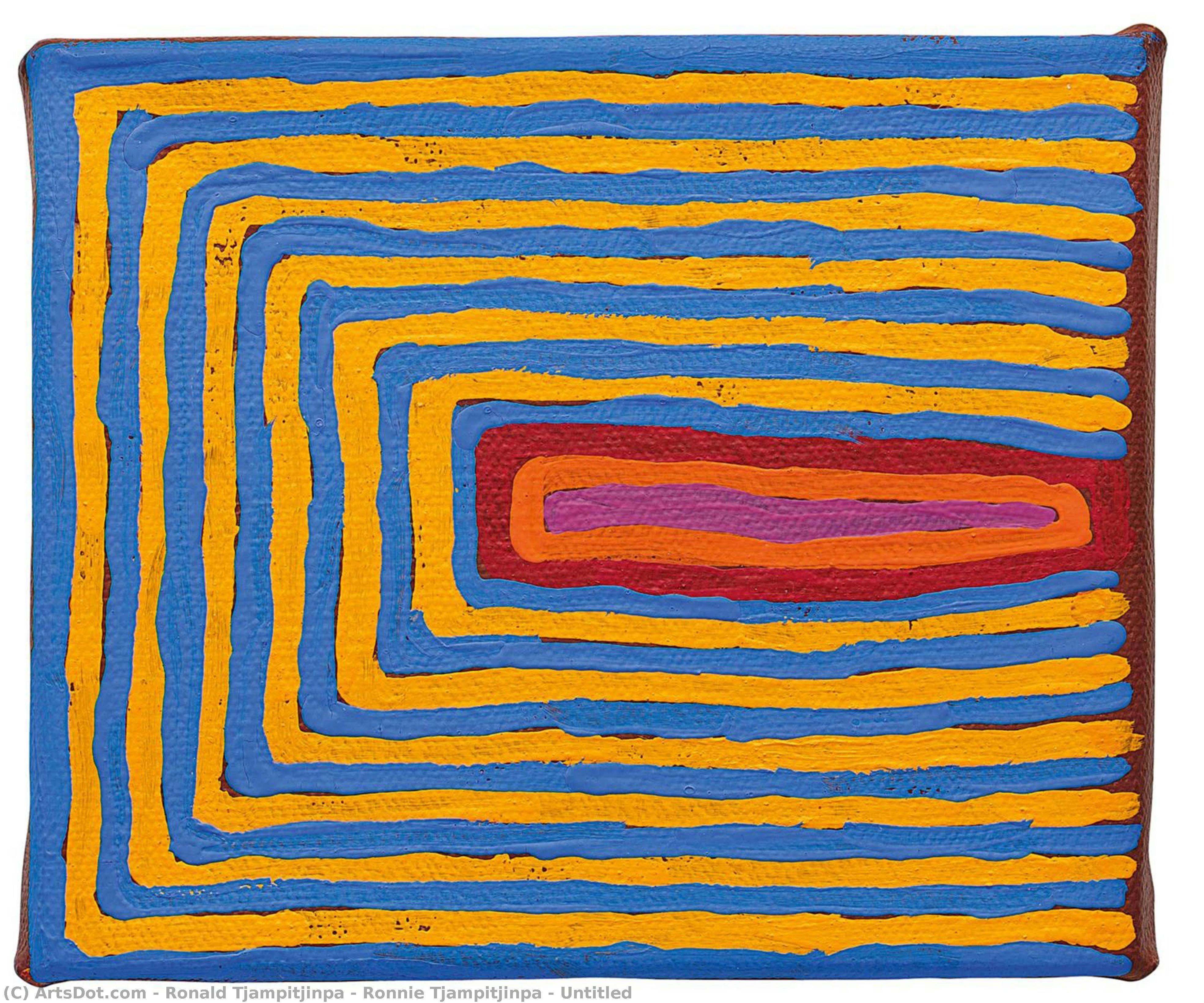
Ronnie Tjampitjinpa - Untitled

 Читать далее
Приобретите цифровое изображение высокого разрешения в улучшенном качестве, которое значительно превосходит онлайн-превью.
Каждый файл тщательно подготавливается нашими специалистами с использованием передовых инструментов и экспертной ручной ретуши. Мы гарантируем исключительную четкость, точную цветопередачу и детальную проработку каждого изображения.
Финальный файл доставляется по электронной почте в течение 72 часов и оптимизирован для немедленного использования в профессиональной среде, при верстке и печати. Это тот же уровень качества, которому доверяют ведущие дизайнерские студии, издательства и галереи.
Цифровое изображение
Скачайте файл высокого разрешения для личного использования, печати и творческих проектов. ( Перейти к печати Купить картину ручной работы)
Включено в каждый заказ цифровых изображений
Гарантия экспертной цифровой доставки
Выбирая ArtsDot.com, вы получаете не просто изображение — вы приобретаете профессионально обработанное цифровое произведение искусства, созданное с безупречной точностью и под защитой гарантии качества. Вот всё, что автоматически входит в ваш заказ:

Мгновенная доставка по e-mail
Ваш цифровой файл в высоком разрешении будет отправлен вам по электронной почте в течение 72 часов после оформления заказа — и сразу станет доступен для использования.

Цифровой файл с ИИ-улучшением
Ваше произведение искусства проходит профессиональную оптимизацию с использованием передовых инструментов ИИ и ручной обработки, что гарантирует максимальную детализацию, четкость и точность цветопередачи.

Бессрочная бесплатная повторная доставка
Случайно удалили или потеряли файл? Не беспокойтесь — мы отправим его вам повторно в любое время и совершенно бесплатно.

Без импортных пошлин — навсегда
Наслаждайтесь вашим произведением искусства мгновенно без таможенных пошлин, сборов или затрат на доставку — цифровые загрузки всегда не облагаются налогом.

Гарантия точности цветопередачи
Мы гарантируем, что ваше цифровое изображение максимально точно передает оригинальные цвета благодаря использованию профессиональных инструментов и систем управления цветом.

Гарантия удовлетворенности 100 дней
Если вы не будете удовлетворены своим цифровым изображением, мы внесем правки или вернем 100% стоимости в течение 100 дней — без лишних вопросов.

100% Гарантия возврата средств
Не удовлетворены покупкой? Получите полный возврат средств в течение 100 дней после получения цифрового файла — без лишних вопросов.

Скидки на оптовые заказы
Купите 3 изображения, сэкономьте 10% — Купите 5, сэкономьте 15% — Купите 10+, сэкономьте 20%. Отличное решение для творческих проектов, галерей и агентств.
Похожие произведения

Биография художника
Early Life and the Call of Papunya
Ronald Tjampitjinpa, also known as Ronnie Tjampitjinpa, emerged from the heart of the Australian Western Desert in 1943, born near Tjiturrunya, a place approximately 100 kilometers west of the Kintore Ranges. His early life was inextricably linked to the nomadic traditions of his Pintupi people, traversing vast landscapes and absorbing an intimate knowledge of the land—a landscape steeped in ancestral stories and the complex network of Dreaming songlines known as the Tingari cycle. The 1950s brought hardship with a prolonged drought, forcing Tjampitjinpa’s family to seek refuge first at Haasts Bluff and then Papunya, settlements established under government policies aimed at assimilating Aboriginal communities. This relocation proved profoundly disruptive, severing ties to traditional ways of life and fostering a deep longing for their ancestral country. The forced communal living in Papunya, amongst diverse tribal groups, created an environment of cultural tension but also unexpectedly became the crucible for a remarkable artistic movement.The Birth of a Movement: Papunya Tula Art
Papunya, despite its initial challenges, proved to be the unlikely birthplace of contemporary Indigenous Australian art. In 1971, schoolteacher Geoffrey Bardon recognized the inherent storytelling power within the men’s knowledge of their lands and encouraged them to express these narratives through painting. Tjampitjinpa was among those who cautiously began translating ancient beliefs onto canvas—initially using pencils on paper before embracing acrylic paints. These early works were often deeply personal, reflecting a yearning for home and a desire to preserve cultural heritage threatened by assimilation. The outpouring of artistic expression led to the formation of the Papunya School Painters Co-operative in 1971, which evolved into Papunya Tula Artists in 1972—a landmark achievement that empowered Aboriginal artists and revolutionized the art world’s perception of Indigenous culture. Tjampitjinpa became a founding shareholder, playing a pivotal role in establishing this pioneering cooperative model.Dreaming Stories and Geometric Abstraction
Tjampitjinpa's artistic style is immediately recognizable for its simplicity, boldness, and profound connection to the land. His paintings are not literal depictions of landscapes but rather abstract representations of *Tingari* sites—sacred places associated with ancestral beings and creation stories. He employs a distinctive palette, often featuring earthy tones punctuated by vibrant ochres and yellows, creating compositions that evoke the heat, texture, and spiritual energy of the desert. The geometric shapes and lines are not merely aesthetic choices; they represent pathways, waterholes, sand dunes, and other significant features within the *Tingari* cycle. These paintings function as maps—both physical and metaphysical—guiding viewers through a complex web of ancestral knowledge. His work often explores themes of “water dreaming” and “bushfire dreaming”, further illustrating his deep connection to the natural world and its cyclical rhythms.Advocacy, Return to Country, and Mature Style
Throughout the 1980s, Tjampitjinpa actively advocated for the return of the Pintupi people to their traditional lands. His efforts culminated in the establishment of Walungurru (Kintore) in 1981, allowing his community to reclaim their ancestral country after decades of displacement. He then established outstations at Ininti (Redbank), Muyinga and Yinintitjarra, further solidifying the Pintupi’s connection to their homelands. This return to country profoundly impacted his art. Freed from the constraints of Papunya and immersed in the familiar landscapes of his youth, Tjampitjinpa's paintings gained a new depth and confidence. He became Chairman of the Kintore Outstation Council, demonstrating his commitment to community leadership alongside his artistic pursuits. His style matured, becoming increasingly refined and symbolic, earning him widespread acclaim both nationally and internationally.Legacy and Historical Significance
Ronald Tjampitjinpa stands as one of the most important contemporary Indigenous Australian artists. He was a winner of the 1988 Alice Springs Art Prize and his works are held in numerous prestigious public and private collections, including the National Gallery of Australia and the Art Gallery of New South Wales. His contribution extends beyond his individual artistic achievements; he played a crucial role in establishing Papunya Tula Artists, empowering Aboriginal artists to control their narratives and benefit from their cultural heritage. His paintings are not simply works of art but powerful statements of identity, resilience, and connection to the land. Tjampitjinpa’s legacy continues to inspire generations of Indigenous artists and serves as a testament to the enduring power of *Dreamtime* stories and the importance of preserving cultural traditions. He remains an active artist today, continuing to share his knowledge and vision with the world.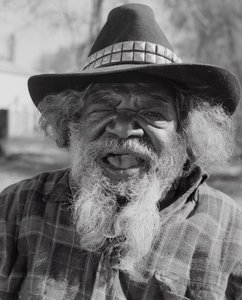
ronald tjampitjinpa
1943 - , Australia
Основные сведения
- Artistic Movement Or Style: Papunya Tula, Dreamtime Painting
- Date Of Birth: 1943
- Full Name: Ronald Tjampitjinpa
- Nationality: Australian Aboriginal
- Notable Artworks: ['Untitled']
- Place Of Birth: Papunya, Australia