


 Предпросмотр
 Поделиться
 Поделиться
 Детали произведения

 Скачать
 Похожие работы
 Рентгенография
 Слайд-шоу
 Статистика
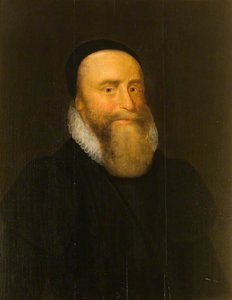
George Talbot (1528–1590), 6th Earl of Shrewsbury (after an earlier painting of 1580)
 Elizabethan Portraiture
 69.0 x 53.0 cm
 Национальный фонд Великобритании
 Читать далее
Приобретите цифровое изображение высокого разрешения в улучшенном качестве, которое значительно превосходит онлайн-превью.
Каждый файл тщательно подготавливается нашими специалистами с использованием передовых инструментов и экспертной ручной ретуши. Мы гарантируем исключительную четкость, точную цветопередачу и детальную проработку каждого изображения.
Финальный файл доставляется по электронной почте в течение 72 часов и оптимизирован для немедленного использования в профессиональной среде, при верстке и печати. Это тот же уровень качества, которому доверяют ведущие дизайнерские студии, издательства и галереи.
Цифровое изображение
Скачайте файл высокого разрешения для личного использования, печати и творческих проектов. ( Перейти к печати Купить картину ручной работы)
Включено в каждый заказ цифровых изображений
Гарантия экспертной цифровой доставки
Выбирая ArtsDot.com, вы получаете не просто изображение — вы приобретаете профессионально обработанное цифровое произведение искусства, созданное с безупречной точностью и под защитой гарантии качества. Вот всё, что автоматически входит в ваш заказ:

Мгновенная доставка по e-mail
Ваш цифровой файл в высоком разрешении будет отправлен вам по электронной почте в течение 72 часов после оформления заказа — и сразу станет доступен для использования.

Цифровой файл с ИИ-улучшением
Ваше произведение искусства проходит профессиональную оптимизацию с использованием передовых инструментов ИИ и ручной обработки, что гарантирует максимальную детализацию, четкость и точность цветопередачи.

Бессрочная бесплатная повторная доставка
Случайно удалили или потеряли файл? Не беспокойтесь — мы отправим его вам повторно в любое время и совершенно бесплатно.

Без импортных пошлин — навсегда
Наслаждайтесь вашим произведением искусства мгновенно без таможенных пошлин, сборов или затрат на доставку — цифровые загрузки всегда не облагаются налогом.

Гарантия точности цветопередачи
Мы гарантируем, что ваше цифровое изображение максимально точно передает оригинальные цвета благодаря использованию профессиональных инструментов и систем управления цветом.

Гарантия удовлетворенности 100 дней
Если вы не будете удовлетворены своим цифровым изображением, мы внесем правки или вернем 100% стоимости в течение 100 дней — без лишних вопросов.

100% Гарантия возврата средств
Не удовлетворены покупкой? Получите полный возврат средств в течение 100 дней после получения цифрового файла — без лишних вопросов.

Скидки на оптовые заказы
Купите 3 изображения, сэкономьте 10% — Купите 5, сэкономьте 15% — Купите 10+, сэкономьте 20%. Отличное решение для творческих проектов, галерей и агентств.
Похожие произведения

Биография художника
The Quiet Master of Tudor Portraiture
In the grand, gilded tapestry of the English Renaissance, certain names shine with an unshakeable brilliance, while others linger in the soft shadows of history, possessing a subtle, enduring grace. Rowland Lockey (c. 1565–1616) belongs to that second, more mysterious category. A figure often discussed in the periphery of much larger luminaries, Lockey was an artist whose hands bridged the gap between the meticulous precision of the early Tudor era and the burgeoning dynamism of the Jacobean age. Born likely in London, the son of a skilled crossbow maker, Lockey’s journey from the workshops of Fleet Street to the prestigious circles of the royal court is a testament to the vibrant, interconnected nature of Elizabethan craftsmanship.
His artistic identity was forged in the crucible of an apprenticeship that placed him at the very heart of English aesthetic evolution. Beginning in 1581, Lockey studied under Nicholas Hilliard, the legendary miniaturist to Queen Elizabeth I. This formative period was far more than a mere technical education; it was an immersion into a world where every glint of gold and every delicate line of vellum held profound political and social meaning. Under Hilliard’s tutelage, Lockey mastered the art of the subtle—learning how to manipulate light and layer glazes to create a sense of depth and vitality that could breathe life into a flat surface. This training as both a painter and a goldsmith endowed his work with a unique tactile quality, blending the precision of metalwork with the fluid elegance of oil painting.
A Legacy of Reinterpretation and Devotion
While Lockey is frequently categorized as a copyist, such a label fails to capture the soulful nuance he brought to his subjects. His most celebrated achievements lie in his monumental reproductions of Hans Holbein the Younger’s iconic works, most notably the "Family of Sir Thomas More." In these large-scale canvases, Lockey did not merely replicate; he reinterpreted. Where Holbein’s original captured a frozen, solemn dignity, Lockey’s versions introduced a subtle shift in expression and pose, infusing the figures with a newfound energy that resonated with the changing spirit of the late Tudor period. His ability to inhabit the style of his predecessors while injecting a contemporary vitality is what marks him as a true master of his craft.
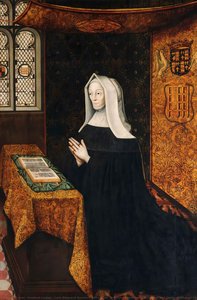
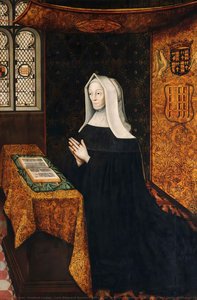
Beyond these grand family portraits, Lockey’s oeuvre includes deeply moving individual studies that capture the spiritual and political weight of his era. His depiction of Lady Margaret Beaufort at Prayer stands as a pinnacle of his ability to convey profound intimacy. In this work, he strips away the clamor of courtly life to present a moment of solitary, sacred devotion. Through the masterful use of texture—the heavy folds of black robes contrasted against the crispness of white linen—he creates a space where the viewer feels the very weight of history and piety. This capacity to balance the opulence of noble status with the vulnerability of human emotion is the hallmark of his enduring significance.
The Intersection of Craft and Courtly Life
Lockey’s professional life was deeply intertwined with the prestigious guilds of London, having achieved the status of a freeman of the Worshipful Company of Goldsmiths by 1600. This dual identity as an artist and a goldsmith allowed him to serve the fashionable long galleries of great English houses, providing the essential visual lineage that noble families required to assert their legitimacy and heritage. His work functioned as a vital component of the Tudor social fabric, creating sets of oil paintings that documented the continuity of power and bloodlines.
Ultimately, the historical importance of Rowland Lockey lies in his role as a custodian of the English portrait tradition. He stood at the crossroads of eras, preserving the meticulous techniques of the 16th century while preparing the way for the more expressive styles of the 17th. Though he may remain eclipsed by the giants of the Renaissance, his contributions—characterized by a quiet, meticulous brilliance—continue to offer historians and art lovers a window into the soul of the Tudor and Jacobean worlds.
rowland lockey
1565 - 1616
Основные сведения
- Artistic Movement Or Style: Tudor Portraiture; Flemish Renaissance
- Artists Or Movements Influenced By This Artist: ['Dutch painters']
- Artists Who Influenced This Artist:
- Hans Holbein Jr.
- Nicholas Hilliard
- Date Of Death: 1616
- Full Name: Rowland Lockey
- Nationality: English
- Notable Artworks:
- Sir Thomas More & James I
- George Talbot (1528–1590)
- Mary, Queen of Scots
- Sheffield portrait
- Place Of Birth: London, England