

 Предпросмотр
 Поделиться
 Поделиться
 Детали произведения

 Скачать
 Похожие работы
 Рентгенография
 Слайд-шоу
 Статистика
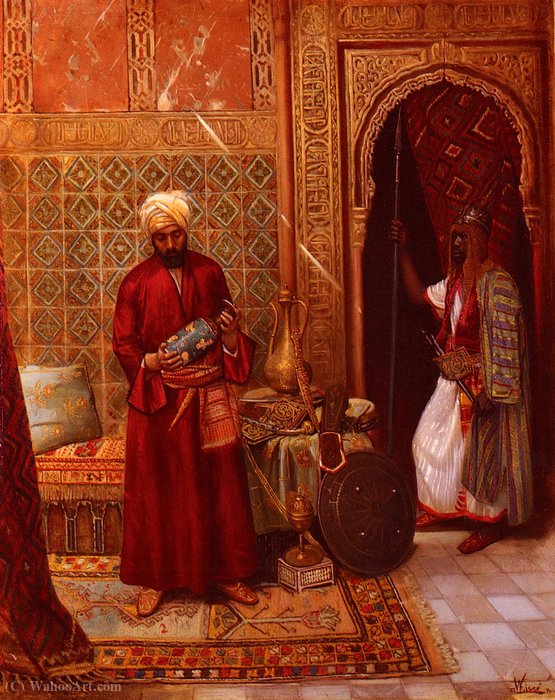
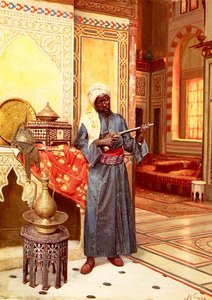
The new acquisition
 Читать далее
Приобретите цифровое изображение высокого разрешения в улучшенном качестве, которое значительно превосходит онлайн-превью.
Каждый файл тщательно подготавливается нашими специалистами с использованием передовых инструментов и экспертной ручной ретуши. Мы гарантируем исключительную четкость, точную цветопередачу и детальную проработку каждого изображения.
Финальный файл доставляется по электронной почте в течение 72 часов и оптимизирован для немедленного использования в профессиональной среде, при верстке и печати. Это тот же уровень качества, которому доверяют ведущие дизайнерские студии, издательства и галереи.
Цифровое изображение
Скачайте файл высокого разрешения для личного использования, печати и творческих проектов. ( Перейти к печати Купить картину ручной работы)
Включено в каждый заказ цифровых изображений
Гарантия экспертной цифровой доставки
Выбирая ArtsDot.com, вы получаете не просто изображение — вы приобретаете профессионально обработанное цифровое произведение искусства, созданное с безупречной точностью и под защитой гарантии качества. Вот всё, что автоматически входит в ваш заказ:

Мгновенная доставка по e-mail
Ваш цифровой файл в высоком разрешении будет отправлен вам по электронной почте в течение 72 часов после оформления заказа — и сразу станет доступен для использования.

Цифровой файл с ИИ-улучшением
Ваше произведение искусства проходит профессиональную оптимизацию с использованием передовых инструментов ИИ и ручной обработки, что гарантирует максимальную детализацию, четкость и точность цветопередачи.

Бессрочная бесплатная повторная доставка
Случайно удалили или потеряли файл? Не беспокойтесь — мы отправим его вам повторно в любое время и совершенно бесплатно.

Без импортных пошлин — навсегда
Наслаждайтесь вашим произведением искусства мгновенно без таможенных пошлин, сборов или затрат на доставку — цифровые загрузки всегда не облагаются налогом.

Гарантия точности цветопередачи
Мы гарантируем, что ваше цифровое изображение максимально точно передает оригинальные цвета благодаря использованию профессиональных инструментов и систем управления цветом.

Гарантия удовлетворенности 100 дней
Если вы не будете удовлетворены своим цифровым изображением, мы внесем правки или вернем 100% стоимости в течение 100 дней — без лишних вопросов.

100% Гарантия возврата средств
Не удовлетворены покупкой? Получите полный возврат средств в течение 100 дней после получения цифрового файла — без лишних вопросов.

Скидки на оптовые заказы
Купите 3 изображения, сэкономьте 10% — Купите 5, сэкономьте 15% — Купите 10+, сэкономьте 20%. Отличное решение для творческих проектов, галерей и агентств.
Похожие произведения

Биография художника
A Bohemian Vision of the Orient: The Life and Art of Rudolphe Weisse
Rudolphe Weisse, born circa 1869 in Usti nad Labem, Bohemia (modern-day Czech Republic), occupies a fascinating niche within the realm of Orientalist painting. Often overshadowed by his contemporaries – and frequently confused with the Swiss artist Johann Rudolf Weiss – Weisse nonetheless carved out a distinctive space for himself with captivating depictions of harem life, exotic street scenes, and powerfully rendered Nubian guards. His career unfolded primarily in Paris during the late 19th and early 20th centuries, a period marked by intense fascination with North Africa and the Middle East, fueled by colonial expansion and romanticized travel narratives. While biographical details remain somewhat sparse, the available evidence suggests a formal artistic training at the Viennese Akademie der Bildenden Künste before his relocation to Paris, where he exhibited regularly at the prestigious Salon from 1889 until 1927. This consistent presence underscores his integration into the established art world and his ability to resonate with contemporary tastes.The Allure of Parisian Orientalism
Weisse’s artistic development was deeply intertwined with the broader currents of Parisian Orientalism. The city served as a melting pot for artists drawn to the exotic, and the genre flourished under the patronage of a public eager for glimpses into distant lands. Unlike some Orientalists who traveled extensively in North Africa or the Middle East, Weisse appears to have largely constructed his visions within the studio, relying on descriptions, photographs, and perhaps models encountered within Paris itself. This approach doesn’t diminish the power of his work; rather, it highlights a particular strain of Orientalism – one focused less on documentary accuracy and more on evoking atmosphere, sensuality, and narrative intrigue. His paintings are not simply representations of places but carefully crafted fantasies that reflect European perceptions and desires. The influence of artists like Jean-Léon Gérôme and Ludwig Deutsch is palpable in his meticulous attention to detail and dramatic lighting, yet Weisse developed a unique stylistic voice characterized by a heightened sense of color and a focus on the interplay between figures within intimate interior spaces.Captivating Scenes: Harem Life and Nubian Guards
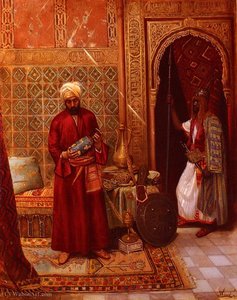
The core subject matter of Weisse’s oeuvre revolves around two primary themes: scenes of harem life and depictions of Nubian guards. His harem paintings, often featuring languidly posed women attended by servants, are imbued with a palpable sense of mystery and allure. These works were undoubtedly popular with collectors seeking images that catered to prevailing fantasies about Eastern sensuality and opulence. However, Weisse’s treatment of these subjects is not merely exploitative; there's a degree of psychological complexity in his portrayal of the women, suggesting a nuanced understanding of their confined existence. Equally compelling are his depictions of Nubian guards – imposing figures rendered with striking realism and often positioned as silent observers within bustling marketplaces or opulent palaces. These guards embody power, dignity, and an exotic otherness that captivated the European imagination. The artist’s skill in capturing textures—the sheen of silk, the glint of metal, the warmth of skin—contributes significantly to the immersive quality of his paintings.Recognition and Legacy
Throughout his career, Rudolphe Weisse received critical recognition for his artistic achievements. He was awarded a Médaille d’Honneur at the Paris Exposition Universelle in 1889 for his works “Scène Orientale” and “Portrait de Femme,” and he earned a gold medal in Vienna in 1920. His paintings were exhibited not only in Paris but also in Vienna, London, and Bordeaux, demonstrating a broad appeal across European art circles. While Weisse’s work has sometimes been overshadowed by more prominent Orientalists, his unique contribution to the genre is increasingly recognized today. His evocative scenes offer valuable insights into the complex interplay between perception, fantasy, and artistic representation in the late 19th and early 20th centuries. His paintings continue to captivate viewers with their rich detail, dramatic lighting, and compelling narratives, serving as a testament to his skill as a visual storyteller.A Lasting Appeal
Rudolphe Weisse’s art remains relevant not only for its aesthetic qualities but also for the questions it raises about cultural representation and the construction of “the Orient” in Western imagination. His paintings serve as a reminder of the power of art to shape perceptions, reinforce stereotypes, and evoke both fascination and desire.- His meticulous technique and attention to detail continue to impress.
- The evocative atmosphere of his scenes transports viewers to another time and place.
- His work offers a unique perspective on the complexities of Orientalism in late 19th-century Paris.
Основные сведения
- Artistic Movement Or Style: Erotic Fantasy Art
- Date Of Birth: c. 1869
- Date Of Death: c. 1927
- Full Name: Rudolf Weisse
- Nationality: Bohemian
- Notable Artworks:
- The Harem Guard
- A Nubian Guard
- The New Acquisition
- Place Of Birth: Usti, Bohemia