

 Предпросмотр
 Поделиться
 Поделиться
 Детали произведения

 Скачать
 Похожие работы
 Рентгенография
 Слайд-шоу
 Статистика
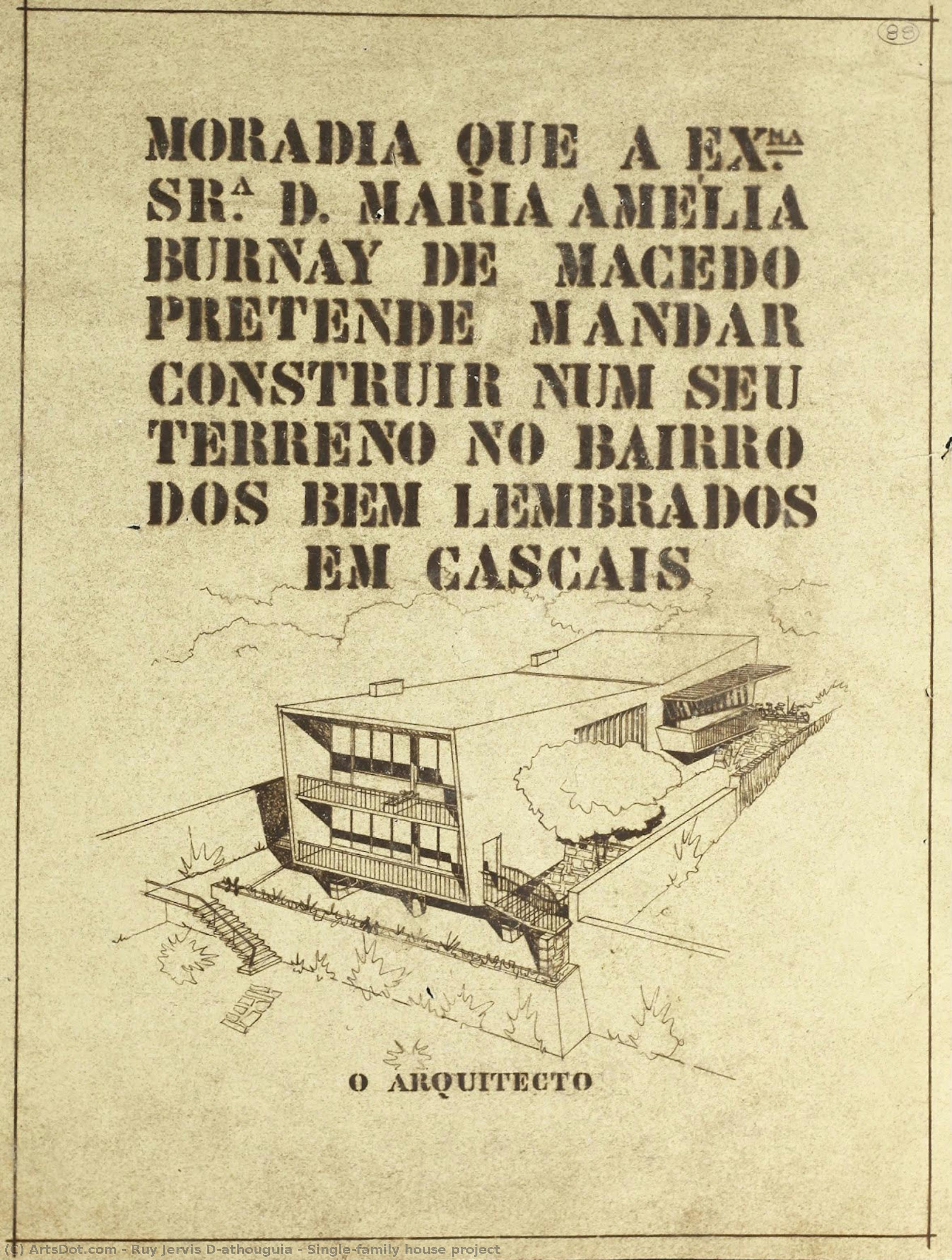
Single-family house project
 Ink On Paper
- Modernism
 1952
1952- Modern
 7.0 x 99.0 cm
 Lisboa Municipal Archive
 Читать далее
Приобретите цифровое изображение высокого разрешения в улучшенном качестве, которое значительно превосходит онлайн-превью.
Каждый файл тщательно подготавливается нашими специалистами с использованием передовых инструментов и экспертной ручной ретуши. Мы гарантируем исключительную четкость, точную цветопередачу и детальную проработку каждого изображения.
Финальный файл доставляется по электронной почте в течение 72 часов и оптимизирован для немедленного использования в профессиональной среде, при верстке и печати. Это тот же уровень качества, которому доверяют ведущие дизайнерские студии, издательства и галереи.
Цифровое изображение
Скачайте файл высокого разрешения для личного использования, печати и творческих проектов. ( Перейти к печати Купить картину ручной работы)
Включено в каждый заказ цифровых изображений
Гарантия экспертной цифровой доставки
Выбирая ArtsDot.com, вы получаете не просто изображение — вы приобретаете профессионально обработанное цифровое произведение искусства, созданное с безупречной точностью и под защитой гарантии качества. Вот всё, что автоматически входит в ваш заказ:

Мгновенная доставка по e-mail
Ваш цифровой файл в высоком разрешении будет отправлен вам по электронной почте в течение 72 часов после оформления заказа — и сразу станет доступен для использования.

Цифровой файл с ИИ-улучшением
Ваше произведение искусства проходит профессиональную оптимизацию с использованием передовых инструментов ИИ и ручной обработки, что гарантирует максимальную детализацию, четкость и точность цветопередачи.

Бессрочная бесплатная повторная доставка
Случайно удалили или потеряли файл? Не беспокойтесь — мы отправим его вам повторно в любое время и совершенно бесплатно.

Без импортных пошлин — навсегда
Наслаждайтесь вашим произведением искусства мгновенно без таможенных пошлин, сборов или затрат на доставку — цифровые загрузки всегда не облагаются налогом.

Гарантия точности цветопередачи
Мы гарантируем, что ваше цифровое изображение максимально точно передает оригинальные цвета благодаря использованию профессиональных инструментов и систем управления цветом.

Гарантия удовлетворенности 100 дней
Если вы не будете удовлетворены своим цифровым изображением, мы внесем правки или вернем 100% стоимости в течение 100 дней — без лишних вопросов.

100% Гарантия возврата средств
Не удовлетворены покупкой? Получите полный возврат средств в течение 100 дней после получения цифрового файла — без лишних вопросов.

Скидки на оптовые заказы
Купите 3 изображения, сэкономьте 10% — Купите 5, сэкономьте 15% — Купите 10+, сэкономьте 20%. Отличное решение для творческих проектов, галерей и агентств.
A Vision of Modernity: The Architectural Elegance of Ruy Jervis d'Athouguia
In the delicate interplay of line and light, the 1952 architectural rendering for a single-family house project by Ruy Jervis d'Athouguia serves as more than a mere blueprint; it is a window into a transformative era of design. This vintage piece captures the precise moment when the weight of tradition began to yield to the clean, functionalist promises of Modernism. Through a masterful use of hand-drawn ink on paper, the artist presents a vision of domestic life that is both structured and serene. The composition is dominated by the geometric clarity of the house itself, where rectangular forms and sharp edges suggest a new way of inhabiting space—one defined by order, light, and an intentional relationship with the surrounding landscape.
The technique employed in this rendering evokes the nostalgic charm of mid-century documentation. There is a palpable, tactile quality to the work, with the slightly rough texture of the aged paper adding a layer of historical depth that modern digital renders simply cannot replicate. D'Athouguia utilizes subtle shading to breathe volume into the flat planes of the structure, creating a sense of three-dimensional presence that draws the eye across the terrain. The integration of organic, hand-sketched vegetation around the rigid architectural lines creates a beautiful tension between man-made precision and the soft unpredictability of nature, a hallmark of early modernist philosophy.
Historical Resonance and Symbolic Depth
To view this work is to encounter the spirit of post-war Portugal. Created in 1952, the piece reflects the architectural ambitions of an era seeking to redefine its urban and suburban identity. As a pioneer of Portuguese Modernism, d'Athouguia’s work often navigated the delicate balance between international modernist trends and local sensibilities. This specific project, presented through a promotional lens with Portuguese text overlaid upon the sketch, symbolizes the aspiration for progress and the dream of modern homeownership. It represents an era where architecture was not just about shelter, but about a lifestyle revolution—a movement toward clarity, functionality, and understated elegance.
For the discerning collector or interior designer, this reproduction offers a profound emotional resonance. It carries the quiet dignity of a bygone era, making it an exquisite focal point for spaces that value intellectual depth and historical narrative. Whether placed in a contemporary minimalist setting to provide a sense of heritage, or within a classic study to complement traditional textures, the piece acts as a conversation starter. It invites viewers to contemplate the evolution of our living environments and the enduring beauty of the architectural draft—a testament to the time when every line drawn was a promise of a new way of life.
Похожие произведения
Биография художника
A Pioneer of Portuguese Modernism: The Life and Work of Ruy Jervis d’Athouguia
Ruy Jervis d'Athouguia, born in Macau in 1917, emerged as a pivotal figure in the landscape of Portuguese architecture during a period of significant transition. His life spanned a crucial era – from the waning influence of traditional styles to the burgeoning embrace of Modernism and beyond, culminating in his passing in 2006. Though rooted in the specific context of Portugal’s Estado Novo regime, Jervis d'Athouguia consistently championed principles of clarity, functionality, and a subtle elegance that distinguished his work from both overtly nationalistic trends and more flamboyant international expressions of the movement. His early education laid the foundation for a career dedicated to thoughtful design, studying architecture at the Escola de Belas Artes do Porto (EBAP) before establishing his practice in Lisbon, where he would leave an indelible mark on the city’s urban fabric.Early Influences and the Bairro das Estacas
Jervis d'Athouguia’s architectural philosophy was shaped by a deliberate rejection of prevailing stylistic dogmas. While many contemporaries sought inspiration in historical revivalism or regional vernacular forms, he turned towards the international language of Modernism, absorbing its core tenets but adapting them to the unique challenges and opportunities presented by Portugal’s social and economic realities. A defining moment in his career came with his collaboration with Formosinho Sanches on the “Bairro das Estacas” (Estacas Quarter) neighborhood in Lisbon, initiated in 1949. This project wasn't merely a housing development; it represented a bold attempt to implement the principles of the Charter of Athens – a foundational text for urban planning that advocated for functional zoning, green spaces, and improved living conditions for all citizens. The Bairro das Estacas stands as Lisbon’s first urban complex to consciously apply these ideas, demonstrating Jervis d'Athouguia’s commitment to social responsibility through architectural innovation. It was an attempt to create a new kind of urban environment, one that prioritized the needs of its inhabitants and fostered a sense of community.A Quiet Modernism: Principles and Aesthetic
Jervis d'Athouguia’s work is often described as a “quiet modernism.” He eschewed grand gestures or ostentatious displays of style, instead focusing on refined proportions, carefully considered materials, and an understated elegance that allowed the functionality of his buildings to speak for itself. His designs were characterized by clean lines, ample natural light, and a harmonious integration with their surroundings. This approach was particularly evident in his residential projects, where he sought to create comfortable, livable spaces that prioritized the well-being of the occupants. He wasn’t interested in imposing a rigid aesthetic but rather in creating buildings that responded sensitively to the specific needs of each site and client. His work consistently favored the principles of modernity, even as it resisted easy categorization within broader international trends.Beyond Housing: The Fátima Sanctuary Project and Later Works
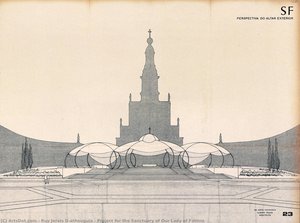
While the Bairro das Estacas remains one of his most celebrated achievements, Jervis d'Athouguia’s portfolio encompassed a diverse range of projects. He undertook commissions for schools, commercial buildings, and notably, a significant project for the expansion of the Sanctuary of Our Lady of Fátima. This undertaking presented a unique challenge – how to reconcile the principles of Modernism with the deeply religious significance of the site. His approach was one of respectful integration, creating new structures that complemented the existing architecture while introducing contemporary design elements. This project exemplifies his ability to navigate complex cultural and historical contexts. Throughout his later career, he continued to refine his architectural language, exploring new materials and techniques while remaining true to his core principles of functionality, clarity, and understated elegance.Legacy and Historical Significance
Ruy Jervis d'Athouguia’s contribution to Portuguese architecture extends beyond the tangible structures he created. He represented a generation of architects who dared to challenge conventional norms and embrace the possibilities of Modernism while remaining deeply rooted in their own cultural context. His work served as an important counterpoint to both the overtly nationalistic tendencies of the Estado Novo regime and the more flamboyant expressions of international style.- He was a key figure in introducing the Charter of Athens to Portugal.
- His designs prioritized social responsibility and the well-being of inhabitants.
- He demonstrated a remarkable ability to reconcile Modernism with diverse cultural contexts, as seen in his work at Fátima.
ruy jervis d'athouguia
1917 - 2006 , Portugal
Основные сведения
- Artistic Movement Or Style: Modernist architecture
- Date Of Birth: 1917
- Date Of Death: 2006
- Full Name: Ruy Jervis d'Athouguia
- Nationality: Portuguese
- Notable Artworks:
- Bairro das Estacas
- Fátima Sanctuary project
- Single-family house project
- Place Of Birth: Macau, Portugal