

 Предпросмотр
 Поделиться
 Поделиться
 Детали произведения

 Скачать
 Похожие работы
 Рентгенография
 Слайд-шоу
 Статистика
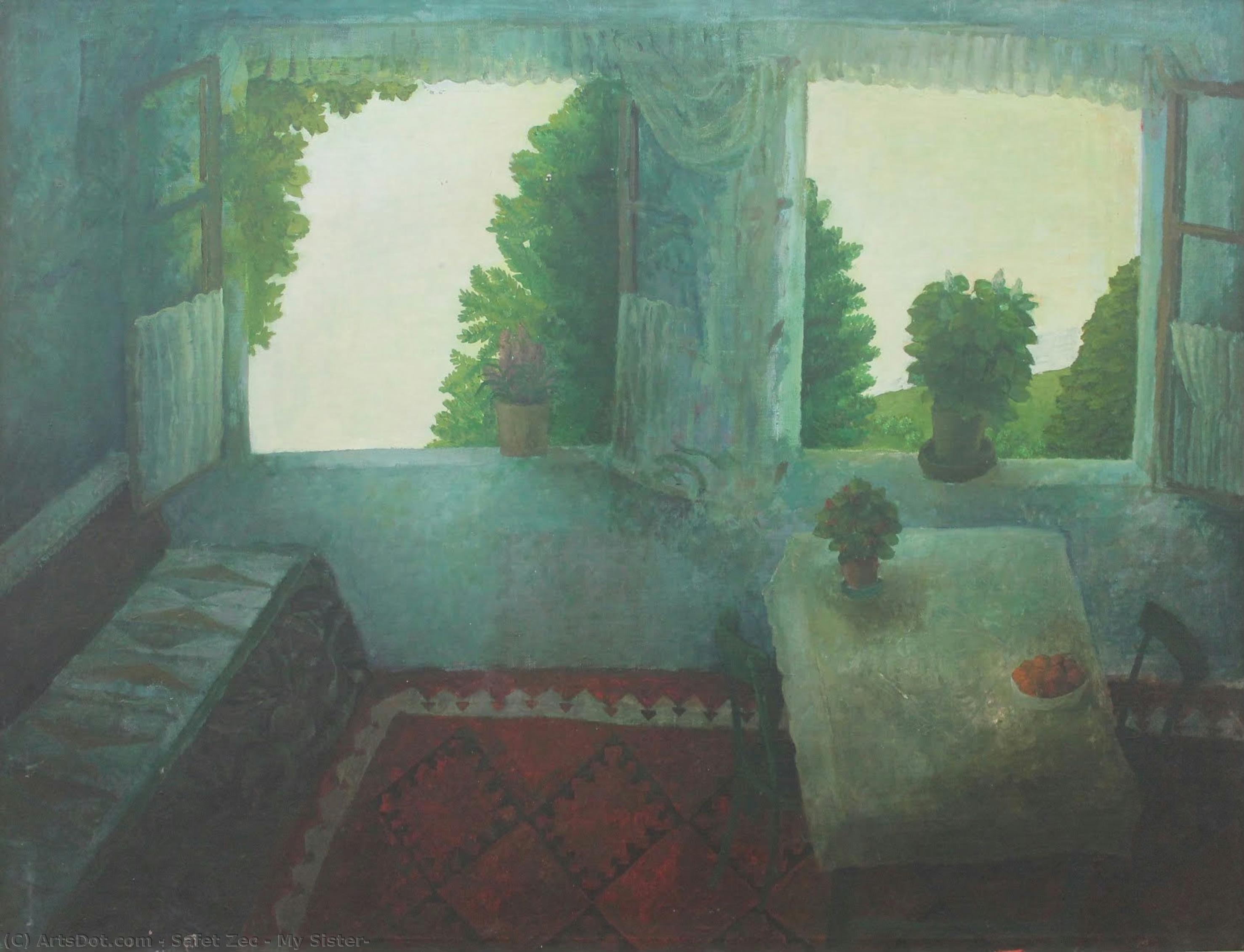
My Sister


 Читать далее
Жикле / Арт-принт
Печать (жикле) или холст музейного качества с быстрыми сроками изготовления и широким выбором вариантов отделки. ( Купить картину ручной работы Перейти к цифровым изображениям)




P118B $10

P118H $10

P118W $10

P438Z $10

P508JH $12

P508YH $12

P805H $10

P805Z $10

P919BZ $10

P919G $10

P919XJ $10

P959ZH $10

P968JZ $12

W106C $8

W218G $10

W218JH $8

W218Y $10

W307PJ $10

W316G $10

W316PJ $8

W316Y $10

W398PJ $8

W4111J $10

W500HY $15

W500JH $15

W692G $12

W849H $8

W940BG $15

W953PJ $8




Выберите один из наших стандартных размеров, соответствующих оригинальным пропорциям произведения искусства.

Вы можете указать свои собственные размеры, чтобы репродукция идеально подошла под конкретную раму или пространство. Если выбранный вами размер не будет соответствовать пропорциям оригинала, мы либо обрежем произведение, либо дополним изображение зеркальным отражением краев или однотонной заливкой. Перед началом производства вам будет отправлен цифровой макет для утверждения.
Пожалуйста, обратите внимание, что предварительный просмотр на экране не отображает фактическую обрезку или расширение изображения. Только макет точно покажет финальную композицию.
Несмотря на возможность заказа индивидуальных размеров, мы рекомендуем выбирать размер из предопределенного списка, чтобы сохранить оригинальные пропорции.
Доставка по всему миру () за 2 недели вместо стандартных 4/5 недель. (11 Сентябрь)

Бесплатная экспресс-доставка по всему миру

Высококачественный льняной холст

Полное страхование доставки

Гарантия возмещения таможенных пошлин

Гарантия точного соответствия цветов

100-дневная политика возврата (только при обнаружении дефектов)

Гарантия возврата 100% средств

Предложение оптовых скидок
 Вариант со стеклом доступен только для размеров менее 110 см

My Sister
Жикле / Арт-принт
Размер репродукции
-


Итоговая стоимость
$ 62
A Window into Serenity: The Intimate World of Safet Zec
In the quietude of "My Sister," we are invited to step into a sanctuary of light and domestic stillness. Created in 1975, this evocative painting serves as more than just a depiction of an interior; it is a profound meditation on the relationship between the sheltered human space and the untamed vitality of the natural world. The composition centers on a room bathed in soft, diffused light, where two open windows act as portals to a lush, verdant landscape. Through these apertures, one catches glimpses of treetops and grassy expanses, suggesting a seamless continuity between the comfort of the home and the breathing rhythm of the earth. The artist masterfully balances the structured geometry of the indoor furniture—the traditional sofa, the draped dining table, and the poised chairs—with the organic, unpredictable beauty of the plants nestled within the room.
The technique employed in this piece reflects a meticulous devotion to texture and atmosphere. Every element, from the intricate patterns of the red decorated carpet to the delicate folds of the window curtains, is rendered with a precision that invites the viewer to linger. There is a tactile quality to the work; one can almost feel the smoothness of the fruit in the dish, the weight of the books resting near the edge of the frame, and the coolness of the air flowing through the open windows. The interplay of light and shadow creates a sense of depth that transforms a simple living space into a multidimensional stage where time seems to slow down, capturing a fleeting moment of domestic peace that feels both eternal and incredibly fragile.
Symbolically, "My Sister" explores themes of companionship, memory, and the concept of "home" as an emotional state. The presence of the two chairs and the arrangement of the table suggest a space prepared for connection, yet the stillness of the scene imbues it with a poignant, almost nostalgic solitude. The title itself adds a layer of intimacy, hinting at a personal narrative or a shared memory that exists just beyond the visual frame. For the discerning collector or interior designer, this painting offers a sophisticated focal point that brings a sense of calm, intellectual depth, and classical elegance to any space. It is a piece that does not merely decorate a wall but enriches the very atmosphere of a room, offering a window into a world of quiet beauty and contemplative grace.
Похожие произведения

Биография художника
David Hammons: A Sculptor of Urban Echoes
David Hammons, born in Springfield, Illinois on July 24, 1943, is an American artist whose work has profoundly shaped the landscape of contemporary art, particularly through its engagement with issues of race, identity, and urban experience. His career, spanning over half a century, is characterized by a distinctive approach – a masterful blend of performance, sculpture, printmaking, and found objects—that challenges conventional notions of artistic representation and social commentary. Hammons’s journey began not in the hallowed halls of formal art education, but within the gritty realities of Los Angeles during the 1960s, an environment that would deeply inform his aesthetic vision. Initially drawn to Chouinard Art Institute (now CalArts), he found himself immersed in a vibrant artistic community—a “LA Rebellion”—that included figures like Charles White, Bruce Nauman, and John Baldessari. This period proved crucial, exposing him to diverse approaches to art-making and fostering a spirit of experimentation that would define his future work.Early Influences and the Studio Z Collective
Hammons’s formative years were marked by a profound awareness of social inequality and racial tension within Los Angeles. This experience, coupled with his early exposure to the works of artists like Charles White—whose powerful depictions of Black life resonated deeply with Hammons—fueled a desire to use art as a vehicle for critical engagement. He joined forces with fellow artists Senga Nengudi, Ronn Davis, and others to form Studio Z (a.k.a. LA Rebellion), an artist collective dedicated to exploring themes of identity, community, and the African American experience. This collaborative environment fostered a spirit of experimentation and innovation, pushing the boundaries of artistic expression through performance art, assemblage, and conceptual strategies. The group’s work often challenged prevailing social norms and interrogated the complexities of urban life, laying the groundwork for Hammons's later explorations of race, class, and power dynamics.The Language of Symbolism: Body Prints and Urban Artifacts
Hammons’s artistic language evolved significantly after his relocation to New York City in 1974. He began to employ a distinctive visual vocabulary centered around the transformation of everyday objects into potent symbols. Perhaps most famously, he developed his “Body Prints”—intricate, layered images created by transferring pigment and graphite from his own body onto paper. These prints, resembling X-rays, offered a raw and intimate exploration of the human form, simultaneously celebrating its beauty and exposing its vulnerabilities. Simultaneously, Hammons began to incorporate discarded materials—chicken bones, bottle caps, liquor bottles—from the streets of New York into his sculptures, transforming these seemingly mundane objects into evocative representations of urban life and social marginalization. Works like *Bliz-aard Ball Sale* (1983), where he sold snowballs adorned with metal bottle caps resembling cowrie shells, and *How Ya Like Me Now?* (1988) – a towering sculpture constructed from a discarded sweatshirt hood—became iconic symbols of his artistic vision.Performance and the Engagement with Place
Throughout his career, performance has remained a central element of Hammons’s practice. His performances often take place in public spaces—streets, parks, and urban landscapes—transforming these ordinary environments into sites of social critique and aesthetic intervention. These actions are not merely theatrical displays; they are carefully orchestrated dialogues with the viewer, inviting participation and prompting reflection on issues of race, class, and power. Hammons’s work is deeply rooted in its context – he frequently returns to locations that hold personal significance or reflect broader social realities. His use of found objects—often sourced from marginalized communities—further emphasizes this connection to place and the voices often excluded from mainstream narratives.Legacy and Critical Significance
David Hammons’s impact on contemporary art is undeniable. He has consistently challenged conventional notions of artistic representation, pushing the boundaries of sculpture, performance, and conceptual practice. His work remains profoundly relevant today, offering a critical lens through which to examine issues of race, identity, and social justice. Hammons's refusal to participate in traditional gallery exhibitions—preferring instead to engage directly with public spaces—underscores his commitment to democratizing art and making it accessible to all. He is recognized as one of the most important American artists of our time, a sculptor who has transformed the ordinary into the extraordinary, and whose work continues to provoke thought and inspire dialogue. His legacy lies not only in the beauty of his creations but also in their unwavering commitment to social critique and artistic innovation.
safet zec
1943 - , Bosnia and Herzegovina
Основные сведения
- Artistic Movement Or Style: Conceptual art, assemblage
- Artists Who Influenced This Artist: ['Charles White, Bruce Nauman, John Baldessari],\n "Artists or movements influenced by this artist": ["Studio Z"]\n}']
- Date Of Birth: July 24, 1943
- Full Name: David Hammons
- Nationality: American
- Notable Artworks:
- Bliz-aard Ball Sale
- How Ya Like Me Now?
- Higher Goals
- Place Of Birth: Springfield, Illinois, USA
Похожие статьи
Фернан Леже: Топ-25 шедевров кубизма для ценителей искусства и декора интерьера
Погрузитесь в мир Фернана Леже! Топ-25 шедевров кубизма, раскрывающих машинную эстетику и новаторский стиль художника. Репродукции картин высокого качества для вашего интерьера. Откройте всю коллекцию на ArtsDot.com
Топ-10 знаменитых картин для роскошного интерьера гостиной от ArtsDot
Топ-10 знаменитых картин для гостиной от ArtsDot: Ван Гог, Моне и другие шедевры. Узнайте историю искусства и выберите идеальную репродукцию для вашего интерьера! Explore the full collection online.
Cultivating Paradise: A Historical & Artistic Exploration of Gardens in Painting
Explore the rich history of gardens in painting! Discover masterpieces from Renaissance to Impressionism & beyond. Learn about symbolism, artists like Monet & Klimt, and find your perfect artwork at ArtsDot.
Топ-25 шедевров Анри Матисса: Цвет и форма в интерьере с ArtsDot
Погрузитесь в мир Анри Матисса! 25 шедевров фовизма, ярких красок и новаторских техник. Узнайте историю создания культовых картин художника и вдохновитесь для интерьера с ArtsDot.com – музейное качество репродукций.

Crimson Threads of Narrative: Exploring Symbolism & Representation in Artworks Featuring the Red Dress
Explore the rich symbolism of the red dress in art history! From ancient power displays to iconic portraits like Cézanne’s 'Madame Cezanne', discover the cultural and artistic significance behind this captivating color. Expert analysis & insights.