

 Предпросмотр
 Поделиться
 Поделиться
 Детали произведения

 Скачать
 Похожие работы
 Рентгенография
 Слайд-шоу
 Статистика
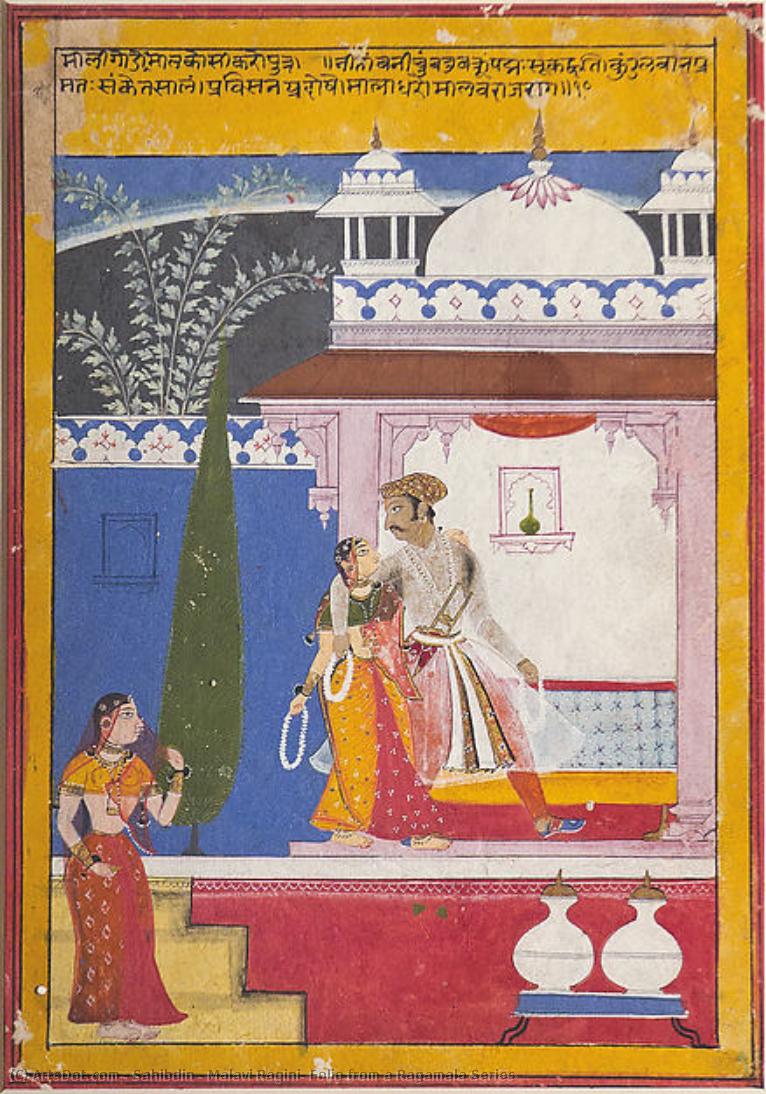
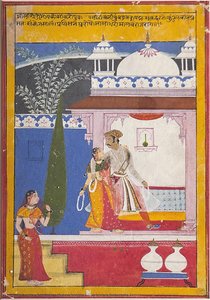
Malavi Ragini: Folio from a Ragamala Series
 1628
1628 24.0 x 17.0 cm
 Читать далее
Жикле / Арт-принт
Печать (жикле) или холст музейного качества с быстрыми сроками изготовления и широким выбором вариантов отделки. ( Купить картину ручной работы Перейти к цифровым изображениям)




































Выберите один из наших стандартных размеров, соответствующих оригинальным пропорциям произведения искусства.

Вы можете указать свои собственные размеры, чтобы репродукция идеально подошла под конкретную раму или пространство. Если выбранный вами размер не будет соответствовать пропорциям оригинала, мы либо обрежем произведение, либо дополним изображение зеркальным отражением краев или однотонной заливкой. Перед началом производства вам будет отправлен цифровой макет для утверждения.
Пожалуйста, обратите внимание, что предварительный просмотр на экране не отображает фактическую обрезку или расширение изображения. Только макет точно покажет финальную композицию.
Несмотря на возможность заказа индивидуальных размеров, мы рекомендуем выбирать размер из предопределенного списка, чтобы сохранить оригинальные пропорции.
Доставка по всему миру () за 2 недели вместо стандартных 4/5 недель. (12 Сентябрь)

Бесплатная экспресс-доставка по всему миру

Высококачественный льняной холст

Полное страхование доставки

Гарантия возмещения таможенных пошлин

Гарантия точного соответствия цветов

100-дневная политика возврата (только при обнаружении дефектов)

Гарантия возврата 100% средств

Предложение оптовых скидок
 Вариант со стеклом доступен только для размеров менее 110 см

Malavi Ragini: Folio from a Ragamala Series
Жикле / Арт-принт
Размер репродукции
-


Итоговая стоимость
$ 62
Похожие произведения






Биография художника
The Illuminated World of Sahibdin: A Master of Mewar Painting
Sahibdin, a name resonating through the annals of Indian miniature painting, stands as a pivotal figure in the evolution of the Mewar school of Rajasthan art. Born in Rajasthan, India – though precise dates remain elusive – he flourished during the 17th century, a period marked by dynamic cultural exchange and artistic innovation. Unlike many artists lost to the anonymity of history, Sahibdin’s name is preserved through inscriptions on his works, offering a rare glimpse into the life and creative process of a master painter in Mughal India. He wasn't merely an artist; he was a storyteller, a poet with a brush, whose canvases captured the essence of courtly life, religious narratives, and the vibrant spirit of his time. His enduring legacy lies not only in the exquisite beauty of his paintings but also in his ability to synthesize diverse artistic influences into a uniquely compelling style.A Synthesis of Styles: Mughal Refinement Meets Rajput Tradition
Sahibdin’s art is characterized by a remarkable fusion of the ‘popular Mughal’ style, prevalent across northern India during his lifetime, and the deeply rooted traditions of Rajput painting. The Mewar school, known for its bold colors, dramatic compositions, and depictions of heroic tales, found in Sahibdin a painter capable of elevating these qualities with the refined techniques and naturalistic details championed by the Mughals. This wasn’t simply an adoption of foreign aesthetics; rather, it was a skillful integration. He adopted Mughal conventions like heightened realism in portraiture, intricate detailing of architecture, and sophisticated perspective, but infused them with the distinctly Rajput sensibility for vibrant color palettes, dynamic figures, and emotive storytelling. His work demonstrates a keen understanding of both traditions, resulting in paintings that are simultaneously regal and deeply personal. The influence of Gujarati painting is also apparent in his figure style, forming another layer to his complex artistic heritage.Themes and Narratives: From Ragamala to the Ramayana
Sahibdin’s oeuvre encompasses a diverse range of themes, reflecting both the patronage of his courtly clients and his own artistic inclinations. He is particularly celebrated for his series of musically themed Ragamala paintings from 1628 – visual representations of ragas (melodic modes) that evoke specific emotions and seasons. These works are not merely illustrations; they are immersive experiences, capturing the very essence of Indian classical music through color, composition, and symbolic imagery. Beyond Ragamala, Sahibdin undertook monumental projects such as a series on the Bhagavata Purana from 1648, illustrating stories from this sacred Hindu text with meticulous detail and profound reverence. Perhaps his most ambitious undertaking was the illustrations to the Yuddha Kanda, the sixth book of the Ramayana, completed in 1652. This series showcases his mastery of narrative composition, character development, and dramatic tension. Each painting is a testament to his ability to translate complex literary narratives into visually stunning form.A Muslim Artist in a Hindu Court: Bridging Cultural Divides
The story of Sahibdin is particularly compelling when viewed through the lens of religious identity. He was a Muslim artist working primarily for Hindu patrons within the Mewar court. This seemingly paradoxical situation speaks volumes about the relatively tolerant and cosmopolitan environment that existed in many parts of India during the 17th century. His faith did not preclude him from receiving commissions to depict Hindu deities, epics, and religious themes – nor did it diminish his ability to create works of profound spiritual depth. In fact, his paintings demonstrate a deep understanding and appreciation for Hindu mythology and iconography. This underscores the fluidity of cultural boundaries in Mughal India and Sahibdin’s role as a bridge between different artistic traditions and belief systems. His success was not despite his religion, but perhaps because of it – his unique perspective allowed him to approach these narratives with both technical skill and genuine empathy.Legacy and Historical Significance
Sahibdin's impact on the Mewar school of painting is immeasurable. He established a distinctive style that continued to influence generations of artists, shaping the aesthetic landscape of Rajasthan for decades to come. His ability to seamlessly blend Mughal refinement with Rajput vibrancy created a uniquely compelling visual language that remains highly sought after by collectors and art historians today. He stands as one of the few miniature painters from this period whose name is still widely recognized, a testament to his exceptional talent and enduring artistic legacy.- His paintings offer invaluable insights into the cultural exchange between Mughal and Rajput courts.
- Sahibdin’s work demonstrates the fluidity of religious boundaries in 17th-century India.
- He is celebrated for his masterful depictions of Ragamala, Bhagavata Purana, and Ramayana narratives.
- His style continues to inspire artists and captivate audiences worldwide.
sahibdin
India
Основные сведения
- Artistic Movement Or Style: Mewar painting, Mughal-Rajput
- Full Name: Sahibdin
- Nationality: Indian
- Notable Artworks:
- Ragmala series (1628)
- Bhagavata Purana (1648)
- Yuddha Kanda (1652)
- Place Of Birth: Rajasthan, India