 Предпросмотр
 Поделиться
 Поделиться
 Детали произведения

 Скачать
 Похожие работы
 Рентгенография
 Слайд-шоу
 Статистика
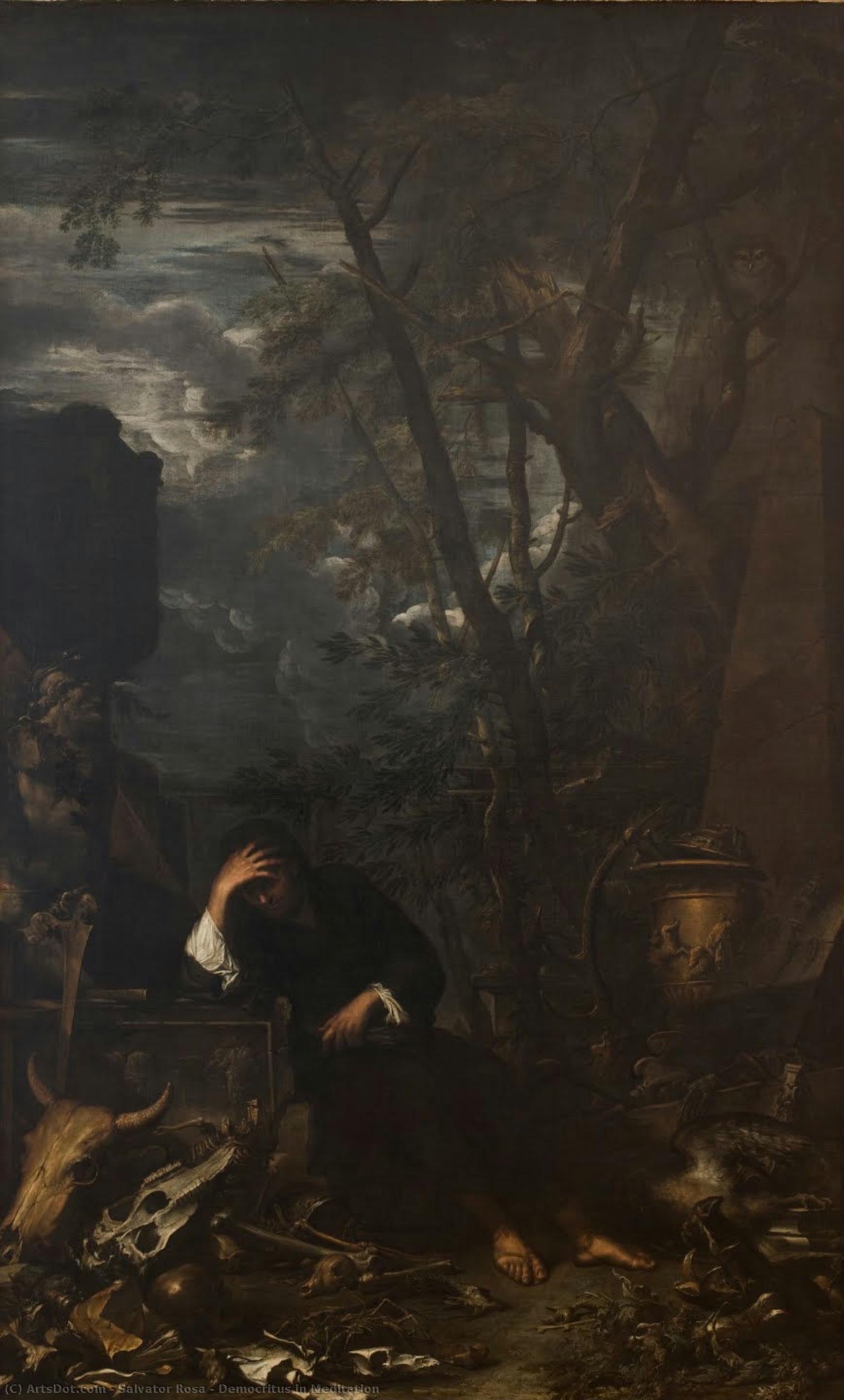
Democritus in Meditation
 Acrylic On Canvas
- WallArt
- Baroque
 1651
1651 214.0 x 344.0 cm
 Национальная галерея Дании
 Читать далее
Масляная репродукция ручной работы
Картина маслом на холсте в выбранном вами размере и раме, написанная на заказ нашими художниками. ( Перейти к печати Перейти к цифровым изображениям)




P118B $10

P118H $10

P118W $10

P438Z $10

P508JH $12

P508YH $12

P805H $10

P805Z $10

P919BZ $10

P919G $10

P919XJ $10

P959ZH $10

P968JZ $12

W106C $8

W218G $10

W218JH $8

W218Y $10

W307PJ $10

W316G $10

W316PJ $8

W316Y $10

W398PJ $8

W4111J $10

W500HY $15

W500JH $15

W692G $12

W849H $8

W940BG $15

W953PJ $8




Выберите один из наших стандартных размеров, соответствующих оригинальным пропорциям произведения искусства.

Вы можете указать собственные размеры, чтобы картина идеально вписалась в выбранную раму или пространство. Если выбранный вами размер не соответствует пропорциям оригинала, мы либо обрежем полотно, либо расширим его за счет дополнительных элементов, написанных вручную. Цифровой макет будет отправлен вам на утверждение перед началом производства.
Обратите внимание, что предварительный просмотр на экране не отражает фактическую обрезку или расширение. Только макет точно покажет окончательную композицию.
Хотя доступны индивидуальные размеры, мы рекомендуем выбирать вариант из предопределенного списка, чтобы сохранить исходные пропорции.
После оформления заказа команда ArtsDot.com свяжется с клиентом по электронной почте для уточнения деталей и предоставит предварительный макет
Доставка по всему миру () за 3–4 недели вместо стандартных 5 недель. (10 Сентябрь). Без компромиссов в качестве.

Бесплатная экспресс-доставка по всему миру

Высококачественный льняной холст

Полное страхование доставки

Гарантия возмещения таможенных пошлин

Гарантия точного соответствия цветов

100-дневная политика возврата (только при обнаружении дефектов)

Гарантия возврата 100% средств

Предложение оптовых скидок
 Вариант со стеклом доступен только для размеров менее 110 см

Democritus in Meditation
Техника репродукции
Размер репродукции
-


Итоговая стоимость
$ 263
Salvator Rosa’s “Democritus in Meditation”: A Portrait of Philosophical Doubt
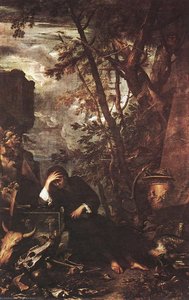
Salvator Rosa's "Democritus in Meditation," painted around 1650-1651, is more than just a portrait; it’s a profound meditation on the nature of existence itself. This captivating work, now housed within the Metropolitan Museum of Art, offers a rare glimpse into the mind of the ancient Greek philosopher Democritus, rendered with Rosa's signature blend of dramatic realism and brooding introspection. The painting immediately draws the viewer in with its stark setting – a desolate landscape dominated by weathered stone, skeletal remains, and the looming presence of death. Democritus, seated upon a simple block, embodies a quiet despair, his head bowed as if wrestling with the fundamental questions of life and mortality. He’s not engaged in lively debate or philosophical discourse, but rather lost in solitary contemplation, a visual representation of the philosopher's core belief: that all things are ultimately composed of atoms moving randomly through an empty void.
A Masterpiece of Baroque Drama and Technique
Rosa’s masterful technique is evident throughout “Democritus in Meditation.” The artist employs a rich, dark palette—deep browns, grays, and blacks—to create a sense of somberness and decay. The lighting is dramatic, casting long shadows that emphasize the figure's isolation and vulnerability. Notice the meticulous detail with which Rosa renders the textures of the stone, the folds of Democritus’ cloak, and even the scattered bones – each element contributing to the painting’s overall sense of realism and weight. The use of etching with drypoint adds a subtle textural quality, enhancing the feeling of age and decay. Rosa's skill in capturing both the physical form and the psychological state of his subject is truly remarkable.
Symbolism and Philosophical Resonance
The painting’s symbolism is layered and deeply resonant. The setting itself—a graveyard or a desolate landscape—represents the inevitable passage of time and the fragility of human existence, directly reflecting Democritus' atomistic philosophy. The scattered bones serve as a stark reminder of mortality, while the discarded helmet and books suggest the futility of worldly pursuits. Even the bird soaring above Democritus can be interpreted symbolically – perhaps representing freedom from earthly concerns or simply an indifferent observer of human suffering. Rosa deliberately chose this subject matter to explore themes of skepticism, materialism, and the limitations of human knowledge—ideas central to Democritus’ thought.
Context within Rosa's Artistic World
“Democritus in Meditation” is part of a larger body of work by Salvator Rosa that often explored themes of moral philosophy, skepticism, and the relationship between humanity and nature. Rosa was known for his unconventional approach to art, frequently incorporating elements of satire, allegory, and even melodrama into his paintings. He deliberately challenged conventional artistic norms, rejecting the idealized beauty favored by many of his contemporaries. This painting is particularly interesting in relation to Rosa’s other works depicting Diogenes throwing away his bowl – a seemingly contradictory image that highlights the artist's complex relationship with both worldly success and philosophical detachment. Rosa himself was a man of contradictions—a flamboyant personality who often engaged in scandalous behavior, yet also possessed a deep sense of moral seriousness.
Today, “Democritus in Meditation” continues to captivate viewers with its powerful depiction of human doubt and the enduring questions of philosophy. It’s a testament to Rosa's artistic genius and his ability to infuse his paintings with profound psychological depth. ArtsDot offers high-quality reproductions that allow you to experience this iconic work of art in your own home or office, bringing a touch of philosophical contemplation to any space.
Похожие произведения
Биография художника
Salvator Rosa (1615 - 1673)
Salvator Rosa, an italian baroque painter, poet, and printmaker, was born in arenella, naples, on either june 20 or july 21, 1615. his mother, giulia greca rosa, was a member of one of the greek families of sicily. despite his father's wishes for him to become a lawyer or priest, salvator showed a preference for the arts from an early age.- Early Life and Training: Salvator Rosa’s artistic journey began in arenella, where he received formative instruction from his brother-in-law Francesco Fracanzano and later honed his skills under Aniello Falcone and Giuseppe de Ribera. This exposure to prominent baroque masters instilled in him a distinctive style characterized by dramatic landscapes and psychological depth.
- Artistic Style: Rosa’s artistic approach defied convention, rejecting the rigid formalism of his contemporaries and embracing an expressive freedom that would later resonate with Romantic artists. He skillfully blended naturalism—inspired by Ribera—with classical influences from Poussin, creating images imbued with philosophical contemplation.
Notable Works
Rosa’s oeuvre encompassed a remarkable range of subjects, reflecting his intellectual curiosity and artistic versatility. Among his most celebrated paintings are "View of the Gulf of Salerno", a breathtaking depiction of the Campania coast capturing the raw beauty of nature; "Study for 'Il Genio di Rosa", an unfinished masterpiece showcasing Rosa’s experimental technique and visionary imagination; and "Grotto with Cascades", a sublime portrayal of a secluded waterfall scene embodying the grandeur of the baroque aesthetic. These works stand as testament to his unparalleled ability to convey emotion and intellectual insight through visual art.Influences and Artistic Legacy
Rosa’s artistic sensibilities were profoundly shaped by thinkers like Pythagoras, whose philosophical ideas permeated his paintings—particularly "Pythagoras Emerging From The Underworld". This monumental composition exemplifies Rosa's commitment to exploring profound themes of mortality and regeneration through symbolic imagery. Furthermore, he drew inspiration from Giuseppe de Ribera’s naturalistic style and Luca Giordano’s theatrical flair, integrating these influences into his own distinctive artistic vision. His influence extended beyond his immediate contemporaries, inspiring subsequent generations of artists who championed expressive liberty and pursued innovative approaches to landscape painting.Historical Significance
Salvator Rosa occupies a pivotal position in the history of baroque art—a movement characterized by grandeur, emotion, and dramatic theatricality. He challenged prevailing artistic conventions, advocating for an uncompromising pursuit of artistic freedom and rejecting the constraints imposed by academic dogma. His rebellious spirit foreshadowed the Romantic sensibility, securing his place as a precursor to this influential artistic movement and cementing his enduring legacy as one of italy’s most original and visionary painters. Rosa's poetic output further solidified his reputation as a multifaceted intellectual figure—a painter, poet, and printmaker who embodied the ideals of the baroque era.Important Links
Explore more about Salvator Rosa: Salvator Rosa on ArtsDot Wikipedia: Salvator Rosa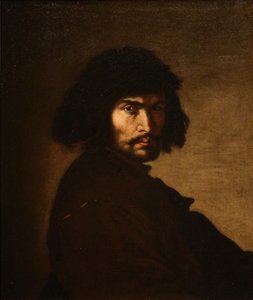
Салватор Роса
1615 - 1673 , Италия
Основные сведения
- Artistic Movement Or Style: Baroque art
- Artists Or Movements Influenced By This Artist: ['Romanticism']
- Artists Who Influenced This Artist: ['José de Ribera']
- Date Of Birth: June 20, 1615
- Date Of Death: 1673
- Full Name: Salvator Rosa
- Nationality: Italian
- Notable Artworks:
- View of the Gulf of Salerno
- Study for 'Il Genio di Rosa
- Grotto with Cascades
- Place Of Birth: Arenella, Sicily
Похожие статьи

Etching: A Historical Survey of Technique, Aesthetic Qualities & Enduring Artistic Significance
Explore the rich history of etching, from its origins to Rembrandt's masterful innovations. Discover the technique, aesthetic qualities & enduring legacy of this captivating art form. Expert insights for collectors and enthusiasts.
Salvator Rosa: A Baroque Rebel's Vision of Landscape, Allegory & the Human Condition
Explore the captivating world of Salvator Rosa, a rebellious Baroque master. Discover his dramatic landscapes, allegorical paintings & lasting influence on Romanticism. Hand-painted reproductions available at ArtsDot.

10 Шедевров Барокко: Искусство, изменившее мир | ArtsDot.com
Погрузитесь в мир барокко! 10 шедевров Караваджо, Рембрандта и других великих художников. Узнайте историю создания культовых картин и найдите идеальную репродукцию для вашего интерьера на ArtsDot.com
The Intricate World of Etching: A Historical Survey of Technique, Aesthetic Evolution, and Enduring Artistic Impact
Explore the rich history of etching, from its origins to modern practice. Discover techniques, key artists like Rembrandt, and insights for collectors. A comprehensive guide by ArtsDot.
10 легендарных офортов, изменивших искусство навсегда | ArtsDot
Откройте для себя 10 легендарных офортов Дюрера, Рембрандта и Гойи! Узнайте историю создания шедевров графики и вдохновитесь искусством. Репродукции картин премиум-качества на ArtsDot.com – для вашего интерьера.