

 Предпросмотр
 Поделиться
 Поделиться
 Детали произведения

 Скачать
 Похожие работы
 Рентгенография
 Слайд-шоу
 Статистика
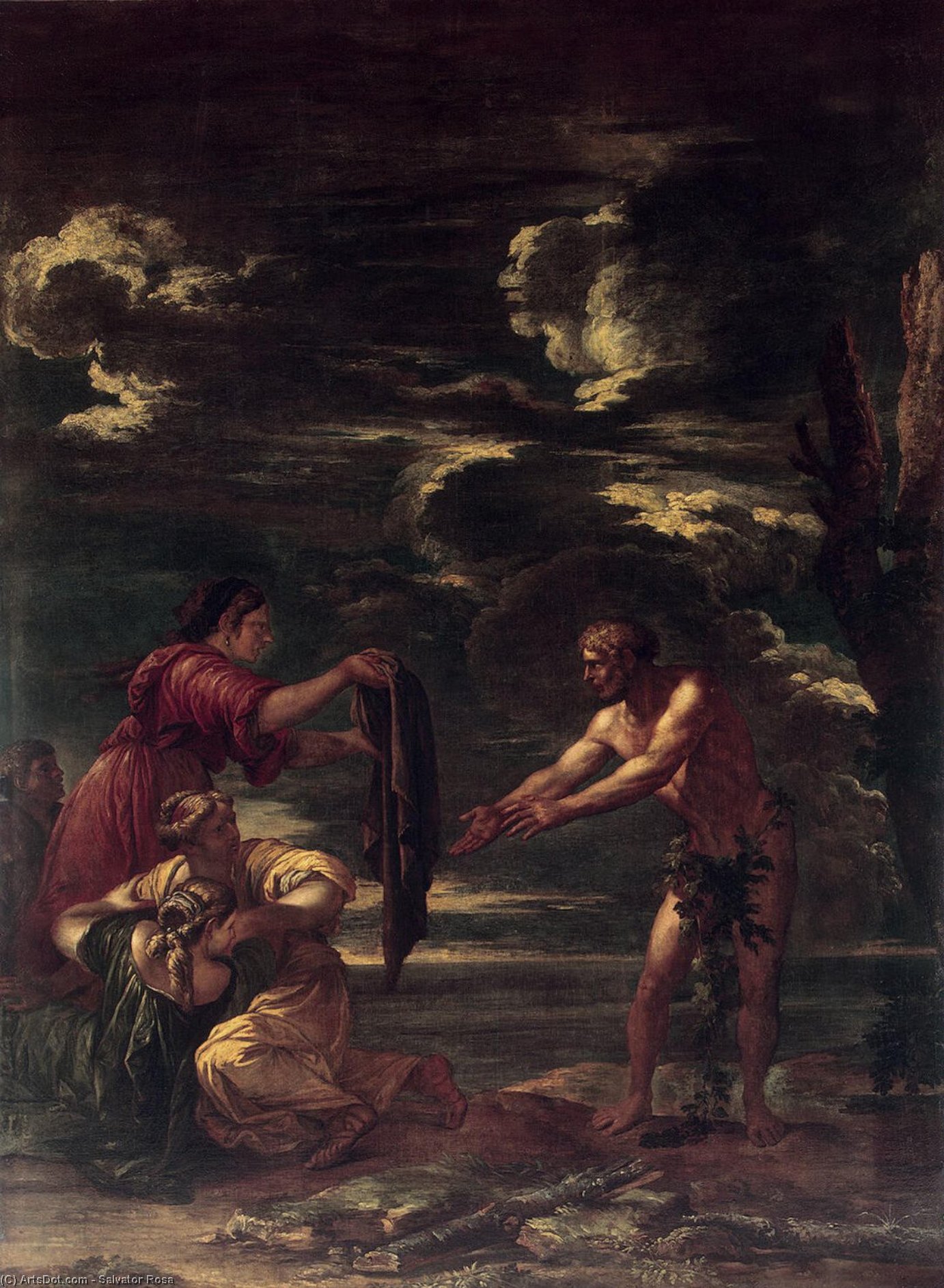
Odysseus and Nausicaa
 Acrylic On Canvas
- WallArt
- Baroque
 1663
1663- Early Modern
 195.0 x 144.0 cm
 Эрмитаж
 Читать далее
Приобретите цифровое изображение высокого разрешения в улучшенном качестве, которое значительно превосходит онлайн-превью.
Каждый файл тщательно подготавливается нашими специалистами с использованием передовых инструментов и экспертной ручной ретуши. Мы гарантируем исключительную четкость, точную цветопередачу и детальную проработку каждого изображения.
Финальный файл доставляется по электронной почте в течение 72 часов и оптимизирован для немедленного использования в профессиональной среде, при верстке и печати. Это тот же уровень качества, которому доверяют ведущие дизайнерские студии, издательства и галереи.
Цифровое изображение
Скачайте файл высокого разрешения для личного использования, печати и творческих проектов. ( Перейти к печати Купить картину ручной работы)
Включено в каждый заказ цифровых изображений
Гарантия экспертной цифровой доставки
Выбирая ArtsDot.com, вы получаете не просто изображение — вы приобретаете профессионально обработанное цифровое произведение искусства, созданное с безупречной точностью и под защитой гарантии качества. Вот всё, что автоматически входит в ваш заказ:

Мгновенная доставка по e-mail
Ваш цифровой файл в высоком разрешении будет отправлен вам по электронной почте в течение 72 часов после оформления заказа — и сразу станет доступен для использования.

Цифровой файл с ИИ-улучшением
Ваше произведение искусства проходит профессиональную оптимизацию с использованием передовых инструментов ИИ и ручной обработки, что гарантирует максимальную детализацию, четкость и точность цветопередачи.

Бессрочная бесплатная повторная доставка
Случайно удалили или потеряли файл? Не беспокойтесь — мы отправим его вам повторно в любое время и совершенно бесплатно.

Без импортных пошлин — навсегда
Наслаждайтесь вашим произведением искусства мгновенно без таможенных пошлин, сборов или затрат на доставку — цифровые загрузки всегда не облагаются налогом.

Гарантия точности цветопередачи
Мы гарантируем, что ваше цифровое изображение максимально точно передает оригинальные цвета благодаря использованию профессиональных инструментов и систем управления цветом.

Гарантия удовлетворенности 100 дней
Если вы не будете удовлетворены своим цифровым изображением, мы внесем правки или вернем 100% стоимости в течение 100 дней — без лишних вопросов.

100% Гарантия возврата средств
Не удовлетворены покупкой? Получите полный возврат средств в течение 100 дней после получения цифрового файла — без лишних вопросов.

Скидки на оптовые заказы
Купите 3 изображения, сэкономьте 10% — Купите 5, сэкономьте 15% — Купите 10+, сэкономьте 20%. Отличное решение для творческих проектов, галерей и агентств.
Salvator Rosa’s Dramatic Odysseus and Nausicaa: A Vision of Resilience and Hope
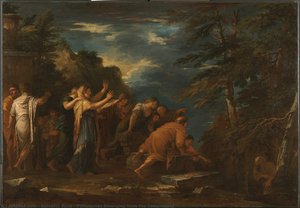
Salvator Rosa's 1663 painting, “Odysseus and Nausicaa,” is not merely a depiction of a classical myth; it’s a powerfully rendered meditation on human endurance, the allure of the unknown, and the quiet dignity found in seeking refuge. Executed during a pivotal period in the artist’s career—marked by his increasingly independent and often rebellious spirit—this work showcases Rosa's signature blend of naturalism, philosophical depth, and dramatic intensity, firmly establishing him as a key figure bridging the Baroque and emerging Romantic movements.
The scene unfolds on a rugged, storm-swept coastline, rendered in a palette dominated by cool blues, grays, and ochres. The composition is immediately arresting: Odysseus, kneeling humbly before Nausicaa, embodies vulnerability and supplication. His posture—kneeling, his gaze fixed upon the young woman’s outstretched hand—conveys a profound sense of dependence and a desperate plea for aid. Nausicaa, in turn, presents herself as an emblem of grace and compassion, her gesture offering a lifeline to the shipwrecked hero. The surrounding figures – a small group including attendants and other men – are sketched with a deftness that suggests both observation and a subtle critique of societal expectations.
Rosa’s technical mastery is evident in his masterful use of light and shadow. The stormy sky, rendered with dramatic brushstrokes, casts an ethereal glow upon the figures, highlighting their forms and imbuing the scene with a palpable sense of drama. The rocky landscape, meticulously detailed, provides a stark contrast to the relative serenity of Nausicaa’s offering. Noticeably, Rosa departs from the idealized depictions common in classical art; his rendering is raw, almost brutal, reflecting the harsh realities of Odysseus's journey and the vulnerability inherent in seeking help.
A Renaissance of Landscape Painting
Rosa’s work emerged during a time when landscape painting was undergoing a significant transformation. While artists like Claude Lorrain favored idealized, harmonious landscapes designed to evoke tranquility, Rosa embraced a more visceral approach. He sought to capture the untamed beauty and inherent drama of nature—its power, its unpredictability, and its capacity for both destruction and renewal. This shift aligns with broader philosophical currents of the era, reflecting an increasing interest in the sublime – that feeling of awe and terror inspired by confronting the vastness and indifference of the natural world.
Rosa’s influence on subsequent generations of artists is undeniable. His emphasis on dramatic lighting, dynamic composition, and a willingness to depict the darker aspects of human experience paved the way for Romantic painters like Caspar David Friedrich. His landscapes weren't simply backdrops; they were active participants in the narrative, shaping the emotional impact of the scene.
Symbolism and Mythic Resonance
Beyond its immediate visual appeal, “Odysseus and Nausicaa” is rich in symbolic meaning. The story itself—the tale of a resourceful hero seeking refuge from adversity—resonates with universal themes of resilience, hope, and the importance of human connection. Nausicaa’s role as a benevolent savior mirrors the mythic archetype of the ‘shepherdess,’ offering guidance and protection to those in need. The bow and arrow lying on the ground subtly allude to Odysseus's warrior past, reminding us that even heroes require assistance.
Furthermore, the painting can be interpreted as an allegory for the challenges faced by artists themselves—the struggle to gain recognition, the constant need to innovate, and the inherent vulnerability of creative expression. Rosa’s own life was marked by periods of obscurity and conflict with established artistic circles, mirroring Odysseus's perilous journey through hostile lands.
A Timeless Masterpiece: Reproduction Possibilities
ArtsDot offers meticulously crafted hand-painted reproductions of Salvator Rosa’s “Odysseus and Nausicaa,” capturing the artist’s dramatic intensity and evocative atmosphere with unparalleled fidelity. Each reproduction is created by skilled artisans using traditional techniques, ensuring that every brushstroke faithfully replicates the original's texture and depth. Whether adorning a grand salon or adding character to a contemporary space, this iconic artwork will undoubtedly serve as a captivating focal point.
Consider commissioning a custom-sized reproduction to perfectly complement your interior design scheme. Available in various sizes and mediums – from luxurious canvas to elegant framed prints – ArtsDot’s reproductions provide an accessible and authentic way to experience the enduring beauty of this masterpiece by one of history's most compelling artists.
Похожие произведения
Биография художника
Salvator Rosa (1615 - 1673)
Salvator Rosa, an italian baroque painter, poet, and printmaker, was born in arenella, naples, on either june 20 or july 21, 1615. his mother, giulia greca rosa, was a member of one of the greek families of sicily. despite his father's wishes for him to become a lawyer or priest, salvator showed a preference for the arts from an early age.- Early Life and Training: Salvator Rosa’s artistic journey began in arenella, where he received formative instruction from his brother-in-law Francesco Fracanzano and later honed his skills under Aniello Falcone and Giuseppe de Ribera. This exposure to prominent baroque masters instilled in him a distinctive style characterized by dramatic landscapes and psychological depth.
- Artistic Style: Rosa’s artistic approach defied convention, rejecting the rigid formalism of his contemporaries and embracing an expressive freedom that would later resonate with Romantic artists. He skillfully blended naturalism—inspired by Ribera—with classical influences from Poussin, creating images imbued with philosophical contemplation.
Notable Works
Rosa’s oeuvre encompassed a remarkable range of subjects, reflecting his intellectual curiosity and artistic versatility. Among his most celebrated paintings are "View of the Gulf of Salerno", a breathtaking depiction of the Campania coast capturing the raw beauty of nature; "Study for 'Il Genio di Rosa", an unfinished masterpiece showcasing Rosa’s experimental technique and visionary imagination; and "Grotto with Cascades", a sublime portrayal of a secluded waterfall scene embodying the grandeur of the baroque aesthetic. These works stand as testament to his unparalleled ability to convey emotion and intellectual insight through visual art.Influences and Artistic Legacy
Rosa’s artistic sensibilities were profoundly shaped by thinkers like Pythagoras, whose philosophical ideas permeated his paintings—particularly "Pythagoras Emerging From The Underworld". This monumental composition exemplifies Rosa's commitment to exploring profound themes of mortality and regeneration through symbolic imagery. Furthermore, he drew inspiration from Giuseppe de Ribera’s naturalistic style and Luca Giordano’s theatrical flair, integrating these influences into his own distinctive artistic vision. His influence extended beyond his immediate contemporaries, inspiring subsequent generations of artists who championed expressive liberty and pursued innovative approaches to landscape painting.Historical Significance
Salvator Rosa occupies a pivotal position in the history of baroque art—a movement characterized by grandeur, emotion, and dramatic theatricality. He challenged prevailing artistic conventions, advocating for an uncompromising pursuit of artistic freedom and rejecting the constraints imposed by academic dogma. His rebellious spirit foreshadowed the Romantic sensibility, securing his place as a precursor to this influential artistic movement and cementing his enduring legacy as one of italy’s most original and visionary painters. Rosa's poetic output further solidified his reputation as a multifaceted intellectual figure—a painter, poet, and printmaker who embodied the ideals of the baroque era.Important Links
Explore more about Salvator Rosa: Salvator Rosa on ArtsDot Wikipedia: Salvator Rosa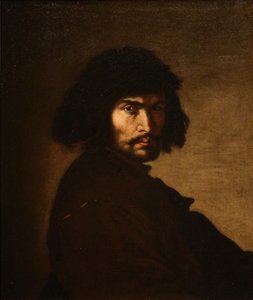
Салватор Роса
1615 - 1673 , Италия
Основные сведения
- Artistic Movement Or Style: Baroque art
- Artists Or Movements Influenced By This Artist: ['Romanticism']
- Artists Who Influenced This Artist: ['José de Ribera']
- Date Of Birth: June 20, 1615
- Date Of Death: 1673
- Full Name: Salvator Rosa
- Nationality: Italian
- Notable Artworks:
- View of the Gulf of Salerno
- Study for 'Il Genio di Rosa
- Grotto with Cascades
- Place Of Birth: Arenella, Sicily