 Предпросмотр
 Поделиться
 Поделиться
 Детали произведения

 Скачать
 Похожие работы
 Рентгенография
 Слайд-шоу
 Статистика
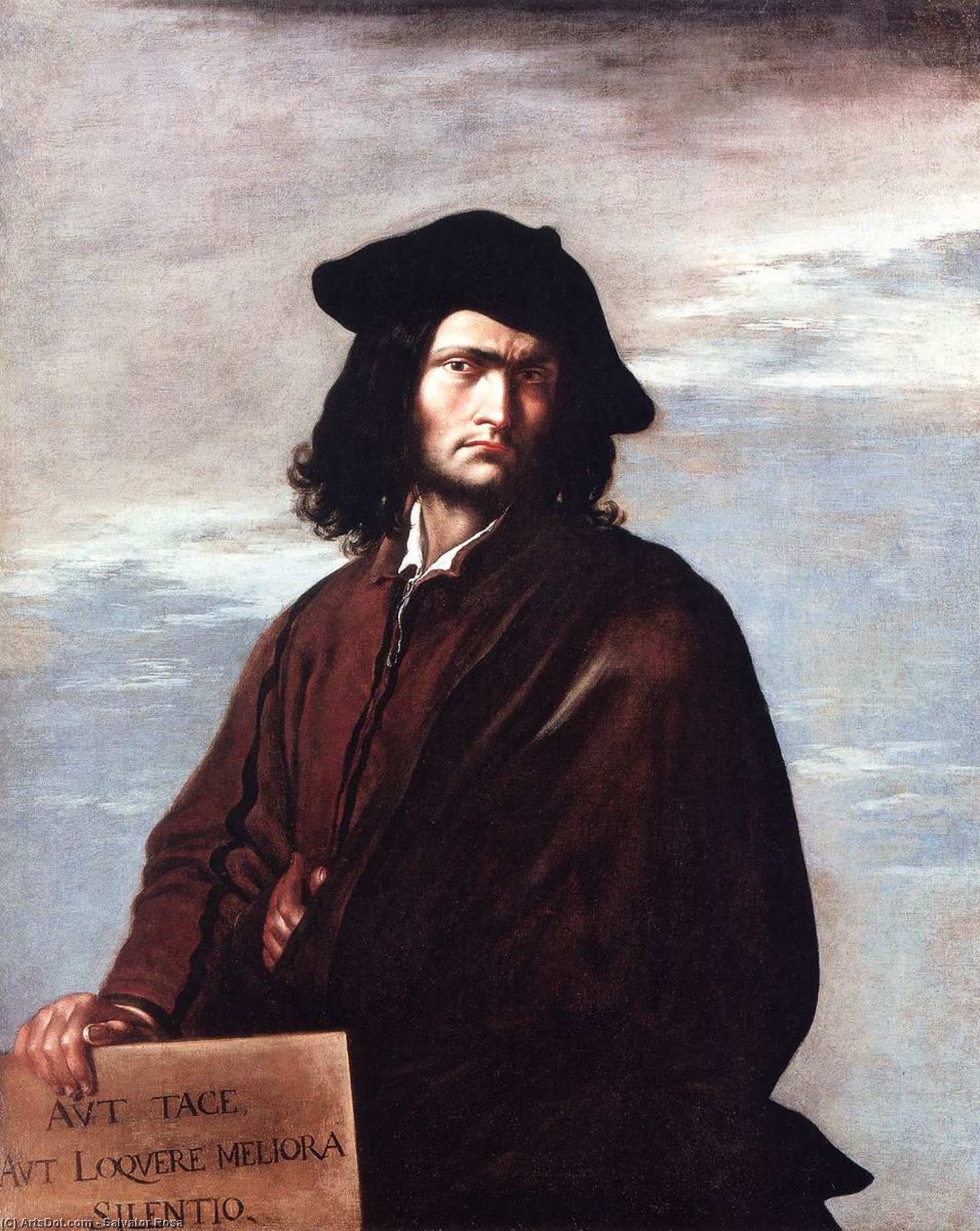
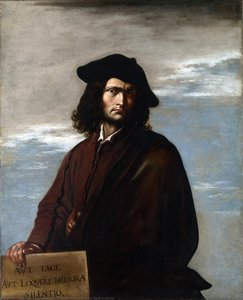
Self-Portrait as Philosopher of Silence
 Acrylic On Canvas
- WallArt
- Baroque Romanticism
 1641
1641 116.0 x 94.0 cm
 Национальная галерея
 Читать далее
Жикле / Арт-принт
Печать (жикле) или холст музейного качества с быстрыми сроками изготовления и широким выбором вариантов отделки. ( Купить картину ручной работы Перейти к цифровым изображениям)




P118B $10

P118H $10

P118W $10

P438Z $10

P508JH $12

P508YH $12

P805H $10

P805Z $10

P919BZ $10

P919G $10

P919XJ $10

P959ZH $10

P968JZ $12

W106C $8

W218G $10

W218JH $8

W218Y $10

W307PJ $10

W316G $10

W316PJ $8

W316Y $10

W398PJ $8

W4111J $10

W500HY $15

W500JH $15

W692G $12

W849H $8

W940BG $15

W953PJ $8




Выберите один из наших стандартных размеров, соответствующих оригинальным пропорциям произведения искусства.

Вы можете указать свои собственные размеры, чтобы репродукция идеально подошла под конкретную раму или пространство. Если выбранный вами размер не будет соответствовать пропорциям оригинала, мы либо обрежем произведение, либо дополним изображение зеркальным отражением краев или однотонной заливкой. Перед началом производства вам будет отправлен цифровой макет для утверждения.
Пожалуйста, обратите внимание, что предварительный просмотр на экране не отображает фактическую обрезку или расширение изображения. Только макет точно покажет финальную композицию.
Несмотря на возможность заказа индивидуальных размеров, мы рекомендуем выбирать размер из предопределенного списка, чтобы сохранить оригинальные пропорции.
Доставка по всему миру () за 2 недели вместо стандартных 4/5 недель. (11 Сентябрь)

Бесплатная экспресс-доставка по всему миру

Высококачественный льняной холст

Полное страхование доставки

Гарантия возмещения таможенных пошлин

Гарантия точного соответствия цветов

100-дневная политика возврата (только при обнаружении дефектов)

Гарантия возврата 100% средств

Предложение оптовых скидок
 Вариант со стеклом доступен только для размеров менее 110 см

Self-Portrait as Philosopher of Silence
Жикле / Арт-принт
Размер репродукции
-


Итоговая стоимость
$ 62
Salvator Rosa’s Silent Reflection: An Exploration of Philosophy and Landscape
Salvator Rosa stands apart from his contemporaries as an artist who defied convention and embraced the raw beauty of nature alongside profound philosophical contemplation. Born in Arenella, Naples, in 1615, Rosa's artistic journey was marked by a rebellious spirit that challenged established aesthetic norms—a characteristic that earned him both admiration and censure within the intellectual circles of his time. He cultivated an extraordinary versatility, mastering painting, printmaking, poetry, acting, and music, cementing his legacy as one of Italy’s most multifaceted creative figures. Rosa's distinctive style is instantly recognizable: he eschewed polished surfaces and idealized forms in favor of dramatic landscapes imbued with turbulent skies and rugged terrain—a stylistic choice that reflects his fascination with the untamed wilderness and its capacity to inspire awe and introspection. Influenced by artists like Ribera and Poussin, Rosa nevertheless forged a path uniquely his own, prioritizing emotional intensity over formal adherence to classical ideals. This approach is vividly demonstrated in works such as “Torture of Prometheus,” where he depicts Zeus’s cruel punishment of the Titan Prometheus with unflinching realism—a testament to his commitment to portraying human suffering and moral dilemmas with uncompromising honesty. The painting "Self-Portrait as Philosopher of Silence," created around 1645, exemplifies Rosa's artistic vision perfectly. It is a masterful depiction of himself standing against a stormy sky, holding aloft a tablet inscribed with the Latin phrase “Aut tace / Aut Loquere meliora / Silentiio” (“Either be silent or say something better than silence”). This enigmatic maxim encapsulates Rosa’s philosophical stance—a belief that true wisdom lies in restraint and thoughtful deliberation. The artist's gaze is directed downwards, conveying a solemn seriousness as he confronts the viewer with an expression of melancholy contemplation. Rosa’s meticulous technique—characterized by rapid brushstrokes and a masterful manipulation of light and shadow—contributes significantly to the painting’s emotional impact. He employs a palette dominated by muted browns and greys, mirroring the bleakness of the landscape and reinforcing the pervasive sense of sorrow that permeates the composition. The inclusion of a skull symbolizes mortality and serves as a poignant reminder of the ephemeral nature of human existence—a theme recurrent throughout Rosa's oeuvre. “Self-Portrait as Philosopher of Silence” is more than just a depiction of an individual; it’s a meditation on the relationship between silence and eloquence, between contemplation and action. Rosa invites us to consider the profound wisdom inherent in quiet reflection—a perspective that aligns with Stoic philosophy and underscores the importance of inner resilience amidst external adversity. This artwork continues to resonate with audiences today, offering a timeless message about confronting existential anxieties with courage and grace.- Artist: Salvator Rosa
- Born Year: 1615
- Death Year: 1673
- Birth City: Arenella
- Birth Country: Italy
- Style: Baroque
- Technique: Oil on Canvas
- Size: 116 x 94 cm
- Date: 1641
- Historical Context: Seventeenth-Century Italy – Artistic Rebellion and Philosophical Inquiry
- Symbolism: Skull (Mortality), Tablet (“Silence”), Cypress wreath (Mourning)
- Emotional Impact: Contemplation, Sorrow, Resilience
- Further Research Links:
- Self-Portrait as Philosopher of Silence
- Torture of Prometheus (Salvator Rosa)
- Salvator Rosa - Self-Portrait
- Additional Resources:
- Salvator Rosa
- Salvator Rosa: A Baroque Rebel’s Vision of Landscape, Allegory & the Human Condition
- ArtsDot.com Reproduction Availability:
- High-Quality Hand-Painted Reproductions Available
Похожие произведения
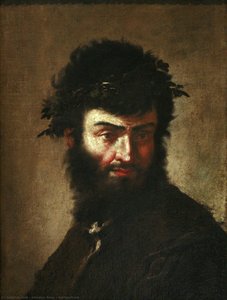
Биография художника
Salvator Rosa (1615 - 1673)
Salvator Rosa, an italian baroque painter, poet, and printmaker, was born in arenella, naples, on either june 20 or july 21, 1615. his mother, giulia greca rosa, was a member of one of the greek families of sicily. despite his father's wishes for him to become a lawyer or priest, salvator showed a preference for the arts from an early age.- Early Life and Training: Salvator Rosa’s artistic journey began in arenella, where he received formative instruction from his brother-in-law Francesco Fracanzano and later honed his skills under Aniello Falcone and Giuseppe de Ribera. This exposure to prominent baroque masters instilled in him a distinctive style characterized by dramatic landscapes and psychological depth.
- Artistic Style: Rosa’s artistic approach defied convention, rejecting the rigid formalism of his contemporaries and embracing an expressive freedom that would later resonate with Romantic artists. He skillfully blended naturalism—inspired by Ribera—with classical influences from Poussin, creating images imbued with philosophical contemplation.
Notable Works
Rosa’s oeuvre encompassed a remarkable range of subjects, reflecting his intellectual curiosity and artistic versatility. Among his most celebrated paintings are "View of the Gulf of Salerno", a breathtaking depiction of the Campania coast capturing the raw beauty of nature; "Study for 'Il Genio di Rosa", an unfinished masterpiece showcasing Rosa’s experimental technique and visionary imagination; and "Grotto with Cascades", a sublime portrayal of a secluded waterfall scene embodying the grandeur of the baroque aesthetic. These works stand as testament to his unparalleled ability to convey emotion and intellectual insight through visual art.Influences and Artistic Legacy
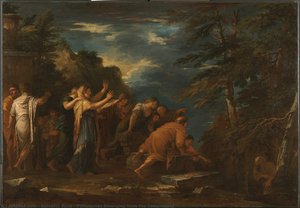
Rosa’s artistic sensibilities were profoundly shaped by thinkers like Pythagoras, whose philosophical ideas permeated his paintings—particularly "Pythagoras Emerging From The Underworld". This monumental composition exemplifies Rosa's commitment to exploring profound themes of mortality and regeneration through symbolic imagery. Furthermore, he drew inspiration from Giuseppe de Ribera’s naturalistic style and Luca Giordano’s theatrical flair, integrating these influences into his own distinctive artistic vision. His influence extended beyond his immediate contemporaries, inspiring subsequent generations of artists who championed expressive liberty and pursued innovative approaches to landscape painting.Historical Significance
Salvator Rosa occupies a pivotal position in the history of baroque art—a movement characterized by grandeur, emotion, and dramatic theatricality. He challenged prevailing artistic conventions, advocating for an uncompromising pursuit of artistic freedom and rejecting the constraints imposed by academic dogma. His rebellious spirit foreshadowed the Romantic sensibility, securing his place as a precursor to this influential artistic movement and cementing his enduring legacy as one of italy’s most original and visionary painters. Rosa's poetic output further solidified his reputation as a multifaceted intellectual figure—a painter, poet, and printmaker who embodied the ideals of the baroque era.Important Links
Explore more about Salvator Rosa: Salvator Rosa on ArtsDot Wikipedia: Salvator Rosa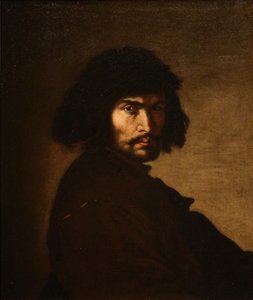
Салватор Роса
1615 - 1673 , Италия
Основные сведения
- Artistic Movement Or Style: Baroque art
- Artists Or Movements Influenced By This Artist: ['Romanticism']
- Artists Who Influenced This Artist: ['José de Ribera']
- Date Of Birth: June 20, 1615
- Date Of Death: 1673
- Full Name: Salvator Rosa
- Nationality: Italian
- Notable Artworks:
- View of the Gulf of Salerno
- Study for 'Il Genio di Rosa
- Grotto with Cascades
- Place Of Birth: Arenella, Sicily
Похожие статьи

10 Шедевров Барокко: Искусство, изменившее мир | ArtsDot.com
Погрузитесь в мир барокко! 10 шедевров Караваджо, Рембрандта и других великих художников. Узнайте историю создания культовых картин и найдите идеальную репродукцию для вашего интерьера на ArtsDot.com
Simon Vouet: A Baroque Master's Journey from Italian Influence to French Classicism
Explore the life & art of Simon Vouet, a pivotal French Baroque painter who introduced Italian styles to France. Discover his masterpieces and lasting influence on 17th-century art.

The Visceral Stage: Exploring Dramatic Narratives & Emotional Intensity in Baroque Art
Explore the dramatic world of Baroque art! Discover iconic masters like Caravaggio & Rembrandt, their techniques, and the movement's lasting impact. Expert insights for collectors & enthusiasts at ArtsDot.

Барочная драма: Искусство величия в современном интерьере
Погрузитесь в мир роскоши и величия барокко! Узнайте об истории стиля, ключевых элементах интерьера и архитектуре. Вдохновляйтесь с и создайте свой неповторимый дизайн.
Salvator Rosa: A Baroque Rebel's Vision of Landscape, Allegory & the Human Condition
Explore the captivating world of Salvator Rosa, a rebellious Baroque master. Discover his dramatic landscapes, allegorical paintings & lasting influence on Romanticism. Hand-painted reproductions available at ArtsDot.