

 Предпросмотр
 Поделиться
 Поделиться
 Детали произведения

 Скачать
 Похожие работы
 Рентгенография
 Слайд-шоу
 Статистика
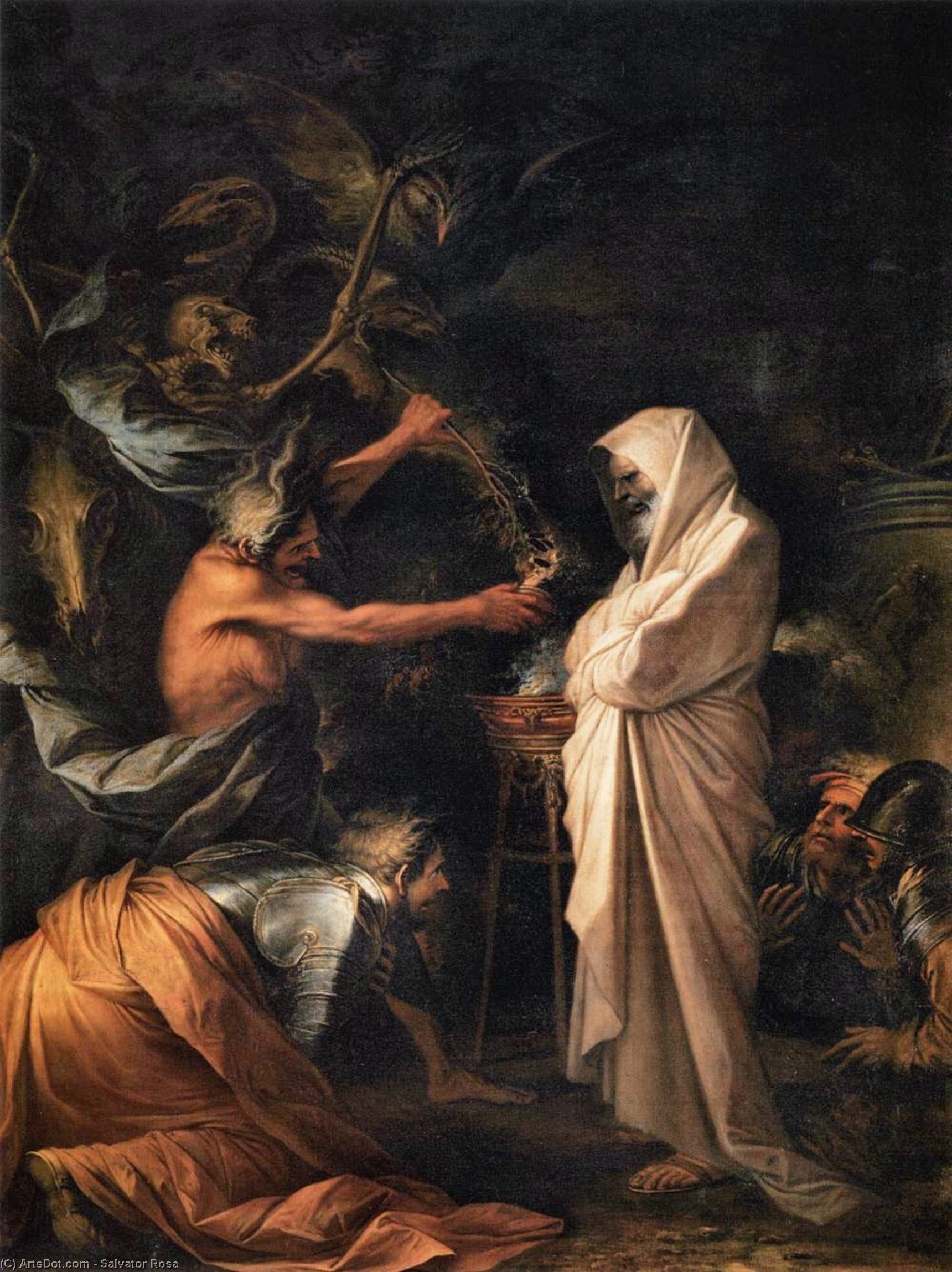
The Shade of Samuel Appears to Saul
 Oil On Canvas
- WallArt
- Baroque
 1668
1668- Early Modern
 275.0 x 191.0 cm
 Лувр
Лувр
 Читать далее
Приобретите цифровое изображение высокого разрешения в улучшенном качестве, которое значительно превосходит онлайн-превью.
Каждый файл тщательно подготавливается нашими специалистами с использованием передовых инструментов и экспертной ручной ретуши. Мы гарантируем исключительную четкость, точную цветопередачу и детальную проработку каждого изображения.
Финальный файл доставляется по электронной почте в течение 72 часов и оптимизирован для немедленного использования в профессиональной среде, при верстке и печати. Это тот же уровень качества, которому доверяют ведущие дизайнерские студии, издательства и галереи.
Цифровое изображение
Скачайте файл высокого разрешения для личного использования, печати и творческих проектов. ( Перейти к печати Купить картину ручной работы)
Включено в каждый заказ цифровых изображений
Гарантия экспертной цифровой доставки
Выбирая ArtsDot.com, вы получаете не просто изображение — вы приобретаете профессионально обработанное цифровое произведение искусства, созданное с безупречной точностью и под защитой гарантии качества. Вот всё, что автоматически входит в ваш заказ:

Мгновенная доставка по e-mail
Ваш цифровой файл в высоком разрешении будет отправлен вам по электронной почте в течение 72 часов после оформления заказа — и сразу станет доступен для использования.

Цифровой файл с ИИ-улучшением
Ваше произведение искусства проходит профессиональную оптимизацию с использованием передовых инструментов ИИ и ручной обработки, что гарантирует максимальную детализацию, четкость и точность цветопередачи.

Бессрочная бесплатная повторная доставка
Случайно удалили или потеряли файл? Не беспокойтесь — мы отправим его вам повторно в любое время и совершенно бесплатно.

Без импортных пошлин — навсегда
Наслаждайтесь вашим произведением искусства мгновенно без таможенных пошлин, сборов или затрат на доставку — цифровые загрузки всегда не облагаются налогом.

Гарантия точности цветопередачи
Мы гарантируем, что ваше цифровое изображение максимально точно передает оригинальные цвета благодаря использованию профессиональных инструментов и систем управления цветом.

Гарантия удовлетворенности 100 дней
Если вы не будете удовлетворены своим цифровым изображением, мы внесем правки или вернем 100% стоимости в течение 100 дней — без лишних вопросов.

100% Гарантия возврата средств
Не удовлетворены покупкой? Получите полный возврат средств в течение 100 дней после получения цифрового файла — без лишних вопросов.

Скидки на оптовые заказы
Купите 3 изображения, сэкономьте 10% — Купите 5, сэкономьте 15% — Купите 10+, сэкономьте 20%. Отличное решение для творческих проектов, галерей и агентств.
The Shade of Samuel Appears to Saul – A Dramatic Encounter Illuminated by Baroque Genius
Salvator Rosa’s “The Shade of Samuel Appears to Saul,” painted in 1668, transcends mere depiction; it embodies the turbulent spirit of the Baroque era and delivers a profound meditation on faith, repentance, and divine judgment. This monumental canvas—measuring 275 x 191 cm—captures a pivotal moment from biblical narrative: King Saul’s desperate plea for guidance amidst impending defeat against the Philistines.
Rosa, renowned for his uncompromising artistic vision and masterful command of chiaroscuro, eschewed formal conventions to prioritize emotional intensity. Unlike many artists of his time who adhered to idealized representations, Rosa embraced a naturalist style influenced by Rubens and poussin, grounding his subject matter in palpable reality—the gritty textures of stone, the dampness of twilight, and the visceral horror of mortal suffering.
- Subject Matter & Narrative Depth: The painting recounts the tale from Samuel I (28), where Saul seeks counsel from the prophet Samuel after a devastating military setback. Rosa skillfully portrays the scene’s psychological drama—Saul's vulnerability, Samuel’s solemn pronouncements of doom for Saul and his lineage—creating an atmosphere charged with religious significance.
- Style & Technique: Rosa’s technique is characterized by dramatic lighting – a masterful use of chiaroscuro – which sculpts the figures and emphasizes their emotional states. The subdued palette, dominated by earthy tones punctuated by flashes of white, contributes to the painting's solemn mood. Notice how Rosa meticulously renders the textures of Samuel’s robe and the stone upon which he stands, conveying an impression of palpable physicality.
- Historical Context: Painted during a period marked by religious fervor and political instability in Italy—specifically Naples—Rosa’s work reflects the Baroque preoccupation with portraying human experience at its most dramatic. The painting aligns itself with broader artistic trends exploring themes of mortality, repentance, and divine retribution, mirroring the anxieties of the time.
- Symbolism & Imagery: The central figure of Samuel embodies prophetic authority and divine grace, while Saul’s kneeling posture signifies humility and despair. The spectral monsters hovering in the gloom represent the forces of evil confronting faith—a visual metaphor for the spiritual battle waged by Saul. Furthermore, the torch symbolizes Saul's sin and his defiance against God’s will.
- Emotional Impact: “The Shade of Samuel Appears to Saul” resonates powerfully with viewers due to its unflinching portrayal of human suffering and its exploration of existential themes. Rosa’s masterful composition compels contemplation on faith, repentance, and the consequences of transgression—leaving an indelible impression on anyone who encounters it.
Rosa's artistic legacy extends beyond this single masterpiece; his landscapes captivated audiences with their depiction of untamed nature and conveyed a profound appreciation for the sublime. This painting stands as testament to Rosa’s ability to fuse philosophical contemplation with artistic brilliance, cementing its place among the most evocative works of Baroque art.
Похожие произведения



Биография художника
Salvator Rosa (1615 - 1673)
Salvator Rosa, an italian baroque painter, poet, and printmaker, was born in arenella, naples, on either june 20 or july 21, 1615. his mother, giulia greca rosa, was a member of one of the greek families of sicily. despite his father's wishes for him to become a lawyer or priest, salvator showed a preference for the arts from an early age.- Early Life and Training: Salvator Rosa’s artistic journey began in arenella, where he received formative instruction from his brother-in-law Francesco Fracanzano and later honed his skills under Aniello Falcone and Giuseppe de Ribera. This exposure to prominent baroque masters instilled in him a distinctive style characterized by dramatic landscapes and psychological depth.
- Artistic Style: Rosa’s artistic approach defied convention, rejecting the rigid formalism of his contemporaries and embracing an expressive freedom that would later resonate with Romantic artists. He skillfully blended naturalism—inspired by Ribera—with classical influences from Poussin, creating images imbued with philosophical contemplation.
Notable Works
Rosa’s oeuvre encompassed a remarkable range of subjects, reflecting his intellectual curiosity and artistic versatility. Among his most celebrated paintings are "View of the Gulf of Salerno", a breathtaking depiction of the Campania coast capturing the raw beauty of nature; "Study for 'Il Genio di Rosa", an unfinished masterpiece showcasing Rosa’s experimental technique and visionary imagination; and "Grotto with Cascades", a sublime portrayal of a secluded waterfall scene embodying the grandeur of the baroque aesthetic. These works stand as testament to his unparalleled ability to convey emotion and intellectual insight through visual art.Influences and Artistic Legacy
Rosa’s artistic sensibilities were profoundly shaped by thinkers like Pythagoras, whose philosophical ideas permeated his paintings—particularly "Pythagoras Emerging From The Underworld". This monumental composition exemplifies Rosa's commitment to exploring profound themes of mortality and regeneration through symbolic imagery. Furthermore, he drew inspiration from Giuseppe de Ribera’s naturalistic style and Luca Giordano’s theatrical flair, integrating these influences into his own distinctive artistic vision. His influence extended beyond his immediate contemporaries, inspiring subsequent generations of artists who championed expressive liberty and pursued innovative approaches to landscape painting.Historical Significance
Salvator Rosa occupies a pivotal position in the history of baroque art—a movement characterized by grandeur, emotion, and dramatic theatricality. He challenged prevailing artistic conventions, advocating for an uncompromising pursuit of artistic freedom and rejecting the constraints imposed by academic dogma. His rebellious spirit foreshadowed the Romantic sensibility, securing his place as a precursor to this influential artistic movement and cementing his enduring legacy as one of italy’s most original and visionary painters. Rosa's poetic output further solidified his reputation as a multifaceted intellectual figure—a painter, poet, and printmaker who embodied the ideals of the baroque era.Important Links
Explore more about Salvator Rosa: Salvator Rosa on ArtsDot Wikipedia: Salvator Rosa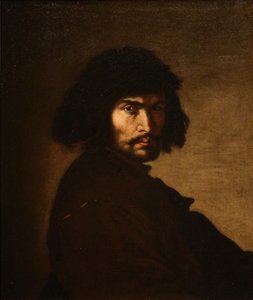
Салватор Роса
1615 - 1673 , Италия
Основные сведения
- Artistic Movement Or Style: Baroque art
- Artists Or Movements Influenced By This Artist: ['Romanticism']
- Artists Who Influenced This Artist: ['José de Ribera']
- Date Of Birth: June 20, 1615
- Date Of Death: 1673
- Full Name: Salvator Rosa
- Nationality: Italian
- Notable Artworks:
- View of the Gulf of Salerno
- Study for 'Il Genio di Rosa
- Grotto with Cascades
- Place Of Birth: Arenella, Sicily