 Предпросмотр
 Поделиться
 Поделиться
 Детали произведения

 Скачать
 Похожие работы
 Рентгенография
 Слайд-шоу
 Статистика
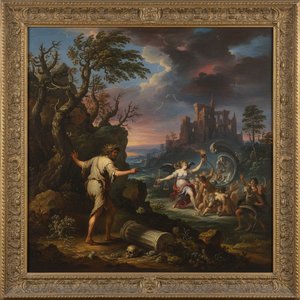
View of the Gulf of Salerno
 Oil On Canvas
- WallArt
- Baroque Landscape
 1640
1640 170.0 x 260.0 cm
 Музей Прадо
 Читать далее
Жикле / Арт-принт
Печать (жикле) или холст музейного качества с быстрыми сроками изготовления и широким выбором вариантов отделки. ( Купить картину ручной работы Перейти к цифровым изображениям)




P118B $10

P118H $10

P118W $10

P438Z $10

P508JH $12

P508YH $12

P805H $10

P805Z $10

P919BZ $10

P919G $10

P919XJ $10

P959ZH $10

P968JZ $12

W106C $8

W218G $10

W218JH $8

W218Y $10

W307PJ $10

W316G $10

W316PJ $8

W316Y $10

W398PJ $8

W4111J $10

W500HY $15

W500JH $15

W692G $12

W849H $8

W940BG $15

W953PJ $8




Выберите один из наших стандартных размеров, соответствующих оригинальным пропорциям произведения искусства.

Вы можете указать свои собственные размеры, чтобы репродукция идеально подошла под конкретную раму или пространство. Если выбранный вами размер не будет соответствовать пропорциям оригинала, мы либо обрежем произведение, либо дополним изображение зеркальным отражением краев или однотонной заливкой. Перед началом производства вам будет отправлен цифровой макет для утверждения.
Пожалуйста, обратите внимание, что предварительный просмотр на экране не отображает фактическую обрезку или расширение изображения. Только макет точно покажет финальную композицию.
Несмотря на возможность заказа индивидуальных размеров, мы рекомендуем выбирать размер из предопределенного списка, чтобы сохранить оригинальные пропорции.
Доставка по всему миру () за 2 недели вместо стандартных 4/5 недель. (13 Сентябрь)

Бесплатная экспресс-доставка по всему миру

Высококачественный льняной холст

Полное страхование доставки

Гарантия возмещения таможенных пошлин

Гарантия точного соответствия цветов

100-дневная политика возврата (только при обнаружении дефектов)

Гарантия возврата 100% средств

Предложение оптовых скидок
 Вариант со стеклом доступен только для размеров менее 110 см

View of the Gulf of Salerno
Жикле / Арт-принт
Размер репродукции
-


Итоговая стоимость
$ 62
Salvator Rosa’s “View of the Gulf of Salerno”: A Symphony of Light and Landscape
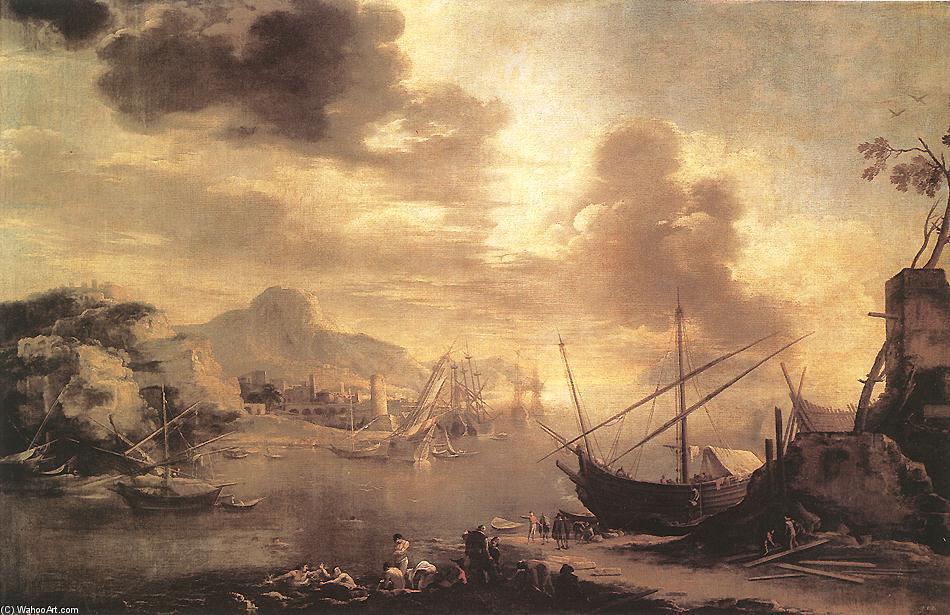
Salvator Rosa's "View of the Gulf of Salerno," painted around 1640, isn’t merely a depiction of a coastal scene; it’s an immersive experience—a window into the artist’s soul and his profound connection to the rugged beauty of Southern Italy. Housed within the Museo del Prado in Madrid, this oil on canvas transports the viewer to a moment suspended between twilight and dawn, capturing the ethereal quality of a Mediterranean evening. The painting immediately commands attention not through dramatic figures or overt narrative, but through its masterful manipulation of light and atmosphere—a hallmark of Rosa’s distinctive style.
Rosa, a figure perpetually challenging artistic conventions, rejected the polished elegance favored by his contemporaries in Rome. Instead, he embraced a raw, almost violent realism, often depicting subjects from the margins of society: bandits, fishermen, and the untamed wilderness. “View of the Gulf of Salerno” embodies this approach perfectly. The landscape isn’t idealized; it's presented with its inherent imperfections—the craggy cliffs, the turbulent sea, and the bruised-purple hues of the sky all speak to a world both beautiful and unforgiving. This deliberate rejection of conventional beauty aligns with the emerging Romantic sensibility that would later define European art.
The Language of Chiaroscuro: Light and Shadow as Narrative
Rosa’s technique is deeply rooted in the principles of chiaroscuro, a dramatic contrast between light and shadow—a technique perfected by Caravaggio. Here, it's not simply used for technical effect but to imbue the scene with emotional weight. The foreground is bathed in a soft, diffused glow, highlighting the small boats moored along the shoreline and suggesting a sense of tranquility. However, this serenity is immediately undercut by the looming darkness that dominates the background—the distant hills shrouded in mist, hinting at hidden dangers and an uncertain future. This interplay of light and shadow isn’t merely descriptive; it's profoundly symbolic, reflecting the inherent duality of nature – its capacity for both beauty and destruction.
The artist’s brushstrokes are visible, adding a tactile quality to the painting that invites close inspection. Notice how he builds up layers of paint in the clouds, creating a sense of movement and turbulence. The foliage is rendered with a loose, expressive style, capturing the texture of leaves and branches without sacrificing overall clarity. This deliberate imperfection contributes to the painting’s authenticity—it feels as though we are witnessing a fleeting moment captured on canvas, rather than a carefully constructed illusion.
A Window into 17th-Century Italy: Symbolism and Context
To fully appreciate “View of the Gulf of Salerno,” it's essential to understand its historical context. Painted during a period of political instability in Italy—the aftermath of the Sack of Rome and the rise of powerful regional states—the painting reflects a broader sense of unease and uncertainty. The rugged landscape, with its hints of danger and isolation, can be interpreted as a metaphor for the turbulent state of Italian society at the time. Rosa’s frequent depictions of solitary figures – often engaged in humble or even desperate activities – further reinforce this theme.
The inclusion of small boats and fishermen speaks to the vital role that the sea played in the lives of the people of Southern Italy. These modest vessels, navigating the unpredictable waters of the Gulf of Salerno, represent a connection to tradition and resilience—a testament to the enduring spirit of the region. The painting also subtly references the mythology of Prometheus, chained to a rock as an eternal punishment for defying the gods – a theme that Rosa frequently explored in his work, often imbuing it with a sense of moral allegory.
An Emotional Resonance: Beauty and Melancholy
Ultimately, “View of the Gulf of Salerno” is more than just a landscape painting; it’s an exploration of human emotion. The painting evokes a profound sense of melancholy—a feeling of longing for something lost or unattainable. Yet, there's also a quiet beauty to be found in its ruggedness and vulnerability. It’s a reminder that even in the darkest corners of the world, there is still light to be found – a glimmer of hope amidst the shadows. Rosa’s masterful use of color, light, and texture creates an experience that lingers long after the viewer has turned away, inviting contemplation and reflection on the enduring power of nature and the human spirit.
Похожие произведения
Биография художника
Salvator Rosa (1615 - 1673)
Salvator Rosa, an italian baroque painter, poet, and printmaker, was born in arenella, naples, on either june 20 or july 21, 1615. his mother, giulia greca rosa, was a member of one of the greek families of sicily. despite his father's wishes for him to become a lawyer or priest, salvator showed a preference for the arts from an early age.- Early Life and Training: Salvator Rosa’s artistic journey began in arenella, where he received formative instruction from his brother-in-law Francesco Fracanzano and later honed his skills under Aniello Falcone and Giuseppe de Ribera. This exposure to prominent baroque masters instilled in him a distinctive style characterized by dramatic landscapes and psychological depth.
- Artistic Style: Rosa’s artistic approach defied convention, rejecting the rigid formalism of his contemporaries and embracing an expressive freedom that would later resonate with Romantic artists. He skillfully blended naturalism—inspired by Ribera—with classical influences from Poussin, creating images imbued with philosophical contemplation.
Notable Works
Rosa’s oeuvre encompassed a remarkable range of subjects, reflecting his intellectual curiosity and artistic versatility. Among his most celebrated paintings are "View of the Gulf of Salerno", a breathtaking depiction of the Campania coast capturing the raw beauty of nature; "Study for 'Il Genio di Rosa", an unfinished masterpiece showcasing Rosa’s experimental technique and visionary imagination; and "Grotto with Cascades", a sublime portrayal of a secluded waterfall scene embodying the grandeur of the baroque aesthetic. These works stand as testament to his unparalleled ability to convey emotion and intellectual insight through visual art.Influences and Artistic Legacy
Rosa’s artistic sensibilities were profoundly shaped by thinkers like Pythagoras, whose philosophical ideas permeated his paintings—particularly "Pythagoras Emerging From The Underworld". This monumental composition exemplifies Rosa's commitment to exploring profound themes of mortality and regeneration through symbolic imagery. Furthermore, he drew inspiration from Giuseppe de Ribera’s naturalistic style and Luca Giordano’s theatrical flair, integrating these influences into his own distinctive artistic vision. His influence extended beyond his immediate contemporaries, inspiring subsequent generations of artists who championed expressive liberty and pursued innovative approaches to landscape painting.Historical Significance
Salvator Rosa occupies a pivotal position in the history of baroque art—a movement characterized by grandeur, emotion, and dramatic theatricality. He challenged prevailing artistic conventions, advocating for an uncompromising pursuit of artistic freedom and rejecting the constraints imposed by academic dogma. His rebellious spirit foreshadowed the Romantic sensibility, securing his place as a precursor to this influential artistic movement and cementing his enduring legacy as one of italy’s most original and visionary painters. Rosa's poetic output further solidified his reputation as a multifaceted intellectual figure—a painter, poet, and printmaker who embodied the ideals of the baroque era.Important Links
Explore more about Salvator Rosa: Salvator Rosa on ArtsDot Wikipedia: Salvator Rosa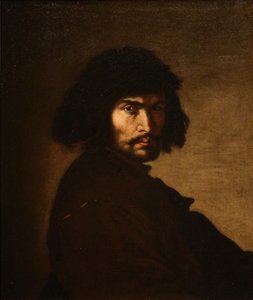
Салватор Роса
1615 - 1673 , Италия
Основные сведения
- Artistic Movement Or Style: Baroque art
- Artists Or Movements Influenced By This Artist: ['Romanticism']
- Artists Who Influenced This Artist: ['José de Ribera']
- Date Of Birth: June 20, 1615
- Date Of Death: 1673
- Full Name: Salvator Rosa
- Nationality: Italian
- Notable Artworks:
- View of the Gulf of Salerno
- Study for 'Il Genio di Rosa
- Grotto with Cascades
- Place Of Birth: Arenella, Sicily
Похожие статьи

Романтический пейзаж: 10 шедевров, изменивших искусство | ArtsDot.com
Погрузитесь в мир романтического пейзажа! 10 шедевров Фридриха, Тёрнера и других гениев. Узнайте историю создания культовых картин и вдохновитесь для декора интерьера. Репродукции высокого качества на ArtsDot.com.

Джон Констебль: 25 шедевров английского пейзажа для вашего интерьера
Погрузитесь в мир английского пейзажа с Джоном Констеблом! 25 шедевров романтизма, история создания картин и вдохновение для вашего интерьера. Репродукции высокого качества на ArtsDot.com – искусство для ценителей.

Evocations of Place: A Historical Journey Through Landscape Art
Explore the rich history of landscape art with ArtsDot. Discover renowned artists, movements like Impressionism & Romanticism, and expert guidance for collecting timeless pieces. Find your perfect serene escape today!
Cornelis van Poelenburch: Bridging Mannerism & the Dutch Baroque Landscape
Discover Cornelis van Poelenburch, a pivotal Dutch Baroque landscape painter bridging Mannerism & Italianate styles. Explore his life, key works, and lasting influence on 17th-century art with ArtsDot.
Salvator Rosa: A Baroque Rebel's Vision of Landscape, Allegory & the Human Condition
Explore the captivating world of Salvator Rosa, a rebellious Baroque master. Discover his dramatic landscapes, allegorical paintings & lasting influence on Romanticism. Hand-painted reproductions available at ArtsDot.