

 Предпросмотр
 Поделиться
 Поделиться
 Детали произведения

 Скачать
 Похожие работы
 Рентгенография
 Слайд-шоу
 Статистика
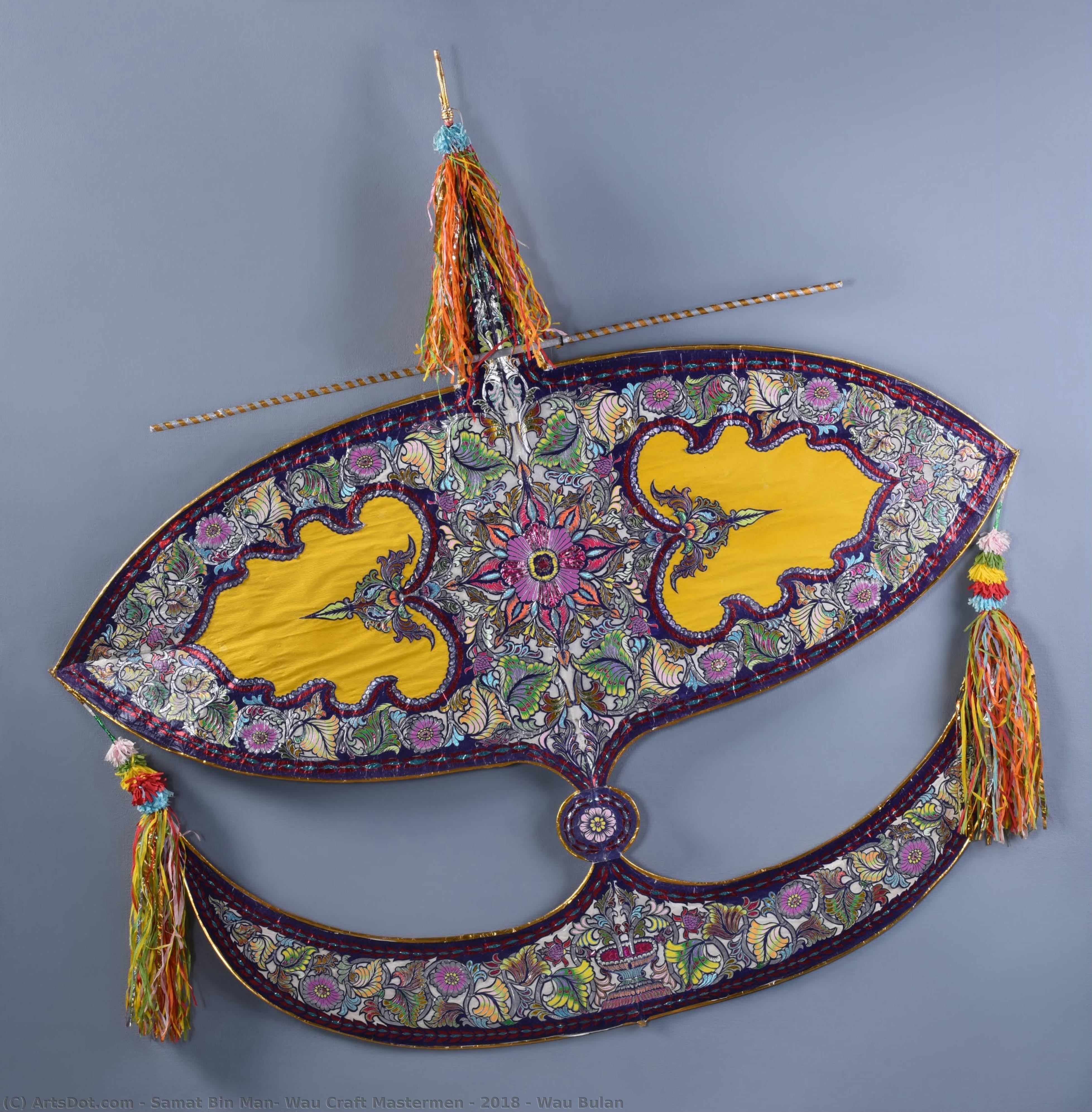
Wau Bulan


 Читать далее
Масляная репродукция ручной работы
Картина маслом на холсте в выбранном вами размере и раме, написанная на заказ нашими художниками. ( Перейти к печати Перейти к цифровым изображениям)




P118B $10

P118H $10

P118W $10

P438Z $10

P508JH $12

P508YH $12

P805H $10

P805Z $10

P919BZ $10

P919G $10

P919XJ $10

P959ZH $10

P968JZ $12

W106C $8

W218G $10

W218JH $8

W218Y $10

W307PJ $10

W316G $10

W316PJ $8

W316Y $10

W398PJ $8

W4111J $10

W500HY $15

W500JH $15

W692G $12

W849H $8

W940BG $15

W953PJ $8




Выберите один из наших стандартных размеров, соответствующих оригинальным пропорциям произведения искусства.

Вы можете указать собственные размеры, чтобы картина идеально вписалась в выбранную раму или пространство. Если выбранный вами размер не соответствует пропорциям оригинала, мы либо обрежем полотно, либо расширим его за счет дополнительных элементов, написанных вручную. Цифровой макет будет отправлен вам на утверждение перед началом производства.
Обратите внимание, что предварительный просмотр на экране не отражает фактическую обрезку или расширение. Только макет точно покажет окончательную композицию.
Хотя доступны индивидуальные размеры, мы рекомендуем выбирать вариант из предопределенного списка, чтобы сохранить исходные пропорции.
После оформления заказа команда ArtsDot.com свяжется с клиентом по электронной почте для уточнения деталей и предоставит предварительный макет
Доставка по всему миру () за 3–4 недели вместо стандартных 5 недель. (12 Сентябрь). Без компромиссов в качестве.

Бесплатная экспресс-доставка по всему миру

Высококачественный льняной холст

Полное страхование доставки

Гарантия возмещения таможенных пошлин

Гарантия точного соответствия цветов

100-дневная политика возврата (только при обнаружении дефектов)

Гарантия возврата 100% средств

Предложение оптовых скидок
 Вариант со стеклом доступен только для размеров менее 110 см

Wau Bulan
Техника репродукции
Размер репродукции
-


Итоговая стоимость
$ 263
The Celestial Dance of the Wau Bulan
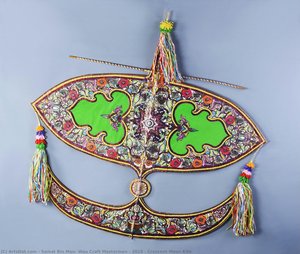
In the heart of Malaysia’s rich cultural tapestry lies an object of both aerodynamic brilliance and profound artistic depth: the Wau Bulan. This particular masterpiece, crafted by the legendary master Samat Bin Man, is far more than a mere kite; it is a soaring testament to the Perlis tradition of craftsmanship. As one gazes upon its vibrant yellow expanse, the eye is immediately drawn into a rhythmic dance of intricate patterns that seem to pulse with life. The artwork captures the essence of the "Crescent Moon" motif, a name derived from the kite's iconic silhouette, which evokes the serene beauty of a lunar night over the Malaysian landscape. Every curve and flourish serves as a window into a world where utility meets high art, making it an irresistible centerpiece for any collection dedicated to Southeast Asian heritage.
The technique employed in this piece reflects a lifetime of devotion to the Adiguru—the master artisan's path. To create such a work, one must respect the painstaking process of hand-crafting bamboo frames and layering delicate motifs that require surgical precision. The composition is characterized by its breathtaking complexity; the way the patterns interact with the bright, sun-drenched background creates a visual tension that is both energetic and harmonious. For the discerning interior designer, this piece offers a striking focal point that brings a sense of movement and cultural storytelling to a room. It is not merely a decoration but a conversation starter, inviting viewers to contemplate the meticulous patience required to transform simple natural materials into a celestial-inspired marvel.
A Legacy Carved in Tradition
To understand the emotional resonance of this Wau Bulan, one must look toward the lineage of its creator. Samat Bin Man, affectionately known as ‘Pak Non,’ carries the weight of history in every stroke of his craft. His work is deeply rooted in the childhood memories of Kuala Perlis, inspired by the winds that swept across his grandfather’s fields. This piece embodies the transition from a folk tradition to a celebrated fine art form, bridging the gap between ancient communal celebrations and the sophisticated galleries of the modern era. The presence of the delicate tassels hanging from the base adds a tactile, grounded element to the ethereal design, reminding us of the kite's physical connection to the earth even as its spirit seeks the heavens.
For collectors and lovers of global folk art, acquiring a reproduction of such a significant work means preserving a vanishing way of life. The Wau Bulan serves as a symbol of resilience and the enduring power of Malaysian identity. Its bright, optimistic palette and the intricate "Water Spinach" motifs offer a sense of joy and vitality that can transform a contemporary living space into a sanctuary of cultural warmth. Whether placed in a sunlit study or an elegant foyer, this artwork radiates an aura of prestige and soulful artistry, making it a timeless investment for those who seek to surround themselves with pieces that possess both historical gravity and aesthetic splendor.
Похожие произведения






Биография художника
The Soul of the Perlis Skies: The Legacy of Samat Bin Man
In the quiet, coastal reaches of Kuala Perlis, where the breeze carries the scent of the sea and the whispers of ancient traditions, a master was born. Samat Bin Man, affectionately known to his community as ‘Pak Non,’ entered the world in 1946, a time when the rhythms of Malaysian life were deeply intertwined with the natural elements. His journey into the sublime art of Wau making did not begin in a formal studio, but rather through the innocent, wide-eyed wonder of childhood. Watching his grandfather launch kites into the vast Malaysian sky, Samat became captivated by the way these paper and bamboo vessels danced with the wind, embodying a sense of freedom and grace that would eventually become the cornerstone of his life’s work.
As he matured, this fascination evolved from mere play into a profound devotion to the Perlis Wau tradition. Unlike the ephemeral nature of modern toys, the Wau is a vessel of cultural memory. Samat’s development as an artist was marked by a transition from observer to creator, as he mastered the grueling and meticulous techniques required to transform raw, natural materials into soaring masterpieces. He learned to respect the structural integrity of bamboo frames and the delicate application of silk and cotton, understanding that every layer of a Wau is a testament to patience and precision.
A Tapestry of Tradition and Symbolism
The work of Samat Bin Man is far more than an exercise in aerodynamics; it is a visual language steeped in the spiritual and cultural identity of Malaysia. His artistry is heavily influenced by the geometric elegance of Islamic art, where intricate patterns serve to reflect the infinite nature of the divine. When one examines his most celebrated creations, such as the Crescent Moon Kite with Water Spinach (Bulan Berpokok Teratai), one sees a profound dialogue between man and nature. The motifs are not merely decorative; they are symbolic narratives. The use of water spinach leaves and vine patterns provides a lush, organic background that grounds the celestial themes of the kite in the terrestrial beauty of the Malaysian landscape.
Color, in Samat’s hands, acts as an emotional conductor. He utilizes a deliberate palette to evoke specific sentiments within the viewer:
- Red: A vibrant hue used to represent courage, vitality, and the pulsing energy of life.
- Blue: A calming shade that symbolizes tranquility and the serene expanse of the sky.
- Yellow: Often seen in his Wau Bulan works, this sun-drenched color evokes a sense of majesty and warmth.
Mastery of the Adiguru Path
To understand Samat Bin Man is to understand the concept of the Adiguru—the master artisan who carries the weight of heritage on their shoulders. His technique involves a level of surgical precision that few can replicate. The process begins with the painstaking hand-crafting of bamboo skeletons, followed by the layering of incredibly complex, hand-cut paper or fabric motifs. This method requires an unparalleled ability to translate fluid, organic shapes into a structured medium without losing the essence of the original design.
His contributions to Malaysian heritage have not gone unnoticed by the nation. The receipt of the Tokoh Adiguru Wau Award in 2016 stands as a monumental achievement, recognizing him not just as a craftsman, but as a guardian of a vanishing art form. Through his dedication, the intricate patterns and the rhythmic dance of the Wau continue to soar, ensuring that the cultural tapestry of Perlis remains vibrant and unbroken for generations to come. His life’s work serves as a bridge between the ancestral past and the contemporary world, proving that true art is a living, breathing legacy.
samat bin man: wau craft mastermen – 2018
1946 - , Malaysia
Основные сведения
- Artistic Movement Or Style: Traditional Wau Art
- Date Of Birth: 1946
- Full Name: Samat Bin Man
- Nationality: Malaysian
- Notable Artworks: ['Crescent Moon Kite with Water Spinach motif']
- Place Of Birth: Kuala Perlis, Malaysia