

 Предпросмотр
 Поделиться
 Поделиться
 Детали произведения

 Скачать
 Похожие работы
 Рентгенография
 Слайд-шоу
 Статистика
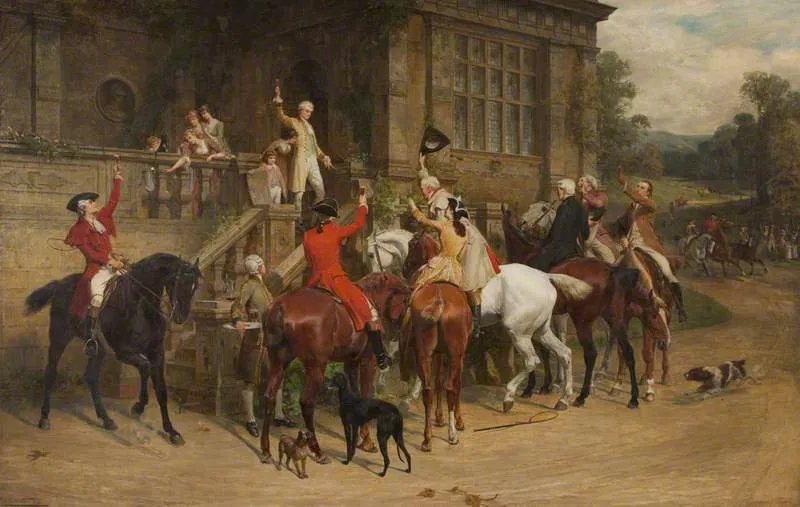
One and Twenty
 1891
1891 163.0 x 259.0 cm
 Harris Museum - Art Gallery
 Читать далее
Приобретите цифровое изображение высокого разрешения в улучшенном качестве, которое значительно превосходит онлайн-превью.
Каждый файл тщательно подготавливается нашими специалистами с использованием передовых инструментов и экспертной ручной ретуши. Мы гарантируем исключительную четкость, точную цветопередачу и детальную проработку каждого изображения.
Финальный файл доставляется по электронной почте в течение 72 часов и оптимизирован для немедленного использования в профессиональной среде, при верстке и печати. Это тот же уровень качества, которому доверяют ведущие дизайнерские студии, издательства и галереи.
Цифровое изображение
Скачайте файл высокого разрешения для личного использования, печати и творческих проектов. ( Перейти к печати Купить картину ручной работы)
Включено в каждый заказ цифровых изображений
Гарантия экспертной цифровой доставки
Выбирая ArtsDot.com, вы получаете не просто изображение — вы приобретаете профессионально обработанное цифровое произведение искусства, созданное с безупречной точностью и под защитой гарантии качества. Вот всё, что автоматически входит в ваш заказ:

Мгновенная доставка по e-mail
Ваш цифровой файл в высоком разрешении будет отправлен вам по электронной почте в течение 72 часов после оформления заказа — и сразу станет доступен для использования.

Цифровой файл с ИИ-улучшением
Ваше произведение искусства проходит профессиональную оптимизацию с использованием передовых инструментов ИИ и ручной обработки, что гарантирует максимальную детализацию, четкость и точность цветопередачи.

Бессрочная бесплатная повторная доставка
Случайно удалили или потеряли файл? Не беспокойтесь — мы отправим его вам повторно в любое время и совершенно бесплатно.

Без импортных пошлин — навсегда
Наслаждайтесь вашим произведением искусства мгновенно без таможенных пошлин, сборов или затрат на доставку — цифровые загрузки всегда не облагаются налогом.

Гарантия точности цветопередачи
Мы гарантируем, что ваше цифровое изображение максимально точно передает оригинальные цвета благодаря использованию профессиональных инструментов и систем управления цветом.

Гарантия удовлетворенности 100 дней
Если вы не будете удовлетворены своим цифровым изображением, мы внесем правки или вернем 100% стоимости в течение 100 дней — без лишних вопросов.

100% Гарантия возврата средств
Не удовлетворены покупкой? Получите полный возврат средств в течение 100 дней после получения цифрового файла — без лишних вопросов.

Скидки на оптовые заказы
Купите 3 изображения, сэкономьте 10% — Купите 5, сэкономьте 15% — Купите 10+, сэкономьте 20%. Отличное решение для творческих проектов, галерей и агентств.
Composition and Elements
The painting depicts a group of people riding horses in front of a building, with several horses visible in the scene. The riders appear to be engaged in various activities, such as holding flags or interacting with each other. A dog is also present in the painting, adding an interesting element to the composition. This suggests that the painting captures a lively outdoor gathering or event. Key elements of the painting include the use of color, light, and shadow to create a sense of depth and atmosphere. The artist's attention to detail is evident in the intricate depiction of the horses, riders, and surrounding environment.Artist and Museum
Samuel Edmund Waller was a talented artist who created this painting as part of his portfolio. The Harris Museum - Art Gallery is a Grade I-listed building that houses an extensive collection of local history and fine art, including works by other notable artists such as William Burgess and Elliott Seabrooke.- One and Twenty is a notable example of Samuel Edmund Waller's work, showcasing his skill in capturing the essence of a lively outdoor scene.
- The painting is part of the collection at the Harris Museum - Art Gallery, which offers a range of artworks and exhibitions for visitors to enjoy.
- For those interested in learning more about the artist and his work, ArtsDot.com provides a wealth of information and resources.
The painting "One and Twenty" by Samuel Edmund Waller is a captivating piece that showcases the artist's skill in capturing the essence of a lively outdoor gathering. With its intricate composition, attention to detail, and use of color and light, this painting is a must-see for art enthusiasts and historians alike.
Похожие произведения










Биография художника
Early Life and Artistic Foundations
Samuel Edmund Waller, born in the picturesque spa town of Gloucester on June 18th, 1850, emerged from a family deeply rooted in the aesthetic sensibilities of Victorian England. His father, Frederick Sandham Waller, was not a painter himself but a respected architect who dedicated his career to meticulously restoring portions of the magnificent Gloucester Cathedral – a formative influence that would profoundly shape young Samuel’s artistic vision. Initially steered towards a military path with education at Cheltenham College, Waller's inherent artistic inclinations soon became undeniable. He transitioned from academic pursuits to the Gloucester School of Art and then immersed himself in architectural studies within his father’s practice. This unique training proved invaluable; it instilled in him a keen understanding of perspective, composition, and detail that would become hallmarks of his genre paintings. The precision of architecture provided a solid foundation upon which he built his narratives, often featuring grand buildings as silent witnesses to the human dramas unfolding before them. In 1868, at the age of eighteen, Waller embarked on another crucial step in his development by entering the prestigious Royal Academy Schools, where he honed his skills and began to forge his own artistic identity. His early works, such as A Winter’s Tale and The Illustrious Stranger, exhibited in 1871, hinted at the storytelling ability that would define his career.Travels, Journalism, and Establishing a Reputation
Waller's thirst for experience extended beyond the confines of the art school studio. In 1872, he undertook an adventurous journey to Iceland, documenting his travels in a beautifully illustrated account titled Six Weeks in the Saddle. This expedition not only broadened his horizons but also cultivated his observational skills and appreciation for dramatic landscapes – qualities that would later surface in subtle ways within his paintings. Upon his return, Waller briefly joined the staff of The Graphic, a leading illustrated newspaper of the time. While journalism provided practical experience, it was painting that truly captured his passion. His breakthrough came with Soldiers of Fortune, exhibited at the Royal Academy in 1874, marking the beginning of a consistent presence at Burlington House for nearly three decades. Waller quickly established himself as a painter of genre scenes, capturing moments of everyday life with a particular focus on sporting pursuits and romantic encounters within an English country setting.Themes and Artistic Style
Waller’s oeuvre is characterized by its evocative depictions of old English country life, imbued with a sense of nostalgia and moral contemplation. He masterfully portrayed the lives of gentry, soldiers, and rural communities, often focusing on themes of love, loss, courage, and social standing. His paintings are not merely representations of scenes; they are carefully constructed narratives that invite viewers to interpret the stories unfolding within them. Jealous (1875), now residing in the National Gallery of Melbourne, exemplifies his ability to convey complex emotions through subtle gestures and expressive faces. Similarly, The Way of the World (1876) and Home? (1877), held by the Art Gallery of New South Wales, explore themes of societal expectations and personal longing. Waller’s technique is marked by meticulous detail, a refined use of light and shadow, and a strong emphasis on architectural backgrounds – a legacy of his father's profession. He possessed an exceptional talent for creating atmospheric settings that enhance the emotional impact of his subjects. His equestrian scenes are particularly noteworthy, showcasing both his skill in depicting horses and his understanding of sporting traditions.Major Achievements and Lasting Legacy
Throughout his career, Waller consistently exhibited at the Royal Academy, earning critical acclaim and a devoted following. Works such as The Empty Saddle (1879), set against the backdrop of Burford Priory in Oxfordshire, Success! (1881) and Sweethearts and Wives (1882), both now housed in the Tate Gallery, cemented his reputation as a leading Victorian genre painter. Later works like The Day of Reckoning (1883), Peril (1886) and The Morning of Agincourt (1888) demonstrate his continued exploration of historical themes and dramatic narratives. Waller’s paintings resonated with a Victorian audience captivated by romantic ideals, moral lessons, and the beauty of rural England. He died in 1903, leaving behind a substantial body of work that continues to be admired for its technical skill, narrative power, and evocative depictions of a bygone era. His ability to blend architectural precision with compelling storytelling ensures his place as a significant figure in Victorian art history, offering a poignant glimpse into the social and emotional landscape of 19th-century England.Influences and Historical Context
Waller’s work reflects the broader artistic currents of the Victorian era, drawing inspiration from both Romanticism and Realism. He shared affinities with artists like William Powell Frith and Frederick Barnard Leete, who also specialized in genre painting and detailed depictions of contemporary life. However, Waller distinguished himself through his unique emphasis on architectural settings and his ability to imbue his scenes with a sense of quiet drama. The Pre-Raphaelite movement’s focus on detail and narrative also exerted an influence, although Waller's style remained more conventional than that of the Pre-Raphaelites. His paintings are products of their time, reflecting Victorian values such as family, duty, and social respectability. They offer valuable insights into the lives and aspirations of the English middle class during a period of rapid social change and industrial growth. The enduring appeal of Waller’s work lies in its ability to transport viewers to another era, evoking a sense of nostalgia for a romanticized past while simultaneously prompting reflection on universal themes of love, loss, and human connection.
samuel edmund waller
1850 - 1903