

 Предпросмотр
 Поделиться
 Поделиться
 Детали произведения

 Скачать
 Похожие работы
 Рентгенография
 Слайд-шоу
 Статистика
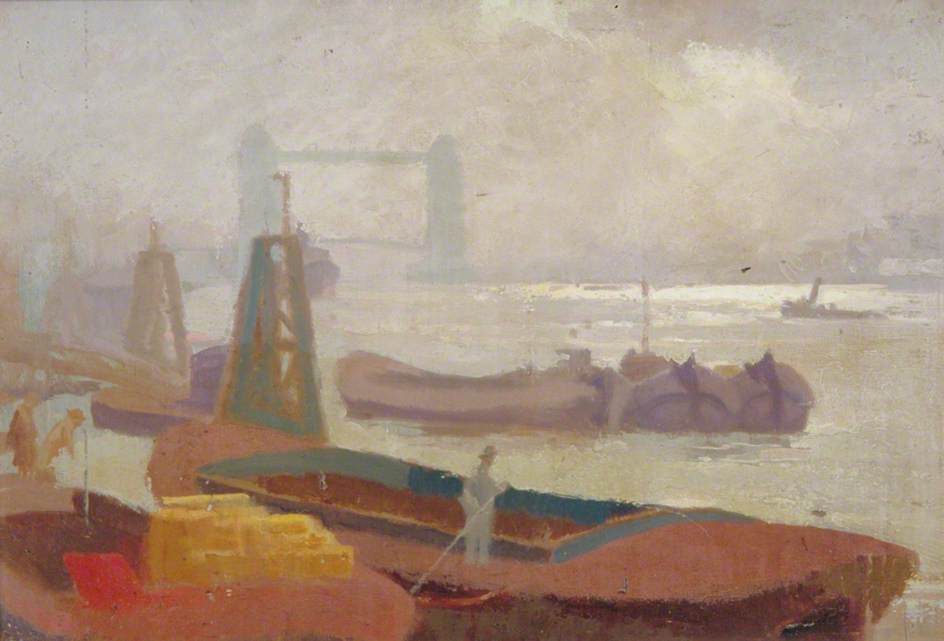
Near Brewers' Quay, London
 1930
1930 35.0 x 51.0 cm
 Guildhall Art Gallery
 Читать далее
Жикле / Арт-принт
Печать (жикле) или холст музейного качества с быстрыми сроками изготовления и широким выбором вариантов отделки. ( Купить картину ручной работы Перейти к цифровым изображениям)




































Выберите один из наших стандартных размеров, соответствующих оригинальным пропорциям произведения искусства.

Вы можете указать свои собственные размеры, чтобы репродукция идеально подошла под конкретную раму или пространство. Если выбранный вами размер не будет соответствовать пропорциям оригинала, мы либо обрежем произведение, либо дополним изображение зеркальным отражением краев или однотонной заливкой. Перед началом производства вам будет отправлен цифровой макет для утверждения.
Пожалуйста, обратите внимание, что предварительный просмотр на экране не отображает фактическую обрезку или расширение изображения. Только макет точно покажет финальную композицию.
Несмотря на возможность заказа индивидуальных размеров, мы рекомендуем выбирать размер из предопределенного списка, чтобы сохранить оригинальные пропорции.
Доставка по всему миру () за 2 недели вместо стандартных 4/5 недель. (12 Сентябрь)

Бесплатная экспресс-доставка по всему миру

Высококачественный льняной холст

Полное страхование доставки

Гарантия возмещения таможенных пошлин

Гарантия точного соответствия цветов

100-дневная политика возврата (только при обнаружении дефектов)

Гарантия возврата 100% средств

Предложение оптовых скидок
 Вариант со стеклом доступен только для размеров менее 110 см

Near Brewers' Quay, London
Жикле / Арт-принт
Размер репродукции
-


Итоговая стоимость
$ 62
Похожие произведения









Биография художника
Samuel Harry Hancock: A Londoner’s Vision of Victorian City Life
Samuel Harry Hancock (1862-1932) wasn't a name that immediately resonates within the grand halls of art history, yet his watercolors offer a remarkably intimate and compelling portrait of late Victorian and Edwardian London. Born in Wahoo, Nebraska – a testament to his family’s pioneering spirit as railroad surveyors – Hancock’s artistic journey began unexpectedly in England, where he established himself as a dedicated observer and recorder of the city's bustling streets, grand architecture, and everyday life. His work isn’t characterized by dramatic landscapes or heroic narratives; instead, it’s a quiet, meticulous study of urban detail, imbued with a keen sense of atmosphere and a subtle appreciation for the mundane.
Hancock’s early years were marked by a restless energy and a fascination with the American West. However, a pivotal decision to relocate to London in 1886 proved transformative. He initially pursued a career as a clerk, but his artistic inclinations soon took precedence. He began sketching prolifically, capturing the city's ever-changing face – from the imposing facades of Cannon Street Station and the crowded thoroughfares of Fleet Street to the quieter corners of residential neighborhoods. His style evolved gradually, moving away from purely representational depictions towards a more nuanced approach that emphasized light, shadow, and texture. Influenced by the Impressionists’ focus on capturing fleeting moments and the meticulous detail of Realist painters like Gustave Courbet, Hancock developed his own distinctive technique – one characterized by loose brushstrokes, atmospheric perspective, and an almost photographic precision in rendering architectural features.
The Art of Observation: Technique and Style
Hancock’s watercolors are remarkable for their technical mastery. He was a diligent student of materials, experimenting with various pigments and paper to achieve the desired effects. His palette tended towards muted tones – browns, grays, blues, and greens – reflecting the often-damp and overcast conditions of London weather. However, he skillfully employed highlights and contrasts to create a sense of depth and luminosity. A key element of his style was his ability to capture the play of light on surfaces—the glint of wet cobblestones, the reflections in shop windows, the subtle variations in color caused by shadows. He often worked *en plein air*, directly from observation, which allowed him to accurately record the nuances of the urban environment.
Beyond technique, Hancock’s work is defined by a remarkable eye for detail. He wasn't interested in grand vistas or sweeping compositions; instead, he focused on capturing the small, often overlooked elements that made up the fabric of London life – a delivery boy hurrying down a street, a group of women gossiping outside a shop, a horse-drawn carriage navigating a crowded intersection. These seemingly insignificant details were rendered with remarkable accuracy and sensitivity, revealing a deep understanding of human behavior and urban dynamics.
London’s Streets: A Chronicle of the City
Hancock's most celebrated subjects were undoubtedly the streets of London. His series of paintings depicting Cannon Street Station, for example, are not merely architectural studies; they are evocative portraits of a city in constant motion. He captured the station’s imposing grandeur, its bustling crowds, and the interplay of light and shadow within its vast interior. Similarly, his watercolors of Fleet Street offer a glimpse into the heart of London's journalistic world – the clatter of typewriters, the hurried pace of reporters, and the smoky atmosphere of newsrooms.
Beyond these iconic locations, Hancock also documented lesser-known corners of the city—residential neighborhoods, markets, and parks. His paintings of these areas reveal a deep appreciation for the beauty of everyday life – the simple pleasures of a stroll through a park, the vibrant colors of a market stall, the warmth of a neighborhood gathering. His work provides a valuable historical record of London’s urban landscape during a period of rapid transformation.
Legacy and Historical Significance
Samuel Harry Hancock's contribution to British watercolor is often understated, yet his meticulous observations and evocative depictions of Victorian London have earned him a place among the most important chroniclers of the city. His work offers a unique perspective on urban life—one that is both detailed and intimate, observant and empathetic. While he may not be as widely recognized as some of his contemporaries, Hancock’s watercolors continue to resonate with viewers today, offering a glimpse into a bygone era and reminding us of the enduring beauty and complexity of London.
His paintings are held in numerous collections, including the Art UK database and the Harry Hancock Foundation. His legacy lives on through his art, which continues to inspire artists and scholars alike.
samuel harry hancock
1862 - 1932
Основные сведения
- Artistic Movement Or Style: Watercolor realism
- Artists Or Movements Influenced By This Artist:
- Hudson River School
- Impressionism
- Artists Who Influenced This Artist:
- John Singer Sargent
- William Small
- Date Of Birth: 1862
- Date Of Death: 1932
- Full Name: Samuel Harry Hancock
- Nationality: British-American
- Notable Artworks:
- The Lights of London
- Cannon Street Station
- Place Of Birth: Wahoo, Nebraska