

 Предпросмотр
 Поделиться
 Поделиться
 Детали произведения

 Скачать
 Похожие работы
 Рентгенография
 Слайд-шоу
 Статистика
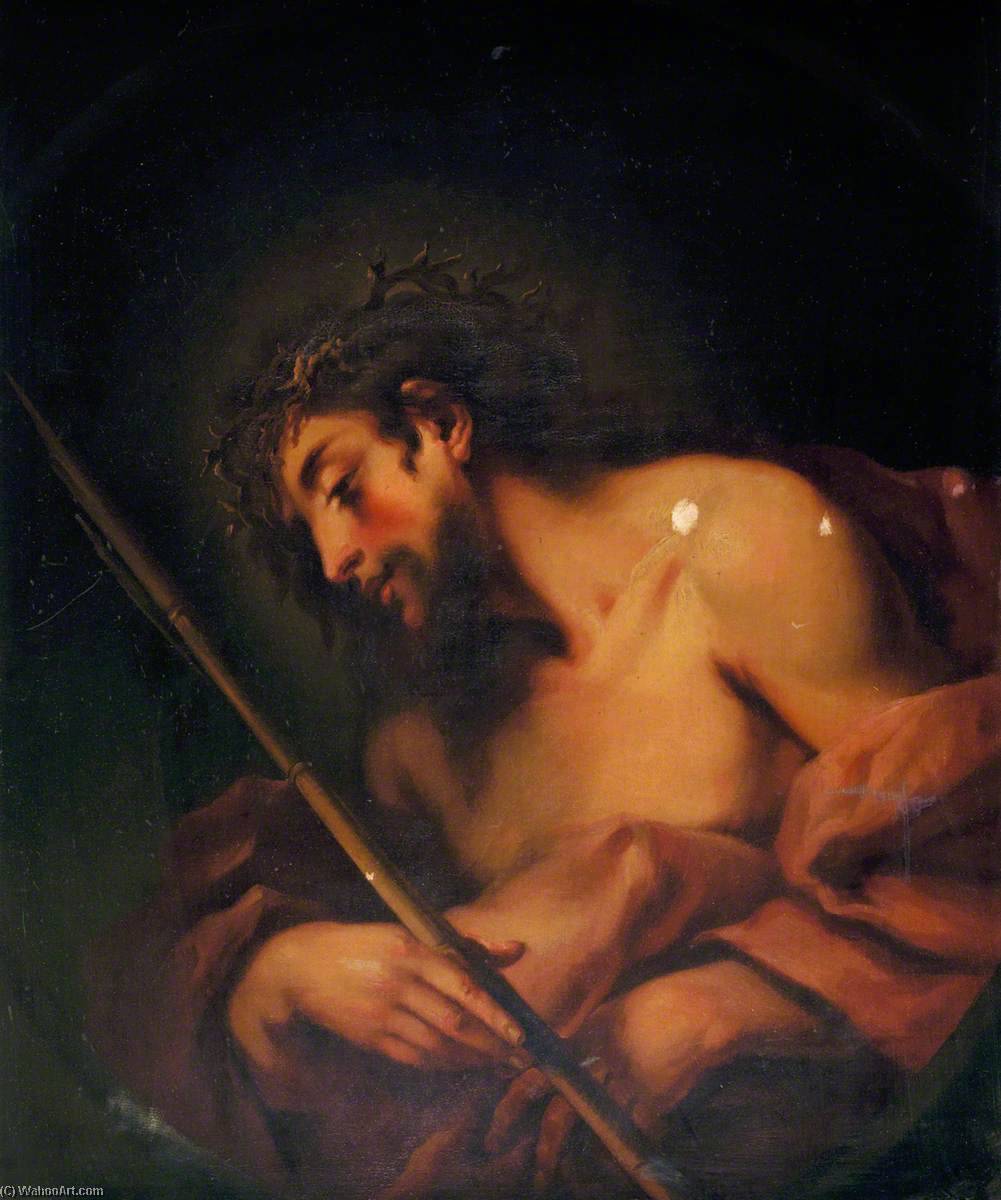
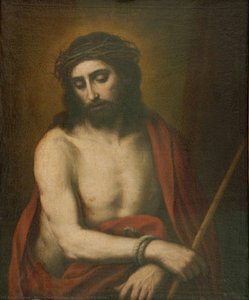
Christ Crowned with Thorns
 1890
1890 75.0 x 62.0 cm
 Национальная библиотека Уэльса
 Читать далее
Масляная репродукция ручной работы
Картина маслом на холсте в выбранном вами размере и раме, написанная на заказ нашими художниками. ( Перейти к печати Перейти к цифровым изображениям)




































Выберите один из наших стандартных размеров, соответствующих оригинальным пропорциям произведения искусства.

Вы можете указать собственные размеры, чтобы картина идеально вписалась в выбранную раму или пространство. Если выбранный вами размер не соответствует пропорциям оригинала, мы либо обрежем полотно, либо расширим его за счет дополнительных элементов, написанных вручную. Цифровой макет будет отправлен вам на утверждение перед началом производства.
Обратите внимание, что предварительный просмотр на экране не отражает фактическую обрезку или расширение. Только макет точно покажет окончательную композицию.
Хотя доступны индивидуальные размеры, мы рекомендуем выбирать вариант из предопределенного списка, чтобы сохранить исходные пропорции.
После оформления заказа команда ArtsDot.com свяжется с клиентом по электронной почте для уточнения деталей и предоставит предварительный макет
Доставка по всему миру () за 3–4 недели вместо стандартных 5 недель. (11 Сентябрь). Без компромиссов в качестве.

Бесплатная экспресс-доставка по всему миру

Высококачественный льняной холст

Полное страхование доставки

Гарантия возмещения таможенных пошлин

Гарантия точного соответствия цветов

100-дневная политика возврата (только при обнаружении дефектов)

Гарантия возврата 100% средств

Предложение оптовых скидок
 Вариант со стеклом доступен только для размеров менее 110 см

Christ Crowned with Thorns
Техника репродукции
Размер репродукции
-


Итоговая стоимость
$ 263
Похожие произведения





Биография художника
The Visionary Legacy of Sir Samuel Henry William Llewellyn
In the grand tapestry of late 19th and early 20th-century British art, few figures command as much quiet authority as Sir Samuel Henry William Llewellyng. Born on December 1st, 1858, in the picturesque setting of Cirencester, Gloucestershire, Llewellyn emerged from a lineage of precision and engineering, a heritage inherited from his father, Samuel Llewellyn. This early exposure to the meticulous nature of structural design would later manifest in his breathtakingly detailed canvases. While he is often celebrated for his monumental biblical landscapes that evoke a sense of profound spiritual reverence, his artistry was far more expansive, encompassing a mastery of portraiture and serene coastal scenes that captured the very essence of the British landscape.
Llewellyn’s artistic journey was one of continuous refinement and international exposure. His education took him from the rigorous academic training at the National Art Training School in South Kensington under Edward Poynter to the vibrant, light-drenched ateliers of Paris. Immersing himself in the works of masters such as Fernand Cormon, Jules Joseph Lefebvre, and Gabriel Ferrier, he absorbed the sophisticated techniques of the French school. This period was transformative; it allowed him to blend the disciplined precision of the Victorian academic tradition with a more expressive, atmospheric approach to light and color. His time in Germany, particularly his encounter with the burgeoning Impressionist movement, further enriched his palette, teaching him to capture the fleeting, ephemeral qualities of nature that would later breathe life into his religious compositions.
A Master of Light, Spirit, and Portraiture
The true brilliance of Llewellyn’s work lies in his ability to bridge the gap between the earthly and the divine. His biblical landscapes, such as “The Nativity” and “The Sermon on the Mount,” are not merely historical recreations but spiritual experiences rendered in oil. Through a masterful use of dramatic lighting and rich, textured brushwork, he imbued these sacred scenes with a palpable sense of awe. He possessed a rare gift for using atmospheric haze and soft, golden hues to suggest the presence of the miraculous within the natural world, making the landscapes themselves feel like characters in a divine narrative.
Beyond the spiritual realm, Llewellyn was a formidable portraitist, capable of capturing the psychological depth and social stature of his subjects. His ability to render texture—the heavy drape of a velvet robe or the weathered skin of an elderly gentleman—is evident in works like “Professor William Stroud.” His prestige was such that he was commissioned by King George V to paint the State Portrait of H.M. Queen Mary in 1912, a testament to his standing at the pinnacle of the British art establishment. Whether depicting the rugged coastlines of Cornwall in “Evening at Padstow” or the dignified presence of an admiral in “Sir Reginald Hardy,” Llewellyn’s hand was always marked by an unwavering commitment to academic excellence and emotional resonance.
Ascension within the Royal Academy and Historical Significance
Llewellyn’s career was defined by a series of prestigious milestones that saw him ascend to the highest echelons of the art world. After his first exhibition at the Royal Academy in 1884, he became a perennial presence in the most esteemed galleries of London and beyond, including the Grosvenor Gallery and the New English Art Club. His influence was not merely through his brush, but through his leadership; serving as the President of the Royal Academy from 1928 to 1938, he guided the direction of British art during a period of significant transition. His contributions were recognized with numerous honors, including the Albert Medal from the Royal Society of Arts in 1933 and a knighthood for his immense services to the arts.
Today, the legacy of Sir Samuel Henry William Llewellyn lives on through the many works held in prestigious national collections across the United Kingdom. His ability to synthesize the meticulousness of the Victorian era with the emotive power of modern light ensures that his paintings remain timeless. He remains a pivotal figure who bridged the gap between the rigid traditions of the past and the expressive possibilities of the future, leaving behind a body of work that continues to inspire wonder and contemplation in all who behold it.
samuel henry william llewellyn
1858 - 1941
Основные сведения
- Artistic Movement Or Style: Academic Painting
- Artists Or Movements Influenced By This Artist: ['Burne-Jones']
- Artists Who Influenced This Artist: ['Edward Poynter']
- Date Of Birth: December 1858
- Date Of Death: January 1941
- Full Name: Samuel Henry William Llewellyn
- Nationality: Welsh
- Notable Artworks:
- The Shepherdess
- Saint George and the Dragon
- Place Of Birth: Cirencester, Gloucestershire