 Предпросмотр
 Поделиться
 Поделиться
 Детали произведения

 Скачать
 Похожие работы
 Рентгенография
 Слайд-шоу
 Статистика
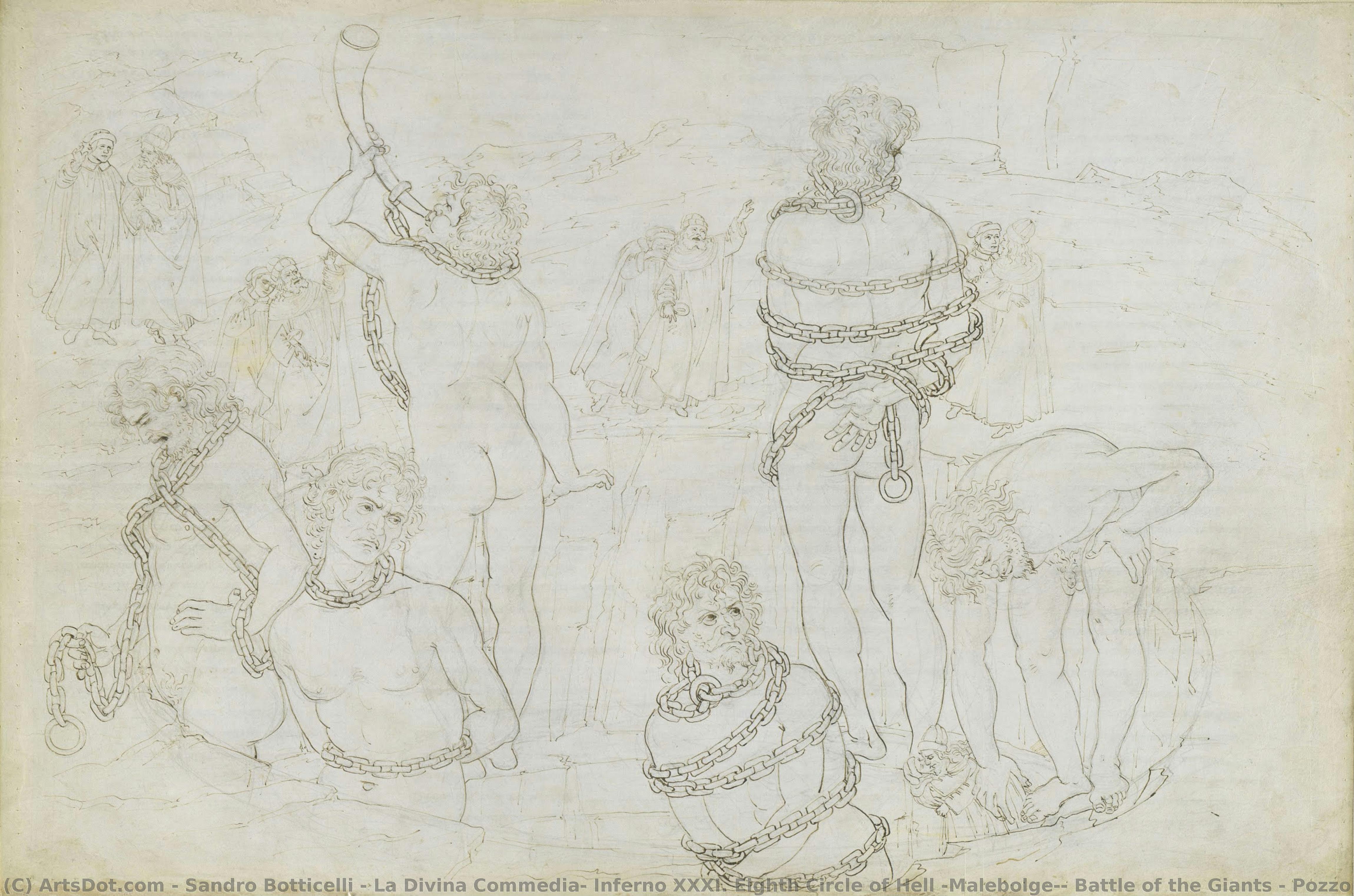
La Divina Commedia, Inferno XXXI. Eighth Circle of Hell (Malebolge): Battle of the Giants - Pozzo dei Giganti
 Silverpoint
- Early Renaissance
 47.0 x 32.0 cm
 Кюпперстихкабинетт
 Читать далее
Масляная репродукция ручной работы
Картина маслом на холсте в выбранном вами размере и раме, написанная на заказ нашими художниками. ( Перейти к печати Перейти к цифровым изображениям)




P118B $10

P118H $10

P118W $10

P438Z $10

P508JH $12

P508YH $12

P805H $10

P805Z $10

P919BZ $10

P919G $10

P919XJ $10

P959ZH $10

P968JZ $12

W106C $8

W218G $10

W218JH $8

W218Y $10

W307PJ $10

W316G $10

W316PJ $8

W316Y $10

W398PJ $8

W4111J $10

W500HY $15

W500JH $15

W692G $12

W849H $8

W940BG $15

W953PJ $8




Выберите один из наших стандартных размеров, соответствующих оригинальным пропорциям произведения искусства.

Вы можете указать собственные размеры, чтобы картина идеально вписалась в выбранную раму или пространство. Если выбранный вами размер не соответствует пропорциям оригинала, мы либо обрежем полотно, либо расширим его за счет дополнительных элементов, написанных вручную. Цифровой макет будет отправлен вам на утверждение перед началом производства.
Обратите внимание, что предварительный просмотр на экране не отражает фактическую обрезку или расширение. Только макет точно покажет окончательную композицию.
Хотя доступны индивидуальные размеры, мы рекомендуем выбирать вариант из предопределенного списка, чтобы сохранить исходные пропорции.
После оформления заказа команда ArtsDot.com свяжется с клиентом по электронной почте для уточнения деталей и предоставит предварительный макет
Доставка по всему миру () за 3–4 недели вместо стандартных 5 недель. (12 Сентябрь). Без компромиссов в качестве.

Бесплатная экспресс-доставка по всему миру

Высококачественный льняной холст

Полное страхование доставки

Гарантия возмещения таможенных пошлин

Гарантия точного соответствия цветов

100-дневная политика возврата (только при обнаружении дефектов)

Гарантия возврата 100% средств

Предложение оптовых скидок
 Вариант со стеклом доступен только для размеров менее 110 см

La Divina Commedia, Inferno XXXI. Eighth Circle of Hell (Malebolge): Battle of the Giants - Pozzo dei Giganti
Техника репродукции
Размер репродукции
-


Итоговая стоимость
$ 263
A Descent Into Hellfire: Botticelli’s Dramatic Inferno
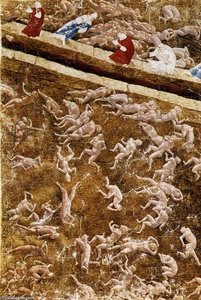
Sandro Botticelli's "La Divina Commedia, Inferno XXXI. Eighth Circle of Hell (Malebolge): Battle of the Giants – Pozzo dei Giganti" is not merely a depiction of Dante Alighieri’s harrowing journey through the underworld; it’s a visceral embodiment of human struggle and divine judgment. Created in the late 15th century, this extraordinary drawing offers a rare glimpse into Botticelli's meticulous process and his profound engagement with one of literature’s most enduring narratives. The sheer scale of the scene – rendered on vellum using silverpoint technique – immediately commands attention, inviting the viewer to step into a chaotic realm of punishment and eternal combat. The delicate lines, punctuated by pentimenti (traces of earlier sketches), reveal Botticelli's constant refinement, his wrestling with how to visually translate Dante’s powerful words.
Technique and Materials: A Window into the Artist’s Mind
Botticelli’s mastery lies not just in the dramatic subject matter but also in his innovative use of silverpoint drawing. This technique, involving tracing lines with a needle coated in silver paste on prepared vellum, produced astonishingly detailed and luminous images. The resulting monochrome effect – a stark contrast against the pale surface of the vellum – lends an almost sculptural quality to the figures and their surroundings. Crucially, the numerous pentimenti scattered throughout the drawing are invaluable insights into Botticelli’s creative process. They demonstrate his willingness to experiment, to reconsider compositions, and to ultimately achieve the most compelling visual representation of Dante's vision. The careful layering of lines, the subtle gradations of tone achieved through varying pressure on the silverpoint, speak volumes about Botticelli’s dedication to precision and his deep understanding of drawing principles.
Symbolism and Narrative: The Giants and Their Fate
The scene depicts a pivotal moment within the Eighth Circle of Hell – the Battle of the Giants at Pozzo dei Giganti. Here, monstrous figures, remnants of ancient Rome, are eternally locked in combat, their struggles mirroring the corruption and violence that plagued humanity throughout history. These giants, rendered with Botticelli’s characteristic grace despite their terrifying forms, represent those who, through pride and arrogance, rejected divine guidance. The inclusion of a cup suggests a fleeting moment of respite amidst the chaos – perhaps a symbolic representation of earthly pleasures ultimately leading to damnation. The chained figures scattered throughout the scene further emphasize the inescapable nature of punishment, highlighting the consequences of sin and rebellion. Dante’s own journey through this circle serves as a cautionary tale, illustrating the enduring power of moral judgment.
Historical Context and Artistic Legacy
Botticelli's commission to illustrate *La Divina Commedia* was an ambitious undertaking, undertaken almost two centuries after Dante’s original work. The drawings themselves were discovered in 1854, adding a layer of legendary intrigue to their already significant historical value. Their subsequent acquisition by the Berlin museums marked a pivotal moment in art history, safeguarding these remarkable works for posterity. Botticelli's illustrations not only served as visual companions to Dante’s epic poem but also stand as testaments to the Renaissance fascination with classical mythology and religious allegory. They represent a unique synthesis of humanist ideals and medieval theological thought, offering a profound meditation on human nature, morality, and the eternal consequences of our choices. Today, reproductions like this one allow us to appreciate Botticelli’s genius and engage with Dante's timeless masterpiece in a new and compelling way.
Size: 47 x 32 cm
Date: Unknown
Похожие произведения
Биография художника
Early Life and Florentine Beginnings
Sandro Botticelli, born Alessandro di Mariano di Vanni Filipepi around 1445 in Florence, Italy, emerged during a period of extraordinary cultural ferment—the Early Renaissance. His life was deeply rooted in the city’s artistic and social fabric; he never strayed far from his neighborhood of Ognissanti, a testament to both familial ties and the vibrant creative ecosystem that nurtured him. His father, Mariano Filipepi, initially a goldsmith and later a tanner, provided an early exposure to craftsmanship and meticulous detail—qualities that would profoundly influence Botticelli’s artistic approach. Though initial reports suggested training as a goldsmith, he soon found his calling under the tutelage of Fra Filippo Lippi, a leading painter of the time. This apprenticeship proved pivotal, immersing him in the techniques and aesthetics of the Florentine school while also connecting him to influential patrons like the Medici family. Botticelli’s early years were shaped by the bustling atmosphere of Florence, a city brimming with artistic innovation and political intrigue—a backdrop that would profoundly impact his creative vision.A Style Defined by Grace and Myth
Botticelli’s artistic style is instantly recognizable for its lyrical beauty, characterized by elegant linearity, flowing contours, and a delicate use of color. He masterfully bridged the gap between the late Gothic traditions and the burgeoning Renaissance aesthetic, absorbing influences from masters like Fra Angelico and Paolo Uccello yet forging a uniquely personal vision. His figures possess an ethereal quality, often depicted with elongated proportions and graceful poses that convey both serenity and a subtle melancholy. A defining feature of his work is the frequent incorporation of classical mythology—a reflection of the humanist interests sweeping through Renaissance Florence. He didn’t merely illustrate these ancient tales; he imbued them with new layers of meaning, exploring themes of love, beauty, and spiritual longing. Botticelli's approach to composition was revolutionary for its time, moving away from the rigid conventions of medieval art towards a more dynamic and expressive style. His use of color was equally innovative, favoring delicate pastel hues that created an atmosphere of dreamlike beauty.Iconic Masterpieces and Artistic Development
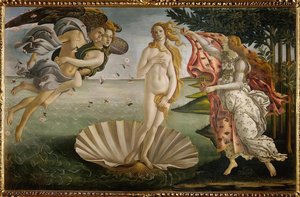
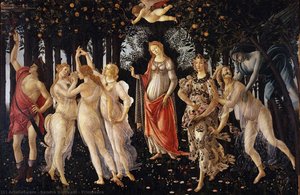
Botticelli’s legacy rests upon a handful of iconic paintings that continue to captivate audiences centuries later. The Birth of Venus, completed around 1486, stands as perhaps his most celebrated work—an allegorical depiction of the goddess emerging from a seashell, embodying Renaissance ideals of beauty and harmony. Its graceful composition, delicate color palette, and evocative symbolism have made it an enduring symbol of the era. Equally renowned is Primavera, created around 1482, a complex and enigmatic painting celebrating spring and love, populated with symbolic figures drawn from classical mythology. These works showcase Botticelli’s mastery of composition, his ability to create atmospheric depth, and his profound understanding of human emotion. His artistic journey unfolded in distinct phases. The early 1470s saw him focusing on religious subjects, honing his technical skills and establishing a reputation for skillful execution. The 1480s marked the peak of his creative powers, with the creation of his most famous mythological paintings. However, the late 1490s witnessed a shift in his style, influenced by the fervent preaching of Girolamo Savonarola—a Dominican friar who condemned what he saw as the decadence and moral corruption of Florence. This period resulted in more austere and emotionally charged works, reflecting a growing spiritual intensity.Major Works
- The Birth of Venus (c. 1486): An iconic depiction embodying Renaissance ideals of beauty.
- Primavera (c. 1482): A complex allegorical painting celebrating spring and love.
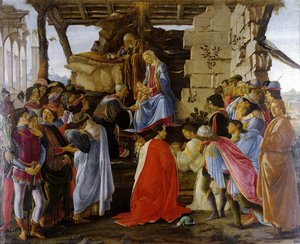
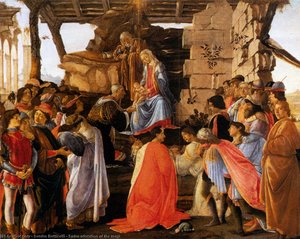
- Adoration of the Magi (1475-1476): Demonstrates early mastery of composition and perspective.
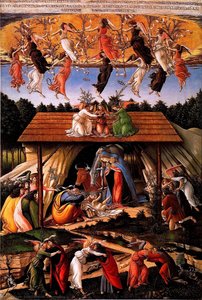
- Mystic Nativity (1501): Reflects a shift towards spiritual themes in his later career.
Legacy and Rediscovery
Following his death in 1510, Botticelli’s reputation gradually faded into obscurity. For nearly three centuries, his work was largely forgotten, overshadowed by the achievements of High Renaissance masters like Leonardo da Vinci and Michelangelo. However, a remarkable rediscovery occurred in the late 19th century with the rise of the Pre-Raphaelite Brotherhood—a group of English artists who rejected academic conventions and sought inspiration in the art of the early Italian Renaissance. They were captivated by Botticelli’s linear grace, vibrant colors, and poetic sensibility, recognizing him as a kindred spirit. This renewed appreciation sparked a widespread reassessment of his work, establishing him as one of the most important artists of the Early Renaissance. Today, Botticelli is celebrated for his unique artistic vision, his masterful technique, and his enduring ability to evoke beauty, emotion, and spiritual contemplation. His influence can be seen in subsequent generations of artists who have sought to capture the same sense of grace and elegance in their own work. He remains a symbol of Florentine artistic achievement and a testament to the power of Renaissance humanism.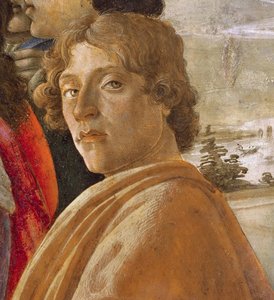
Боттичелли
1445 - 1510 , Италия
Основные сведения
- Artistic Movement Or Style: Раннего Возрождения
- Artists Or Movements Influenced By This Artist: ['Прерафаэлиты']
- Artists Who Influenced This Artist:
- Фра Филиппо Липпи
- Паоло Учелло
- Date Of Birth: 1445
- Date Of Death: 1510
- Full Name: Alessandro di Mariano Filipepi
- Nationality: Итальянский
- Notable Artworks:
- Рождение Венеры
- Весна
- Поклонение волхвов
- Place Of Birth: Флоренция, Италия
Похожие статьи

High Medieval Art: 10 Masterpieces That Shaped an Era | ArtsDot
Journey through High Medieval Art! Explore 10 iconic masterpieces – from Giotto's frescoes to stunning Gothic cathedrals. Discover the stories behind these timeless paintings, sculptures & illuminated manuscripts. Find museum-quality art reproductions at ArtsDot.com.
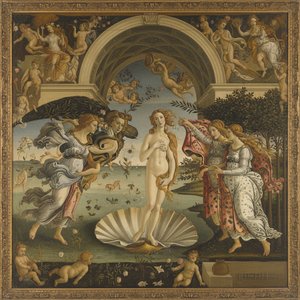
Топ-25 шедевров Сандро Боттичелли: искусство Ренессанса для вашего дома
Погрузитесь в мир Сандро Боттичелли! 25 шедевров Ренессанса – "Рождение Венеры", "Весна" и другие культовые картины. Узнайте историю, технику и вдохновение великого художника. Репродукции высокого качества для вашего интерьера на ArtsDot.com.
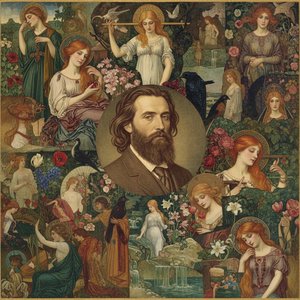
25 Шедевров Данте Габриэля Россетти: Искусство, Символизм и Декор для Вашего Дома
Погрузитесь в мир Данте Габриэля Россетти! 25 шедевров прерафаэлитов, полных символизма и страсти. Узнайте истории создания культовых картин и найдите идеальный декор для вашего дома на ArtsDot.com – музейное качество, вдохновение и искусство онлайн.
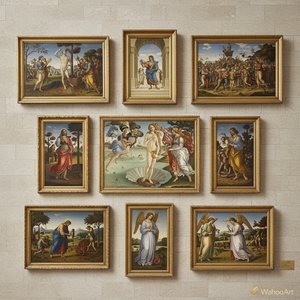
Топ-10 шедевров Раннего Возрождения: искусство для вашего дома от ArtsDot.com
Погрузитесь в эпоху Возрождения! Откройте 10 шедевров Леонардо да Винчи, Рафаэля и Боттичелли. Узнайте историю создания культовых картин и вдохновитесь для декора вашего дома с ArtsDot.com. Explore the full collection online!

Late Medieval Masterpieces: 10 Artworks That Defined an Era | ArtsDot
Journey through 10 defining Late Medieval masterpieces – from Giotto's frescoes to Jan van Eyck’s realism. Explore the stories, techniques & vibrant colors of Gothic art. Find museum-quality reproductions and elevate your home decor with ArtsDot.com! Discover all masterpieces on ArtsDot.com